
Patta Hands Mono the Mic for an Evening of Tambú
Patta's news feed on 1 October carries two posts twelve hours apart: a Crocs collaboration recap from London, and a Mono bar listing for an Afro-Curaçaoan heritage night it didn't design, just hosted.
Culture shifts and movements in Amsterdam, read structurally.
Patta's news feed on 1 October carries two posts twelve hours apart: a Crocs collaboration recap from London, and a Mono bar listing for an Afro-Curaçaoan heritage night it didn't design, just hosted.
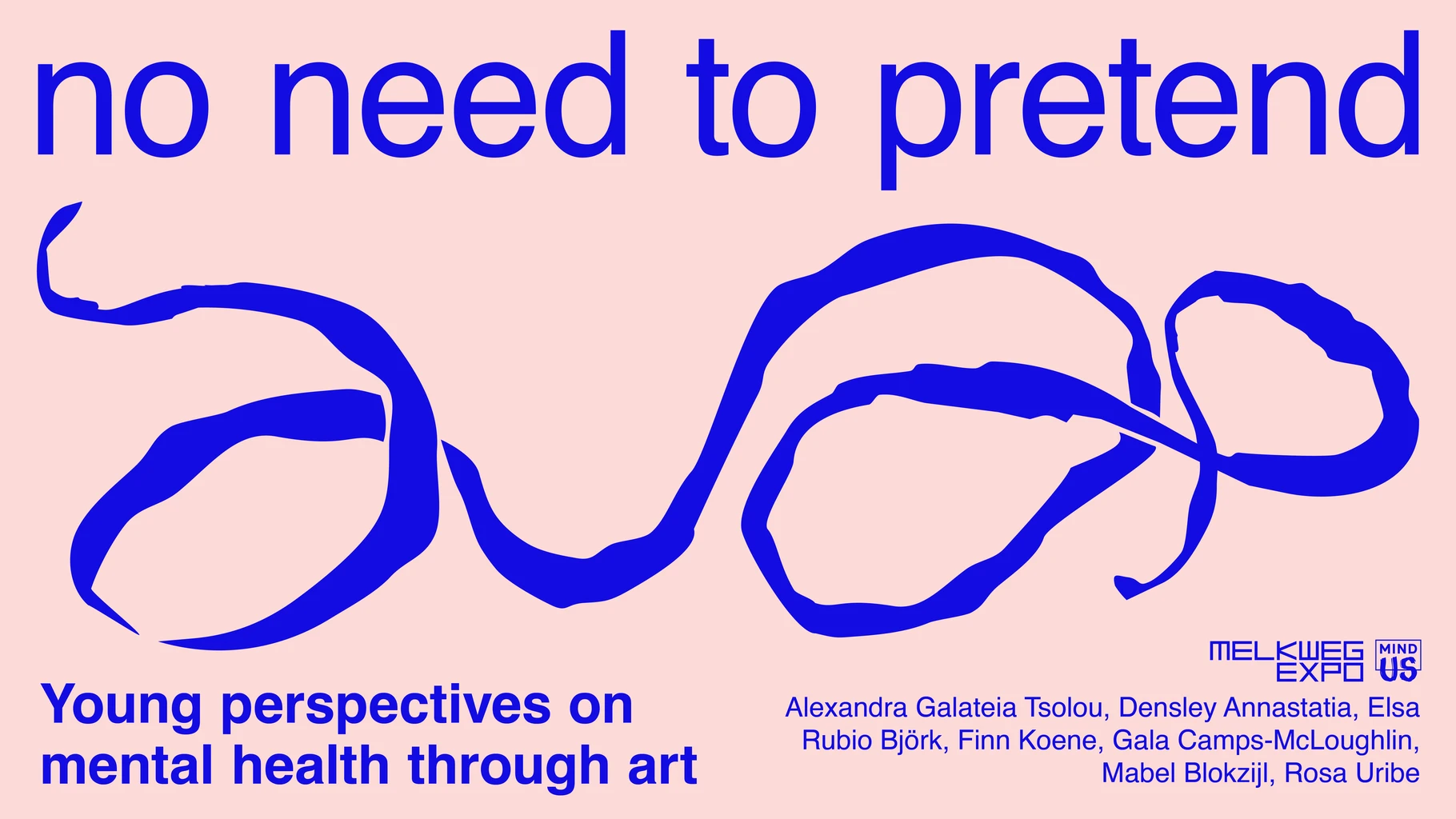
On 10 October 2026, Melkweg Expo opens No Need To Pretend, a group exhibition built around youth mental health, timed to World Mental Health Day and produced with the Dutch NGO MIND Us. The venue that built its name on concerts and club nights is staging a show whose subject is clinical before it is cultural.
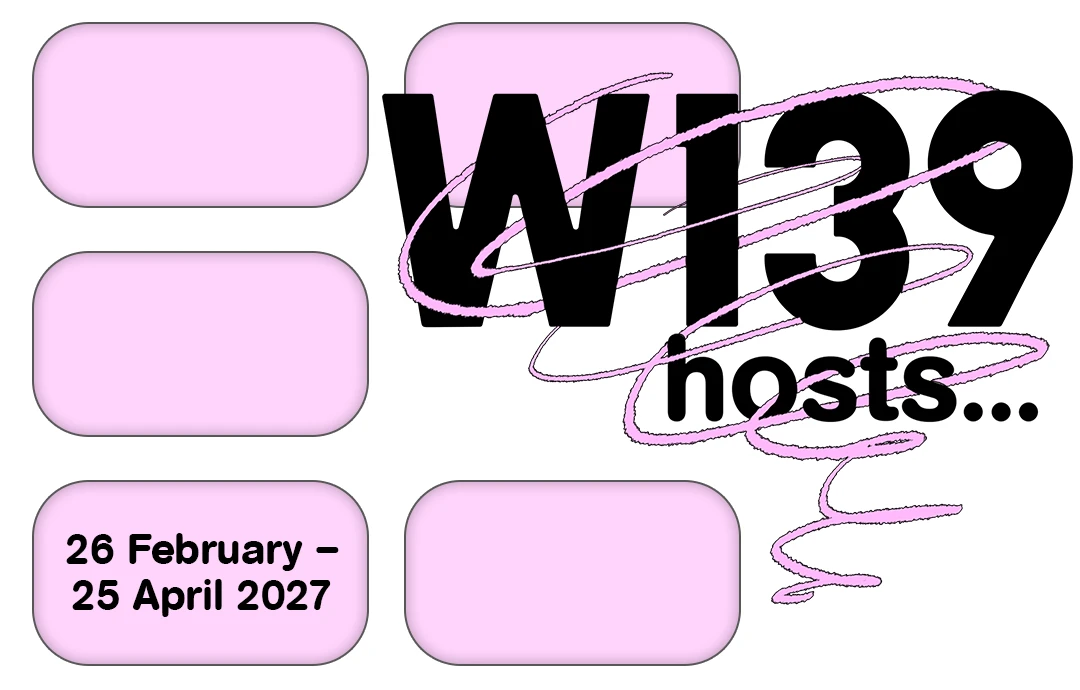
W139 has announced the third edition of W139 hosts..., the open call that hands its Spuistraat exhibition space to outside makers and collectives for a fixed stretch of the calendar, running from 26 February through 25 April 2027.
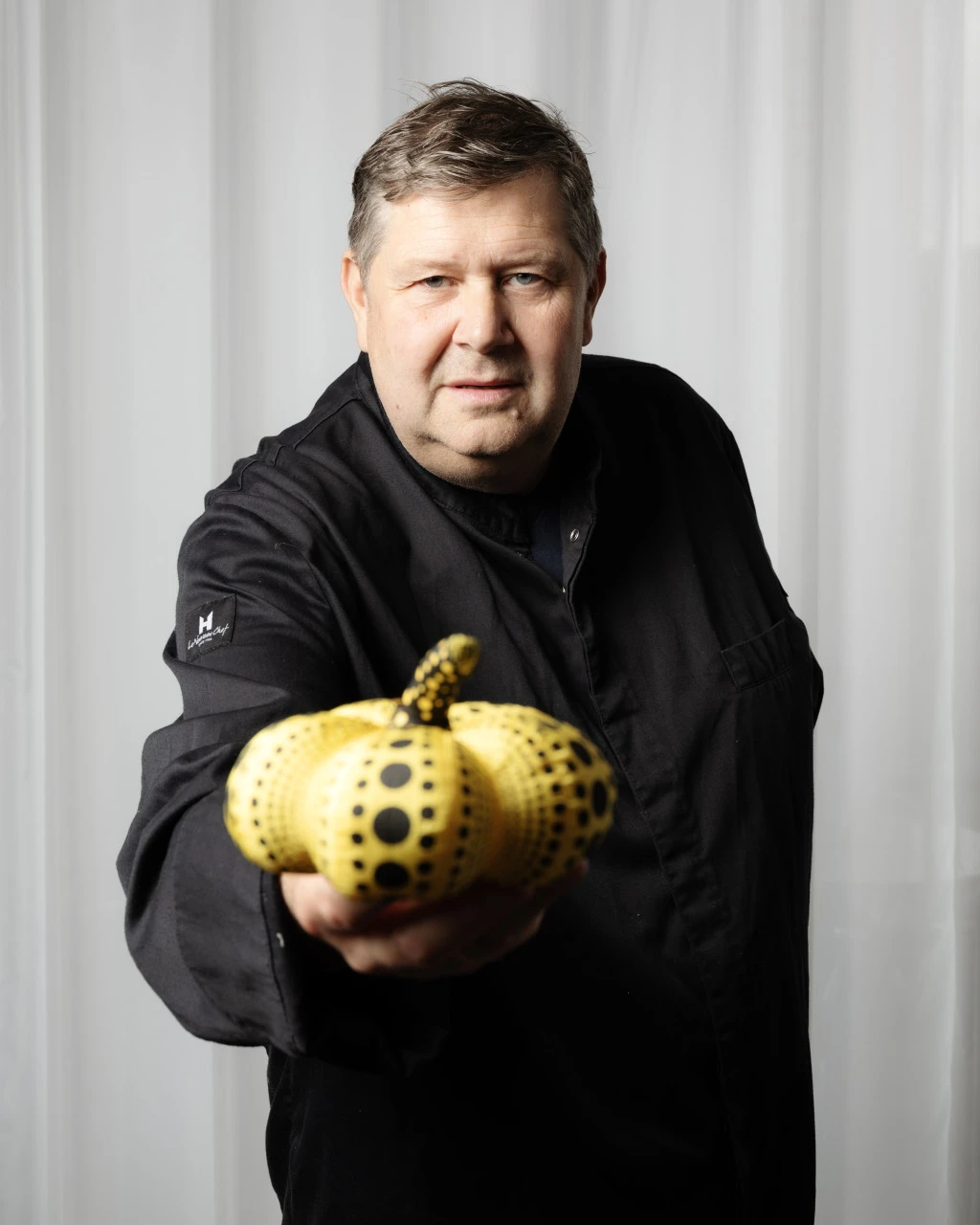
Restaurant Sandberg, the Stedelijk Museum's in-house kitchen, has opened a five-course menu built around the Yayoi Kusama retrospective upstairs, handed to chef Schilo van Coevorden, the founder of Taiko in Amsterdam and Dubai.

Echobox published its latest Tales from the Echobox entry on 25 September, profiling Soft Break, a Rotterdam-rooted DJ whose sets move through jungle, dubstep and grime. The station is Amsterdam's, the artist isn't, and that gap is the point.
De Balie's annual Prinsjesdag breakfast happened three days before the actual budget day speech this year, a scheduling choice the institution has made without ever naming it as one.
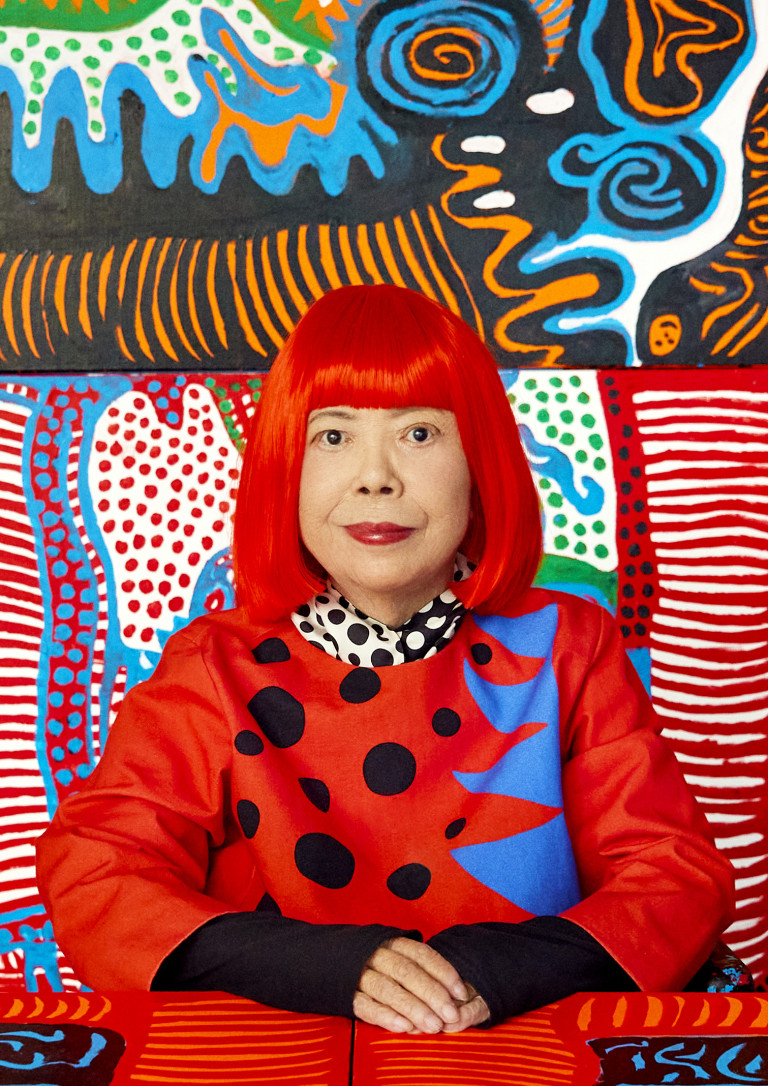
On 22 September 2026 the Stedelijk Museum published a formal statement mourning Yayoi Kusama, calling her one of the most influential artists of her time. The museum has spent the same week fielding visitors who arrive at its own Kusama exhibition without a reservation and cannot get in.
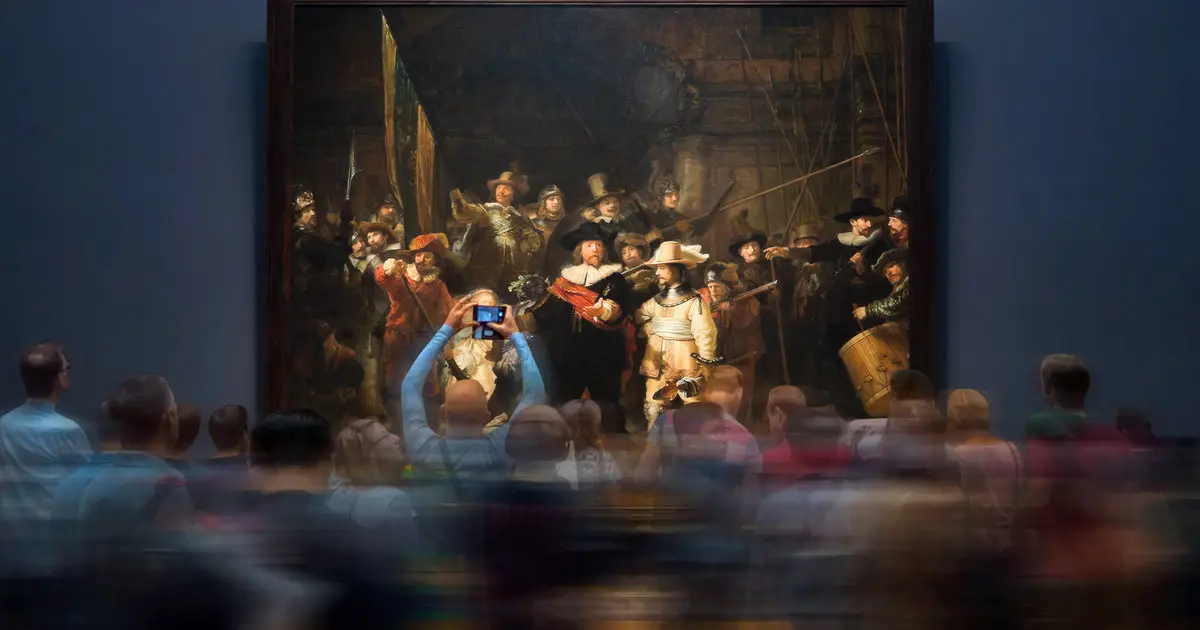
The Rijksmuseum and the Mauritshuis do not often need each other. This week they bought the same painting together, and the sum involved is being called a record for the artist.
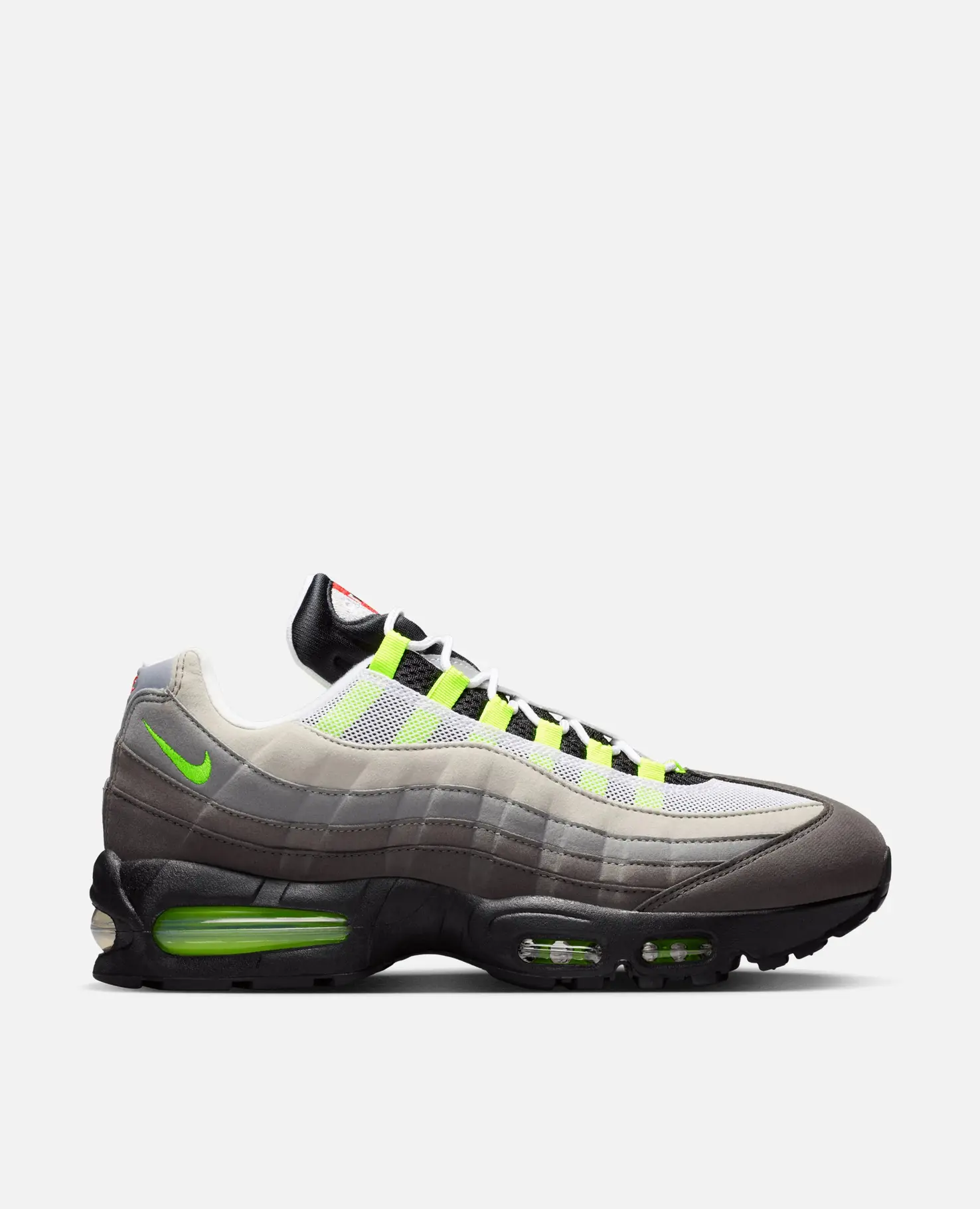
Patta and Crocs drop the Classic EXP Clog on September 18. The clog gets a Vibram sole. Patta gets its fourth footwear collaboration of the year.

Tickets moved before the lineup did. Patta's fourth Amsterdam Dance Event night at Skatecafe sold its early bird batch ahead of a full programme announcement, and the brand is calling it Round 4 in the same breath as the sales update.
Pluk de Nacht ended its 2026 run with a photo recap posted 10 September, the kind of low-key wrap-up post outdoor cinemas file every autumn. What the post's own sequencing shows, unremarked by the festival, is a season built around movement rather than a single home address.
Patta announced a fragrance collaboration with Marcus Elizabeth on 9 September, the same week it confirmed a farewell sale for its seven-year-old Milan store.
Brendan Reterink started Rhythmic Culture as a SoundCloud folder for friends. Ten years and one Patta feature later, the station built around it is still describing itself the same way it did in year one, which is the actual story.
Bugaboo, the Amsterdam-founded stroller company that turned baby gear into a design object in 1999, has put a fashion designer's name on the product for the first time. The Stella McCartney collection covers three models. The move says less about McCartney than about where Bugaboo has been positioning itself for two decades.
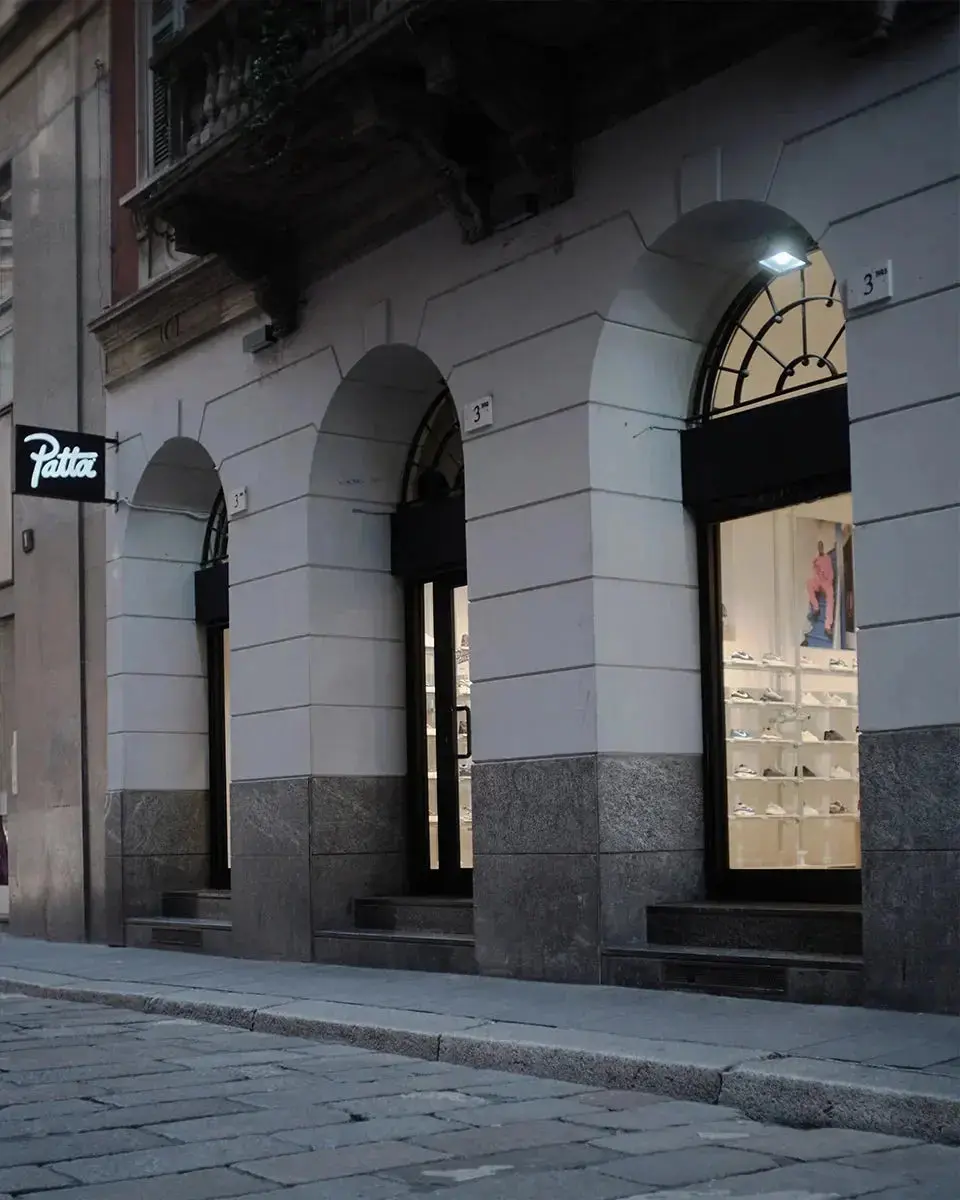
Patta shuts its Milano Chapter Store this week. The brand's event calendar, radio slots, cycling clinics, and diaspora bookings have never been fuller.
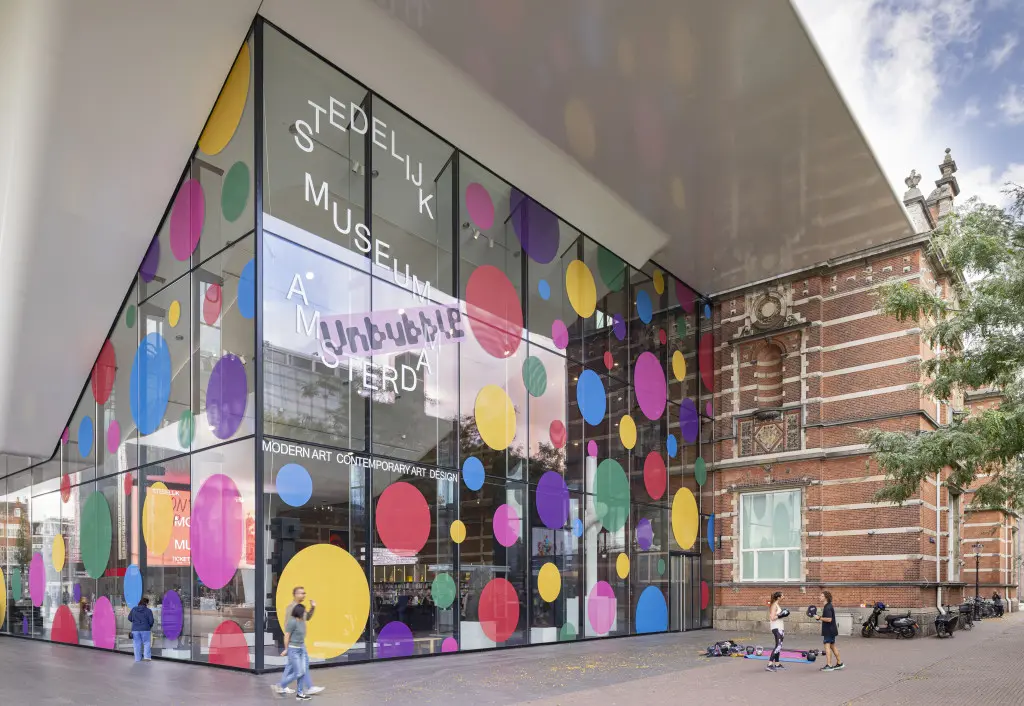
The full facade of the Stedelijk went dotted this week, and the museum is calling it a tribute. The campaign was already built before the artist died.
Patta spent last Sunday teaching group riding and cornering technique to people who had never raced a bike, and the brand that built its name on sneaker restocks called it the start of something, not a one-off.
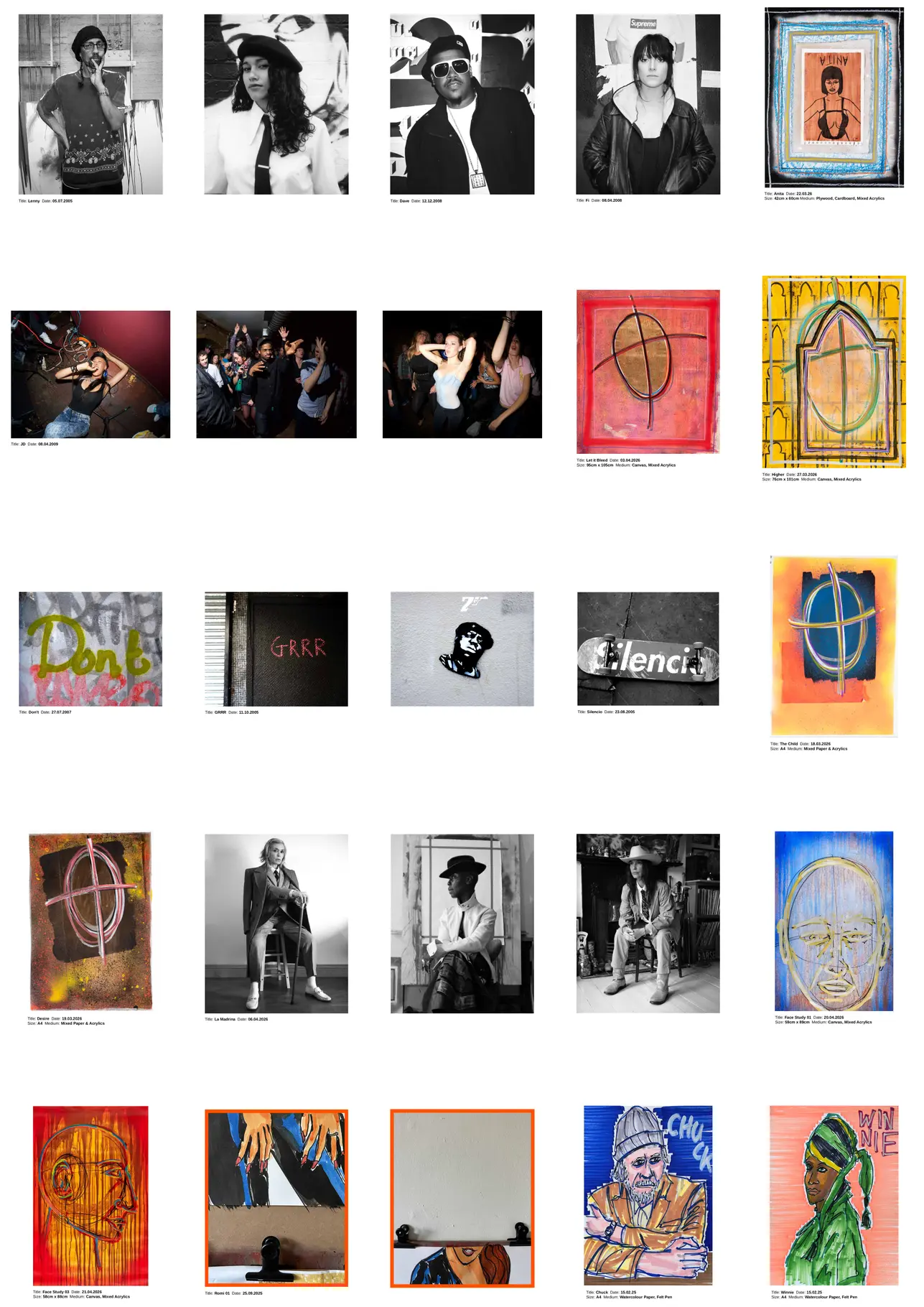
Farhid Shariff has shot Patta's backstage for years under the name FATSARAZZI. This September he stops documenting other people's work and shows his own.
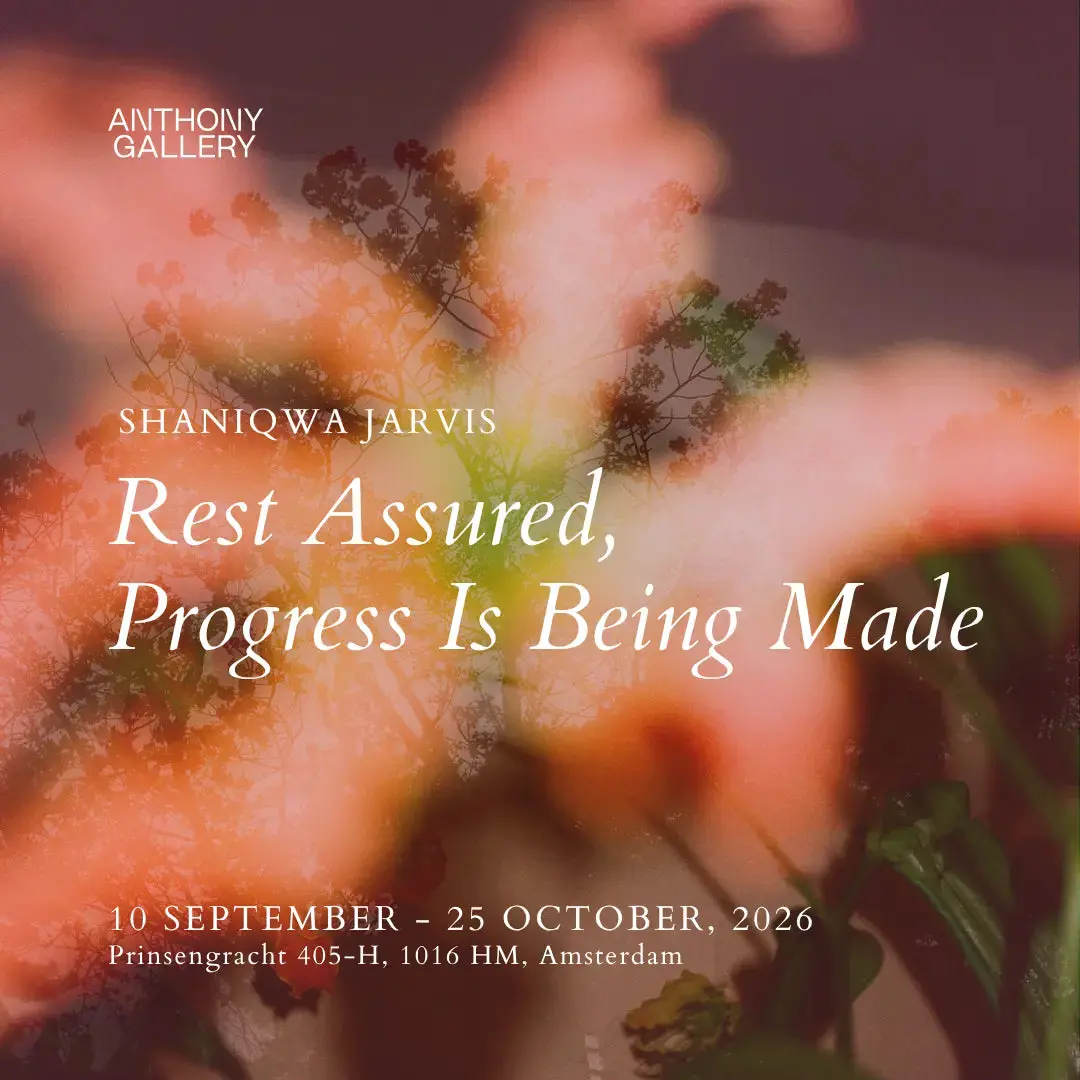
Anthony Gallery opens its Amsterdam program on September 10 with a photographer who spent two decades being commissioned for other people's certainty, now showing the negatives she once considered ruined.
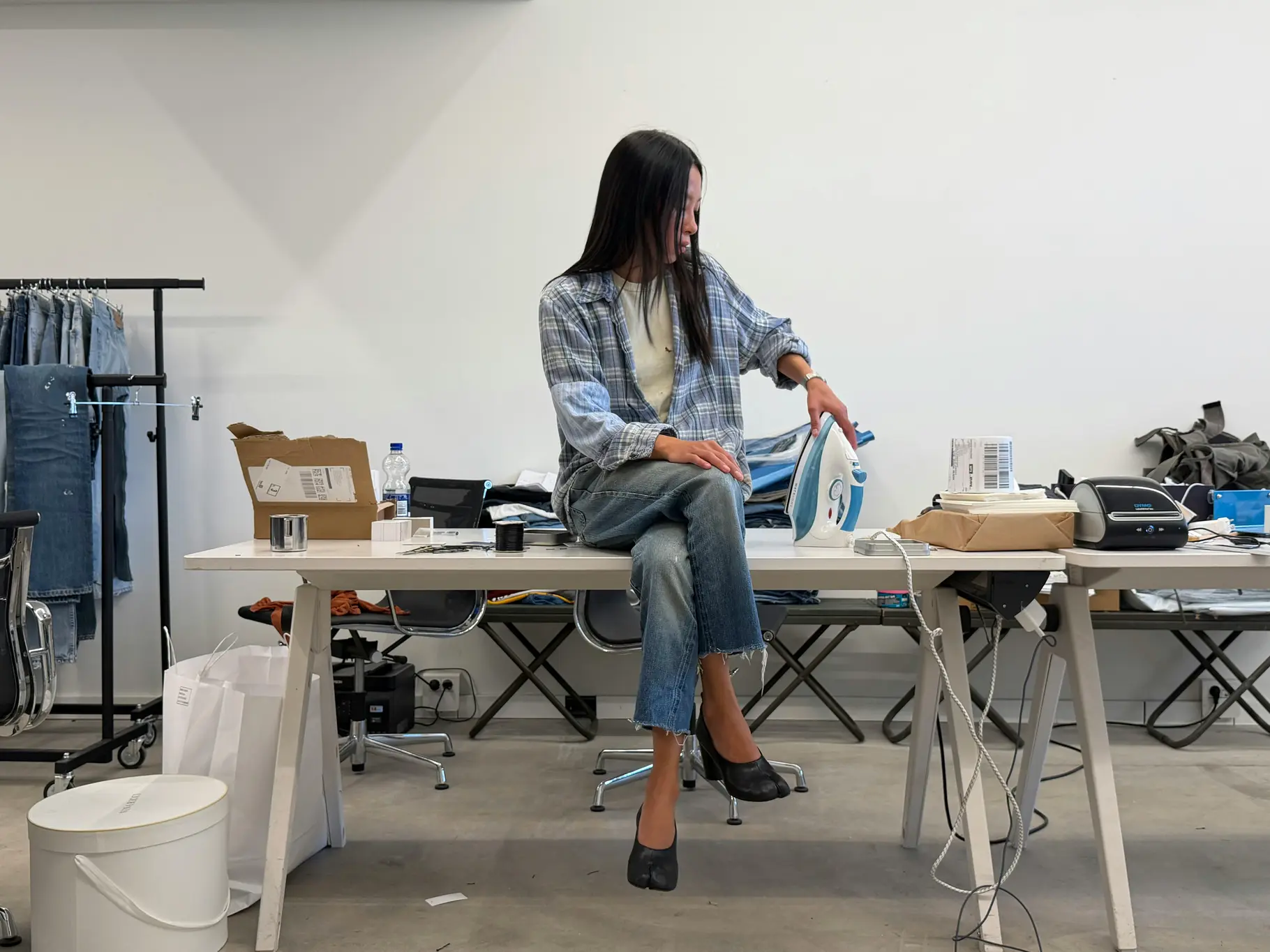
Amy Pham Thi built Nhogirl into an Amsterdam vintage name with 100,000 Instagram followers. The showroom that supplies the stock still runs on appointments only.

Accra's Free The Youth became the first Ghanaian label to collaborate with Jordan Brand. The launch did not happen in Lagos, New York, or Accra. It happened at Patta's London chapter.
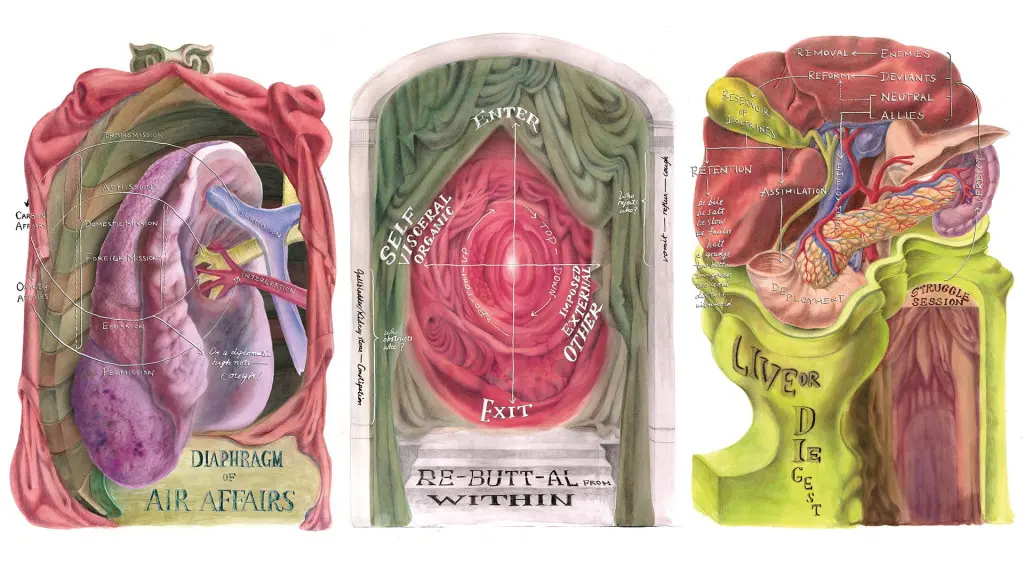
For its seventh edition, the Stedelijk's corridor commission series stops decorating the museum and starts diagnosing it.
Patta puts the woman behind the most sampled reggae record of the last four decades on a room built for sneaker drops and soundsystem nights.
The museum that carries one painter's name has spent decades building a second, quieter collection: the Japanese prints he studied to make his own work. This week that second collection gets its own wall.

Olaf Hussein's Citizens page, the running ambassador column on its own site, added Calvin Stengs on 6 August. The AZ Alkmaar academy product turned Belgian-league regular gets the same treatment the label gives musicians and stylists: a profile page, a portrait, no product tie-in stated.
The touring open-air cinema wrapped ten nights on the Neude in Utrecht and is already packing trucks for Amsterdam, a city-to-city migration inside a single season that the institution's own farewell post treats as a goodbye, not a supply chain.
Patta has spent five months building things that carry no size run and no SKU. Open Source, the bookshelf it launched August 10 with Athenaeum, is the fourth.
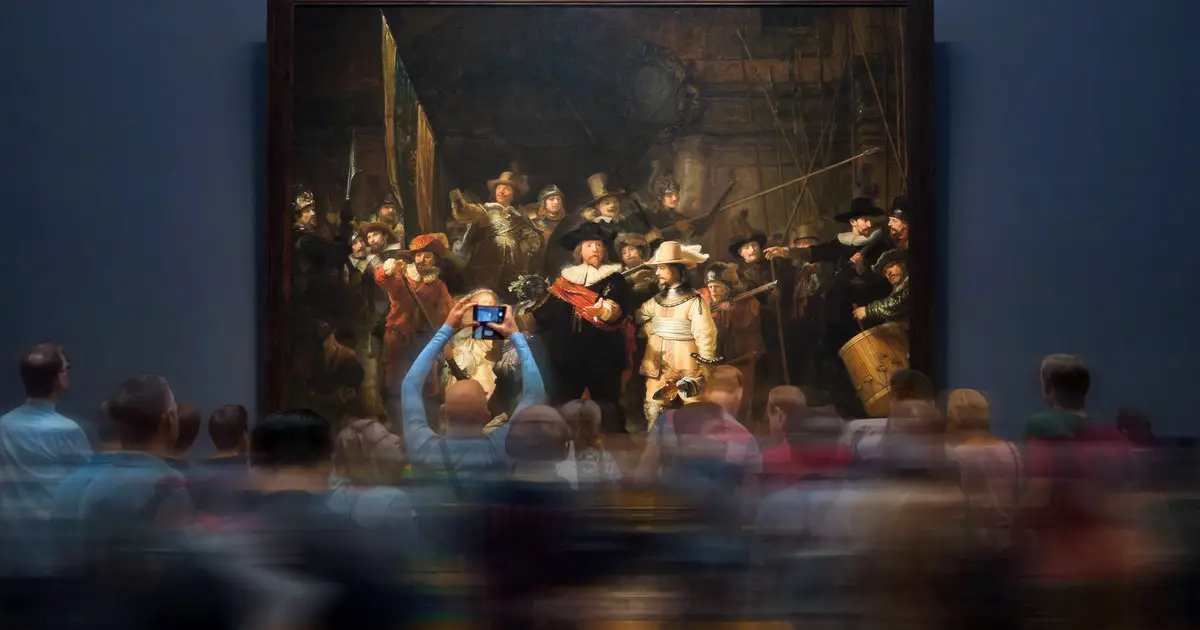
The Rijksmuseum has acquired a 17th century drawing book whose contents sat unattributed for over three centuries, and it is naming the hands behind the pages before a single review runs.

The Van Gogh Museum has completed the first extensive study of Vincent van Gogh's signatures, and the finding runs against a century of gift-shop iconography: of 840 known paintings, he signed only 133.

Patta's in-house radio project just put out a feature-length documentary shot across London with more than 25 artists, and there is no drop, no capsule, no product page anywhere near it.

Melkweg has confirmed German street rapper Gzuz for its main hall on 3 September 2026, one week inside a calendar that also holds a queer bass night, a metalcore band's meet and greet package, and a bingo night in the small hall.
Patta's YouTube arm has spent two years moving from lookbooks toward oral history. On August 12 it published an episode on Shawn Brauch, the Pen & Pixel co-founder who designed north of 20,000 rap album covers in the 90s. No product drops with it.
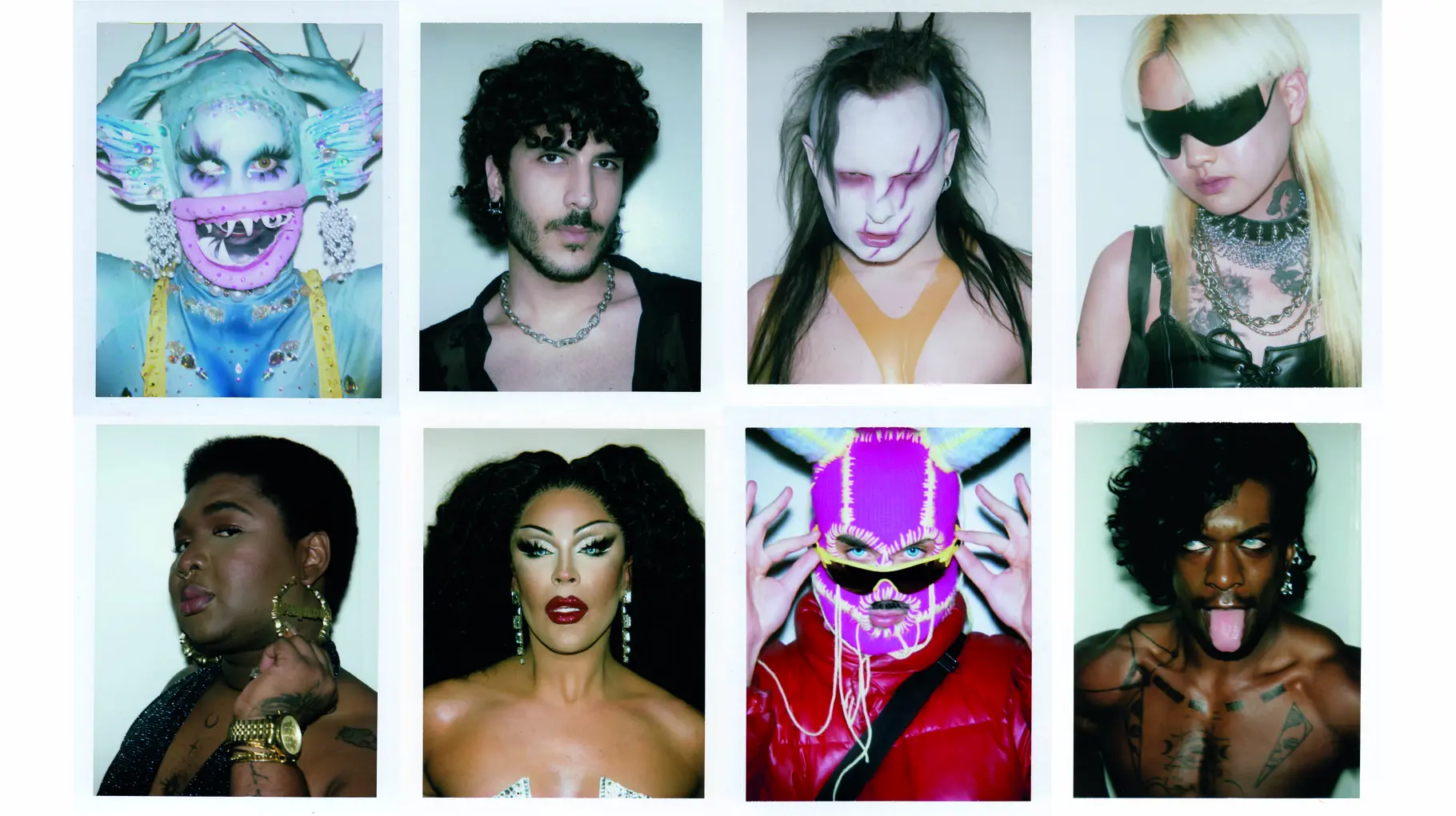
A venue built for stage times is now hosting a book launch and exhibition for a photo archive, and the object under discussion is 350 Polaroids nobody meant to keep past sunrise.
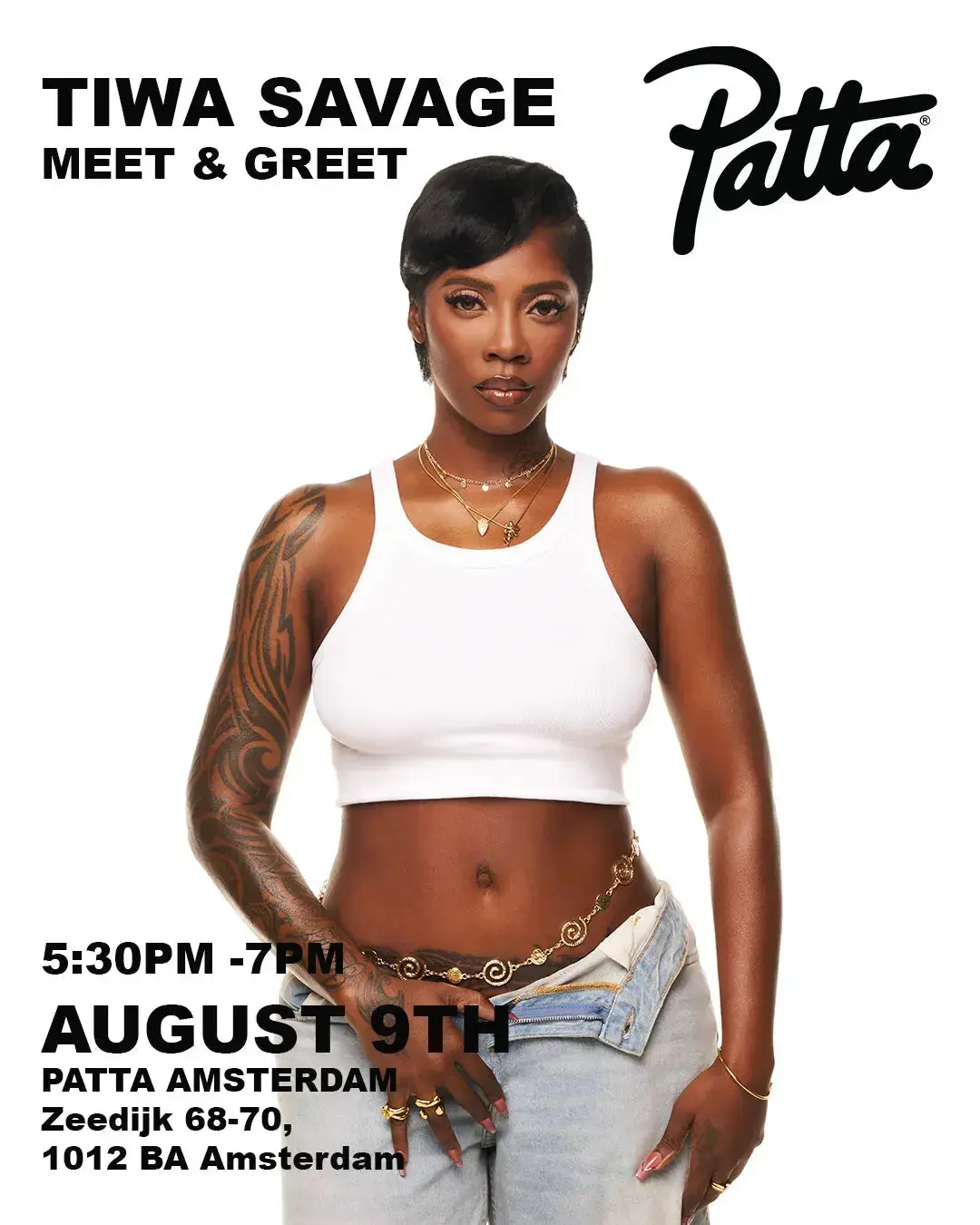
On Sunday August 9th, Patta's Amsterdam flagship turns over its floor to Tiwa Savage for a 90-minute meet and greet. It reads as a fan event. The store's own July feed says otherwise.
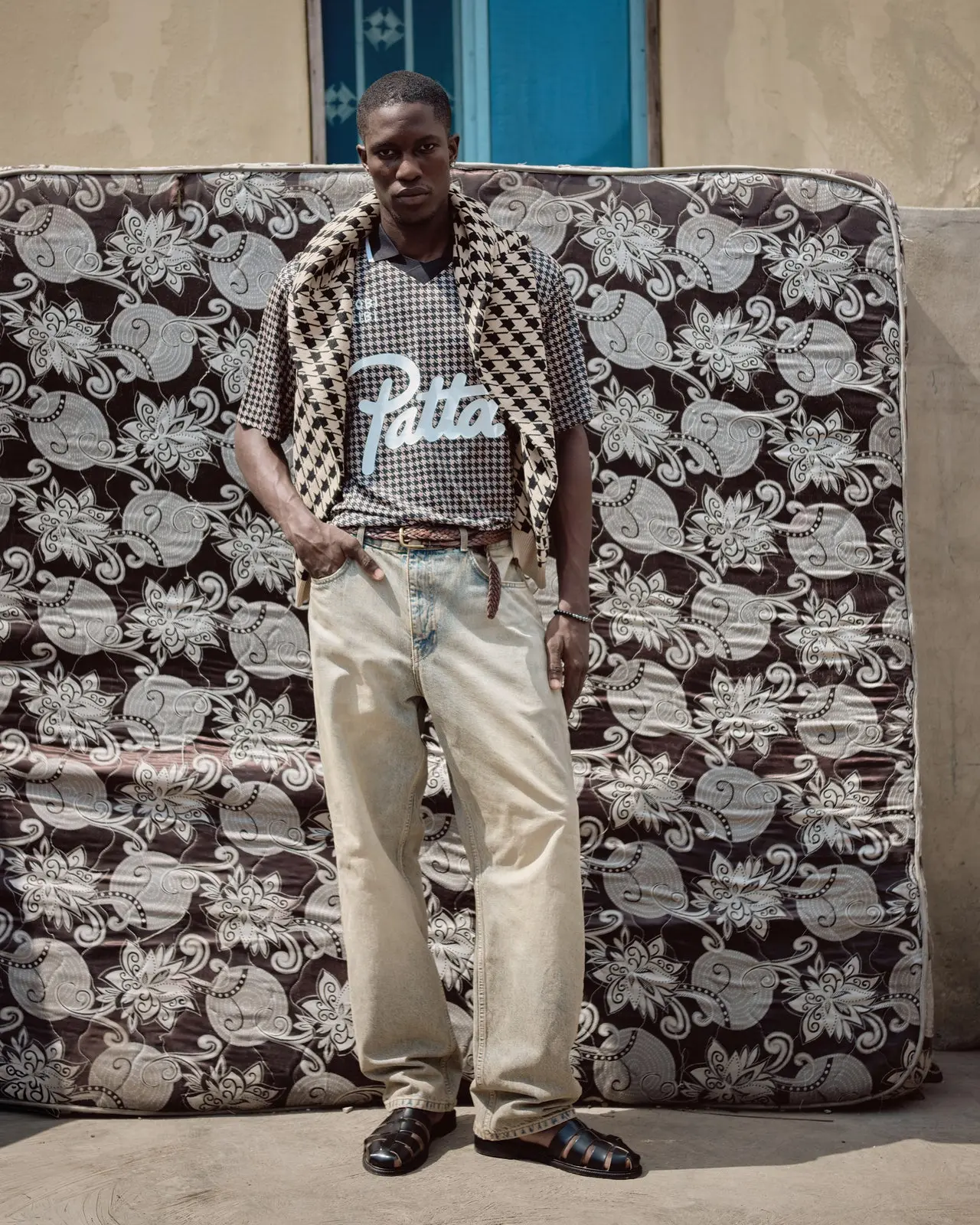
The Amsterdam streetwear institution's London outpost programs a conversation about music careers in the UK underground, positioning the retail floor as a venue for creative dialogue.
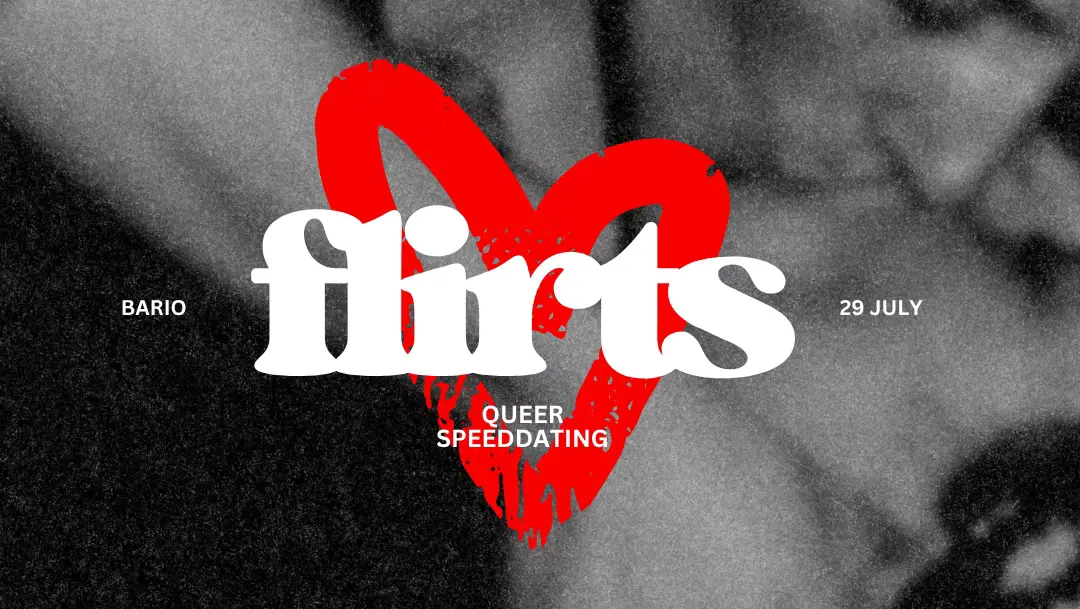
The streetwear retailer's Beyond Bario guide lists an exhibition opening and queer speeddating at its own address. The venue is not a gallery or a nightclub. It is a shop floor.
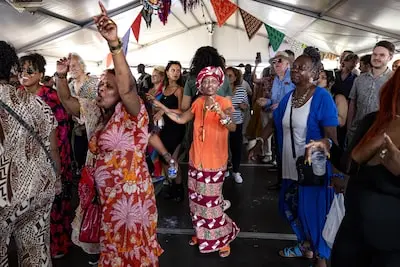
The festival that anchored Black cultural life in the Bijlmer since 1975 ends its run this summer, citing the gap between what the event means to its community and what the city's cost structure will sustain.
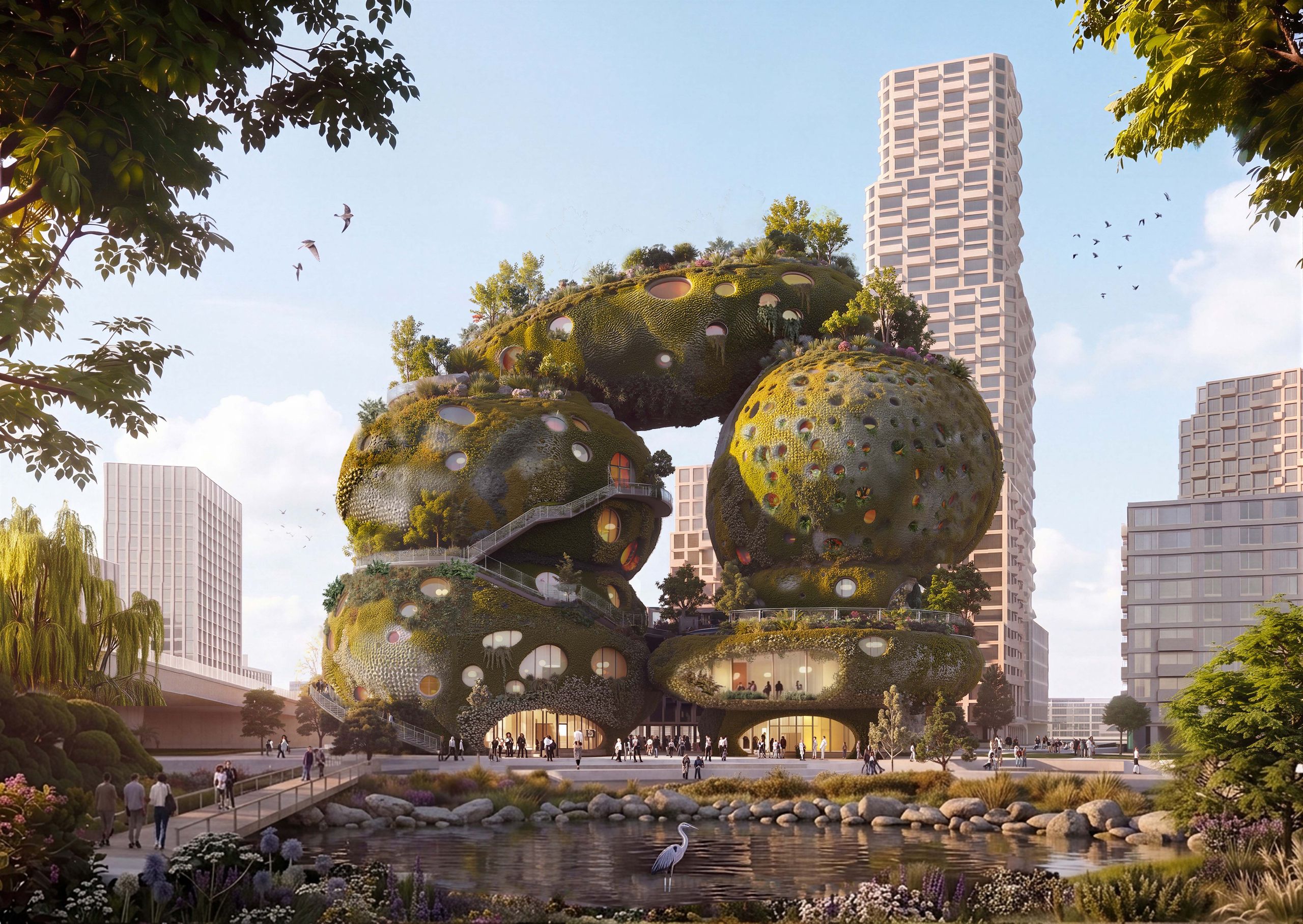
The Rotterdam-based firm's winning proposal for a sustainable landmark stacks civic, diplomatic, and hospitality functions into a single geological form, formalising the city's two-decade drift from port economy to architecture tourism.
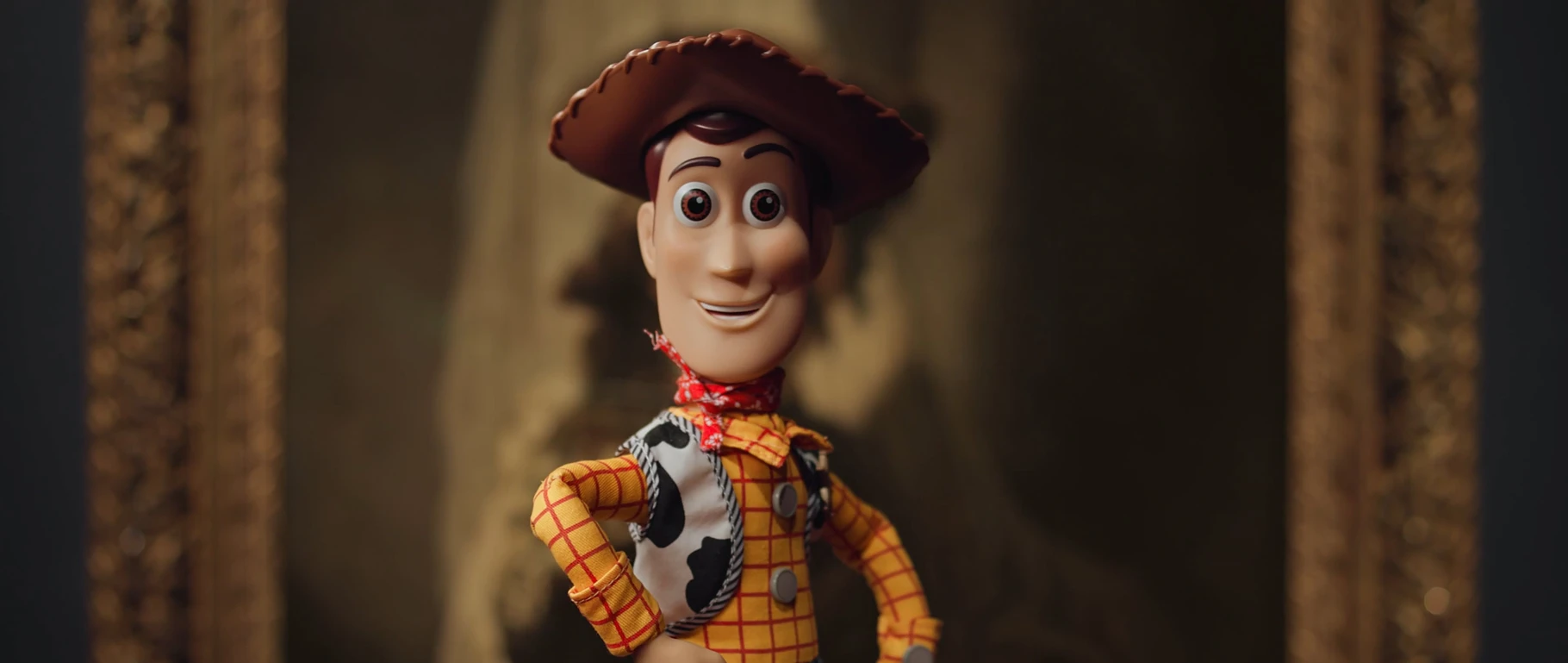
The national museum of the Netherlands is using Pixar characters to guide children through its permanent collection, a move that positions animated IP as interpretive infrastructure for seventeenth-century painting.
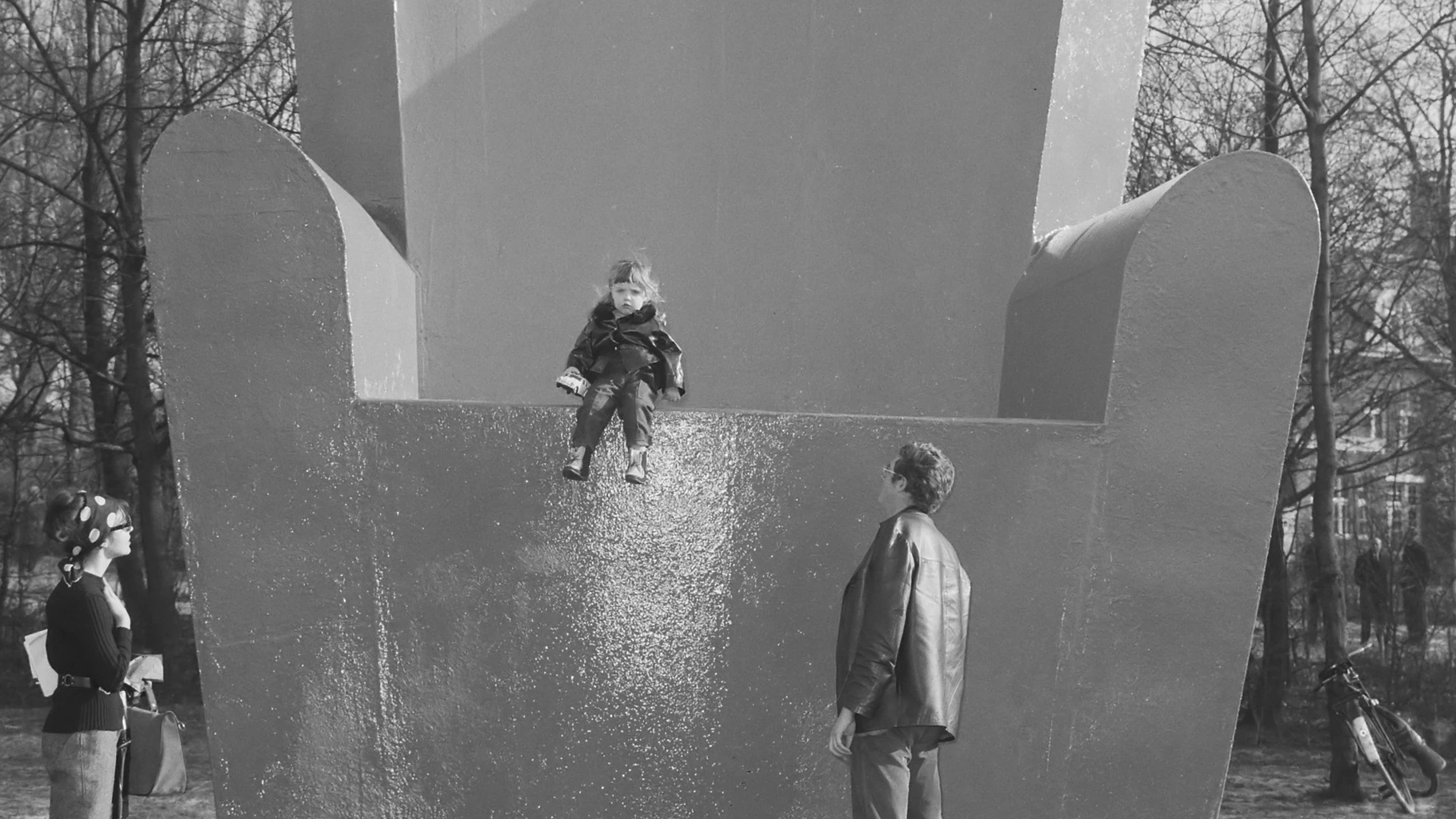
The Stedelijk is showing the final work of the artist who once dropped a peanut butter floor on its galleries. The circle is closing on Dutch conceptual art's most persistent institutional relationship.
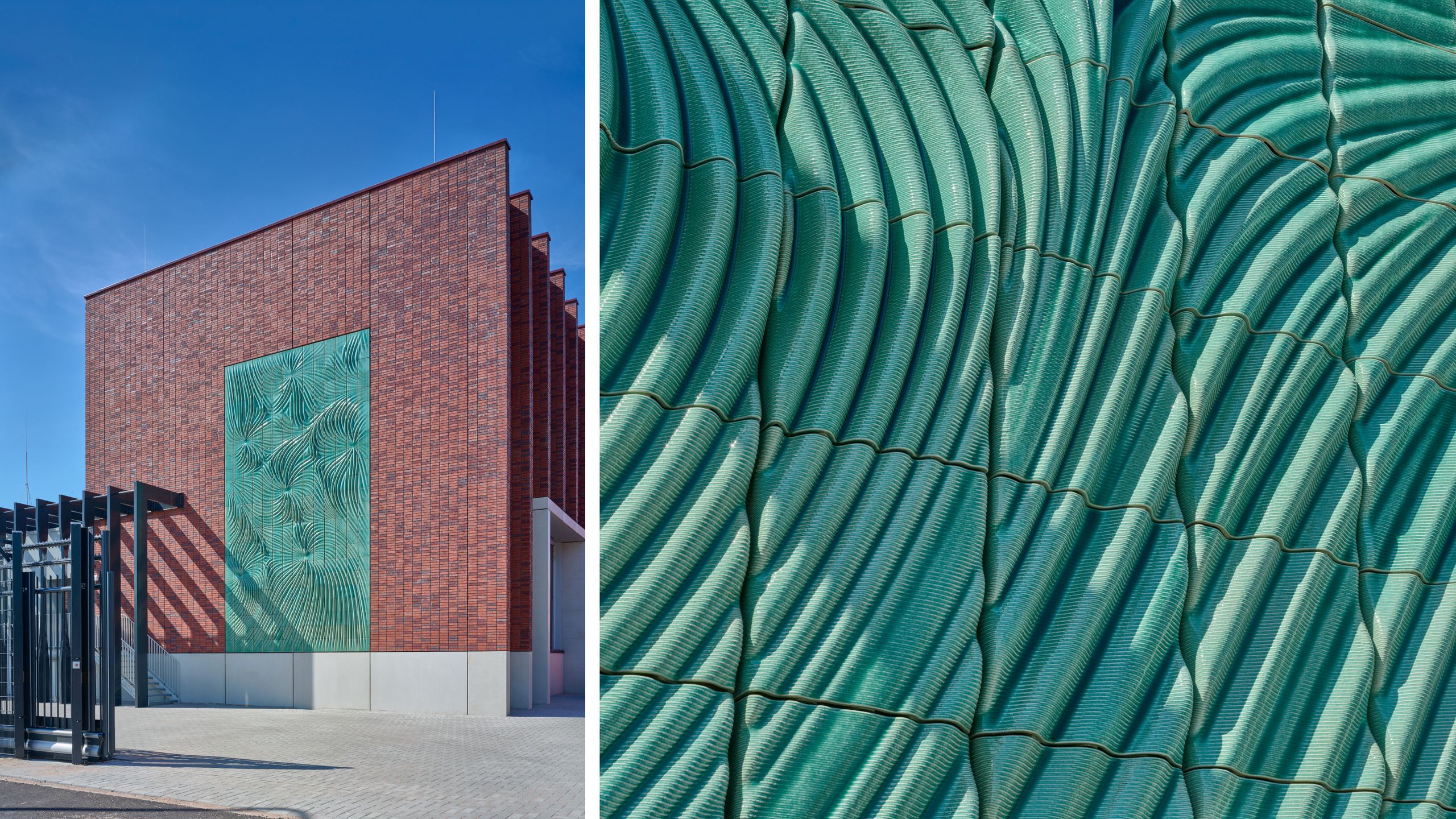
An eight-by-five-metre wall of robotically extruded clay tiles now wraps a TenneT transformer station in Beverwijk, visualising electromagnetic fields as ornament. The commission marks a quiet shift: grid operators treating infrastructure not as background but as civic gesture.
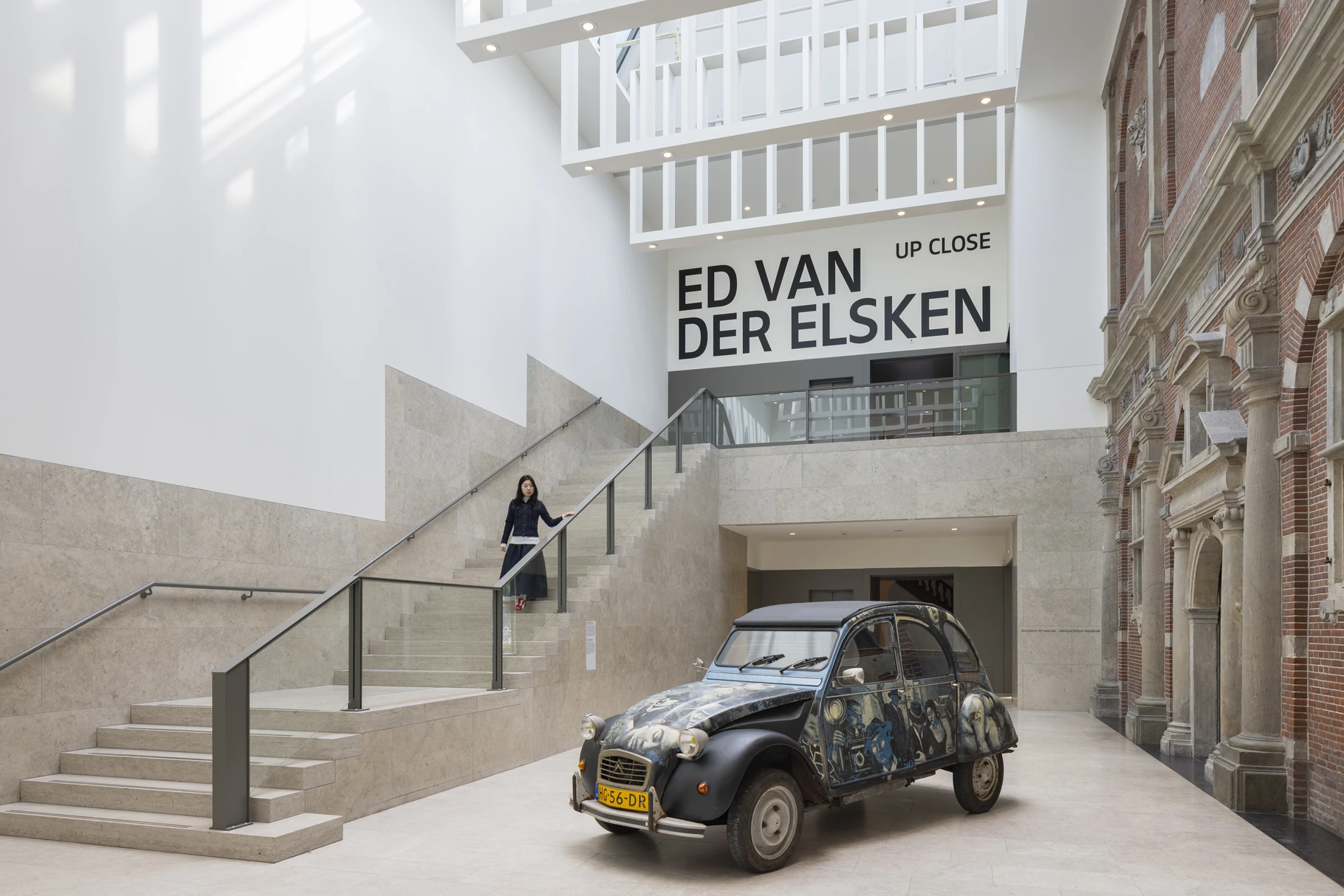
The museum that defines Dutch art history is preparing its first major Ed van der Elsken exhibition. The timing, decades after his death and years after international institutions claimed him, says more about institutional pace than artistic discovery.
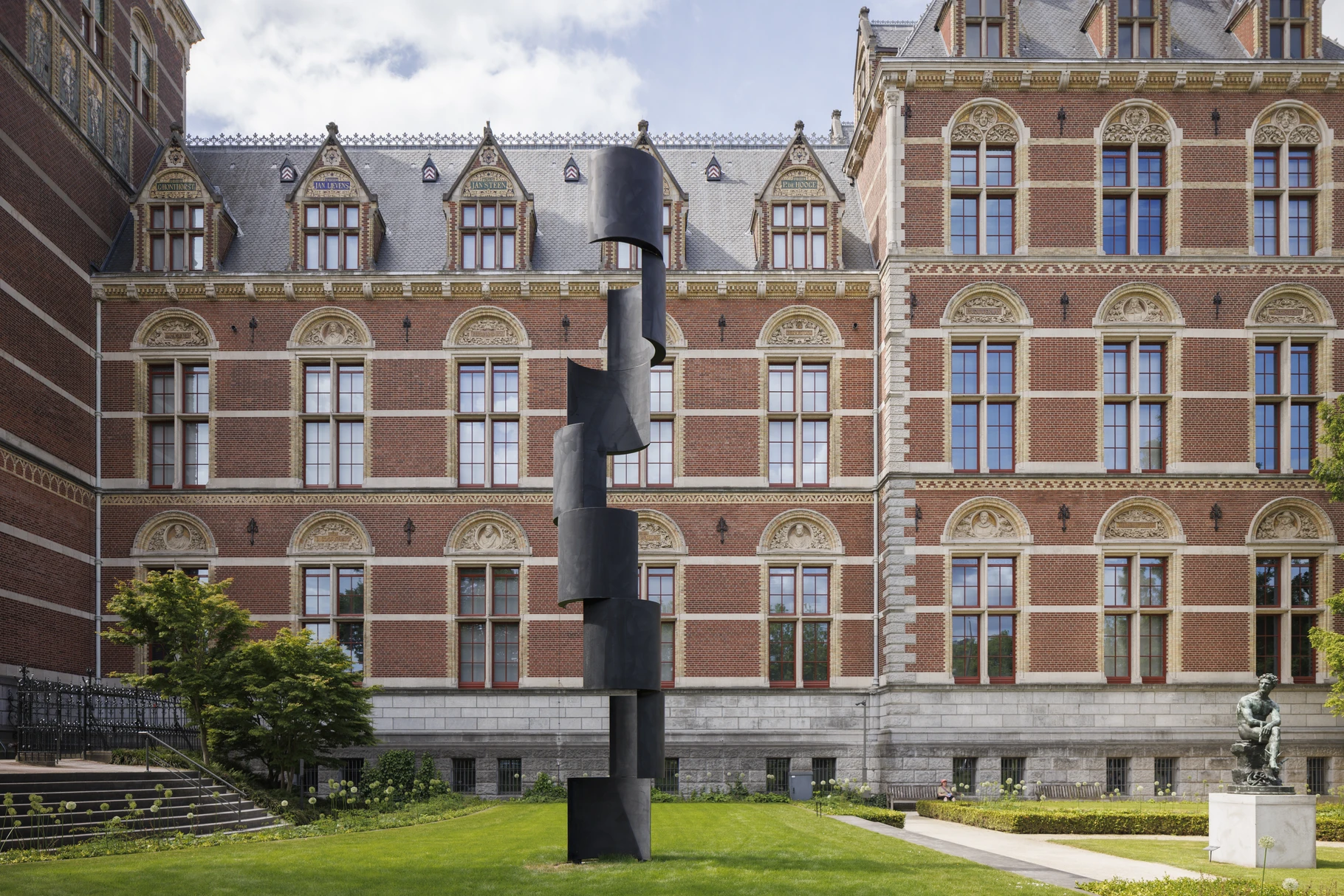
The museum known for Rembrandt and Vermeer is putting post-war steel and iron in its hedgerows. The move extends a quiet drift: from painting collection to spatial programming venue.
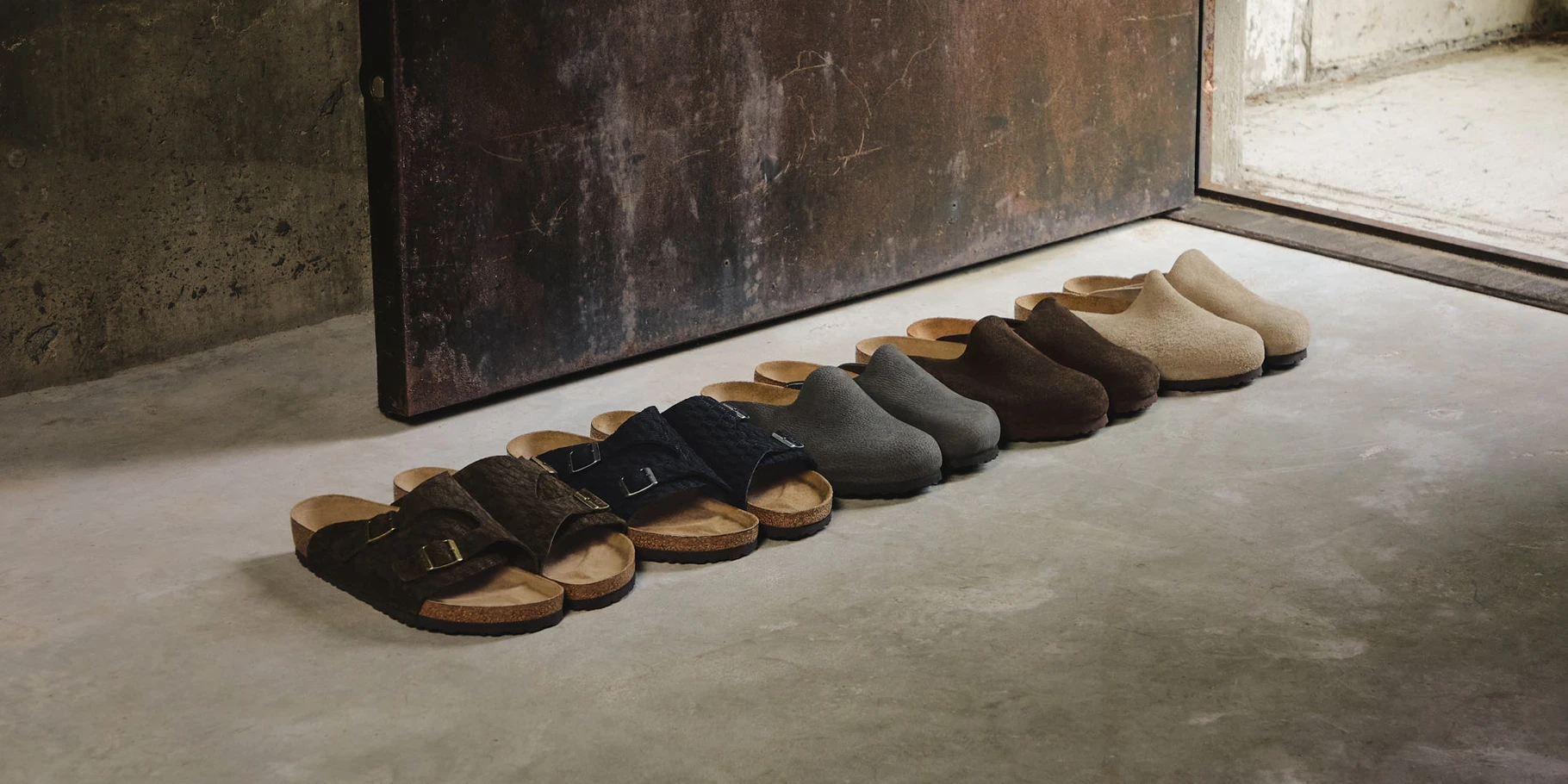
The New York retailer’s Summer 26 Birkenstock capsule includes a silhouette named after the Dutch capital. The product page, the campaign imagery, and the distribution all point elsewhere.
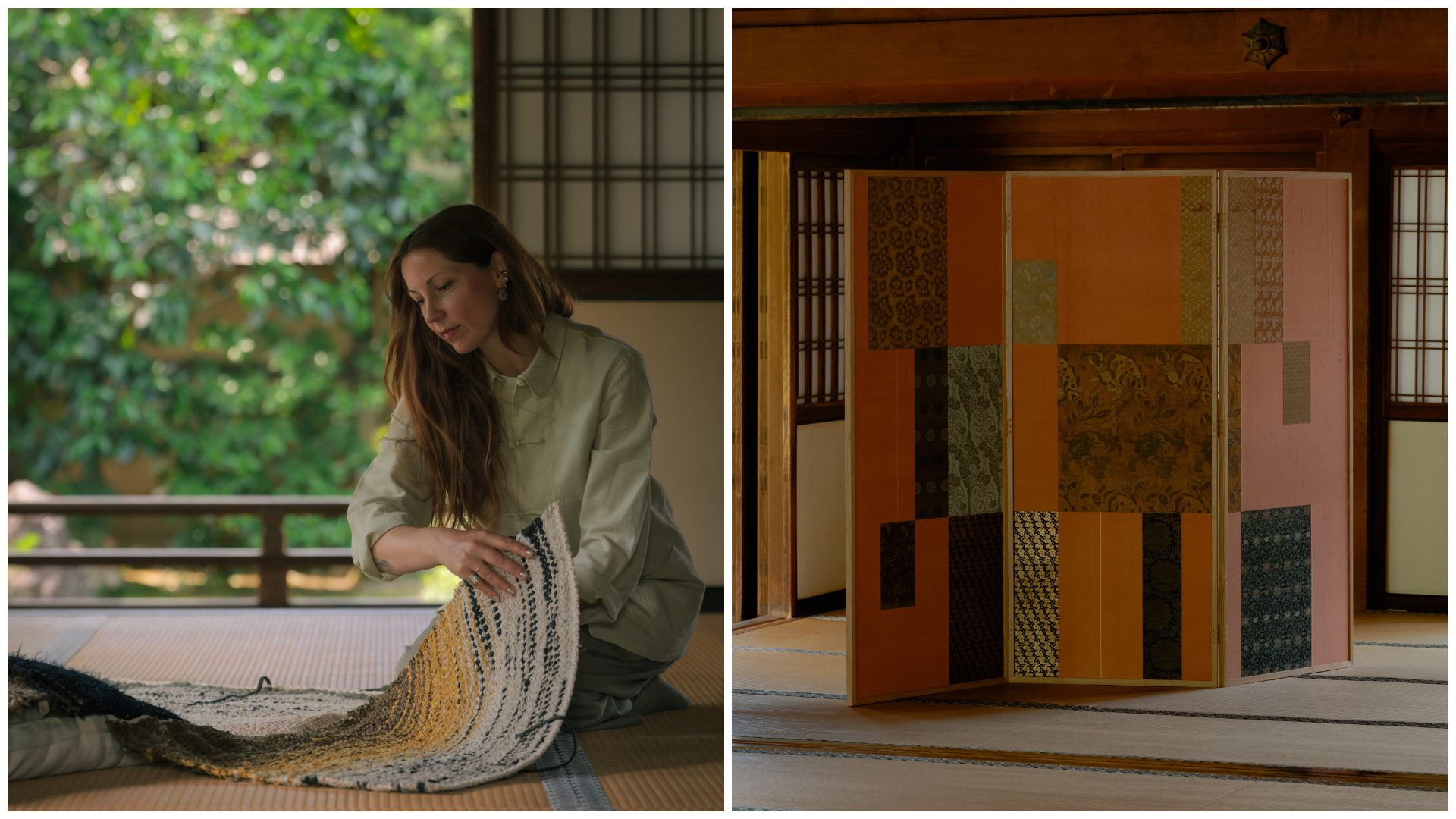
The Amsterdam designer's installation inside a 14th-century Zen temple marks a category crossing that repositions Dutch craft within sacred institutional space.
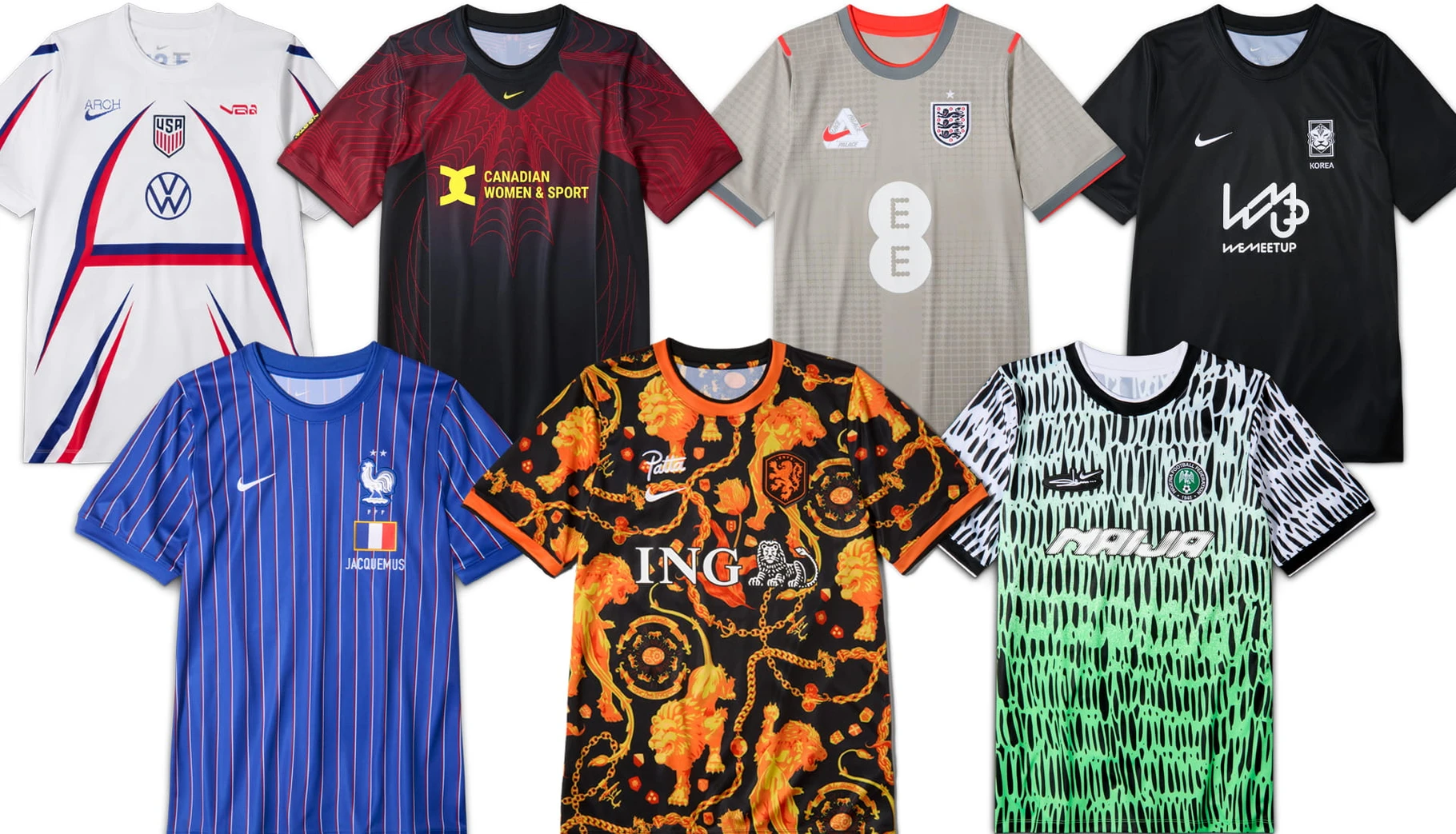
The Swoosh's seven-country designer collaboration shifts the conversation from match-day replica to lifestyle uniform, and Amsterdam's Patta is central to the argument.
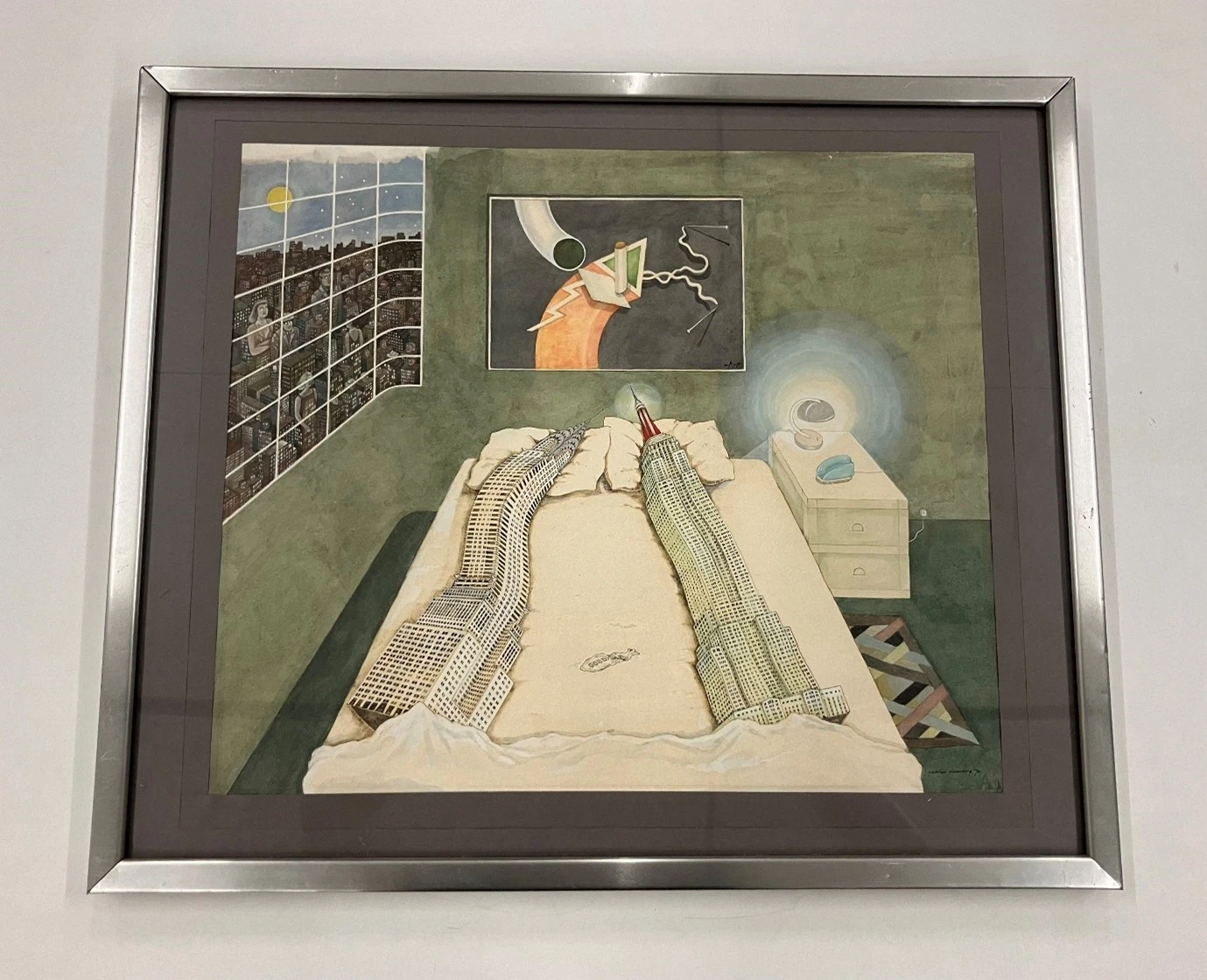
The co-founder of OMA and the visual architect of Rem Koolhaas's theoretical universe gets her first Dutch institutional survey at 81. The museum's description calls her work 'playful.' The architectural establishment has been citing it for fifty years.

The Amsterdam label built its name on minimalist leather footwear. Its new collaboration with Just Eat is a tracksuit range fronted by Clarence Seedorf and Xavi Simons, timed to the Champions League Final. The move reads less like a capsule and more like a category pivot.
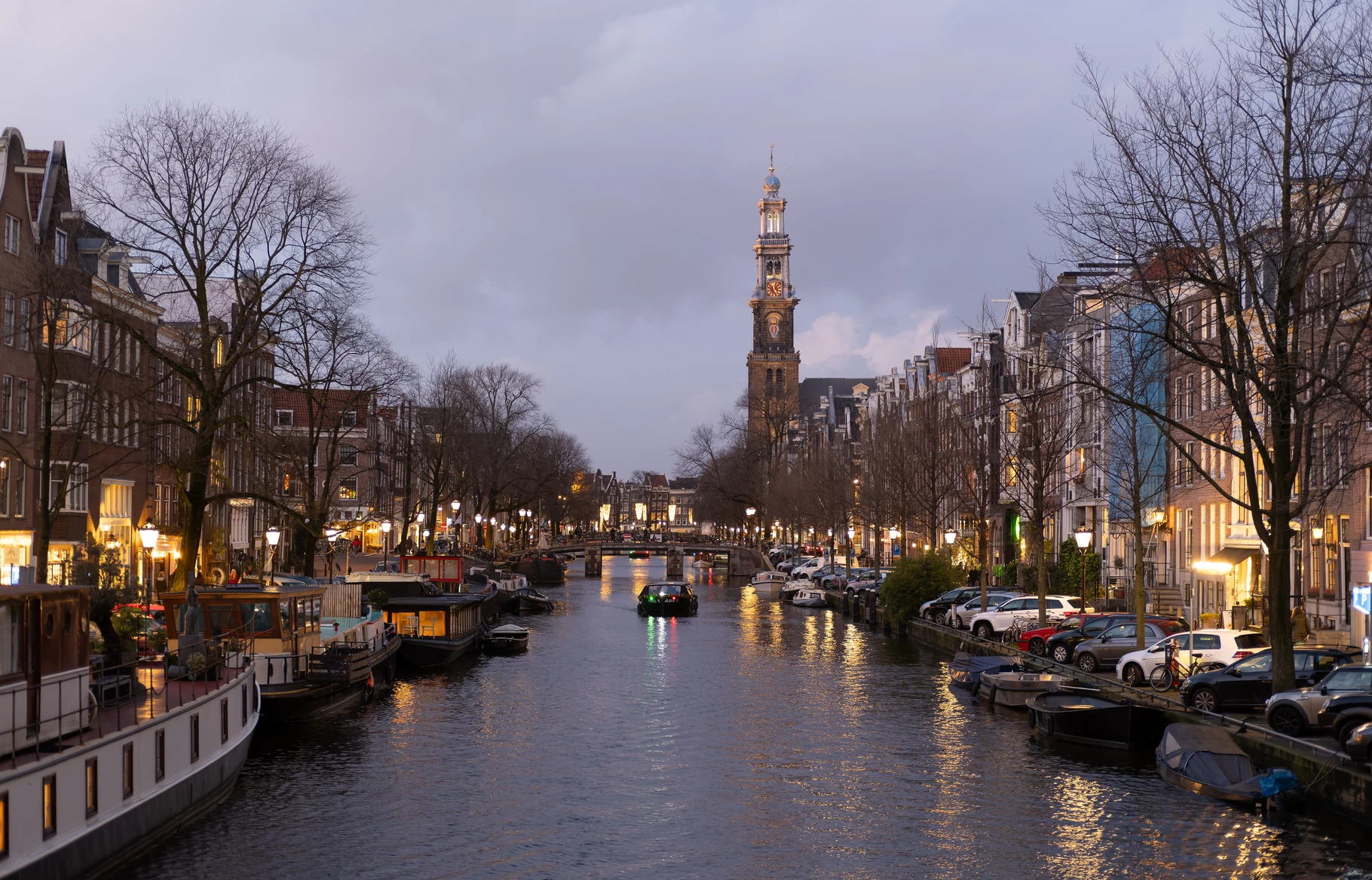
A proposal to open a crypt beneath the Westerkerk positions the 17th-century church as a heritage attraction. The pitch foregrounds Rembrandt, not Reformed practice, completing a drift that began decades ago.
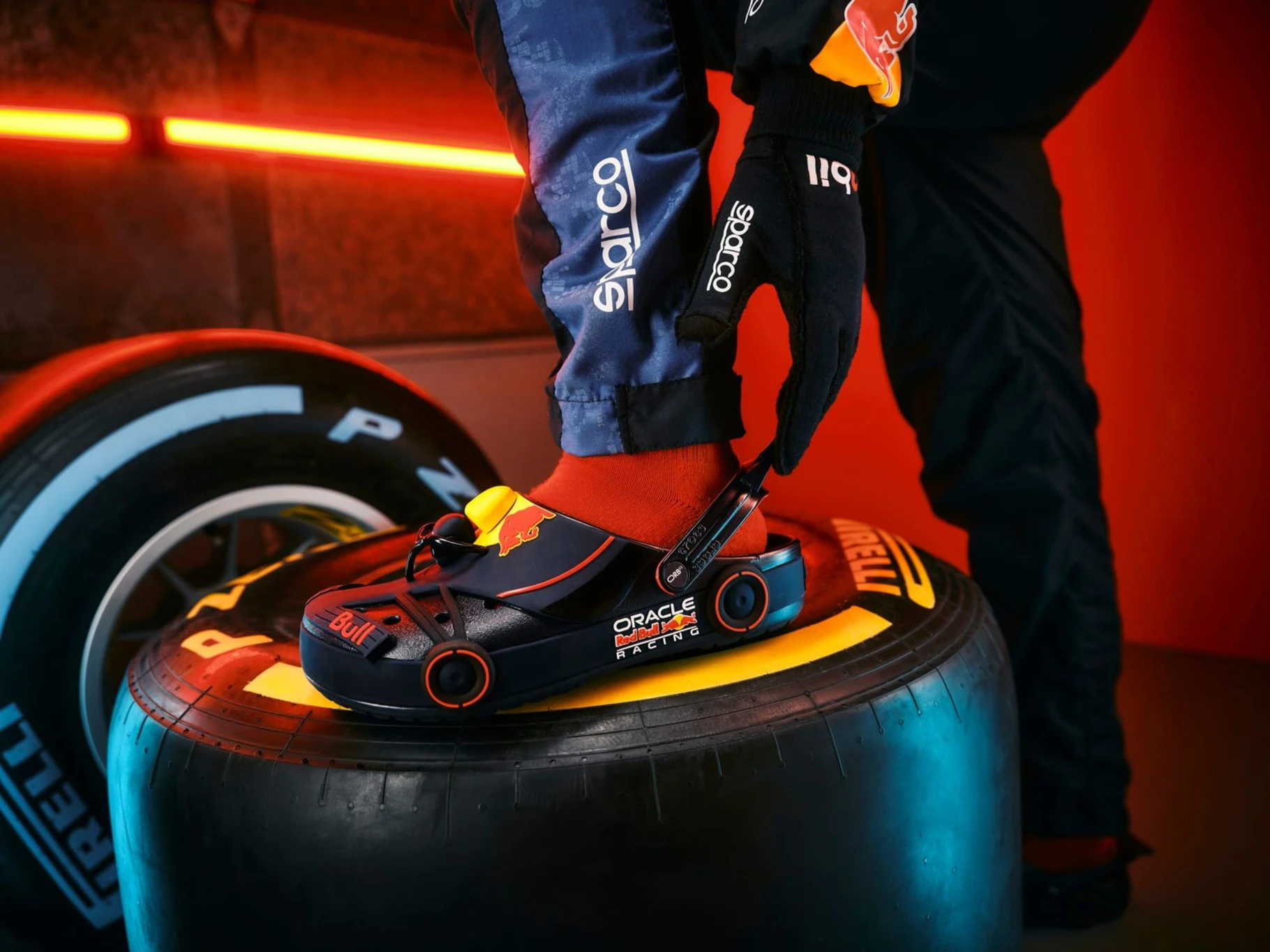
A Crocband clog with rear diffuser graphics and downforce-inspired venting arrives May 21. The Netherlands, where Max Verstappen merchandise outsells most streetwear drops, is the obvious market.

A volunteer-run video rental operation taking up residence in a national film institution is not a programming quirk. It is a repositioning.
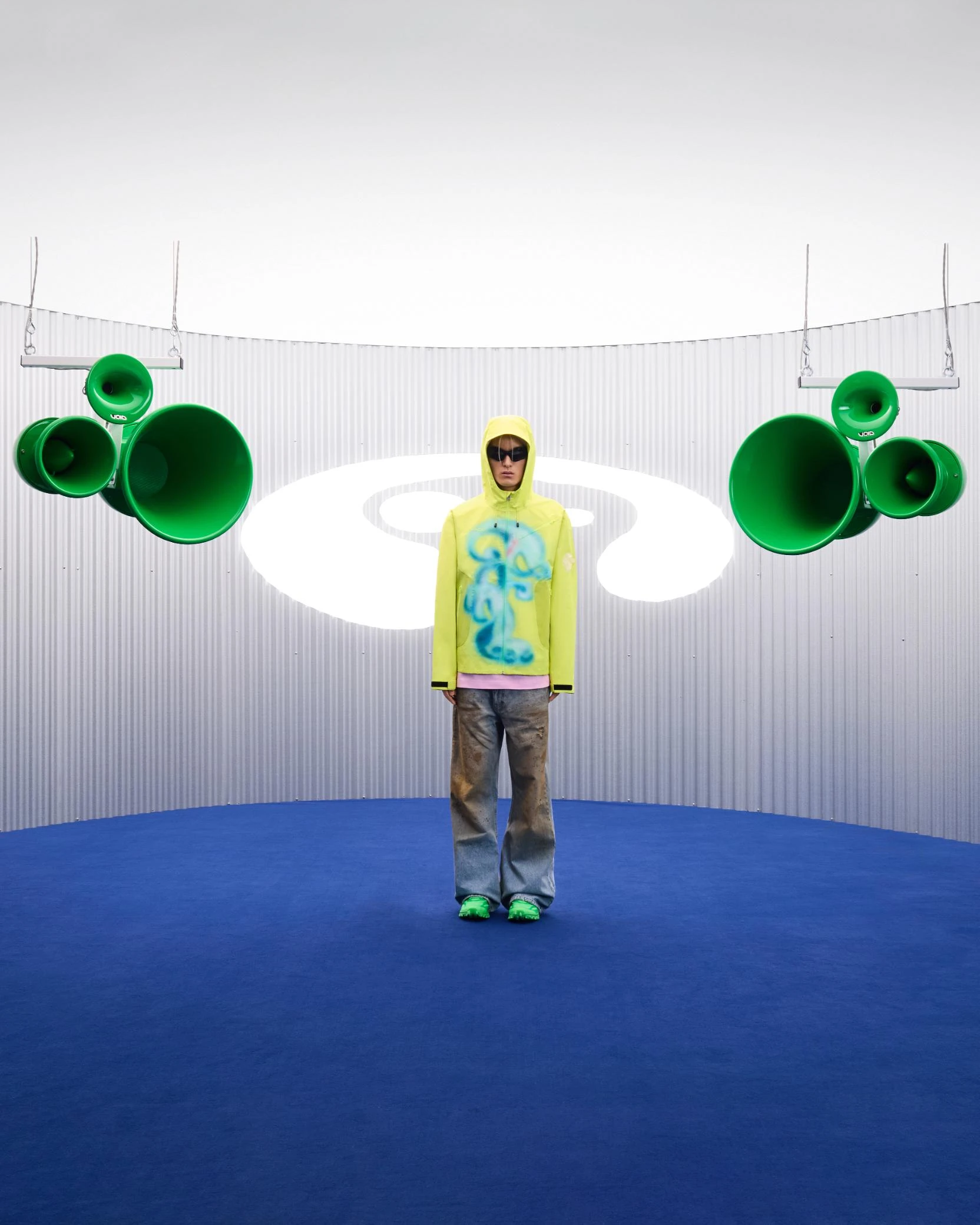
FLÂNEUR launched its electronic music project, FLÂNEUR MUSIC, alongside SS26. The studio livestream is permanent. The label is permanent. The press is still pricing the company as fashion.

The new venue takes the Jan van Breemenstraat address that has sat empty since De School closed. It is a club. It is also a queer gym, a tattoo studio, and artist exhibition space. The press is treating it as a club opening. It is structurally something else.

The Patta x Nike Netherlands kit for the 2026 World Cup ships this month. The collaboration is two decades in the making and the language we have for it is still wrong.

The brand released the final drop of its SS26 OFF-ROAD collection at the end of April. Cargo, technical, layered, three drops over a season. The cadence is fashion-house. The press is still pricing it as streetwear.

Yotam Ottolenghi's first Amsterdam restaurant opened on March 19 inside the Conservatorium. The menu is vegetable-forward, fermentation-driven, fire-cooked. Dutch dining has been operating in this vocabulary for twenty years. The compression is the price.

Eighteen euros. Listed alongside the apparel. The brand is leaning into a vocabulary most Amsterdam streetwear is leaning out of, and the AMFI feed is buying it.
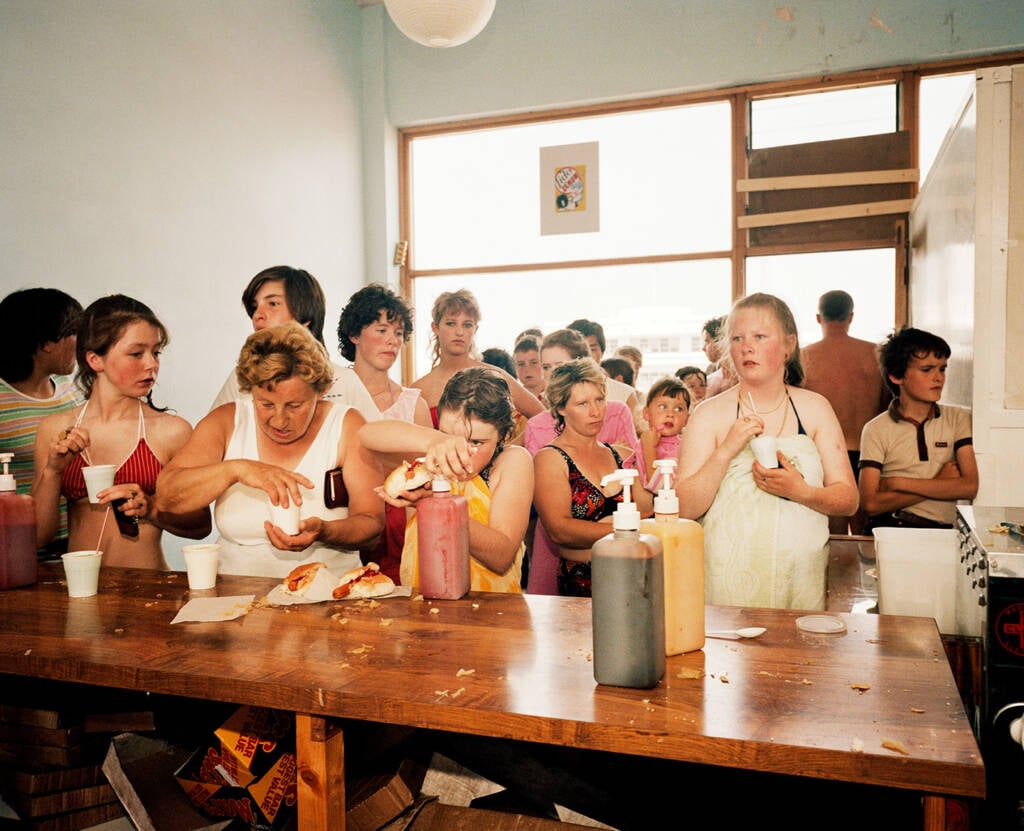
“Very Modern and Rather Ugly” opened at FOAM on April 3. Parr has been a Magnum photographer since 1994 and a satirical-documentary canon since the 1980s. The Netherlands has not given him a solo museum show since the early 2000s.
A structural read on what's shifting in Amsterdam's culture. Not what happened. What's happening, and what it means before it's obvious. English-language. Published daily.
Fashion, hospitality, nightlife, institutions, music, design, architecture, emerging scenes. If it's already consensus, we're not writing about it. The Index tracks the gap between what's actually moving and what's being reported.
Two senior writers and three junior scouts embedded in the platforms and rooms where signals surface first. The senior desk writes the analysis. The scouts file from the floor.
At least once daily, 07:00 CET. On rich days, more. We'd rather skip a day than publish something thin.
Five reading frames, applied structurally. Drift: something crossed into adjacent territory. Lag: operations outpaced their description. Preference gap: presence and choice diverge. Niche compression: specialist vocabulary collapsed into mass shorthand. Lead time: a move landed before the cycle that will eventually name it. Every piece names its frame. The frame is the argument.
quellan.io. Three editions daily covering culture, fashion, hospitality, sport, and music globally.
Every piece on the Index Amsterdam invokes one of five reading frames as its structural argument. We name them in plain English: drift, when a brand or institution has crossed into adjacent territory; lag, when the speed of operation runs ahead of the description; preference gap, when presence and choice diverge; niche compression, when specialist vocabulary collapses into mass-market shorthand; lead time, when a move arrives months before the press cycle catches it.
We quote and credit other publications when their reporting frames a story. We do not paraphrase as our own. The reader walks away with one fact, one connection, or one repeatable sentence they did not have before.