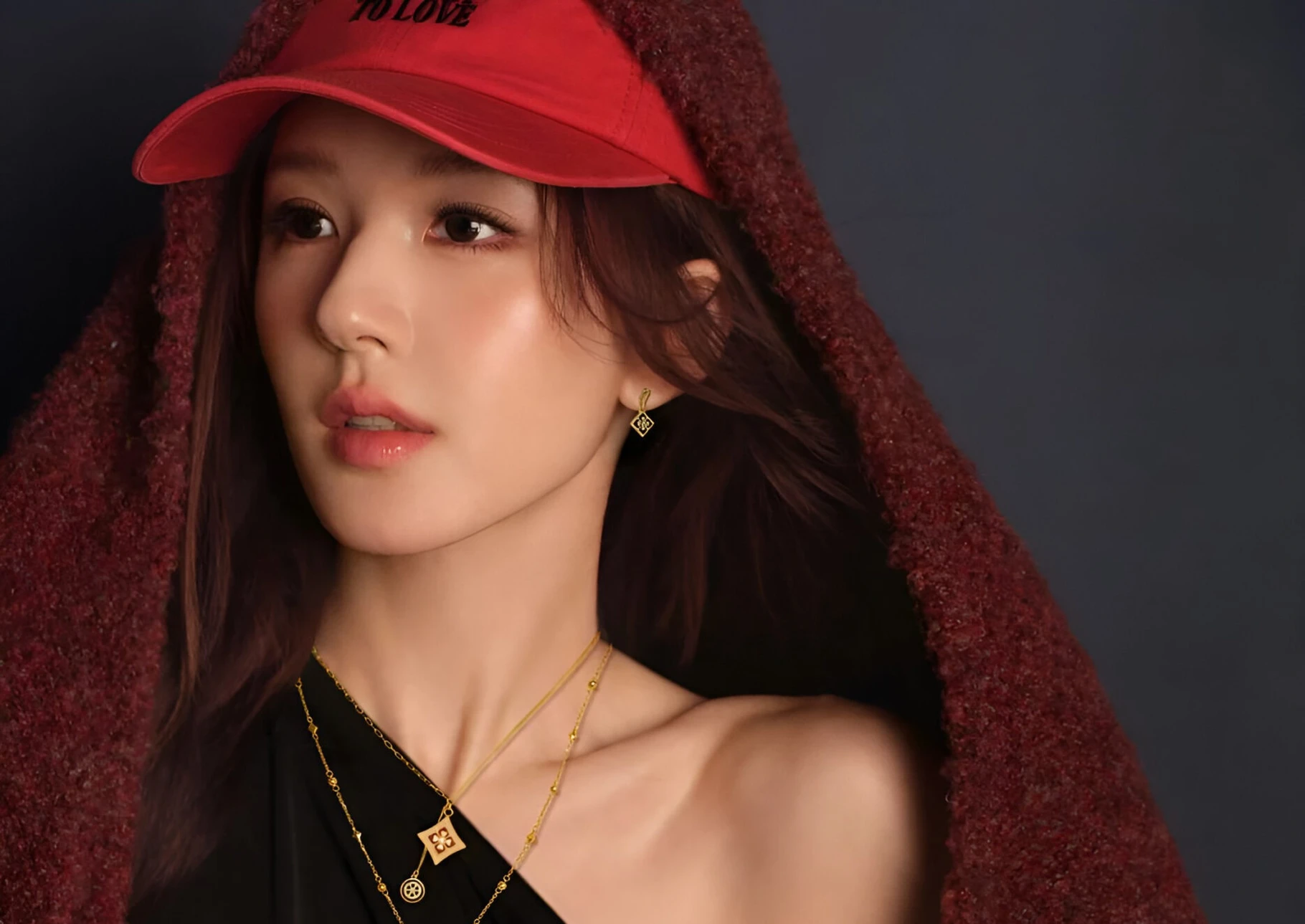
Valentino named Chinese actress Zhao Lusi global brand ambassador on November 18, timed to land on her birthday. The mechanism by which an ambassador announcement actually converts to preference is sequencing: whoever controls when the public first sees the pairing controls whether the news reads as validation or as confirmation of something fans already decided for themselves.
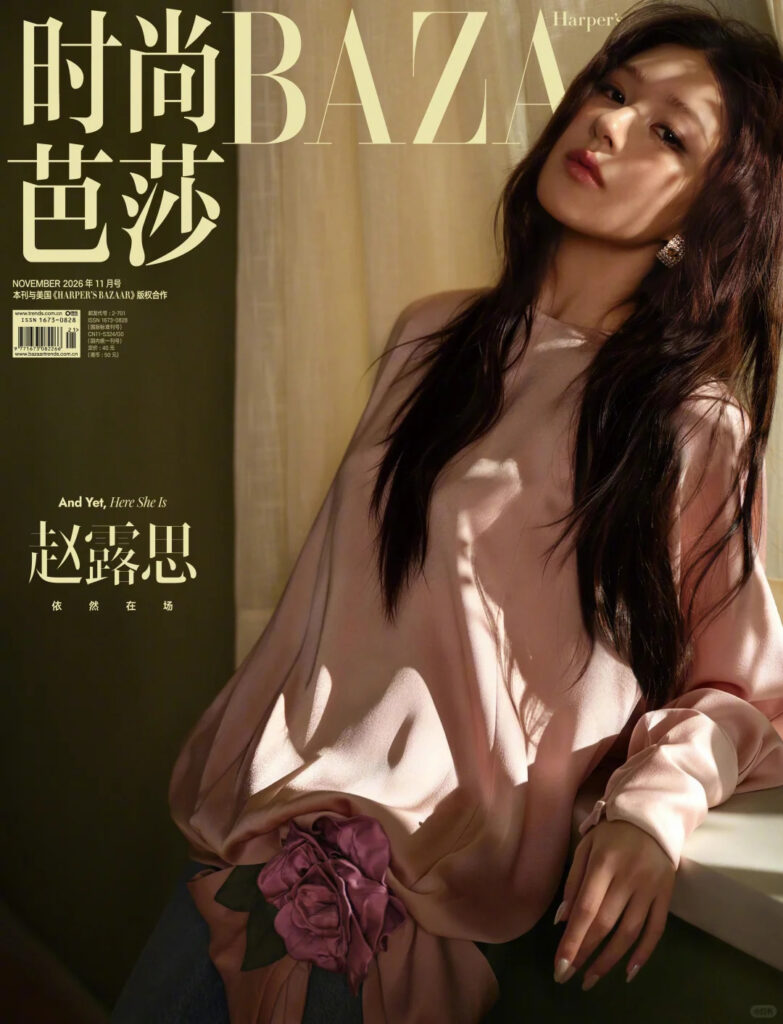
In this case, Valentino lost control of the sequence. A week before the brand's own statement, Zhao Lusi had already appeared on the November cover of Harper's Bazaar China dressed in the house's pieces, a cover the brand did not commission or distribute. By the time the formal ambassador title arrived, the audience that mattered, the one deciding whether to buy into the pairing, had already rendered a verdict based on the magazine's framing, not Valentino's. You have seen this shoe before: a title gets conferred on a star whose fit with the brand the public has already litigated through unofficial channels, so the announcement functions less as news and more as paperwork.
This is not a failure of planning so much as a structural fact of how fast fan ecosystems move relative to brand calendars. A Chinese actress with the reach Zhao Lusi commands generates image cycles that magazines and fan accounts can turn around in days. A European luxury house naming a global ambassador involves legal review, campaign production schedules, and corporate sign-off that runs on a different clock entirely. The gap between those two clocks is where the cover ran ahead of the contract.
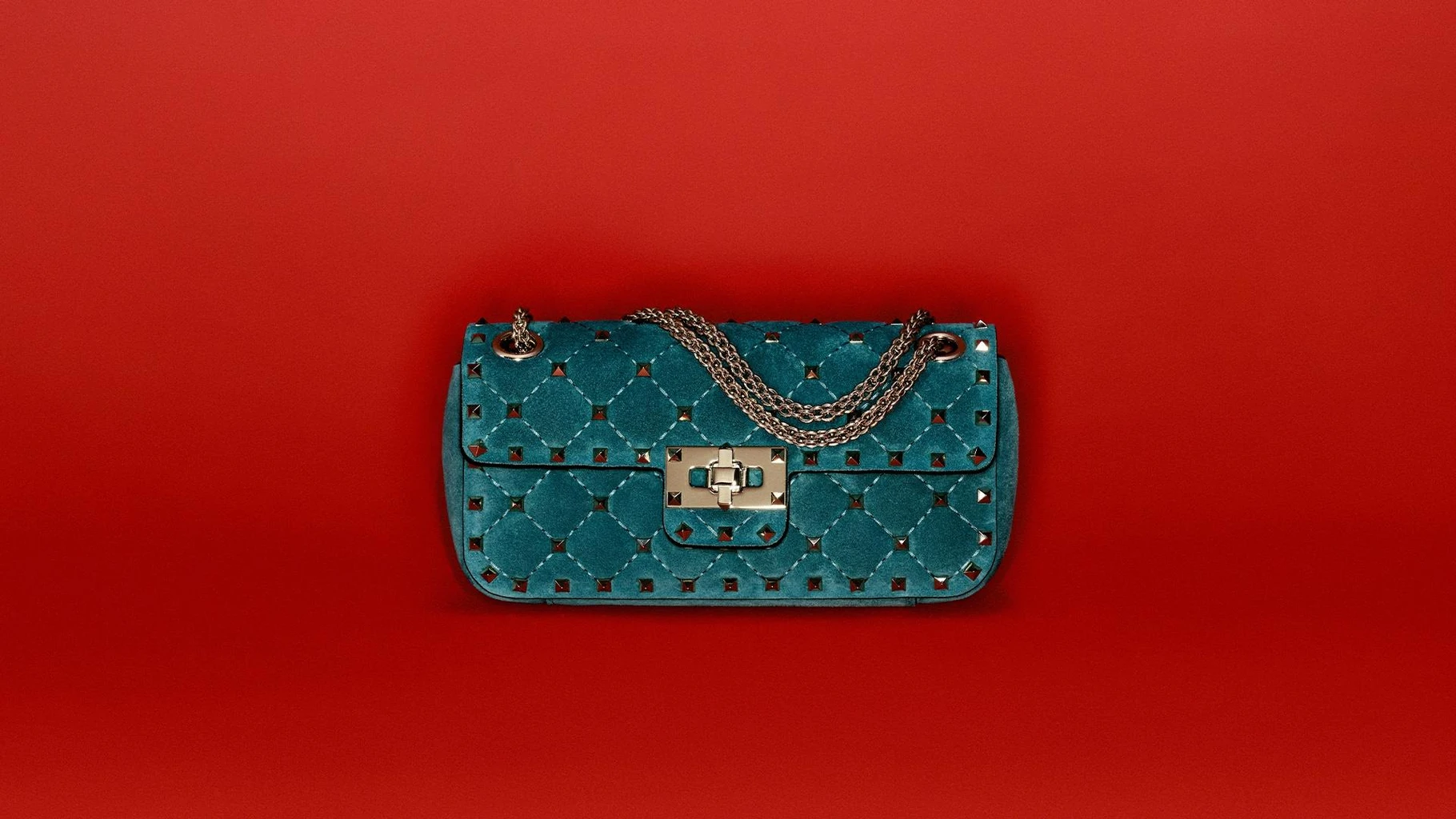
The sequencing problem is visible in the two images sitting side by side: a magazine cover Valentino did not commission, followed by a Cruise Holiday campaign Valentino did. One audience saw Zhao Lusi in the house's pieces and drew its own conclusion. The other audience, the one reading Valentino's own statement, arrived after that conclusion had already hardened into consensus.
That ordering strips the announcement of its usual function. An ambassador title is supposed to introduce a pairing and shape how the public receives it. Here the public received the pairing through Harper's Bazaar China first and the brand's statement second, so the title can only confirm a reading the audience already settled on through the magazine's framing rather than the house's own campaign imagery.
What the house controls from here is narrower than it would have been a week earlier. Valentino can still shape the Cruise Holiday rollout and the campaign imagery built around it, but it cannot retroactively claim the cover, and it cannot undo the fact that the fit between actress and brand was litigated by fans and magazine editors on a faster clock than the corporate one that produced the birthday-timed announcement.
Zhao Lusi was visible in Valentino a week before Valentino said her name, and that order is the story. Track Valentino's China sell-through data through February 2027 against the engagement the Harper's Bazaar China cover already generated: if retail stays flat while the cover's numbers hold, the ambassador title did less work than the unofficial image did first. Watch the sell-through data, not the press release.