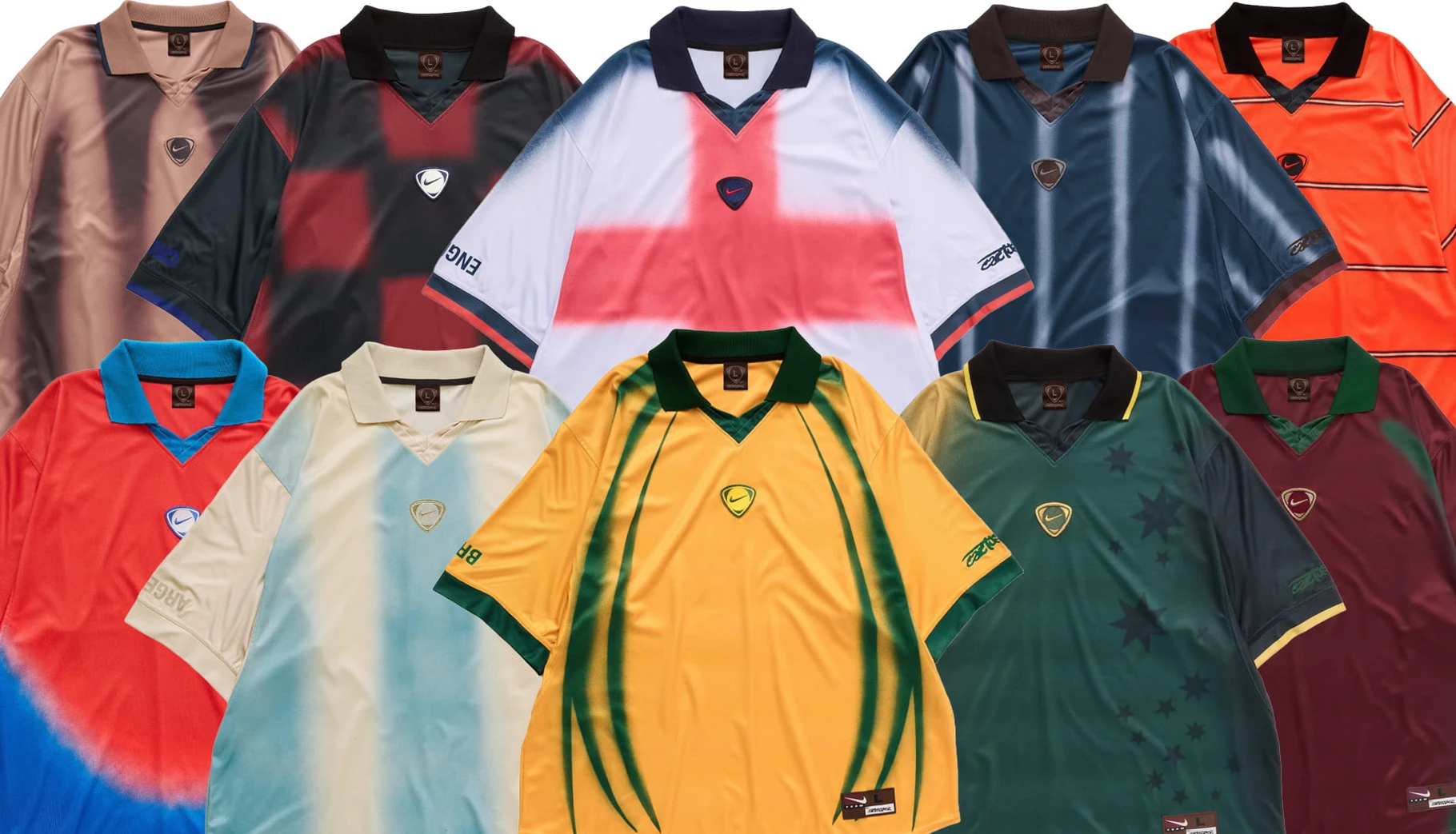
Travis Scott's Cactus Jack x Nike Total 90 collection releases today, June 11, the same day the FIFA World Cup 2026 kicks off. The timing positions Scott's collaboration as the opening salvo in Nike's tournament campaign, a role the brand has historically reserved for athlete partnerships and federation kits rather than celebrity collaborations.

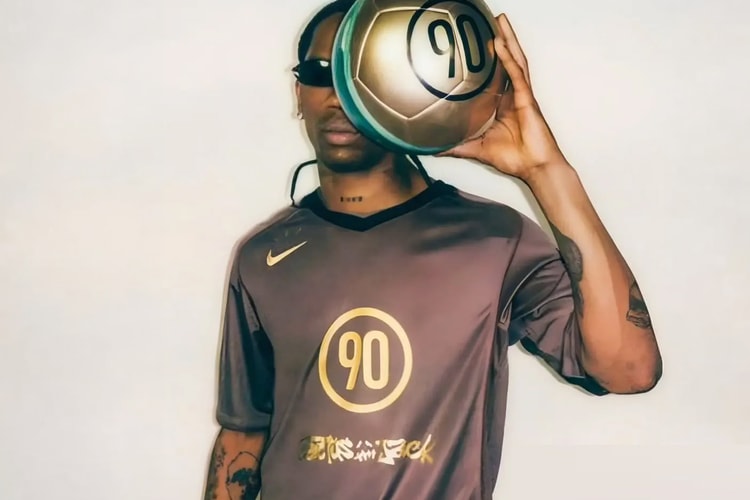
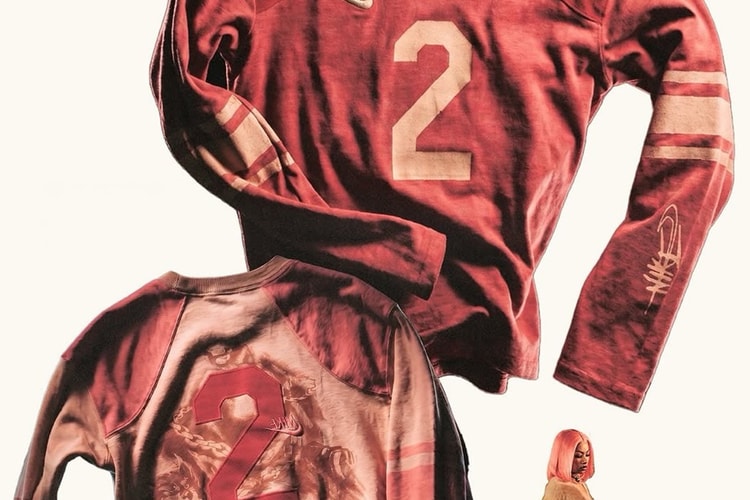
The collection centers on a green Nike Phantom 6 Low and a brown Total 90 jersey, both of which Scott has previewed through on-foot appearances and Nike's broader "Rip the Script" campaign throughout 2026. Nike has not issued a formal announcement beyond Scott's own confirmation, a promotional strategy that inverts the typical collaboration rollout. The reveal happened through the collaborator rather than the brand.
The strategic function here is legible. Nike enters the World Cup facing a preference problem the Index has tracked across multiple pieces this year. The brand's presence in football remains vast, its preference among younger consumers less certain. Scott's audience skews younger than Nike's core football consumer base. The T90 collection bridges that gap by wrapping football product in a collaborator whose cultural position is strongest exactly where Nike's football credibility is weakest.
Total 90 itself carries specific generational weight. The line defined Nike football aesthetics from 2000 to 2010, a period when Scott's core audience was either not yet born or too young to have participated in the original product cycle. The revival reads as archival to consumers who experienced it firsthand and as discovery to those encountering it for the first time. Nike gets to run both narratives simultaneously.
The collection also arrives after a year of Scott previewing pieces without formal release dates, a slow-burn visibility strategy that diverges from Nike's typical collaboration cadence. Most Nike collaborations announce, build anticipation through controlled leaks, then release within a defined window. Scott's T90 rollout reversed the sequence: visibility first, announcement later, release timed to an external event Nike does not control.
That external event is the key variable. The World Cup provides a promotional substrate that requires no additional spend. Every football conversation for the next six weeks becomes ambient marketing for the collection. Nike does not need to buy attention when the tournament supplies it for free. Scott's collection rides that wave rather than generating its own.
Whether the collection converts presence to preference remains the open question. The audience Scott commands and the audience Nike needs to reach in football are not identical sets. The overlap is the bet. If it works, Nike has a template for addressing preference gaps through collaborator selection rather than product innovation. If it does not, the collection becomes another data point in the ongoing case study of cultural presence failing to translate to commercial preference.