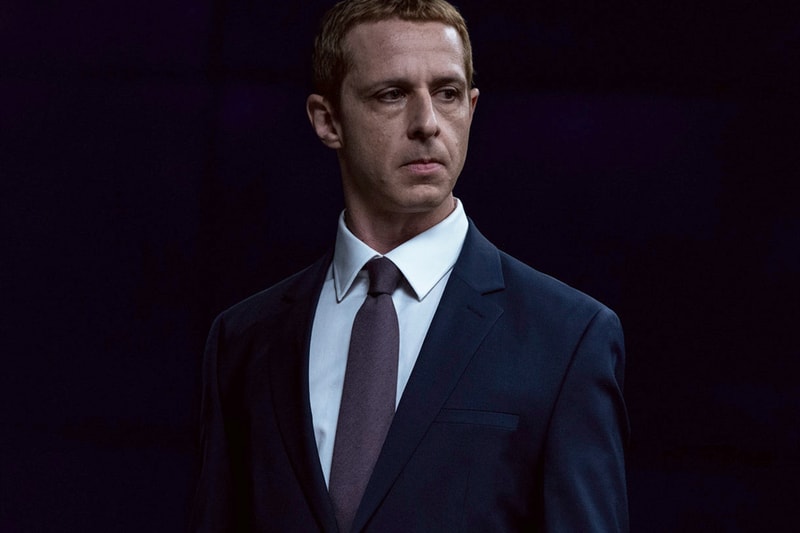
Sixteen years after The Social Network made a campus drama out of Facebook's founding, Sony Pictures has released the first trailer for The Social Reckoning, Aaron Sorkin's sequel covering the 2021 Wall Street Journal investigation that became "The Facebook Files." The film arrives in a cultural moment when platform accountability stories have migrated from tech blogs to prestige awards slates, and Sorkin's return signals studio confidence that there is still audience appetite for the Facebook origin myth, even as the platform itself has receded from daily discourse.
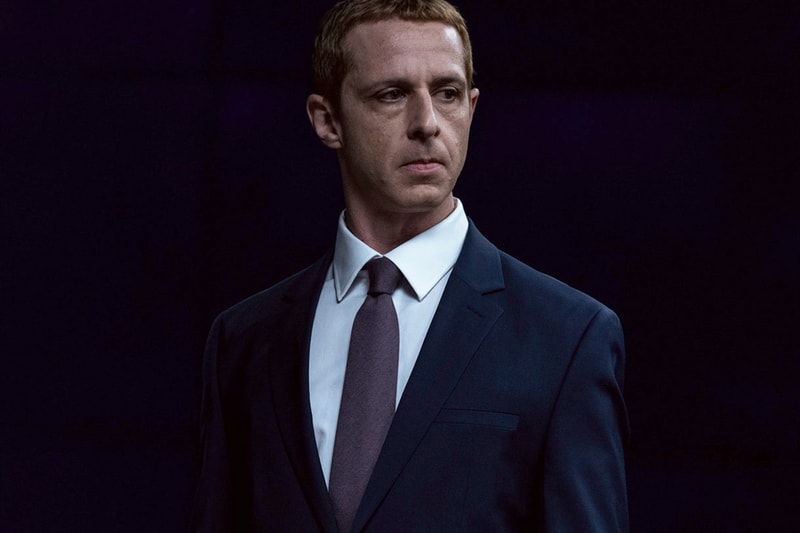
The casting shifts are notable. Jeremy Strong replaces Jesse Eisenberg as Mark Zuckerberg. Mikey Madison plays Frances Haugen, the former Facebook product manager whose internal document leak powered the Journal's reporting. Jeremy Allen White takes the role of Jeff Horwitz, the reporter who broke the story. The ensemble suggests Sony is positioning the film for awards consideration: Strong is fresh off Succession's final-season dominance, Madison from Anora's critical reception, White from The Bear's Emmy streak.
What the trailer establishes, and what the casting reinforces, is a familiar Sorkin structure: the story will be told through the people who built and exposed the system, not the people who experienced its downstream effects. The Facebook Files documented how the platform's algorithmic amplification harmed teenage mental health, facilitated ethnic violence in developing markets, and spread medical misinformation during a pandemic. Those populations, the ones who absorbed the consequences, do not appear to be the film's protagonists.
This is not a flaw in execution. It is a structural feature of how Hollywood packages platform accountability. The 2010 film made Eduardo Saverin's lawsuit the emotional spine. The sequel appears to make Haugen's congressional testimony the climax. Both are stories about insiders, people who had access to the building and chose to walk out with documents. The communities in Myanmar, the teenagers tracked by Instagram's internal research, the healthcare workers fighting vaccine misinformation: they become context, not character.
Sorkin has been transparent about his method. He writes what he calls "behind the curtain" stories, narratives that derive tension from showing audiences how institutions actually operate versus how they present themselves. The Facebook Files were genuine investigative journalism, and Haugen's decision to go public carried real professional and legal risk. The film is not misrepresenting the record.
But the casting math tells its own story. Three above-the-title roles go to the founder, the whistleblower, and the reporter. The advertising-targeting systems, the content-moderation contractors in Manila and Nairobi, the researchers who flagged problems internally for years before Haugen acted: they are, at best, supporting players. Hollywood's appetite for platform-accountability narratives remains strong. Its appetite for centering the people those platforms harmed remains underdeveloped.
The Social Reckoning will likely perform well with critics and awards voters. It will generate conversation about tech ethics and journalistic courage. What it will not do, based on the trailer Sony has released, is shift the camera from the people who wrote the code to the people who lived with its consequences. That gap between institutional storytelling and ground-level experience is not unique to this film. It is the gap the prestige-drama industry has yet to close.