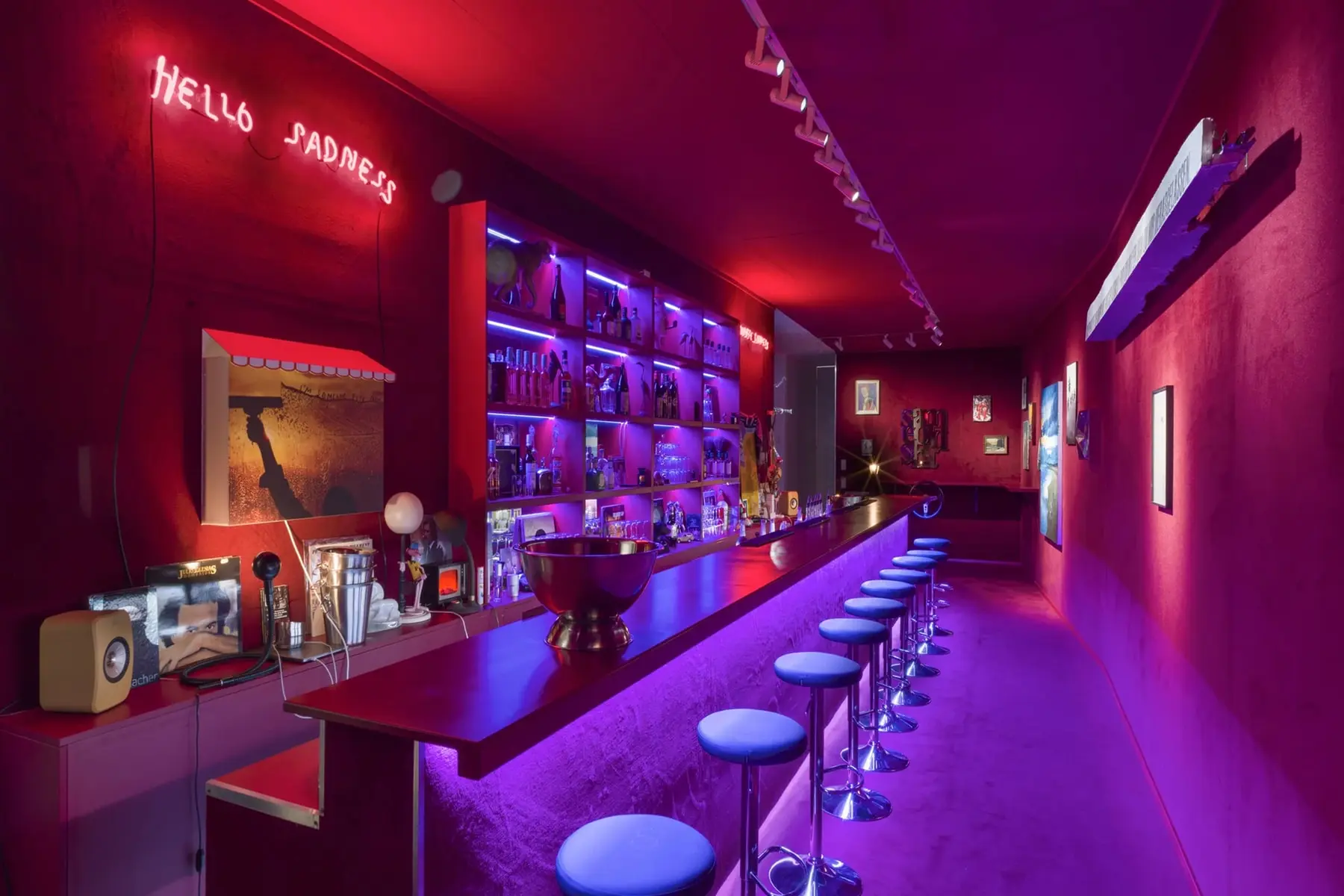
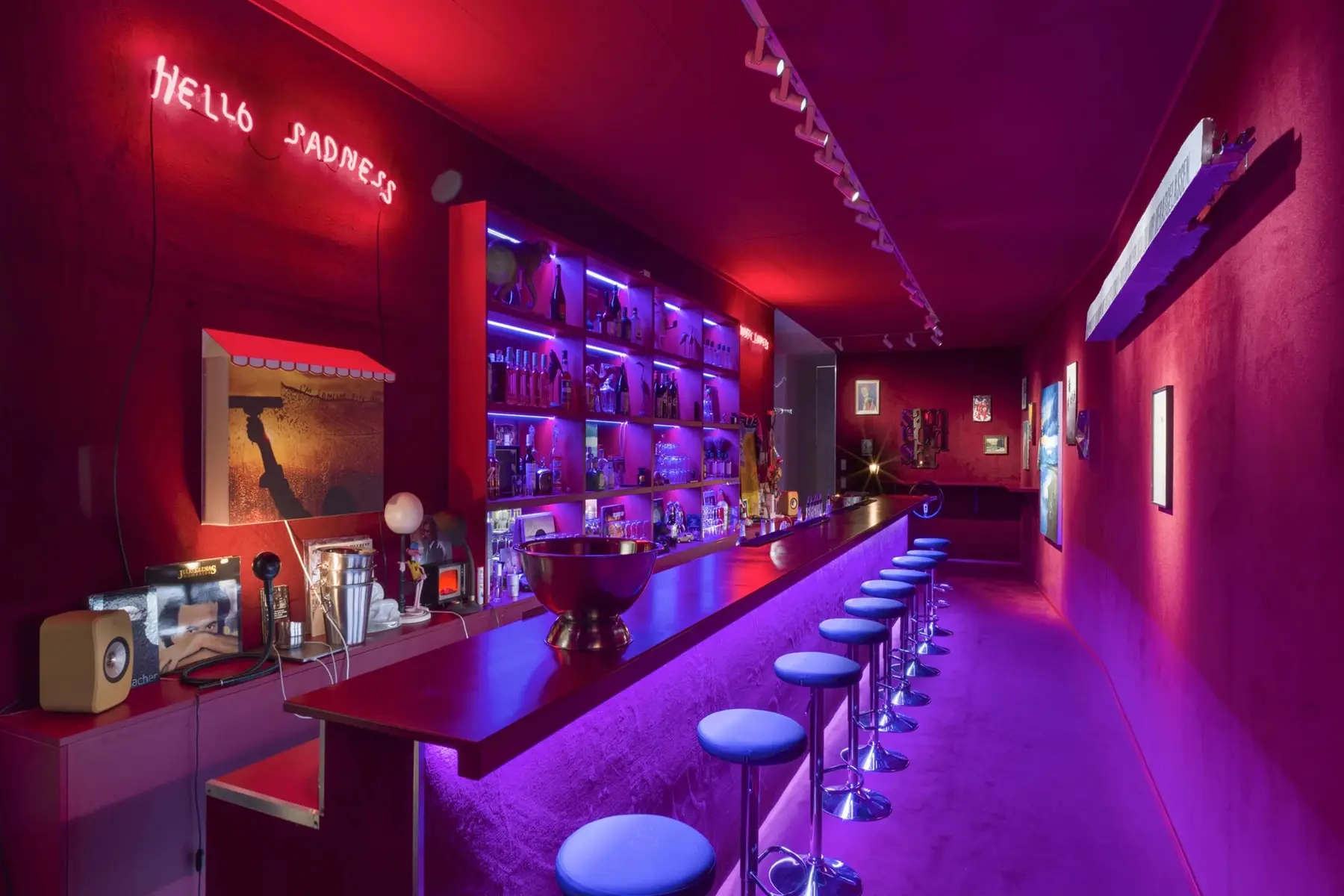
The bar sits in the middle of the room, fully operational. Stools, bottles, the particular light that suggests somewhere between 11 PM and 2 AM. This is Bar Va Bene, a 2026 recreation of the bar Friedrich Kunath built inside his Los Angeles studio, now installed at Pace Berlin as the centerpiece of Goodbye Sadness, Hello Sadness.
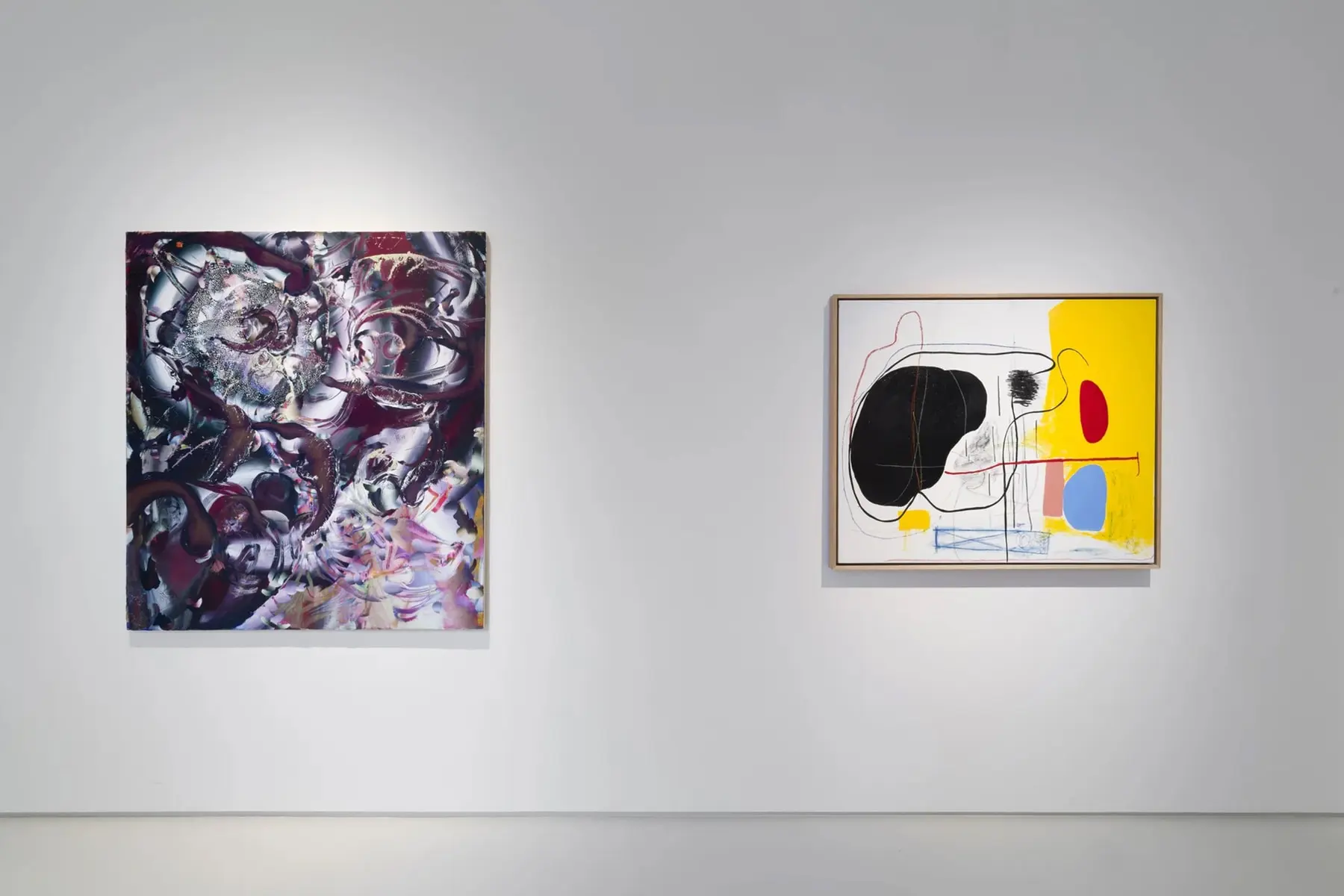
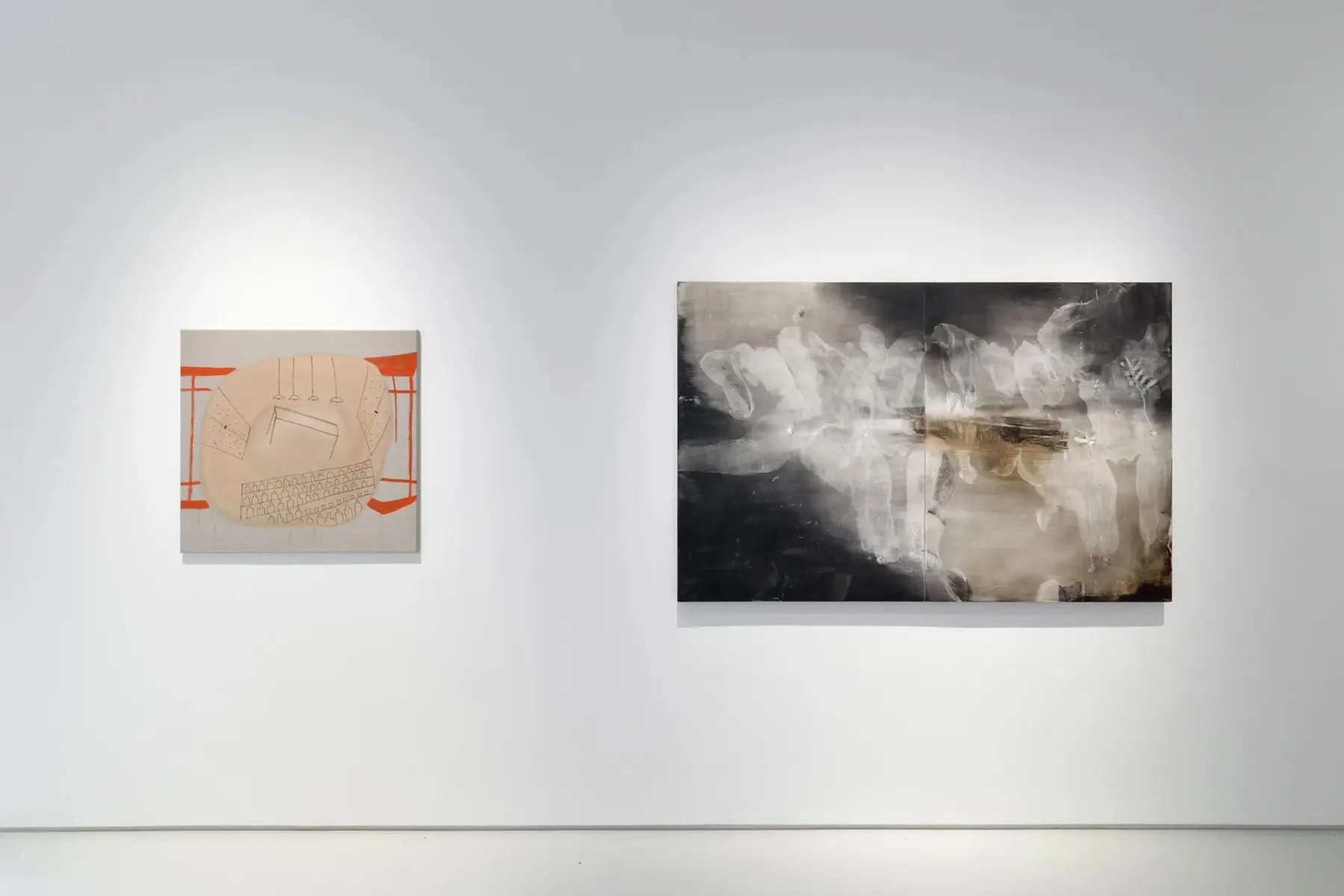
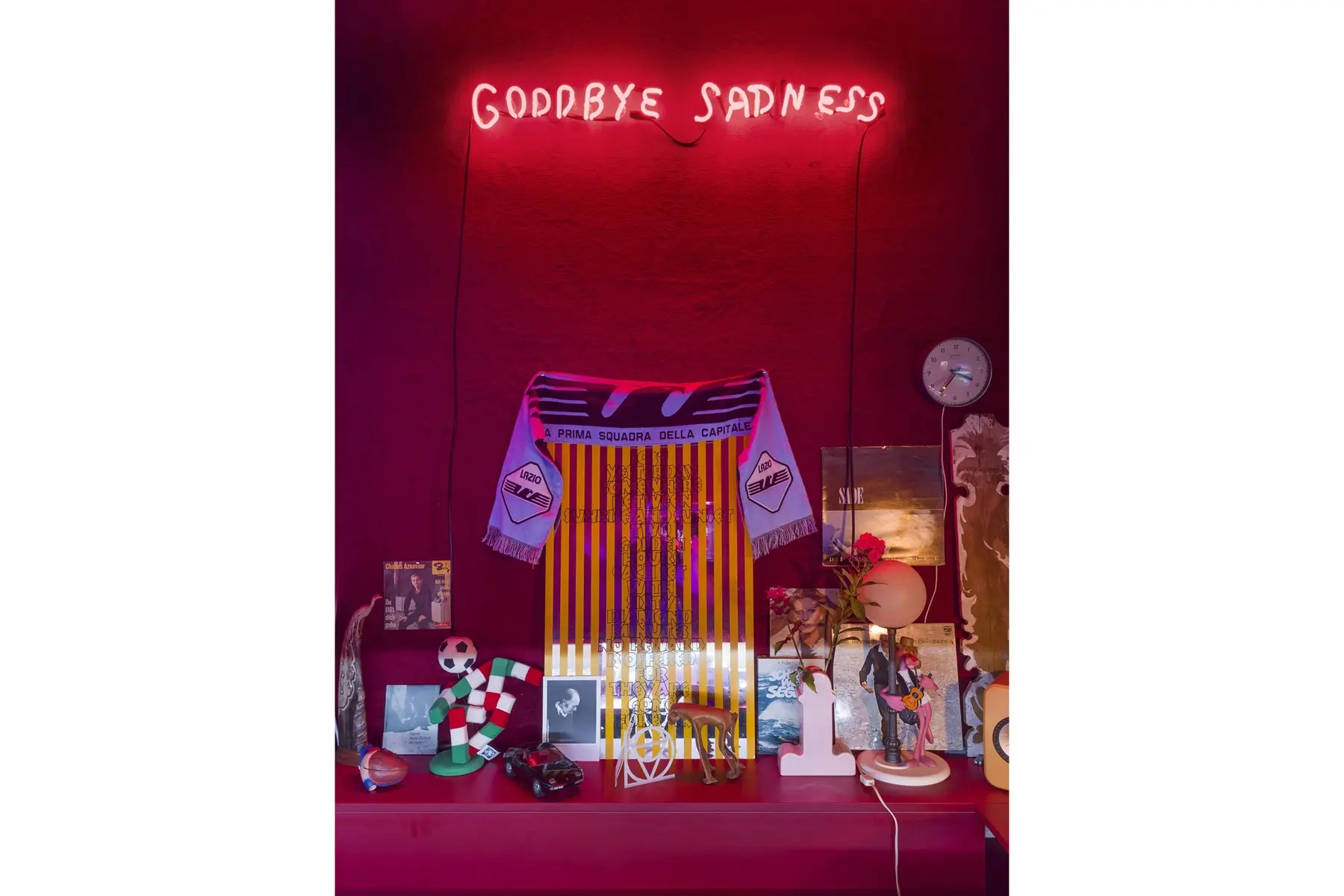
Twenty-seven artists fill the surrounding walls and floors with work that maps the emotional register of nightlife: immersive installations, sculpture, painting, photography. The curatorial premise is straightforward. Night is a container for feeling. Nightlife is a container for collective feeling. Art about nightlife tends to document it from the outside. This show puts the viewer inside, then offers them a drink.
The move is not unprecedented. Rirkrit Tiravanija has been cooking meals in galleries since the early nineties. Carsten Höller installed a working hotel inside the Guggenheim. Philippe Parreno has staged raves as exhibition programming. What Pace Berlin adds is the specific location of the bar not as a social annexe to the viewing experience but as the viewing experience itself, surrounded by work that theorizes the emotional territory it occupies.
Kunath's original studio bar was not a performance. It was where he drank while working, where visitors gathered, where the line between studio practice and social practice dissolved over the course of evenings that probably went too long. The recreation preserves the ambiguity. You can sit at it. You can order from it. You can also walk around it and read the wall text that explains why it is art.
Pace Berlin, the German outpost of the New York mega-gallery, has built a programming identity around unexpected interiors. Previous shows have staged domestic spaces, retail environments, and industrial workshops inside the white cube. The bar fits the pattern while pushing it further. Furniture retail inside a gallery is still furniture as object. A bar inside a gallery is furniture as infrastructure, space as social apparatus.
The recreation of Bar Va Bene forces a question the show's twenty-seven surrounding artists only circle: what happens when the social ritual is not depicted but enacted? Tiravanija's meals and Höller's hotel offered participation as alternative to spectatorship, but those works maintained a frame. You knew you were inside the piece. Kunath's bar dissolves that knowledge. The original was not conceived as art; it was where the artist worked and drank and talked. The copy inherits the ambiguity. Sitting at Bar Va Bene in Berlin, you cannot be certain you are performing or simply present.
Pace Berlin's programming history suggests the gallery understands this tension. Domestic spaces and retail environments retain their object-status even when installed inside the white cube; a couch remains a couch, legible as sculpture or prop. A working bar resists that legibility. It produces behavior, not contemplation. The drinks, the stools, the late-night lighting all insist on use. The surrounding work, the painting and photography and sculpture that maps nightlife's emotional register, becomes context rather than focus. The bar commands the room not because it is the largest object but because it is the only one that asks you to stay.
The show runs through September. The bar is open during gallery hours, and visitors may sit, order, and stay. Pace Berlin has staged an exhibition that refuses to let you observe nightlife from a critical distance. Goodbye Sadness, Hello Sadness puts you inside the emotional territory it describes, drink in hand, surrounded by work that names what you are already doing. Walk in, take a stool, and feel something.