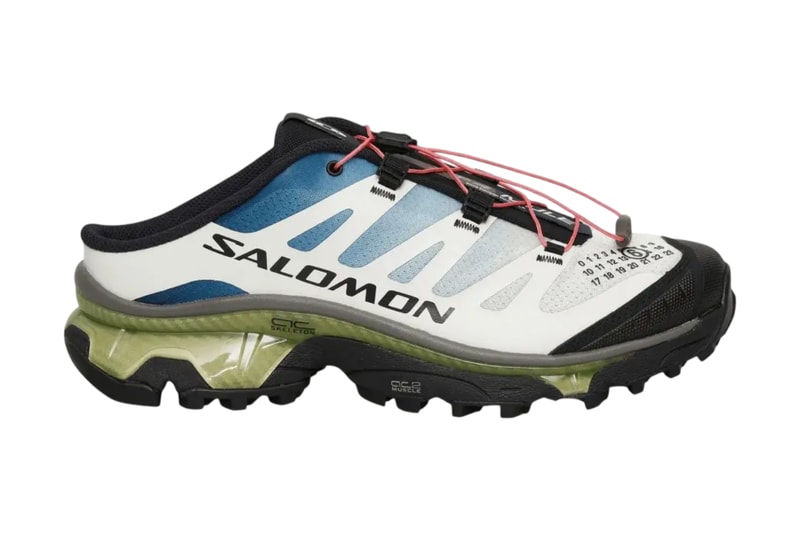
When MM6 Maison Margiela first approached the Salomon XT-4 in 2022, the collaboration produced a recognizable trail runner with fashion-forward colorways. Four years later, the same partnership has systematically stripped the silhouette down to something closer to a house shoe. The XT-4 MULE, arriving June 18 in Vanilla Ice and Black at €360, removes the heel counter entirely, transforming one of trail running's most technical platforms into a slip-on.

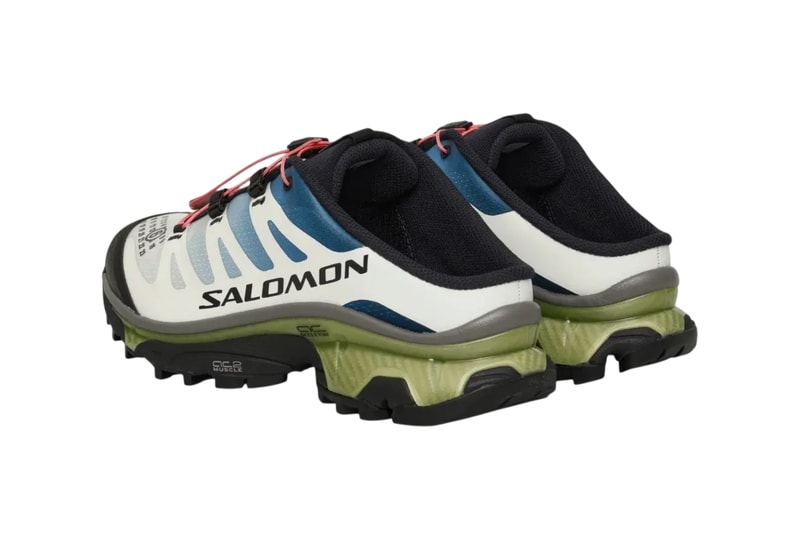
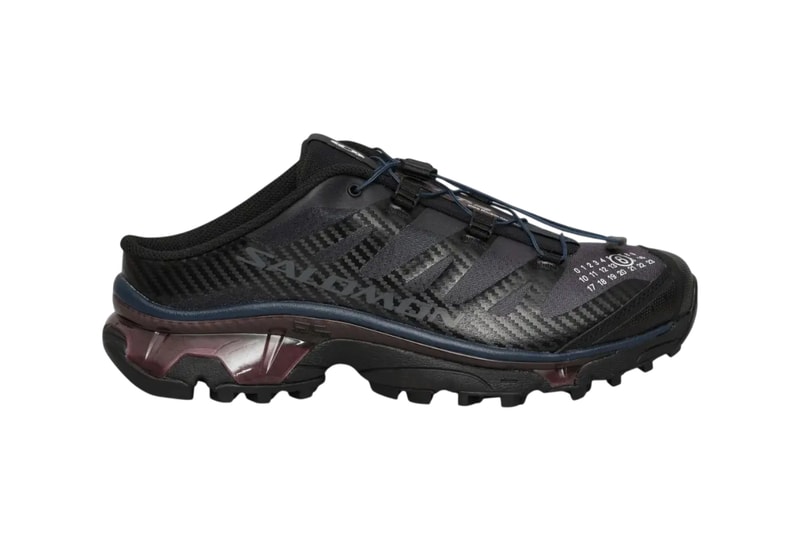
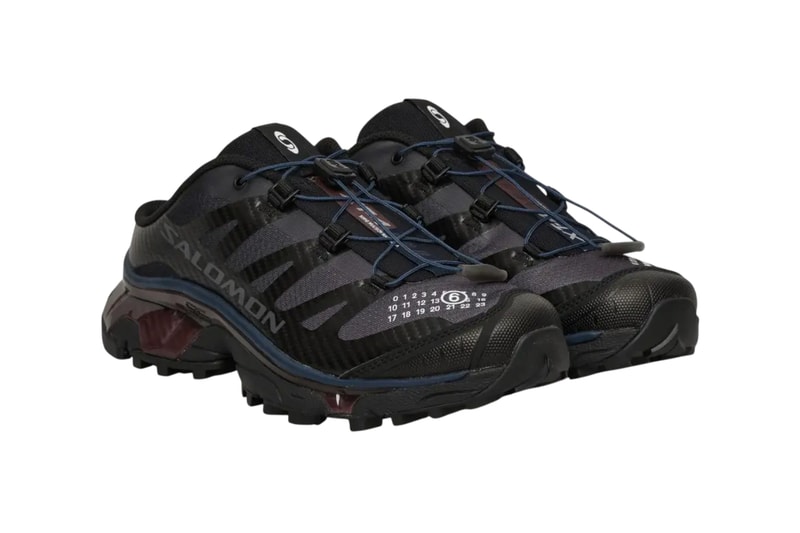
The operational logic is worth tracing. The original XT-4 OG was built for aggressive terrain: a Chassis skeleton for lateral stability, Contagrip outsole for grip on wet rock, EnergyCell midsole for impact absorption over distance. The MULE retains all three technologies. The stability system is intact. The cushioning platform is unchanged. The traction pattern remains. What is gone is the thing that makes a trail shoe a trail shoe: the commitment to keep your foot locked in place.
This is a pattern that has been playing out across the outdoor footwear category for several seasons now. The Salomon XT-6, once the domain of ultramarathoners, became a streetwear staple by 2023. The response from fashion collaborators has been to push further, testing how much of the original function can be removed before the silhouette loses its identity. The MM6 Cross Hi from earlier seasons added platform height and exaggerated proportions. The MULE goes the opposite direction, subtracting structure rather than adding it.
The compression happening here is specific. Trail running as a category carries signifiers of seriousness: early mornings, remote locations, physical commitment. The XT-4 MULE borrows those signifiers while explicitly rejecting the use case. You cannot run trails in a shoe without a heel. You can, however, wear the technical vocabulary of someone who does.
Salomon has been a willing participant in this drift. The brand's collaborations with MM6, Comme des Garçons, and Sandy Liang have positioned it as the performance partner most comfortable with fashion's deconstruction impulses. The mainline XT-4 remains unchanged, available in standard colorways for actual runners. The collaboration editions operate in a parallel market where the same chassis serves as a canvas for experiments in form.
The MULE's specific intervention is worth noting for what it reveals about where this trajectory might end. A trail shoe without a heel is not a trail shoe. But it is also not quite a mule in any traditional sense. The Chassis skeleton and technical midsole create a strange hybrid: a slip-on with the weight and rigidity of performance footwear, dressed in the visual language of the mountains but engineered for flat concrete and short walks from car to destination.
The question the XT-4 MULE raises is not whether it will sell. MM6 Margiela collaborations reliably clear inventory. The question is what happens to the source silhouette when fashion has finished with it. The XT-4 has now been rendered as a standard trail runner, a chunky lifestyle shoe, a platform boot, and a backless mule. Each iteration borrows credibility from the original while moving further from its intended function. At some point, the distance between the performance object and its fashion derivatives becomes wide enough that the reference no longer reads. Whether we are there yet is unclear. What is clear is that the trail shoe, as a form, is being systematically taken apart by the same industry that made it desirable in the first place.