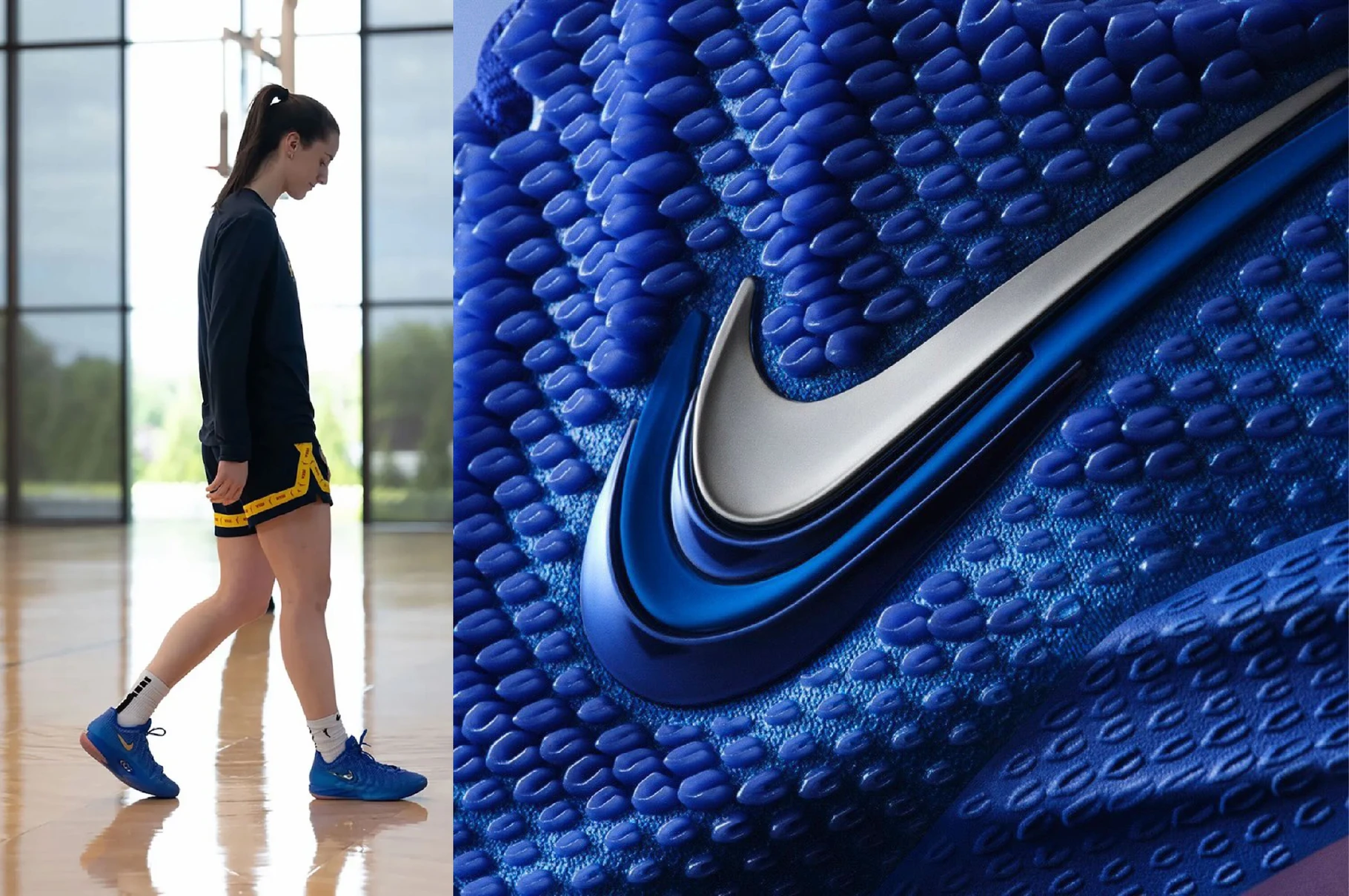
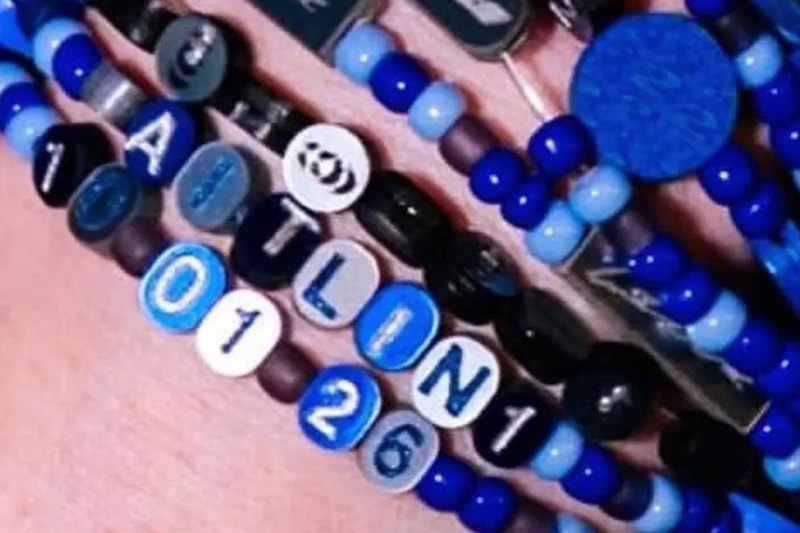
Caitlin Clark confirmed on June 16 that her first Nike signature shoe, the Caitlin 1, will release in October 2026. The reveal came through pregame friendship bracelets spelling out the launch window and Zoom cushioning details, a communication method that matched the parasocial intimacy her fanbase has come to expect. By October, Clark will have played a full WNBA season, a full NCAA tournament run, and roughly eighteen months of the most-discussed women's basketball career in a generation. The shoe will arrive well after the moment it was earned.

The pattern here is familiar but worth naming. Clark became the NCAA's all-time leading scorer in February 2024. She was drafted first overall by the Indiana Fever in April 2024. Her WNBA games in summer 2024 drew television audiences that exceeded several NBA playoff matchups. By the time Nike announces a release date in mid-2026, the commercial argument for a Clark signature was already two years old. The gap between cultural presence and commercial product is not unique to Clark, but the scale makes it visible.
Cameron Brink signed with New Balance in early 2026 and has a signature deal in motion. Kelsey Plum moved to Adidas with a signature pathway mapped out. The WNBA's commercial infrastructure is expanding faster than at any point in the league's history, but the timeline from breakout to signature product still runs twelve to twenty-four months at minimum. For context: LeBron James signed with Nike in 2003 and had the Air Zoom Generation on shelves by November of that year, roughly six months after his NBA debut. Clark's timeline is closer to the industry norm, but the attention she commands is not.
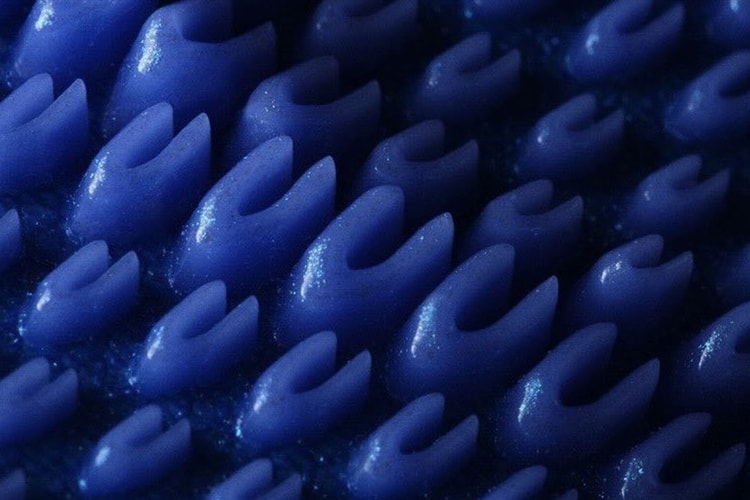
The Caitlin 1 will feature Zoom cushioning, a technology Nike has used across its performance basketball line for over two decades. The choice signals that the shoe is built for play, not just for retail. Clark's game is predicated on range and court coverage, and Zoom Air's responsive foam has long been the cushioning system for guards who log heavy minutes. The spec sheet suggests Nike is treating this as a performance product first, a lifestyle object second.
What the October date reveals is the structural lag between athlete visibility and footwear availability. Clark's face has been on Nike campaigns since 2024. Her jersey has been the top seller in the WNBA. Her games have been appointment television. But the signature shoe, the product that converts fandom into recurring revenue, arrives more than a year after the peak attention cycle. By October 2026, the discourse will have moved. The shoe will sell. But the window where demand and supply could have aligned has already passed.
The friendship bracelet reveal is a small detail, but it matters. Clark's communication style has consistently bypassed traditional press channels in favor of direct fan engagement. The bracelets, handed out at a pregame appearance, turned a product announcement into a collectible moment. Nike benefits from the earned media. Clark benefits from the intimacy. The fan who received the bracelet now owns a piece of the rollout. The asymmetry between the speed of that exchange and the speed of the product pipeline is the story. The shoe will arrive. The conversation will have moved on.