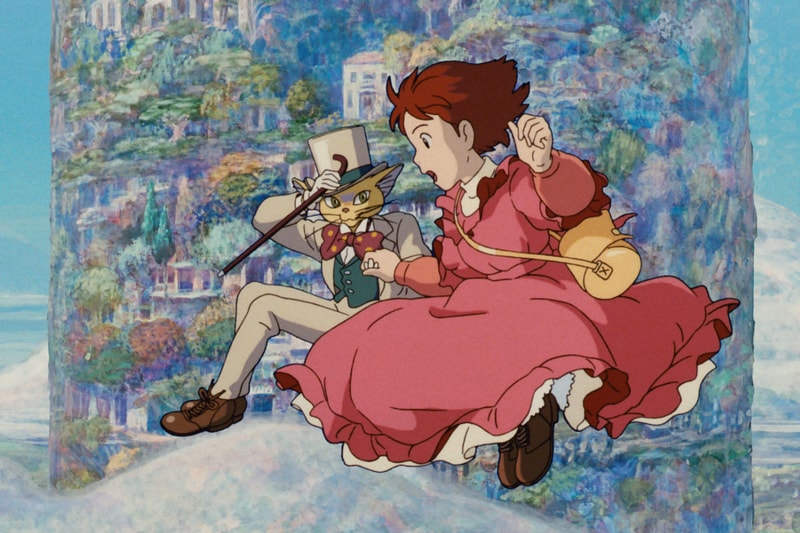
Donguri Republic, Studio Ghibli's official retail operation, opens its first American location on June 23 at Del Amo Fashion Center in Torrance, California. The pop-up runs through December 31. For a studio whose films have been fixtures of American animation culture since Miramax's 1996 theatrical release of Kiki's Delivery Service, the timeline is notable: it has taken thirty years for Ghibli to establish a dedicated retail presence in a market where its intellectual property already saturates the cultural conversation.
The gap between presence and purchase infrastructure is the story here. Spirited Away won the Academy Award for Best Animated Feature in 2003. My Neighbor Totoro has been a perennial bestseller in home video formats since its 1993 US release. Howl's Moving Castle, Ponyo, and The Wind Rises all received wide theatrical distribution. American audiences have had three decades of exposure to Ghibli's visual language. What they have not had is an official channel to buy the merchandise that Japanese consumers have accessed since Donguri Republic's founding in 1988.
The American Ghibli merchandise market has, in that absence, been served by import retailers, unauthorized reproductions, and the occasional licensed collaboration. Hot Topic has carried Ghibli apparel. BoxLunch has stocked plush Totoros. The products exist, scattered across third-party channels with varying degrees of official sanction. What has not existed is the immersive retail environment that Donguri Republic operates in Japan: the life-size Totoro at the bus stop, the wood-paneled interiors designed to evoke the films' handcrafted aesthetic, the full catalog of housewares and collectibles that treat the studio's output as a coherent lifestyle proposition rather than a licensing opportunity.
The Torrance location is a pop-up, not a permanent store, which itself signals caution. Six months is long enough to test demand but short enough to exit cleanly if the American consumer behaves differently than the Japanese one. The choice of venue is also telling: Del Amo Fashion Center is the largest shopping mall in the Western United States, but it is not a prestige location. It is a regional destination, accessible by car from much of Los Angeles County but not the kind of high-traffic urban site that signals brand arrival.
Compare this to how other Japanese entertainment properties have approached American retail. Pokémon Center opened its first permanent US store in 2001, five years after the franchise's American debut. Nintendo's New York flagship launched in 2005. Sanrio has operated American retail locations since the 1970s. These are properties that recognized early the commercial value of controlling their own retail channel in a market where they had already achieved cultural saturation.
Ghibli's delay is partly explained by the studio's historically ambivalent relationship with commercialization. Hayao Miyazaki has been publicly critical of merchandise culture. The studio's output has slowed in the decades since its peak productivity. But those factors do not fully account for the thirty-year gap. American Ghibli fandom has been a measurable phenomenon for most of that period. The demand has been visible. The supply chain has not followed.
What the Torrance pop-up tests is whether the American Ghibli consumer, having been trained by three decades of scarcity, will respond to official availability. The Japanese Donguri Republic model is built around repeat visits: limited releases, seasonal merchandise, store-exclusive items that reward the committed fan. Whether that model translates to a market where Ghibli has been more myth than material presence remains to be seen. The films have been everywhere. The merchandise has not. After thirty years, that asymmetry is finally being addressed, six months at a time.