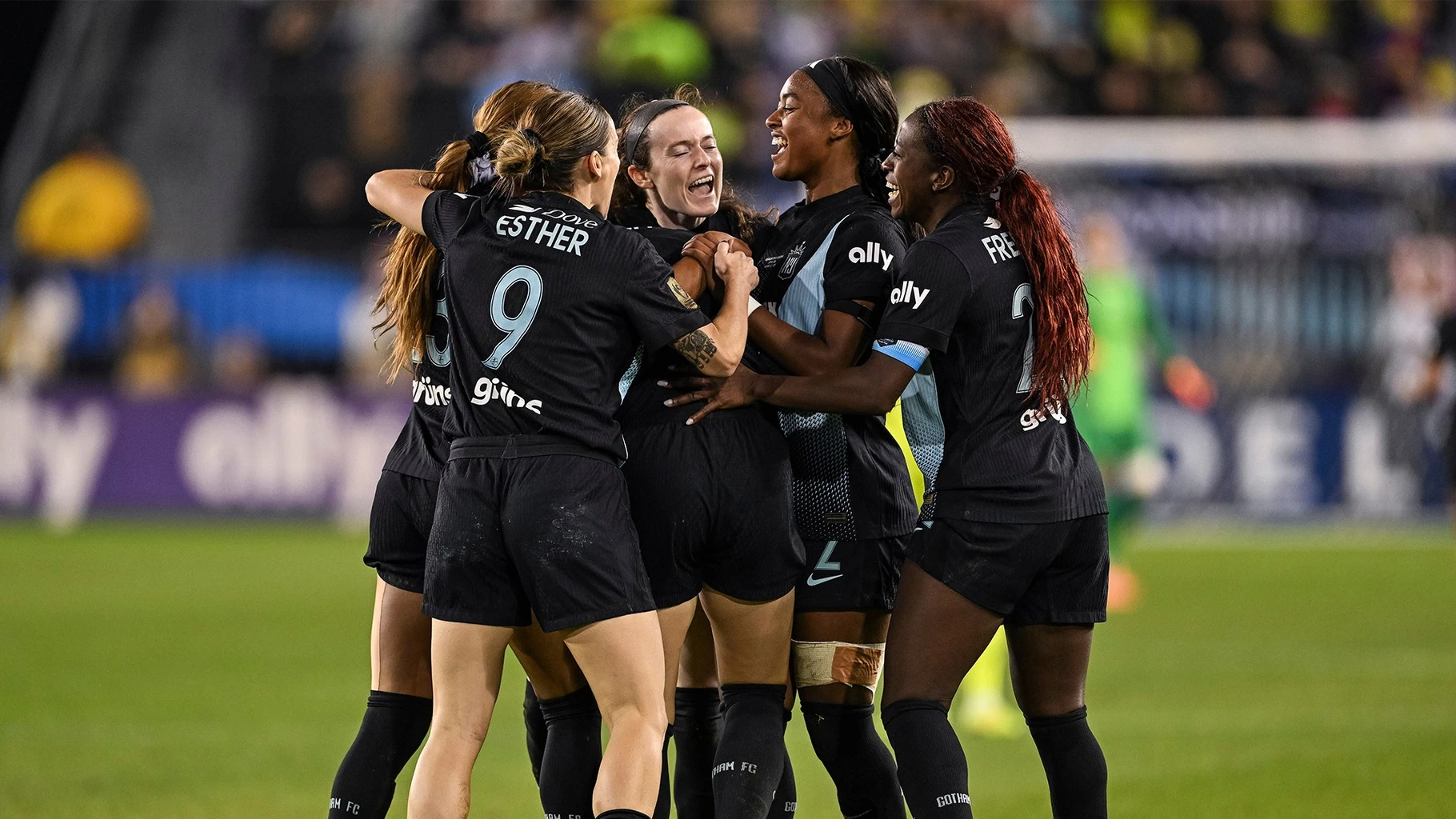
FIFA announced on 22 October 2026 that the United States will host the inaugural FIFA Women's Club World Cup, scheduled for 5 to 30 January 2028. The announcement arrives roughly four months after the men's 2026 World Cup concluded on American soil, a tournament that generated its own operational complaints about infrastructure, logistics, and hosting readiness.
FIFA is not waiting for those complaints to resolve before returning. Fourteen months separate the end of one US-hosted FIFA tournament and the formal announcement of the next one. That is the gap between an event ending and the same federation signing the country up again, not the gap between a problem being identified and a problem being fixed.
Remezcla framed the stakes directly: "Is the U.S. ready to host another FIFA tournament after a controversial World Cup?" The question assumes sequence, first the reckoning, then the next decision. FIFA's calendar shows the opposite sequence. The next hosting decision was made before the reckoning had a chance to run its course in public.
This is not unusual for FIFA as an institution. The organization has a documented pattern of awarding or confirming tournament hosts on a planning timeline that runs independently of how the previous tournament is being received. Host selection for major events typically locks years ahead of kickoff, which means FIFA's internal calendar and the public conversation about tournament quality are operating on two different clocks almost by design. The women's tournament's bid and award process would have been running in parallel with the men's World Cup delivery, not sequential to its reception.
The fourteen-month gap matters because of what it excludes, not what it includes. A federation's internal confirmation of a host country is a logistics decision, built on venues, contracts, and infrastructure already in place from the prior tournament. It is not a referendum, and it was never designed to function as one. The complaints Remezcla's question points toward, about infrastructure, logistics, and hosting readiness, are still working their way through public assessment while FIFA's own calendar has already moved to the next assignment.
That sequencing is not incidental to FIFA as an organization. Host decisions for marquee tournaments are locked in on a planning horizon that runs years out, independent of how any single tournament is received in the months after it ends. The bid and award process for the Women's Club World Cup was almost certainly running alongside the delivery of the men's tournament rather than after it, which means the question of readiness was never actually in play at the moment the decision got made.
The inaugural Women's Club World Cup is a new competition, not a repeat of the men's format, and FIFA's own announcement frames it as a first-of-its-kind event rather than a response to prior hosting performance. But the choice of country is not neutral. Selecting the same nation for back-to-back marquee tournaments inside a 28-month window is a vote of institutional confidence that the hosting apparatus works, delivered on a timeline that could not have incorporated the full public verdict on the apparatus it just used. FIFA's calendar runs on FIFA time. The verdict on 2026 runs on everyone else's.