
The store is the headline. Walnut-paneled walls, Belvedere marble, custom terrazzo, a build designed with Porto Architecture inside the North Arcade of Oakridge Park on West 41st Avenue. Kith's second Canadian flagship, after its Toronto location, is being sold as a retail-architecture story first and a product story second. But the product is the part that actually moves.

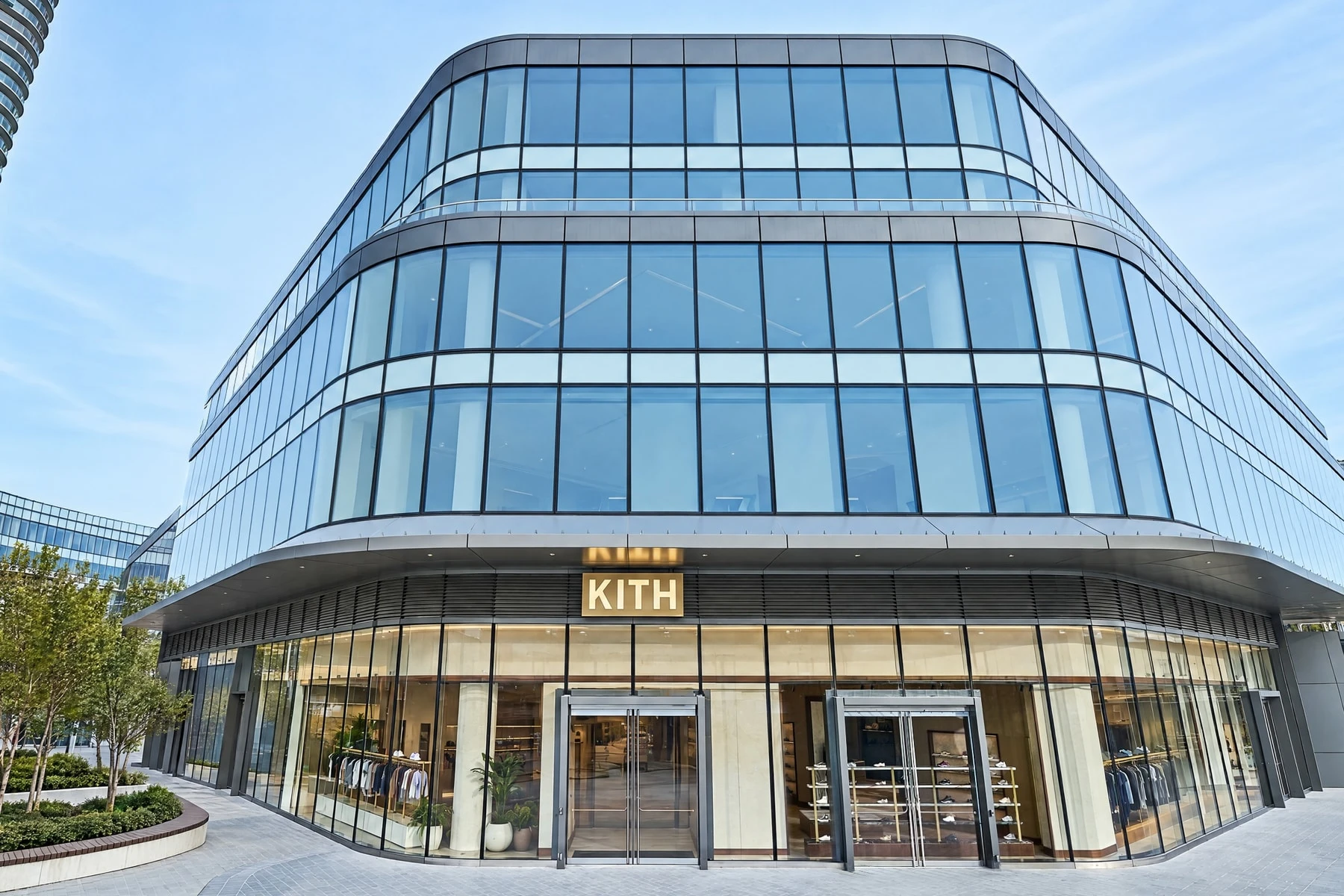
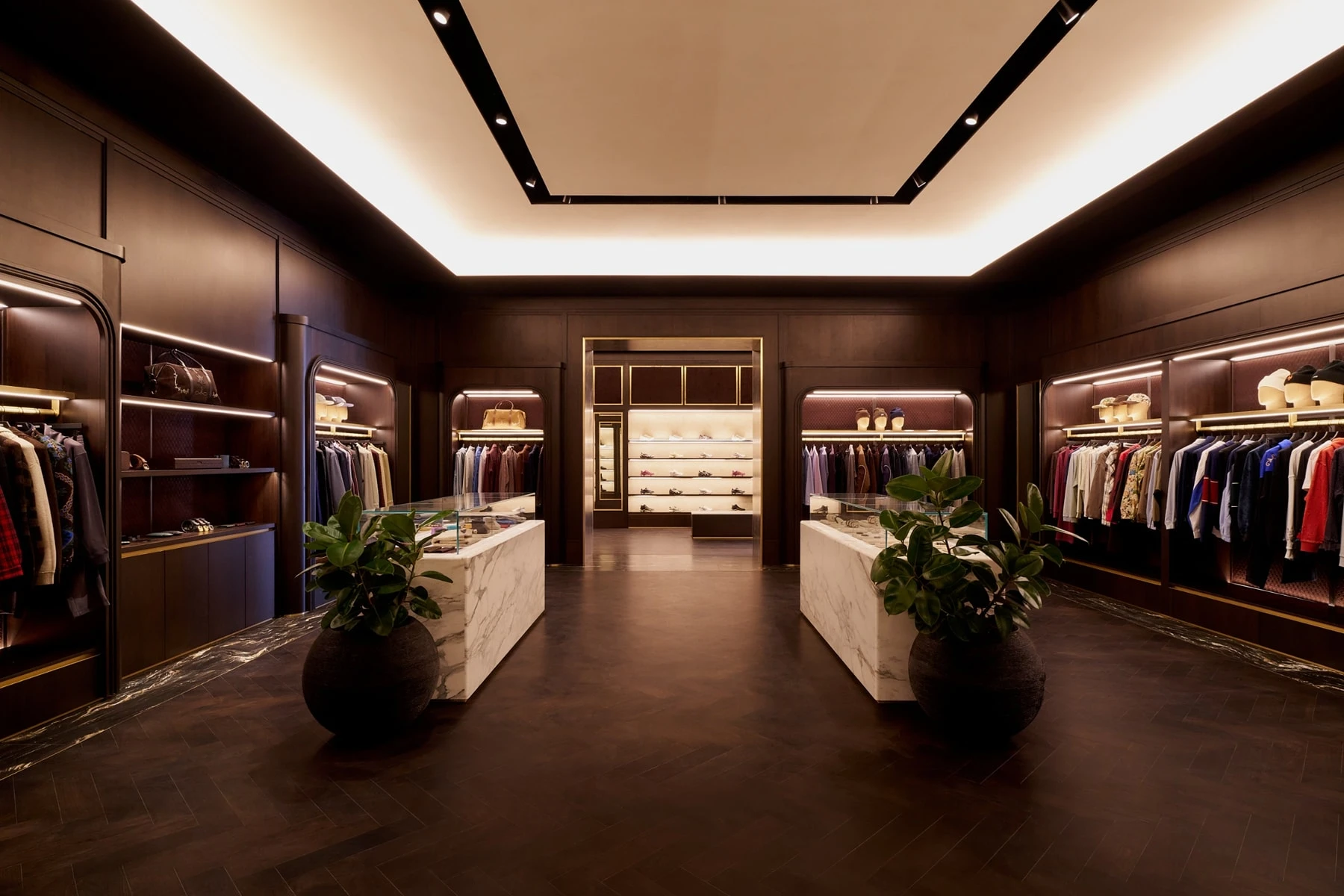
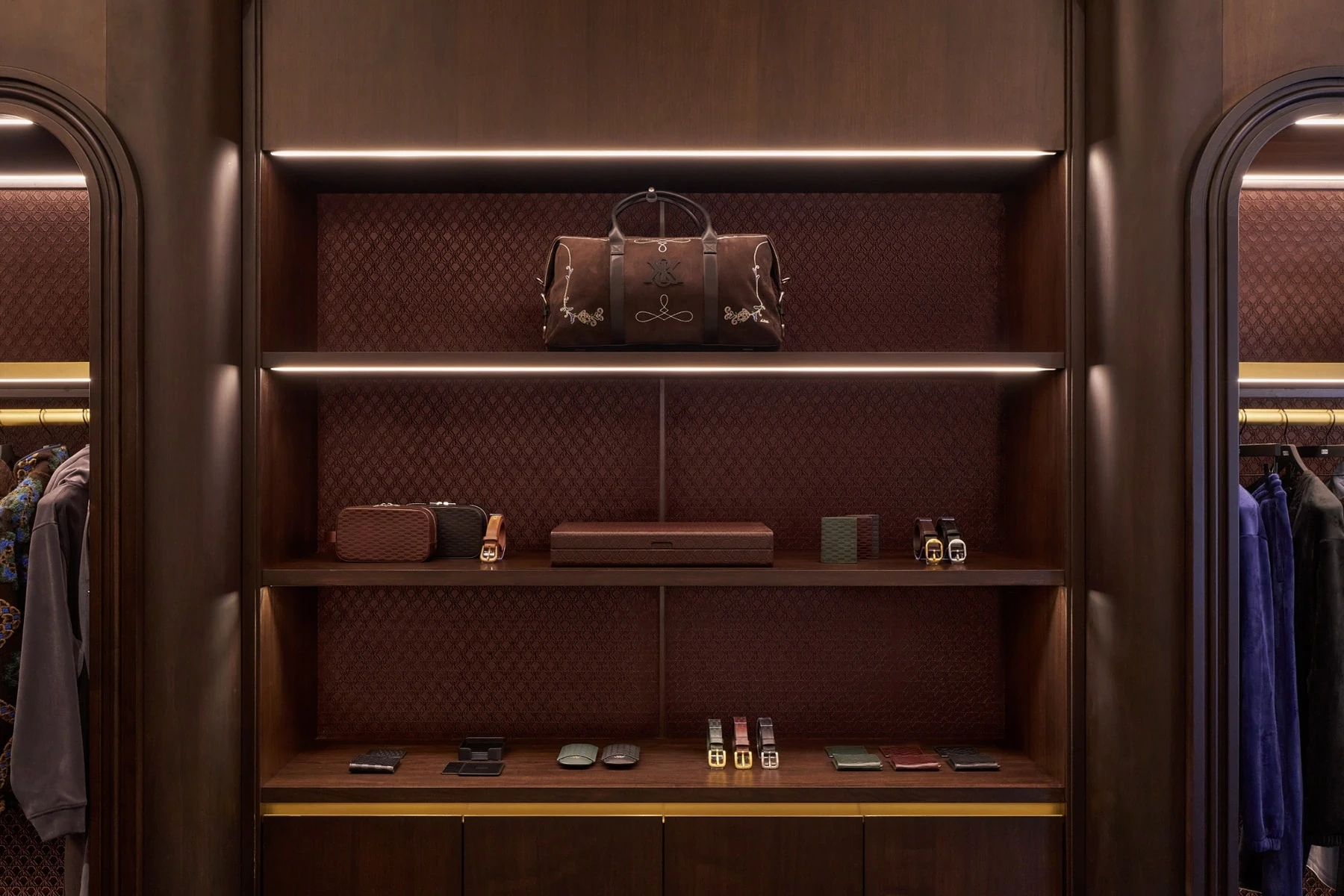
Tucked into the opening is a Salomon capsule that launches at the Vancouver store before it launches anywhere else. You have seen this shoe before, or you will, because Kith has run a collaborative hiking-to-lifestyle Salomon line for several seasons now. What is new here is the sequencing: the physical location becomes the first point of access, and the global drop becomes the second. The store is not just a showroom for the brand. It is the distribution mechanism.
This is the mechanism by which Kith converts flagship openings into product scarcity: a new store is never just a new store, it is a new timestamp on the release calendar, and the timestamp does the work that a traditional drop announcement used to do alone. The flagship becomes a filter. Whoever is in Vancouver this week gets the shoe. Whoever is not waits, and in waiting, wants it more.
Kith has built this move before, pairing openings with timed product, but the consistency of the pattern is what makes it worth tracking now: presence in a city converts into preference for a product only if the brand controls when and where that preference can be acted on. A flagship with no exclusive carries no leverage. A flagship with early access to a capsule becomes a gate, and gates are what generate lines.
The sequencing matters more than the capsule itself. Kith could have shipped the Salomon pairs to Vancouver and everywhere else on the same day, and the opening would have still generated foot traffic on the strength of the Porto Architecture build alone. Instead the brand chose to make the North Arcade space the first point of access, which means the walnut paneling and the terrazzo are not competing with the shoe for attention. They are the backdrop the shoe needs in order to feel like an event rather than a delivery.
That is the real function of the flagship-as-gate pattern: it turns a retail opening into a release calendar entry without the brand having to announce a drop separately. Toronto established that Kith would build architecture-first stores in Canada. Vancouver establishes that those stores will also carry sequencing power, that where a customer stands can now decide when they get access to product the rest of the world has not seen yet. The store did not just open. It issued a timestamp, and the timestamp is doing the marketing work a traditional release notice used to do alone.
Watch the resale listings for this Salomon capsule over the next 90 days. If the Vancouver-exclusive pairs trade at a premium over the same silhouettes once they go global, the gate worked. If the premium collapses within days of the wider release, the flagship was architecture and nothing else.