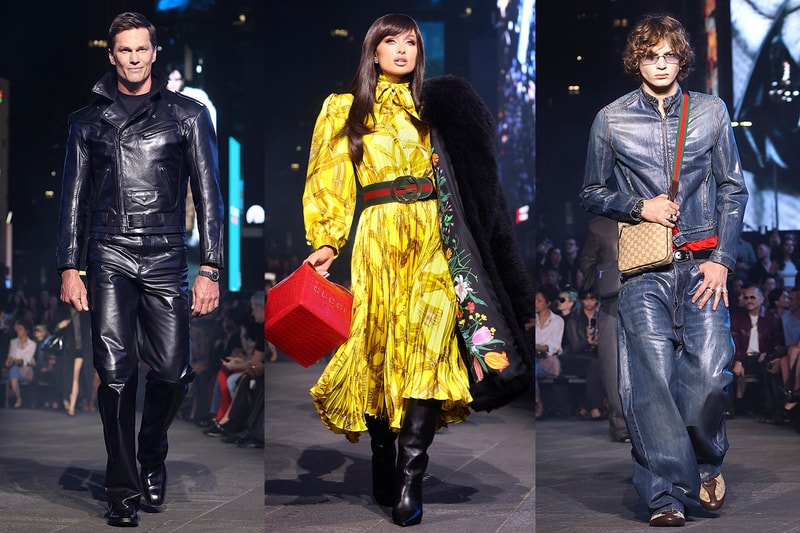
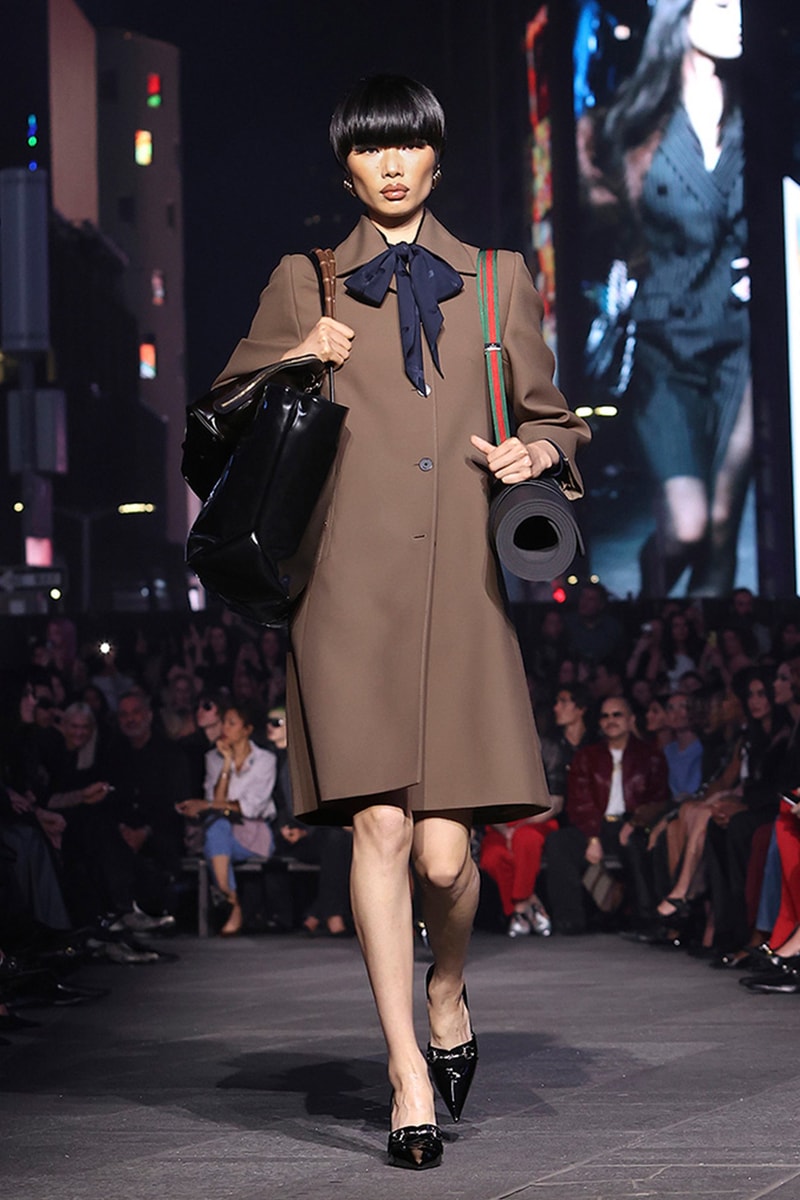
Gucci shut down Times Square on Saturday night for Cruise 2027, but the show itself was less a seasonal reveal than a plot point. Titled "GucciCore," the collection is the fourth in what creative director Demna has framed as a series of "character studies," following La Famiglia, Generation Gucci, and Primavera. Each installment has introduced a distinct visual vocabulary, a protagonist archetype, and a tonal register. The cumulative effect is less a succession of collections than an episodic narrative, with the clothes serving as costume design for characters the house is writing in real time.
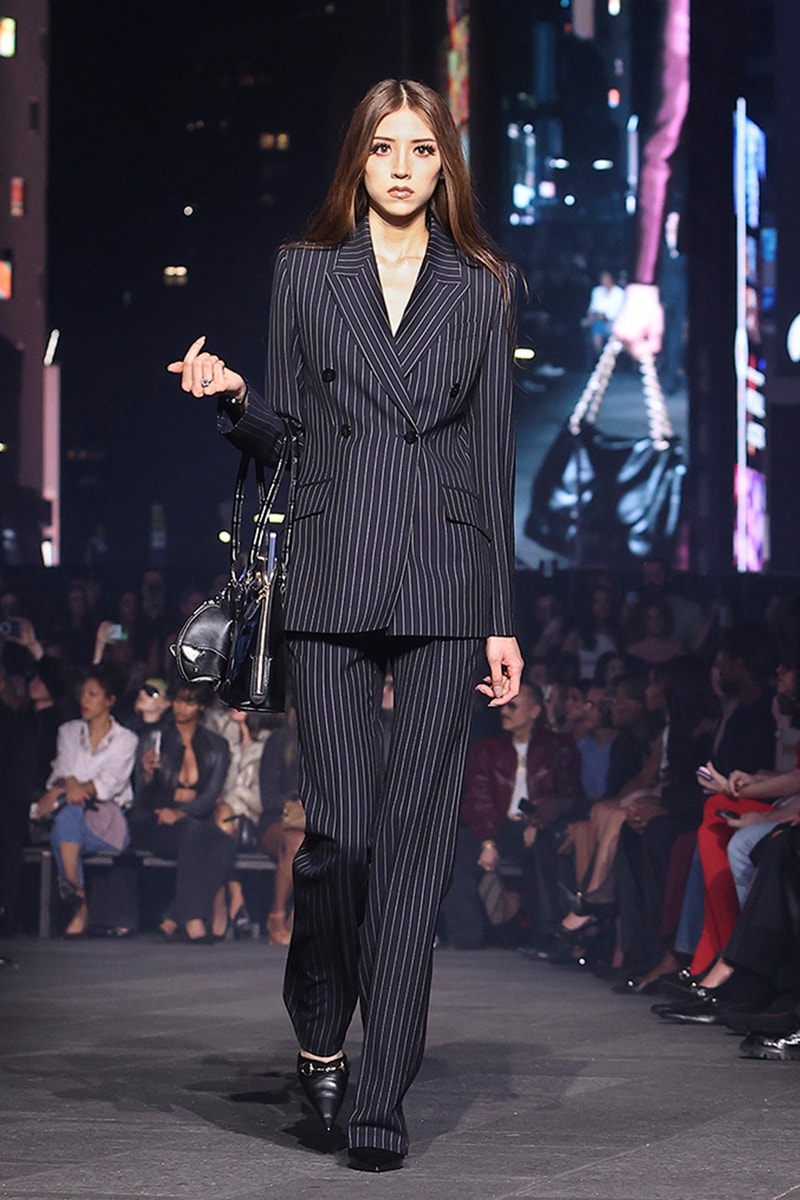
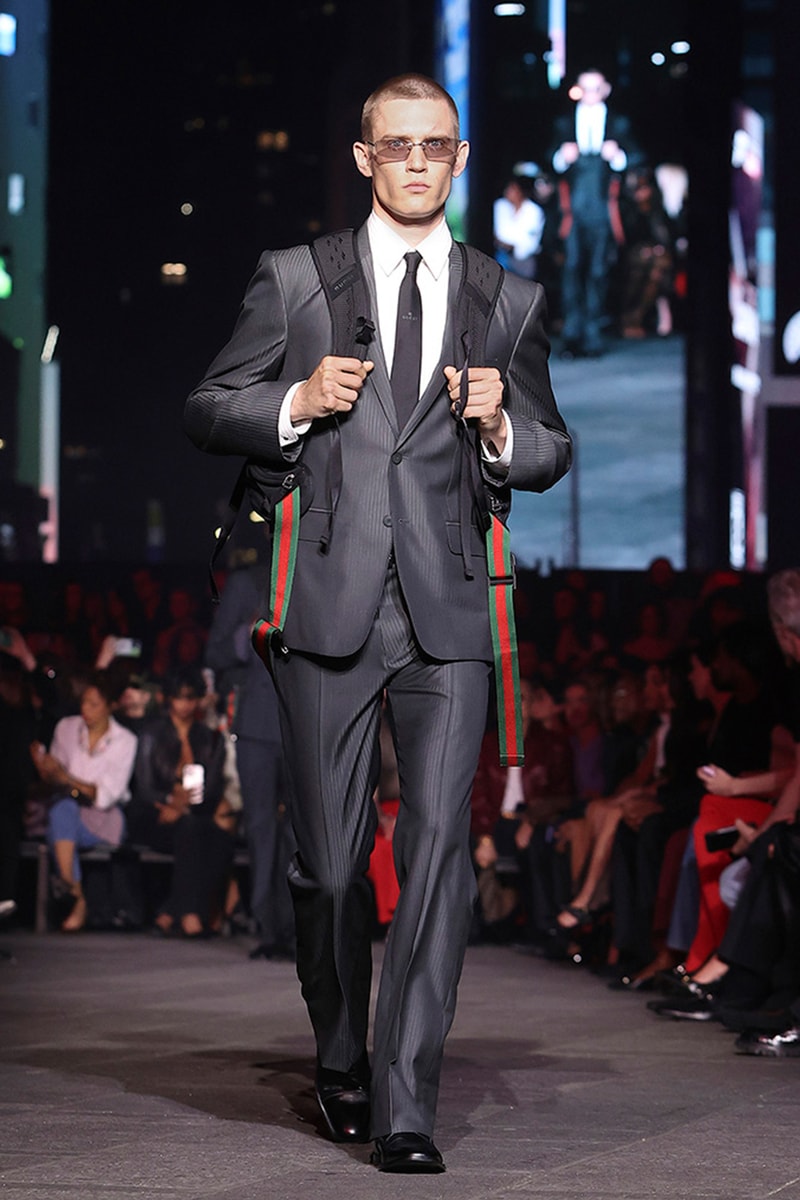
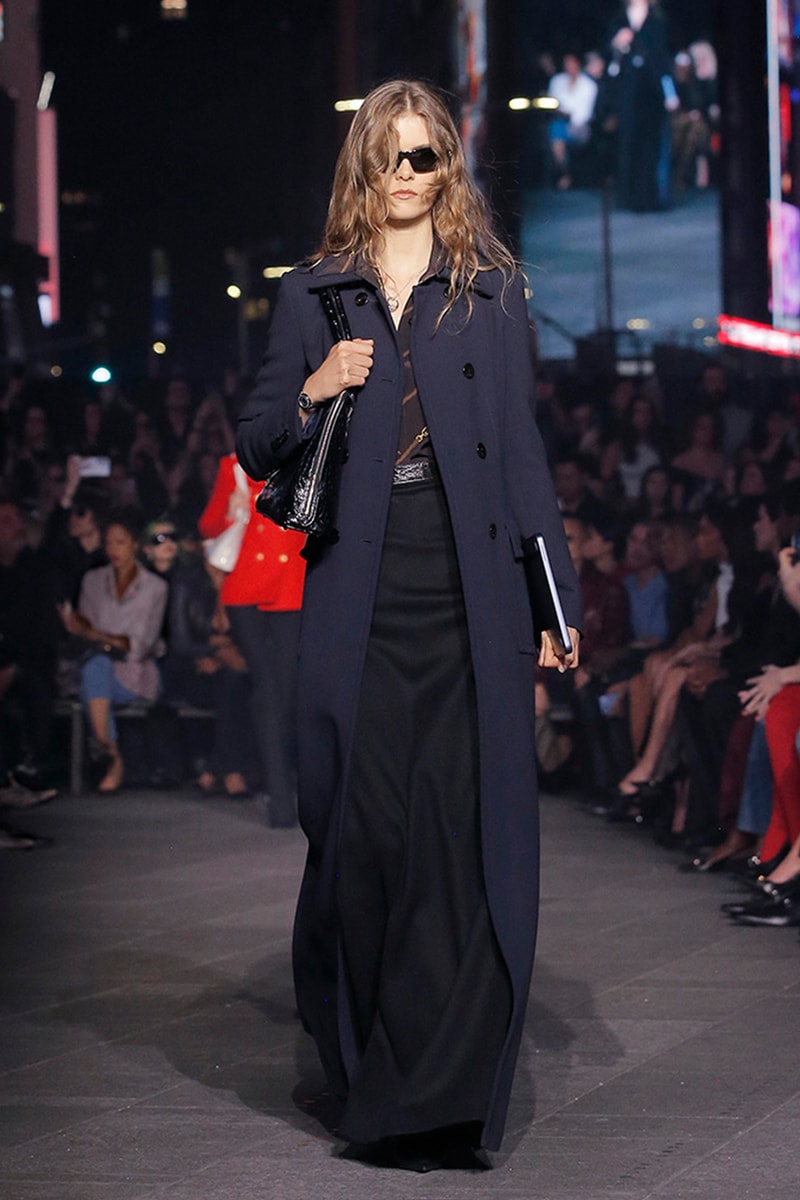
The invite itself telegraphed the conceit: a brass key housed in an aged leather sleeve, a direct reference to the Gucci Galleria that opened on Fifth Avenue in 1953. The show marked 70 years since the house's first international outpost, but the commemorative gesture was folded into the fiction. The key was not a souvenir; it was a prop.
This approach represents a quiet but significant drift in how luxury fashion communicates. The traditional calendar treats each collection as a discrete statement, reset every six months. Demna's Gucci is operating on a different clock. The collections accumulate. References compound. A silhouette that appears in Act Two returns, altered, in Act Four. The audience is expected to remember.
The structural parallel is not to other fashion houses but to prestige television and serialized franchise filmmaking, media formats that have trained audiences to track continuity across years of release. Gucci is betting that the same attentional habits can transfer to fashion. The question is whether the fashion press, retail buyers, and consumers are equipped to follow a narrative arc that unfolds across multiple seasons rather than resolving in a single runway.
There is a timing dimension here as well. The cruise show calendar has traditionally served as a commercial bridge, a mid-season moment for resort and travel retail. Demna is using the slot differently, treating it as a chapter break rather than a product drop. The commercial logic is still present, the clothes will ship, the stores will stock, but the framing has shifted. The show is not the product. The show is a scene.
The Times Square location amplified the ambiguity. The Crossroads of the World is a space defined by advertising, spectacle, and transience. Staging a fashion show there could read as a maximalist brand activation or as a commentary on the saturation of commercial imagery. Demna left the interpretation open. The clothes walked through a landscape of competing screens, and the screens kept running.
Whether the serialized approach can sustain itself across multiple years remains to be seen. Television series lose viewers. Franchise fatigue sets in. But for now, Gucci is operating at a pace and in a format that most of its competitors have not adopted. The house is not just showing clothes. It is building a world, and asking the audience to follow the plot.