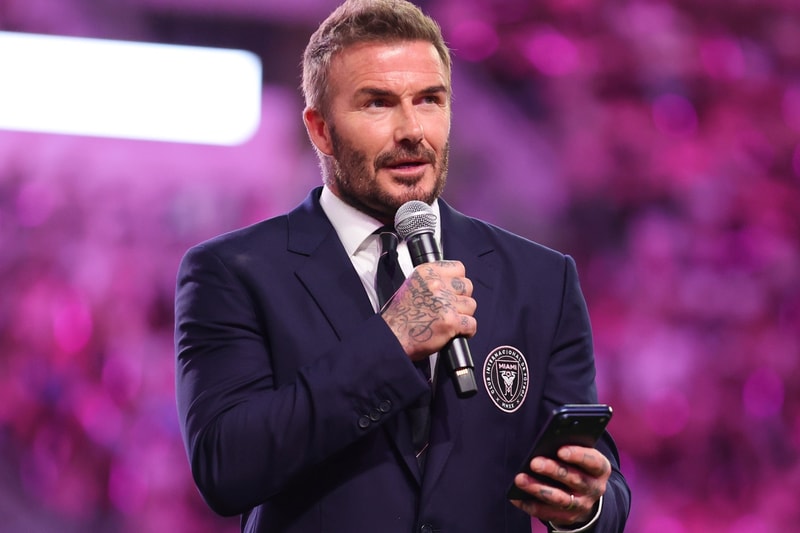
David Beckham has become the first British sportsman to reach billionaire status, according to The Sunday Times Rich List published this week. The combined wealth of David and Victoria Beckham now stands at £1.185 billion, approximately $1.578 billion. The milestone is notable not for its size but for its composition. Beckham did not accumulate this wealth primarily through playing contracts or endorsement deals. He accumulated it through equity.
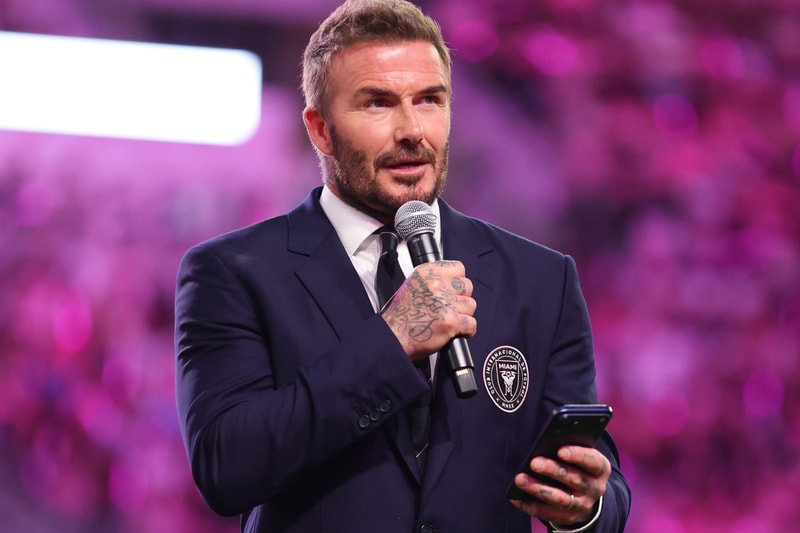
The decisive asset is Inter Miami CF. The MLS franchise, in which Beckham holds a significant ownership stake, recently reached a valuation of $1.45 billion. Beckham acquired his ownership option in 2007 as part of his contract to join the LA Galaxy, a clause that gave him the right to purchase an expansion franchise for $25 million. At the time, the clause was reported as a curiosity, a sweetener in a deal primarily valued for its on-pitch implications. Eighteen years later, that clause accounts for the majority of his billionaire status.
The trajectory inverts the conventional narrative of athlete wealth. The standard path runs through salaries, then endorsements, then post-career media and licensing deals. Beckham followed that path, signing with Adidas, Tudor, and a succession of luxury and consumer brands. But the endorsement income, while substantial, did not produce the billionaire threshold. The equity stake did.
This distinction matters for how the next generation of athletes structures their financial lives. The endorsement model trades on image rights, which depreciate as playing careers end and public attention shifts. The equity model trades on operational upside, which can compound over decades if the underlying asset grows. Beckham's Inter Miami stake appreciated roughly 5,700 percent from acquisition to current valuation. No endorsement contract offers that return profile.
The operational record also matters. Inter Miami has expanded its commercial footprint aggressively over the past three years, signing stadium partnerships, merchandise deals, and broadcast agreements that treat the club as a lifestyle brand rather than a sports franchise. The Messi signing in 2023 accelerated this trajectory, drawing global attention and commercial partners who saw the club as an entry point to the U.S. soccer market. Beckham was not a passive owner during this period. He was actively involved in commercial strategy and player recruitment.
The implication is that athlete wealth increasingly requires athlete involvement. The passive endorser who lends their name to products and collects fees is being outpaced by the active owner who builds businesses and holds equity. Beckham made both plays. The endorsements provided liquidity. The equity provided scale. The combination produced the billion.
Whether other athletes can replicate the model depends on access. Beckham's franchise clause was a product of specific negotiating leverage at a specific moment in MLS history. The league has since tightened expansion terms. But the principle translates. Athletes with capital and operational interest can convert playing-career attention into ownership positions that outlast the career itself. Beckham's billion is a proof of concept.