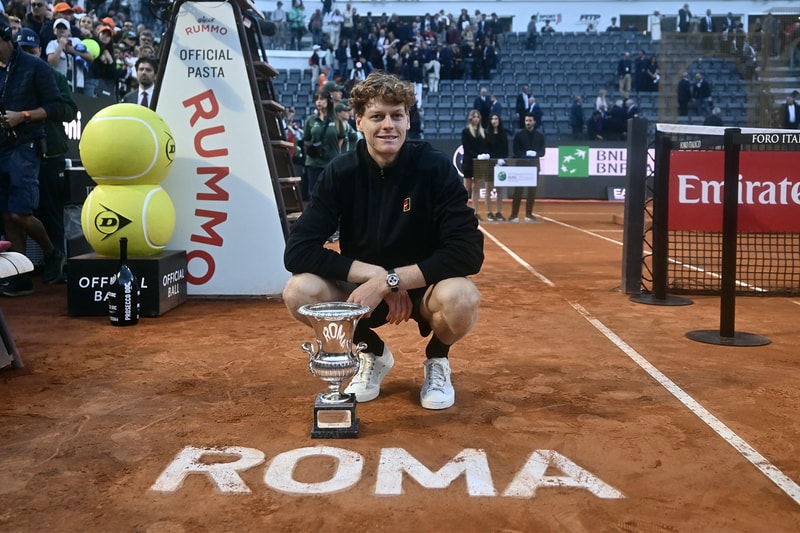
The headline was the shoe. A one-of-one Jack Purcell, made in Italy for Jannik Sinner, presented after he became the first Italian man to win the Rome title in half a century. The tricolore spine, the signature logo, the premium construction: all the hallmarks of a commemorative product designed to generate a news cycle and then disappear into an athlete's personal archive.
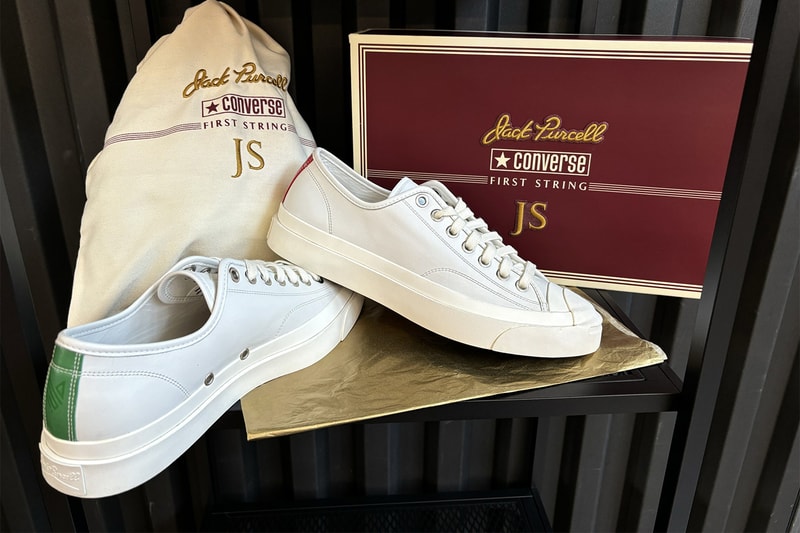
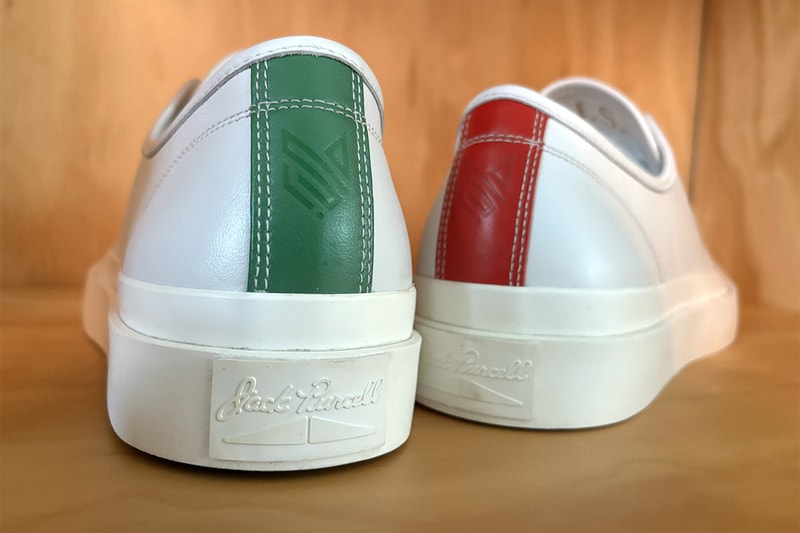
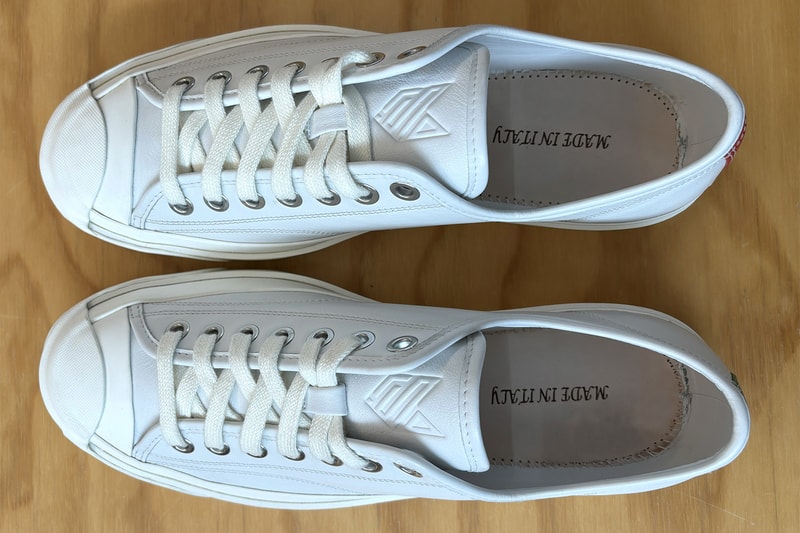
The actual news was three paragraphs down. Converse confirmed that the Jack Purcell will return to regular production, ending a period of intermittent availability that has stretched, depending on how you count, for most of the past decade. The silhouette has never been discontinued outright, but it has drifted in and out of mainline rotation, appearing in Japan or in limited collaborations while remaining effectively absent from the American and European general release calendar.
The Jack Purcell is older than most sneaker silhouettes that still sell. It dates to 1935, originally designed for the Canadian badminton champion whose name it carries. For decades it occupied a lane adjacent to the Chuck Taylor: simpler, lower-profile, preferred by a certain kind of customer who found the All-Star too obvious. In the 1990s and 2000s it was a staple of music and art scenes that wanted canvas without the baggage of skate or basketball branding.
Then it receded. The reasons are various and none fully satisfying. Converse shifted attention to the Chuck 70, which offered a vintage silhouette with higher margins. Collaborations with Comme des Garçons and Fear of God redirected collector attention. The Jack Purcell became a shoe people remembered but could not find, which is a specific category in sneaker culture: the silhouette that exists primarily as a reference point.
Now it returns, announced not through a campaign but through a trophy presentation. The strategy is familiar from watchmaking: use a sport sponsorship to reintroduce a product, let the commemorative version do the storytelling, then release the general-production model once the narrative has landed. Rolex has done this with Wimbledon. Omega has done it with the Olympics. Converse is now doing it with tennis, a sport it has not historically owned but which offers the right visual codes: clean courts, minimal branding, the suggestion of a customer who buys fewer things but keeps them longer.
The Sinner shoe will not release. The Jack Purcell will. The difference matters only if you are trying to buy one, which, beginning later this year, you will again be able to do.