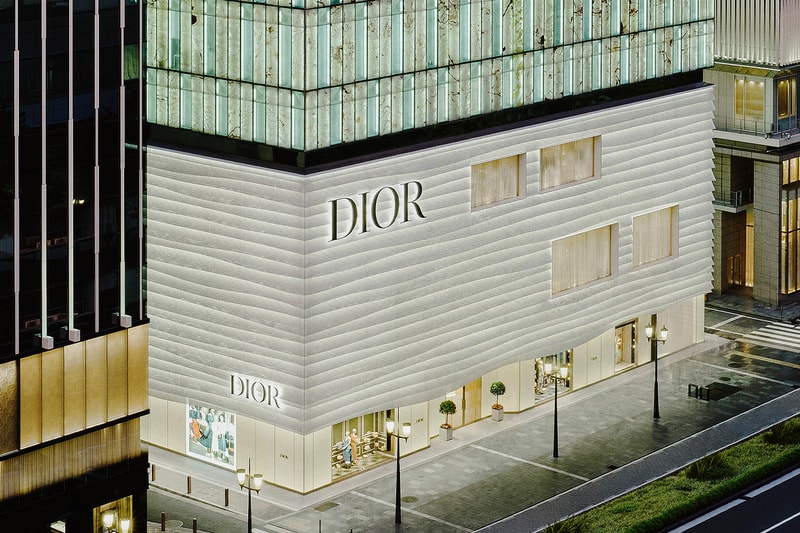
On Thursday, Dior will open the House of Dior Shinsaibashi in Osaka's main shopping corridor. The building carries two names on its credits: Sou Fujimoto, the Japanese architect responsible for the facade, and Peter Marino, the New York designer who built the interior. Both are famous. Both have long relationships with LVMH. Yet the division of labor tells a quieter story about how luxury houses think about architecture now.

Fujimoto's contribution is the exterior shell: a rippling white surface the brand describes as inspired by the drape of haute couture fabric. It is the image that will circulate, the one that will appear on Instagram geotags and travel blogs and eventually in architectural surveys of post-pandemic retail. It is spectacle, legible from across the street, designed to stop foot traffic. It is also, functionally, a wrapper.
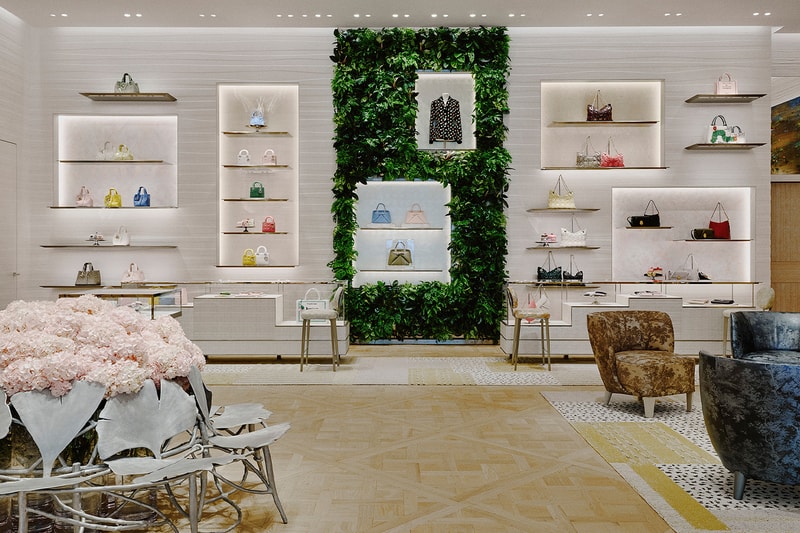
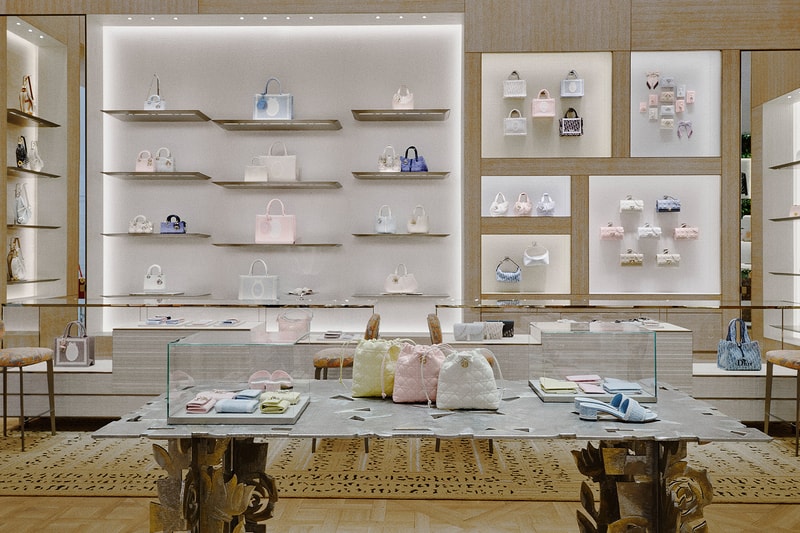
Marino's contribution is everything behind the glass. The four floors of product display, the spacing of rails, the lighting calibrated to flatter silk at arm's length. Marino has built or rebuilt more than two hundred luxury interiors over his career, the majority for LVMH and Richemont brands. He is, in industry shorthand, the man who makes people buy.
The split is not new. Luxury houses have long contracted facade architects separately from interior designers, especially in Japan, where the streetscape carries cultural weight. What is notable about Shinsaibashi is how openly the press materials name both, presenting the project as a collaboration rather than a hierarchy. The framing implies parity. The operational reality does not.
Fujimoto will be credited when the building is photographed. Marino will be credited when it sells. The two metrics do not always travel together. A facade can generate media value without moving inventory; an interior can drive conversion without generating a single editorial mention. Dior's Shinsaibashi is designed to do both, but the labor is sorted into separate invoices, separate press packets, separate award submissions.
This is the institutional logic of flagship retail in 2026: hire a name for the outside, a technician for the inside, and present the seam as a feature. The architecture press will cover Fujimoto. The trade press will cover Marino. Neither will note that the two architects did not, as far as the available materials indicate, design together. They designed adjacently.
The building opens May 21. Jonathan Anderson's ready-to-wear will be on the racks. The facade will photograph well at dusk. The interior will do what Marino interiors do, which is move product at margins that justify the build-out. Whether those two outcomes are the same thing, or merely proximate, is a question the credits do not answer.