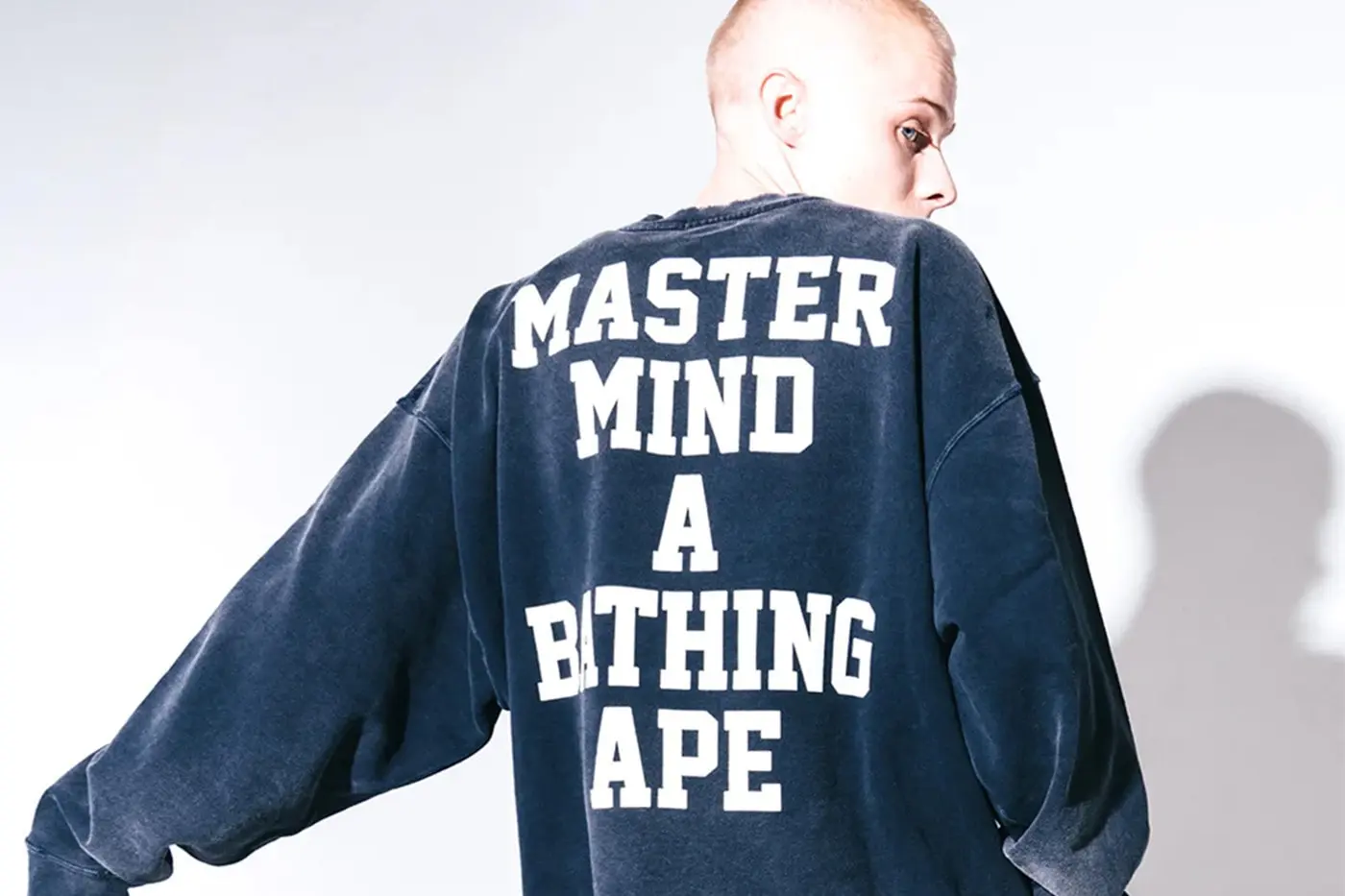
Nineteen. That is the number attached to the new BAPE and mastermind JAPAN collection announced August 11, 2026, titled "mastermind A BATHING APE 19TH." The collection spans a denim jacket, pants, an argyle knit cardigan, a crewneck sweat, a tee, and an original BAPEX watch. Both brands' signature icons, BAPE's STA and mastermind's SKULL, are worked into patchwork, knitwear, and graphics across the range.
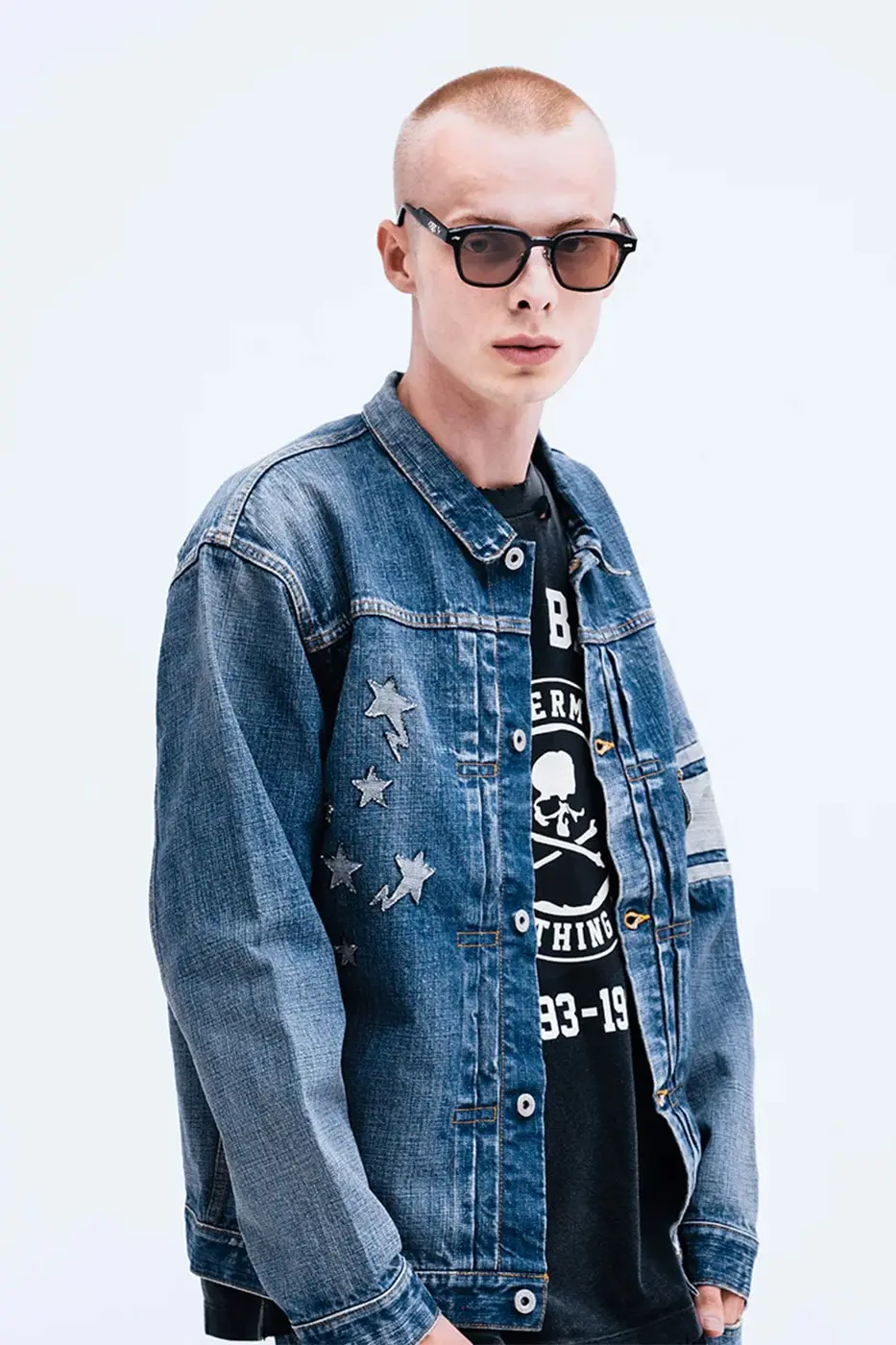
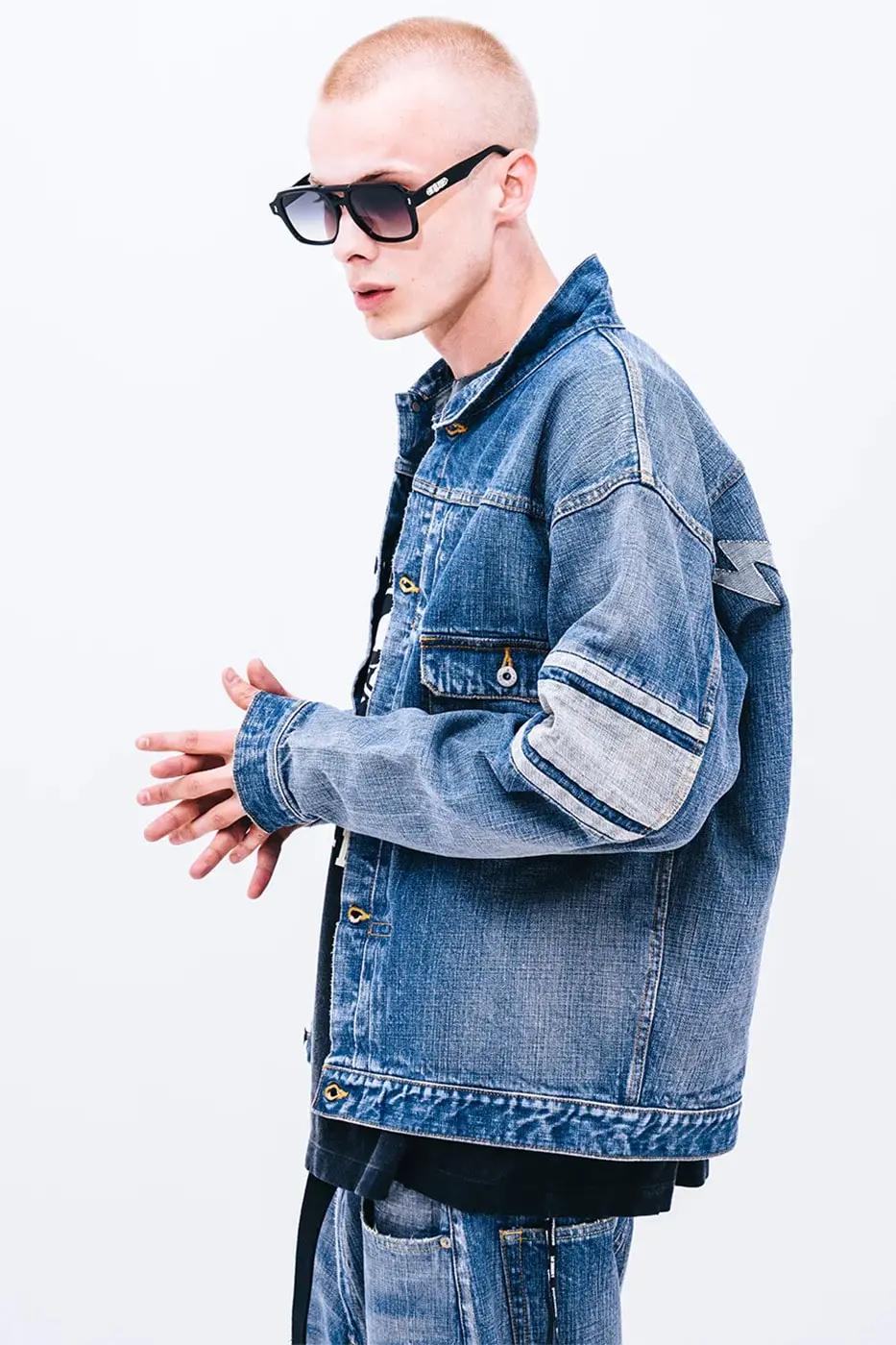
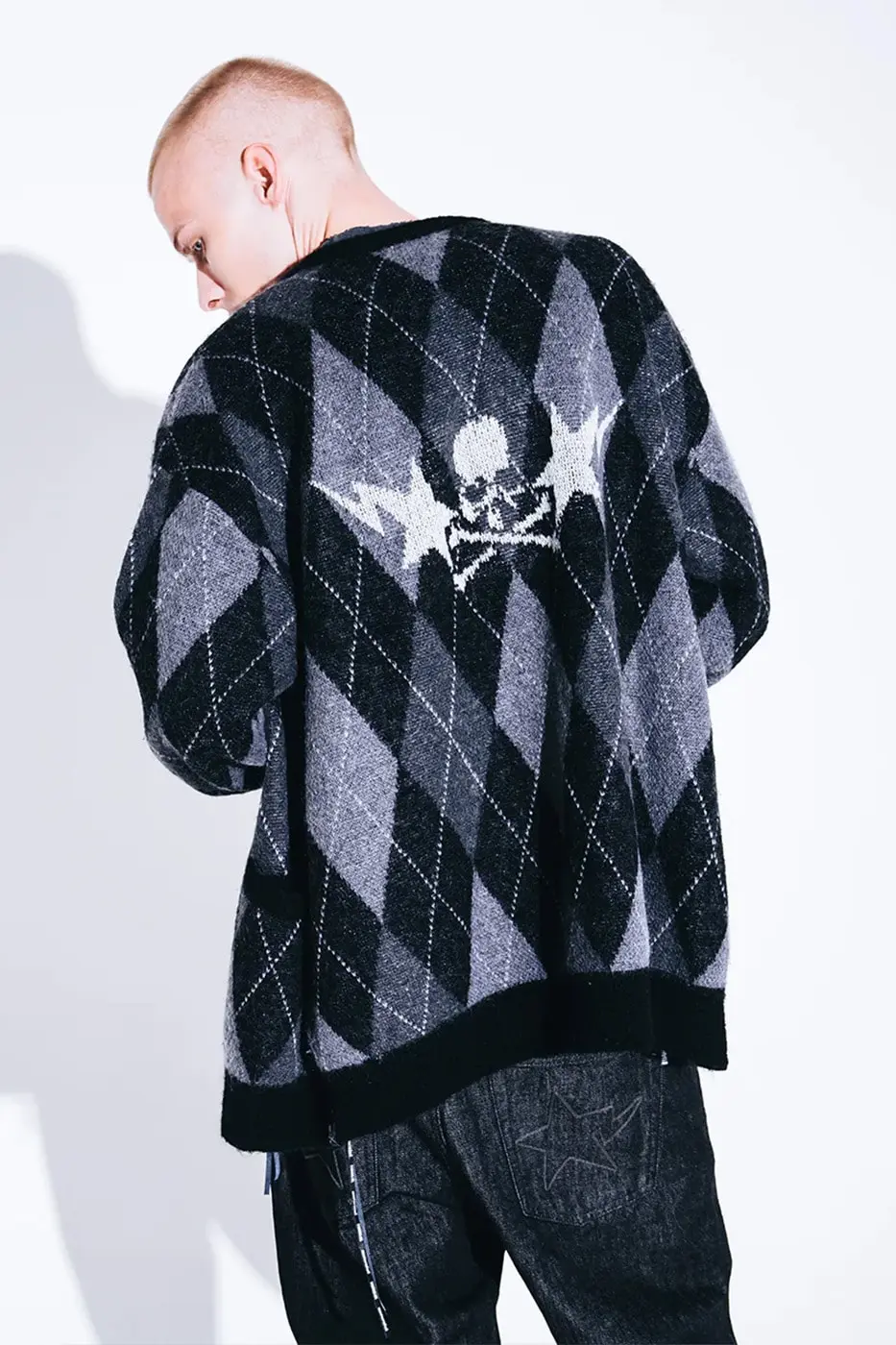
Nineteen collaborations between two labels is not a single drop. It is a standing relationship with its own release calendar, running long enough that the number itself now functions as a marketing hook rather than a footnote. The collection concept is titled "Vintage and Grunge," a theme neither brand has built a full collaborative run around before in this specific framing.
Most streetwear collaborations are announced, sold, and retired within a single season, treated by both brand and press as a discrete event. Nineteen releases over what industry records place at more than a decade means this pairing has instead become a recurring product line under two names, structurally closer to a sub-label than a collaboration. The distinction matters for how the market reads scarcity. A first-time collaboration between two houses signals rarity. A nineteenth signals reliability, closer to a seasonal collection drop than a cultural event.
The operational record shows something press coverage of individual drops rarely states directly: repetition at this frequency changes what the product is for. A single BAPE x mastermind release asks to be collected. A nineteenth release asks to be worn as this season's version of a house style both labels' customers already expect. The count of 19 is public and searchable on both brands' own release histories, yet each new announcement is treated in isolation, without the tally attached. That gap between the running number and the one-off framing is where the actual business model sits.
Consider what the release calendar itself reveals. A partnership that began as a discrete cultural moment has, through sheer repetition, become infrastructure. Neither brand describes it that way in their own copy, but the pattern of announcement, drop, and quiet retirement, repeated year after year, is the definition of a standing product line rather than an event. The vintage and grunge framing this time around is simply this cycle's variation on a formula both labels' customers already recognize on sight.
That recognition is the actual asset being sold. The STA and the SKULL do not need reintroduction with each release, because the collaboration's own history has already done the work of making their combination familiar. What each new drop offers is not surprise but confirmation, a fresh set of pieces, a fresh theme, and the same underlying promise that this pairing will keep showing up. The scarcity language that surrounds a first-time collaboration simply does not apply here, and neither brand's marketing pretends otherwise so much as it avoids the subject.
The gap between the running count and the one-off framing is therefore not an oversight. It is a choice about which story to tell. Treating each release as its own isolated event lets both brands keep selling the feeling of discovery, season after season, even as the underlying relationship has long since settled into something closer to routine. The tally sits in plain view on both brands' own release histories, available to anyone who checks, and absent from the announcement copy all the same.
Nineteen collaborations. One shared theme repeated with variation. The tally is the fact neither brand's own copy puts in the headline.