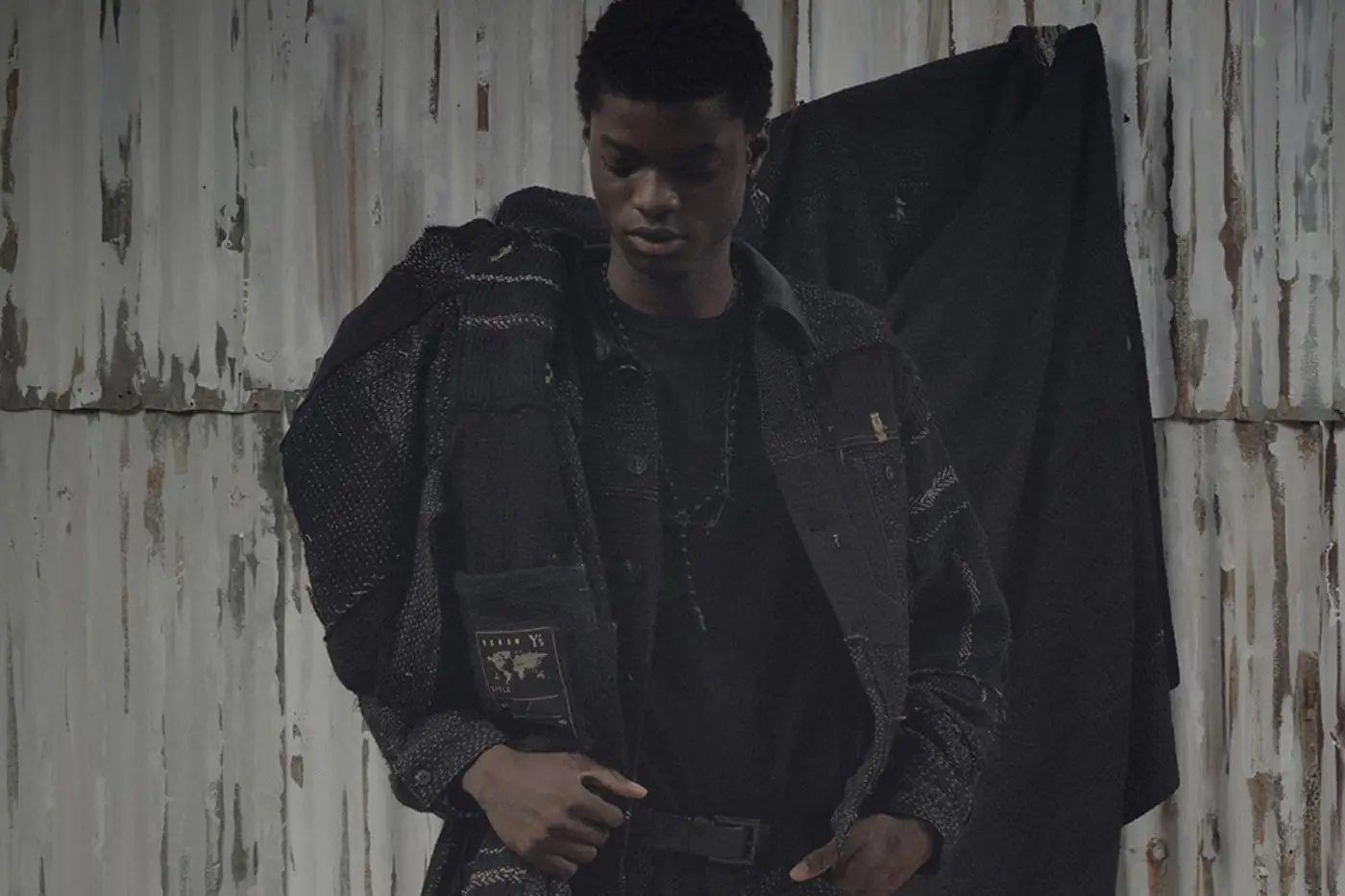
The coat is heavier than it looks, its surface mapped with the running stitches of Bengali kantha work, the kind of embroidery that turns old saris into quilted layers for warmth and ceremony. That textile tradition, centuries old on the subcontinent, now arrives at Y's Omotesando dyed the deepest possible black, a shade achieved through kuromontsuki techniques developed in Kyoto for Edo-period mourning dress.
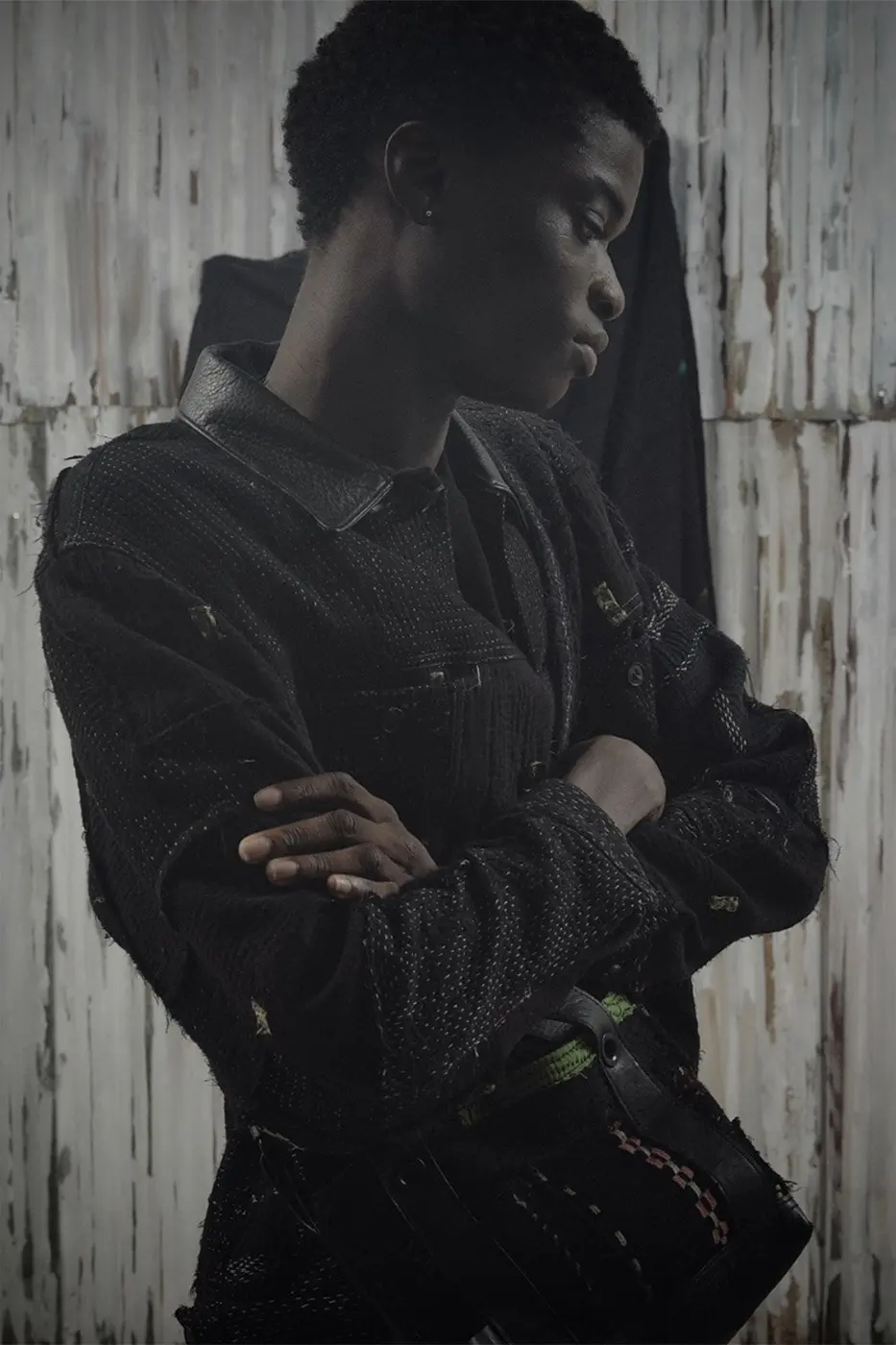
The collaboration pairs Yohji Yamamoto's diffusion line with FAF, a Tokyo streetwear label whose full name, Fake As Flowers, signals an interest in the artificial and the handmade colliding. Six pieces drop August 7: coats, jackets, pants, bags. The exclusive patchwork variants land only at Omotesando. Pricing has not been disclosed, but Y's mainline coats typically sit between ¥150,000 and ¥300,000.
What makes this capsule worth tracking is the craft lineage it stitches together. Kantha quilting emerged from rural Bengal as a form of recycling, women layering worn cloth and binding it with simple running stitches. Kuromontsuki dyeing emerged from Kyoto's formal-wear industry, where black had to be black enough to absorb grief. Neither tradition was designed for the other. Both are labor-intensive, both are specific to their geography, and both have been drifting into fashion's vocabulary separately for years.
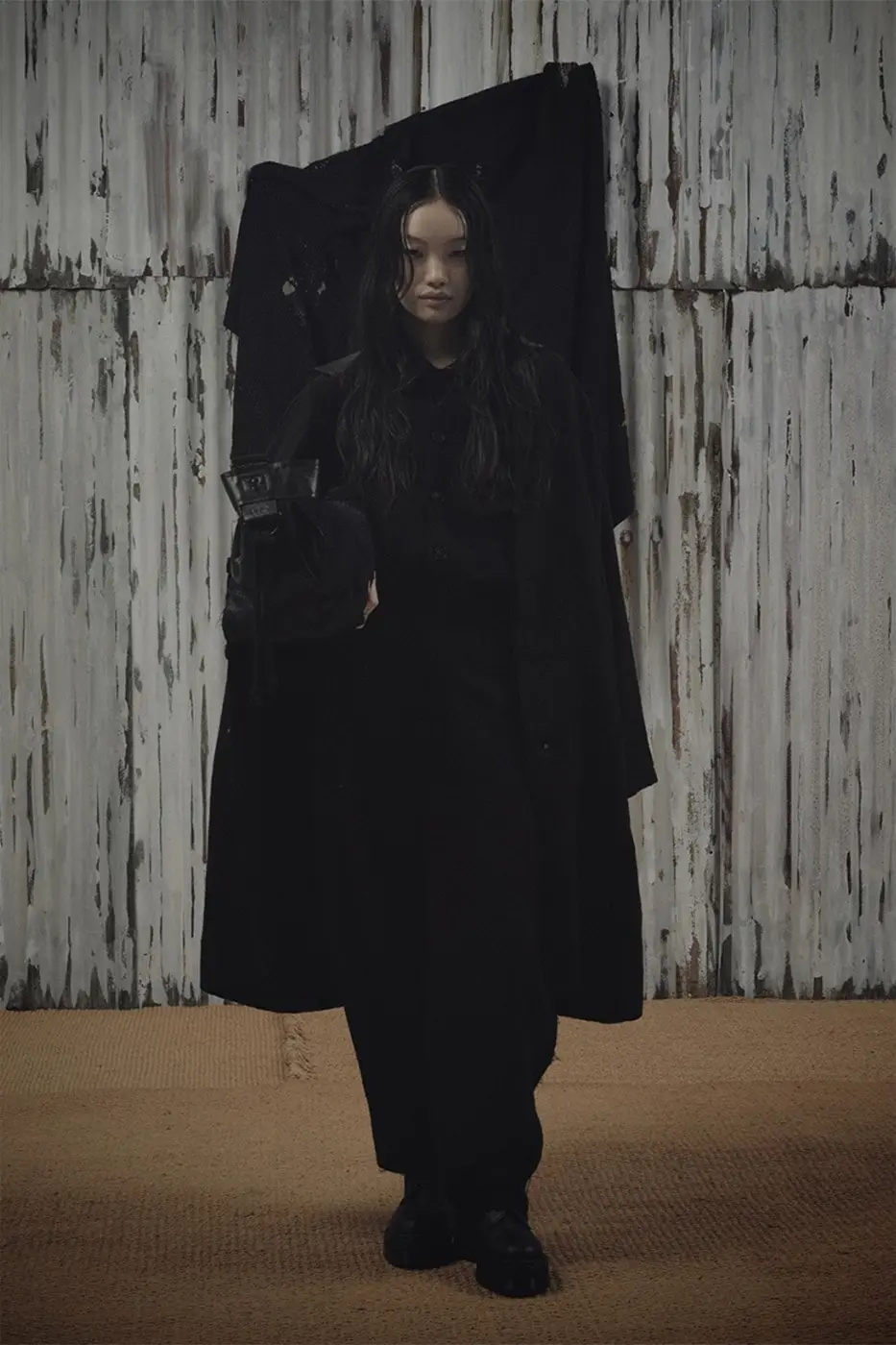
Y's has collaborated before, with Dr. Martens, with Neighborhood, with New Era. FAF is newer, founded in 2019, with previous capsules leaning on graphic tees and workwear shapes. The pairing here is less about logo swaps than about process: take a South Asian textile technique, run it through a Japanese dye house, and fit it to Yamamoto's anti-fit silhouettes.
The broader pattern is craft recombination as a growth strategy for diffusion lines. Comme des Garçons Homme Plus has layered Peruvian weaving into recent collections. Junya Watanabe has sent patchwork down the runway for a decade. What Y's and FAF propose is the same impulse, scaled to six SKUs and a single retail address.
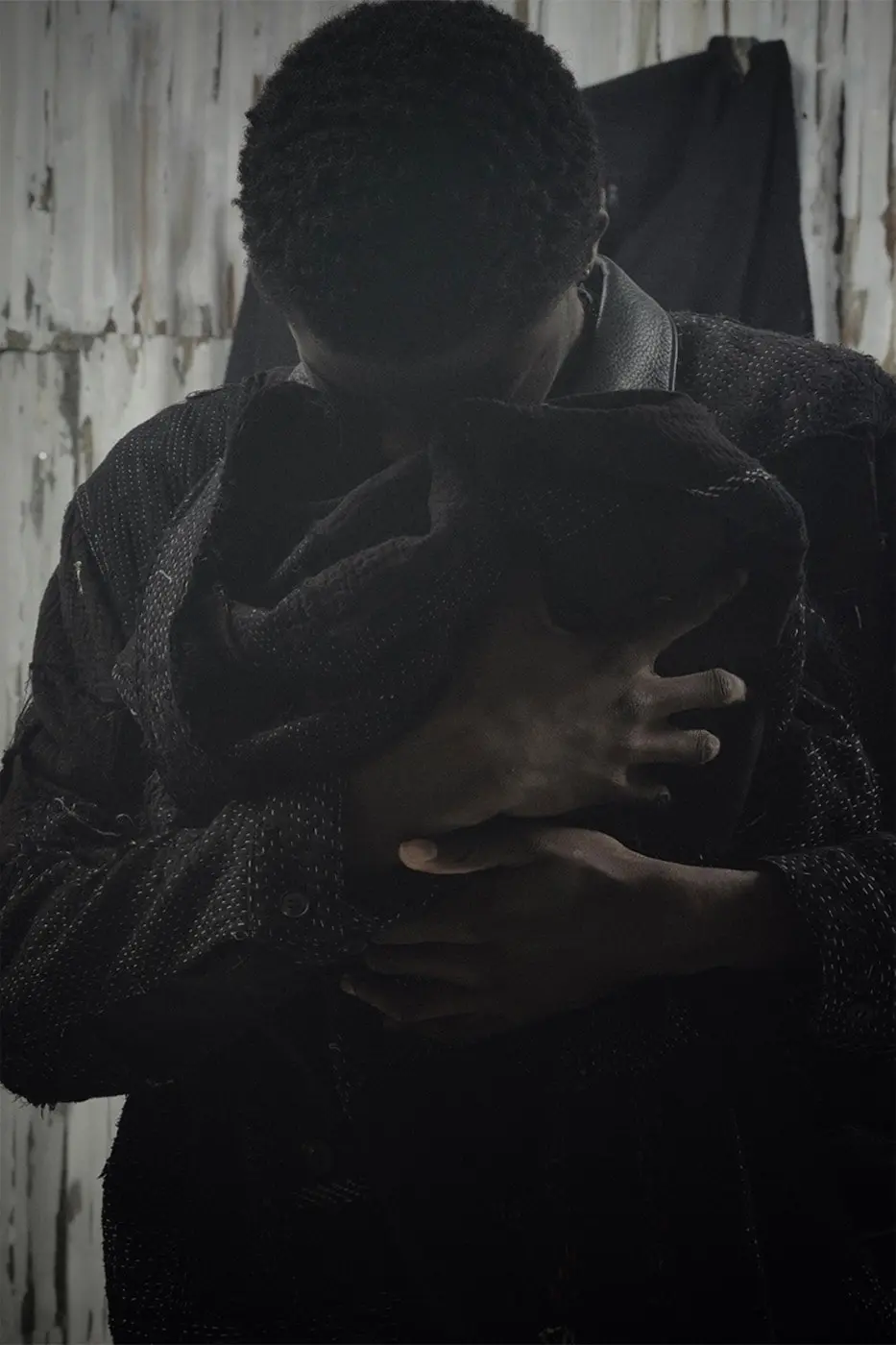
The category this capsule now occupies is not quite streetwear, not quite Yamamoto mainline, not quite artisan revival. It sits in the territory where diffusion-price garments carry heritage-craft signifiers without the heritage-craft lead times. The August 7 drop at Omotesando offers the clearest test yet of that positioning at Y's price points, and the formula is already legible: one Asian textile tradition, one Japanese finishing technique, one diffusion label willing to stitch them together.