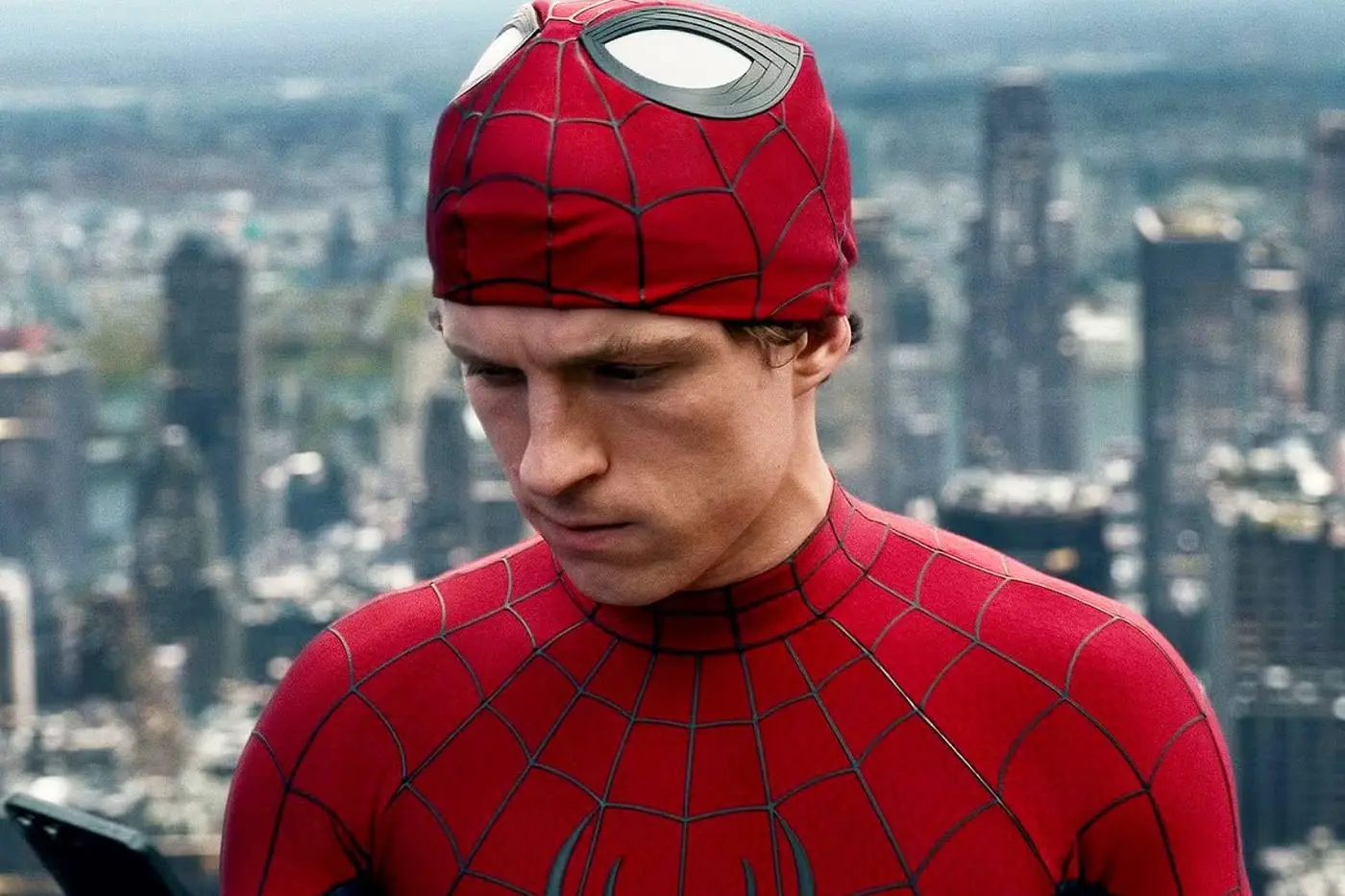
The number is the headline: $360 million domestic, a figure that edges past Avengers: Endgame's $357 million opening from 2019 and now sits atop the all-time North American box office chart. Globally the film has done $932 million in its first weekend. Sony and Marvel are letting that comparison do the talking, because Endgame was a 22-film crossover event, the biggest ensemble cast Hollywood had assembled, and the emotional finale to a decade of serialized buildup. Spider-Man: Brand New Day is one character, one franchise, no ensemble.
That is the mechanism worth naming: box office records convert into cultural credit only when the audience believes the comparison is fair. You have seen this pattern before, when a sequel breaks an opening weekend record set by a film with a completely different release context, ten more years of ticket price inflation, a wider global multiplex footprint, or a pandemic-era backlog of demand. The record is real. The equivalence implied by stacking it against Endgame is doing more work than the number itself.
The comparison that actually tells you something is internal: Holland's own trilogy. Homecoming opened to $117 million domestic in 2017. Far From Home opened to $92 million in 2019. No Way Home, boosted by multiverse nostalgia casting, opened to $260 million in 2021. Brand New Day has now cleared that ceiling by $100 million, meaning the character's opening-weekend pull has more than tripled in nine years without a single crossover gimmick propping it up this time. That is the preference signal that matters, not the Endgame stack-up. Audiences are not showing up because Robert Downey Jr. or a returning villain is in the frame. They are showing up for Holland's Spider-Man specifically, at a scale his own earlier films never reached.
Line up Holland's solo openings and the shape of the trend matters more than any single figure. Homecoming introduced the character to a modest debut. Far From Home followed with a softer opening despite arriving after the character's highest-profile ensemble exposure. No Way Home then broke the pattern entirely, lifted by nostalgia casting and multiverse stakes that pulled in audiences well beyond the character's usual base. Brand New Day breaks the pattern again, and this time without a crossover device to explain the jump.
That absence is the detail Sony and Marvel are not emphasizing. No Way Home's record could be attributed to the gimmick: returning villains, returning actors, a stunt engineered to reward long-term franchise loyalty across multiple film series. Brand New Day has none of that scaffolding. It is Cretton, Holland, and a single continuous story, and it still cleared No Way Home's ceiling by a wide margin. A comparison against Endgame's ensemble cast flatters the number. A comparison against Holland's own trilogy explains it.
Destin Daniel Cretton directing a fourth solo installment to a bigger number than three ensemble Avengers pictures managed at their peak is the real story here, and it is one that a record-versus-Endgame headline obscures rather than reveals. The second-weekend drop is the number to watch: a hold close to No Way Home's unusually strong pattern says Sony built a tentpole, and a steep collapse says it rented one weekend of record headlines. Sony should read the second weekend, not the opening one, as the verdict on this franchise.