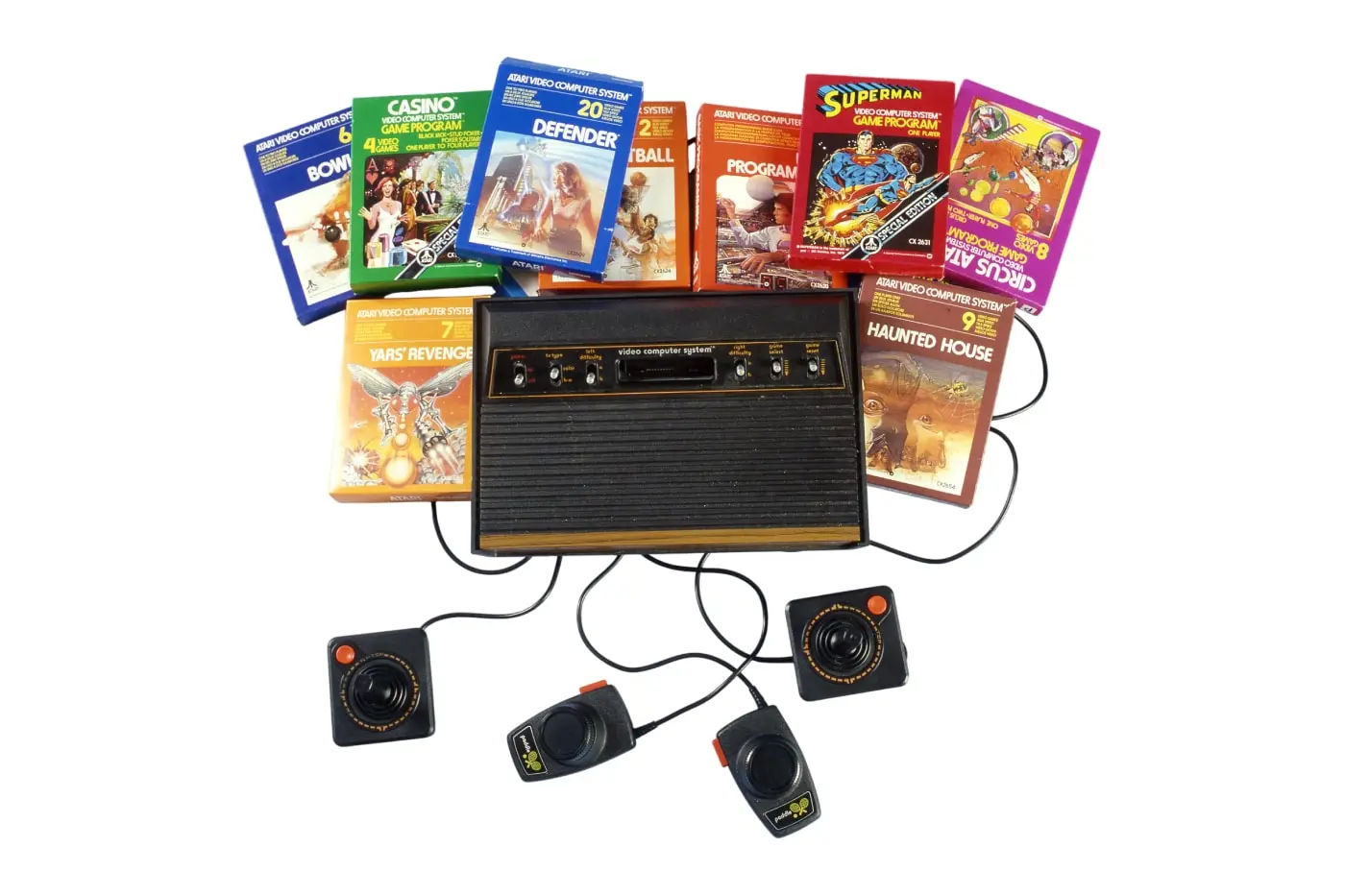
Ten titles. One studio deal. Zero gameplay mechanics that translate to narrative cinema without total reinvention.
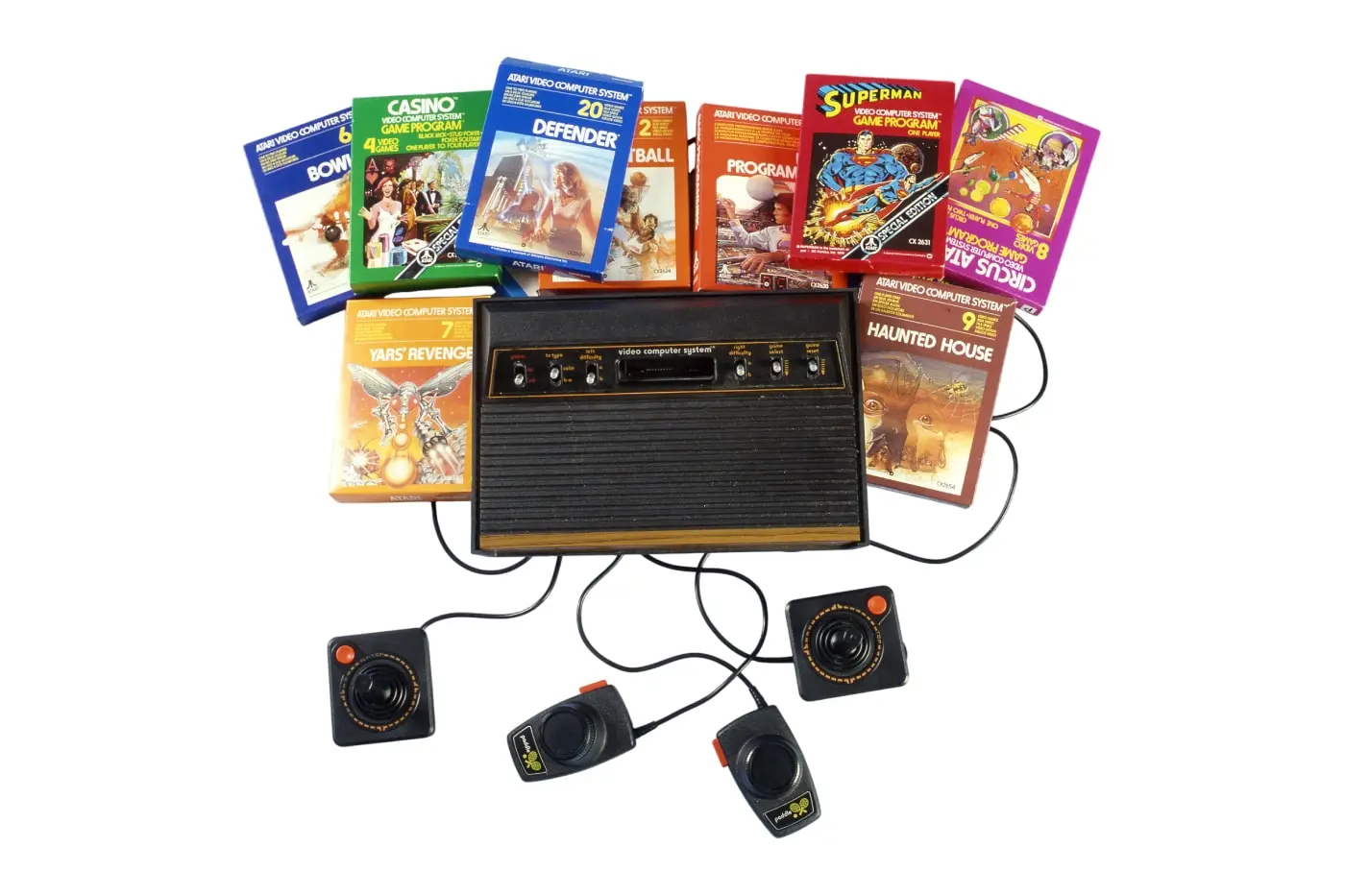
Universal Pictures announced a partnership with Atari and Entertainment 360 to develop feature films based on ten classic arcade properties. The slate includes Pong, Asteroids, Centipede, and Missile Command. Producer Guymon Casady and writers Matt Reilly and Carl Hampe are attached.
The business logic operates at the level of brand recognition, not source material. Pong is a paddle and a ball. Asteroids is a ship and rocks. Centipede is a bug descending a screen. These are not narratives. They are not characters. They are words that anyone over 35 can identify, attached to visual patterns that carry generational nostalgia.
Universal's bet is that "Asteroids" on a movie poster outperforms an original sci-fi title by a measurable margin in opening-weekend awareness. The content of the film could be anything. The name does the marketing work.
Atari's corporate history complicates ownership claims. The company has cycled through bankruptcy, acquisition, and brand licensing since the 1980s. The Atari selling these rights bears little operational connection to the Atari that created Pong in 1972. What transfers is the trademark, not institutional continuity.
The ten-film scope invites comparison to other bulk IP deals. Warner Bros. acquired Lego film rights and produced four features over seven years. Paramount's Hasbro relationship yielded Transformers, G.I. Joe, and Battleship across a decade. Both partnerships produced hits and failures. Neither averaged ten films into production.
Universal describes the projects as "large-scale action adventures." Pong as a large-scale action adventure requires imagining a premise disconnected from a paddle hitting a ball. Missile Command as a large-scale action adventure requires Cold War retrofitting. These are title searches, not adaptations. The 8-bit originals provide nothing except words that test well in awareness surveys.
Four of the ten titles named (Pong, Asteroids, Centipede, Missile Command) have been in development at other studios previously. None reached production. Universal's announcement resets the clock on properties that have cycled through Hollywood option agreements for decades.
The attachment of Casady, Reilly, and Hampe signals development-stage commitment, not production greenlight. Writers and producers cycle through IP deals routinely; their presence indicates Universal is funding scripts, not cameras. The distinction matters because bulk acquisition announcements frequently collapse before principal photography. Warner Bros. and Paramount required years between deal and first frame. Universal's ten-property scope suggests optionality, not obligation: the studio can advance whichever title gains traction and quietly shelf the rest.
Atari's corporate discontinuity compounds the adaptation problem. The original designers who created Pong and Asteroids hold no stake in the current trademark holder. The films will not draw on creator interviews, design documents, or institutional memory because that lineage severed decades ago. Universal is licensing a word and a logo. Everything else must be invented, which returns the project to the baseline challenge of original filmmaking, minus the freedom to choose a title that describes the actual story.
The first film in the slate is targeted for 2029. By that date, the median moviegoer will have been born after Atari exited the console market.