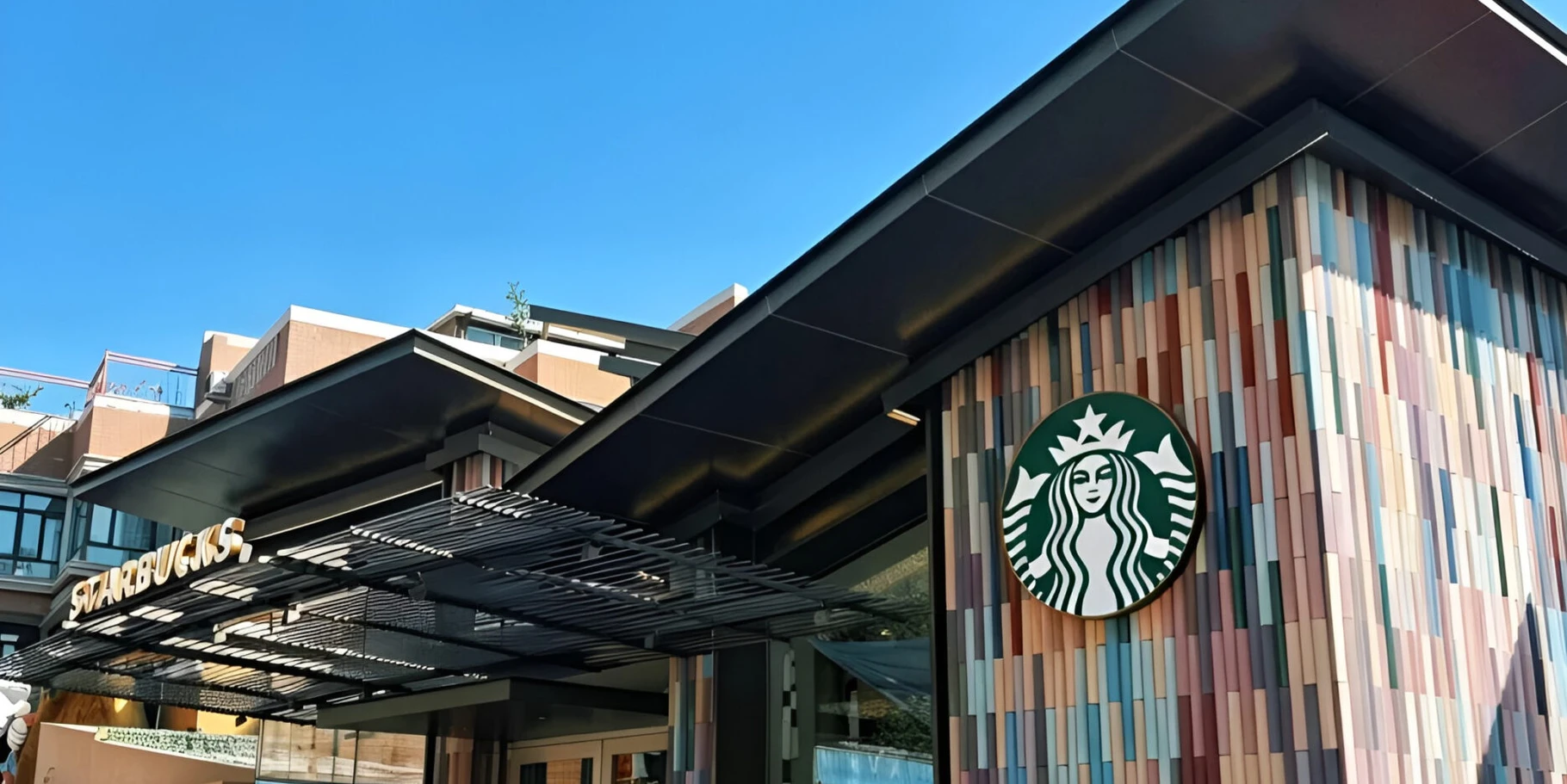
Two Starbucks cafés opened this month in Xinjiang. One sits inside Ürümqi Tianshan International Airport. The other occupies a storefront at the city's International Grand Bazaar, built with canopy shapes borrowed from regional architecture. Both are the company's first locations in the region.
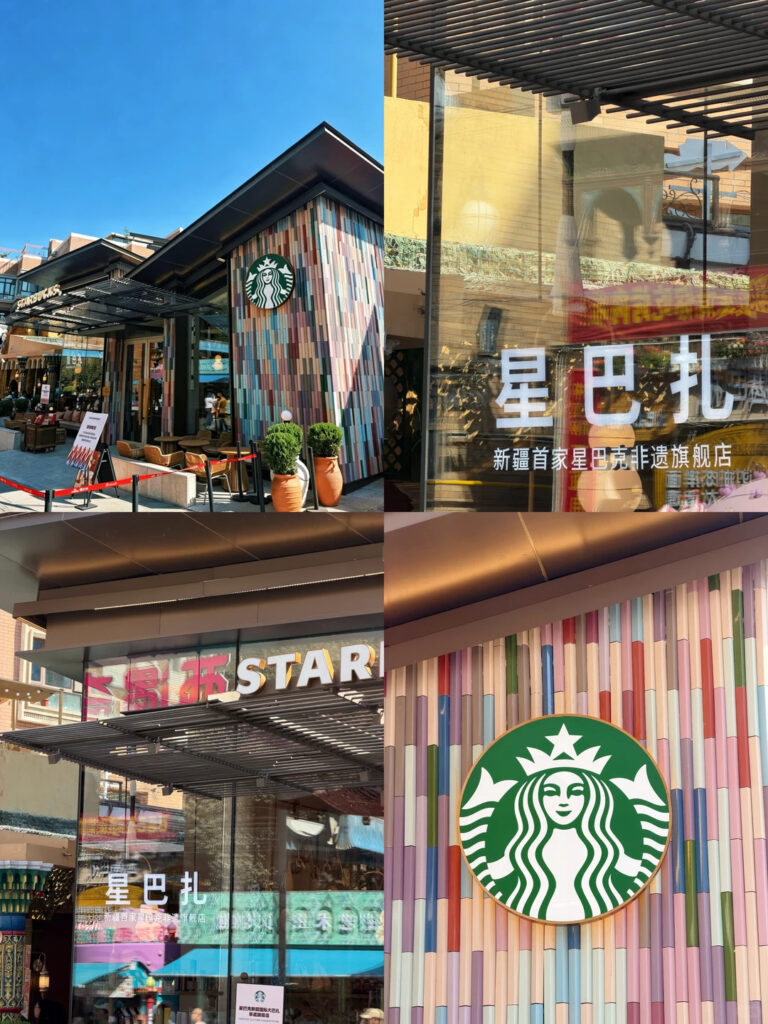
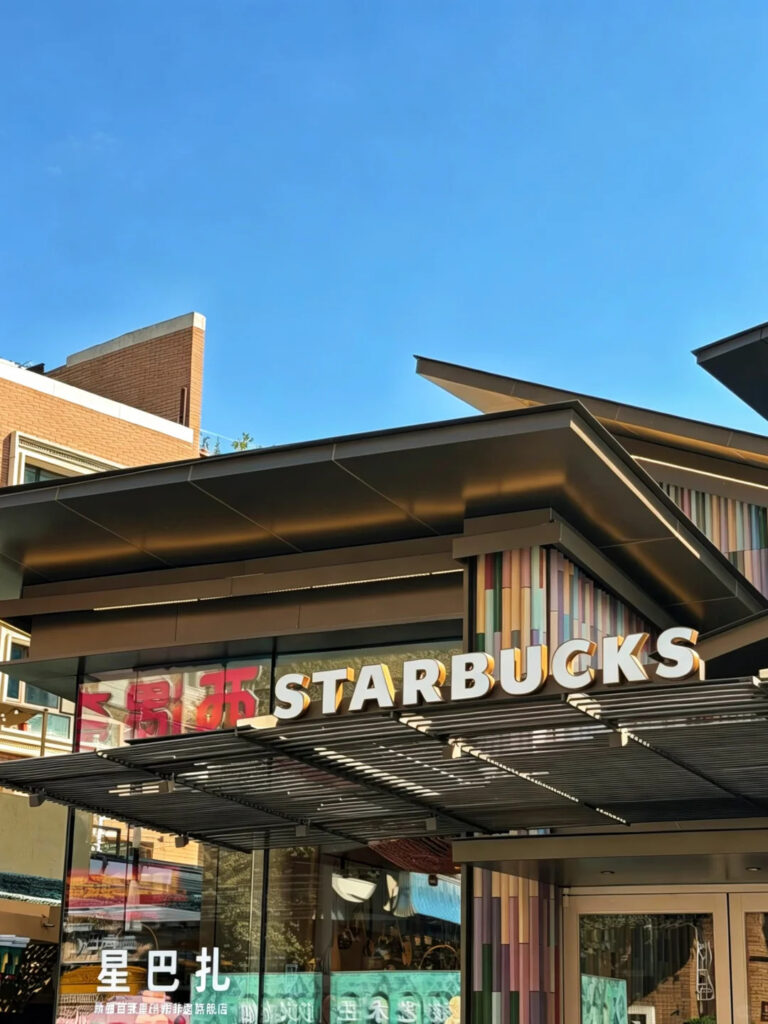
Xinjiang state media linked the openings to what it called the region's first-store economy, a policy framework that rewards brands for bringing a debut location to the province. Starbucks has not issued a statement connecting the launch to that framework. Its own 2026 announcement with joint-venture partner Boyu Capital frames the openings as part of a plan to expand to as many as 20,000 locations across China over time.
Four years ago, H&M said it would stop sourcing cotton from Xinjiang over concerns about forced labor, citing third-party reporting. The statement triggered a boycott inside China that the company has not fully recovered from in that market. Starbucks has made no public statement on the same set of concerns, and its first two Xinjiang stores opened without one.
The company's public language describes the openings purely in terms of growth and regional flavors. The operational record describes something more specific: a brand entering the exact region where a competitor's public statement on sourcing practices became a four-year commercial liability, and choosing silence as the entry strategy instead.
The comparison between the two companies is not a matter of product category or price point. It is a matter of timing and sequence. H&M made its statement first and absorbed the consequences afterward, over four years, in a single national market. Starbucks has reversed that order. It has entered the market first, opened two stores, and said nothing about sourcing at all. The sequence avoids the triggering event rather than managing its aftermath.
That avoidance is itself a policy, even without a written one. A company expanding toward twenty thousand locations across China has every incentive to treat Xinjiang as a normal regional market rather than a contested one. The airport location and the bazaar location both lean on regional architecture and regional flavors in their public presentation, language that describes growth and design rather than labor sourcing or regional politics. Nothing in that language acknowledges the H&M precedent, and nothing in Starbucks's own joint-venture announcement with Boyu Capital mentions Xinjiang by name as a special case.
The first-store economy framework gives Xinjiang state media a reason to celebrate the openings regardless of what Starbucks says or does not say. That framework rewards the act of opening, not the content of any statement. Starbucks has taken the reward without taking a position, leaving two open stores, a twenty-thousand-store target, and zero public statements as the only verifiable facts on record.
Twenty thousand locations is the stated target. Two are open. Zero public statements on Xinjiang sourcing accompany either one.