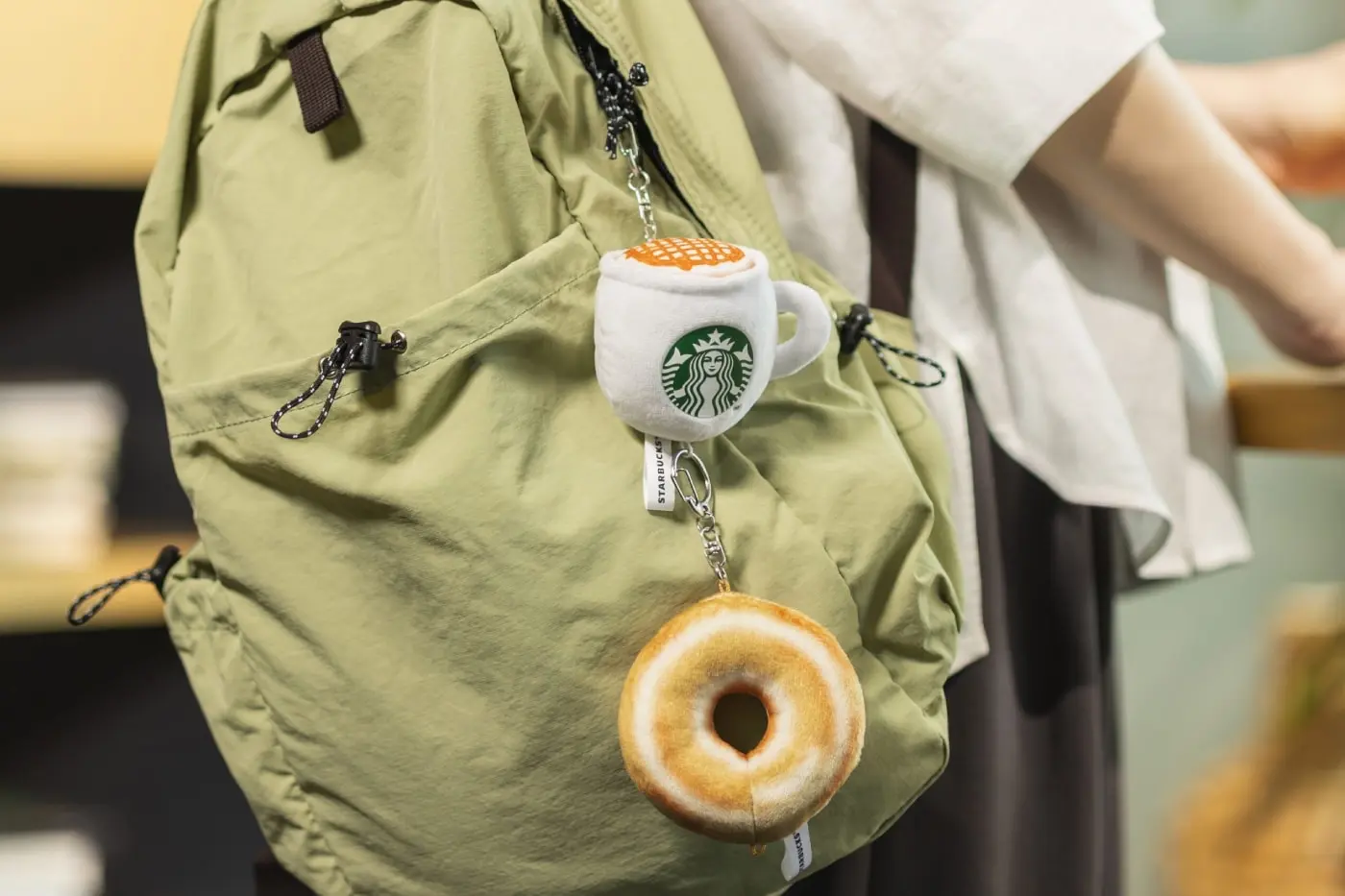
The charms are palm-sized, soft to the touch, and shaped like a Frappuccino cup with the familiar green siren. They come sealed in opaque capsules, dispensed from vending machines that have been fixtures of Japanese retail corners for decades. On August 2, Starbucks Japan will begin selling them under the name Joyful Capsule, marking the company's first entry into gachapon, the blind-box collectible format that predates modern streetwear drops by half a century.
The timing is deliberate. August 2 is the anniversary of Starbucks' arrival in Japan, and the company is framing the release around that date. But the more revealing detail is the format itself. Gachapon machines sit in train stations, convenience store alcoves, and department store lobbies across the country. They sell capsules containing figurines, keychains, miniatures, and novelty items, typically for between 200 and 500 yen. The ritual is simple: insert coins, turn the crank, receive a random item. The format has survived e-commerce, smartphone commerce, and the general compression of retail because it turns shopping into a tactile, chance-based encounter.
Starbucks' entry repositions the company. In its home market and across Europe, Starbucks operates as a coffee chain with an adjacent merchandise business: tumblers, tote bags, seasonal mugs. The merchandise exists to extend the brand experience into daily life. In Japan, the company has run an aggressive merchandise program for years, releasing region-exclusive drinkware and collaborations at a pace that outstrips most Western markets. But gachapon is a different register. It is not a shelf display. It is not a seasonal drop with a fixed release window. It is an always-on, decentralized distribution system that places the product in proximity to commuters, tourists, and anyone passing through a station.
The Joyful Capsule line includes plush versions of recognizable Starbucks menu items, each small enough to clip onto a bag or keychain. The company is selling them under the concept tagline "Starbucks Charm with Warmth," which reads as an attempt to attach the emotional vocabulary of gift-giving to a vending machine transaction. Whether the line succeeds as a collectible will depend on how well it circulates in resale and trade communities, where gachapon items are sorted, priced, and exchanged by character, series, and rarity.
The move places Starbucks inside a category it has watched from the outside. Japanese convenience stores, railway stations, and arcades are filled with branded gachapon from Sanrio, Bandai, Takara Tomy, and dozens of smaller licensors. Food brands have entered the space intermittently, usually through licensed partnerships rather than direct releases. Starbucks is running this one itself, which means the company is now operating in capsule toy retail, a category with its own collectors, its own secondary markets, and its own velocity expectations.
The company is no longer just a coffee chain with merchandise. In Japan, it is now a capsule toy licensor.