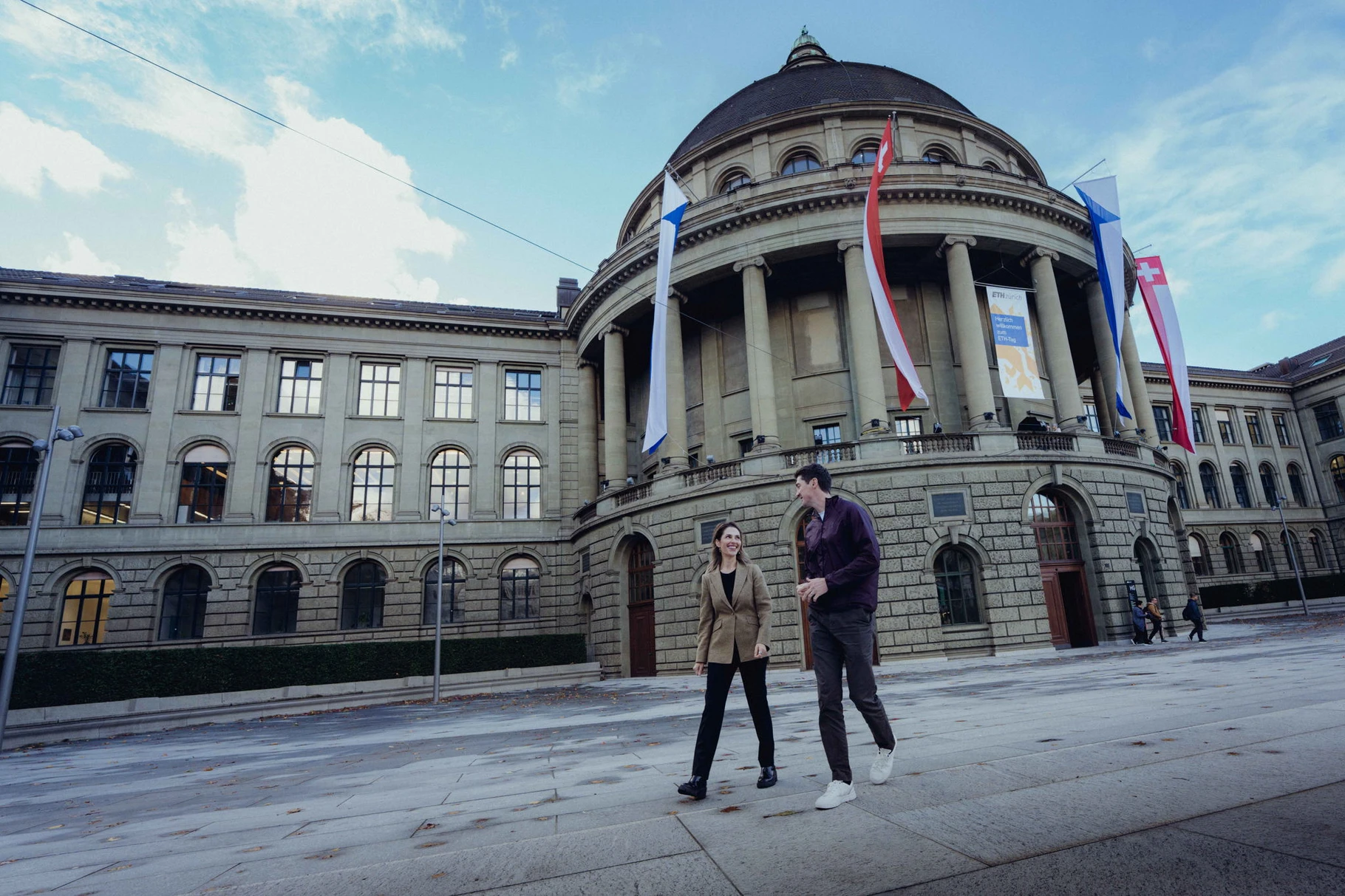
On announced its partnership with ETH Zurich on November 25. The company called it a deal to "redefine the future of movement and sportswear." Two days earlier, on November 23, On opened its first store in Jeddah, inside a Westfield mall. The week before that, on November 20, the company announced four new US store openings for the fourth quarter: Tysons, Aventura, Philadelphia, and one more. On November 26, a separate release detailed a new sustainability data partnership with Fashion for Good and Carbonfact.
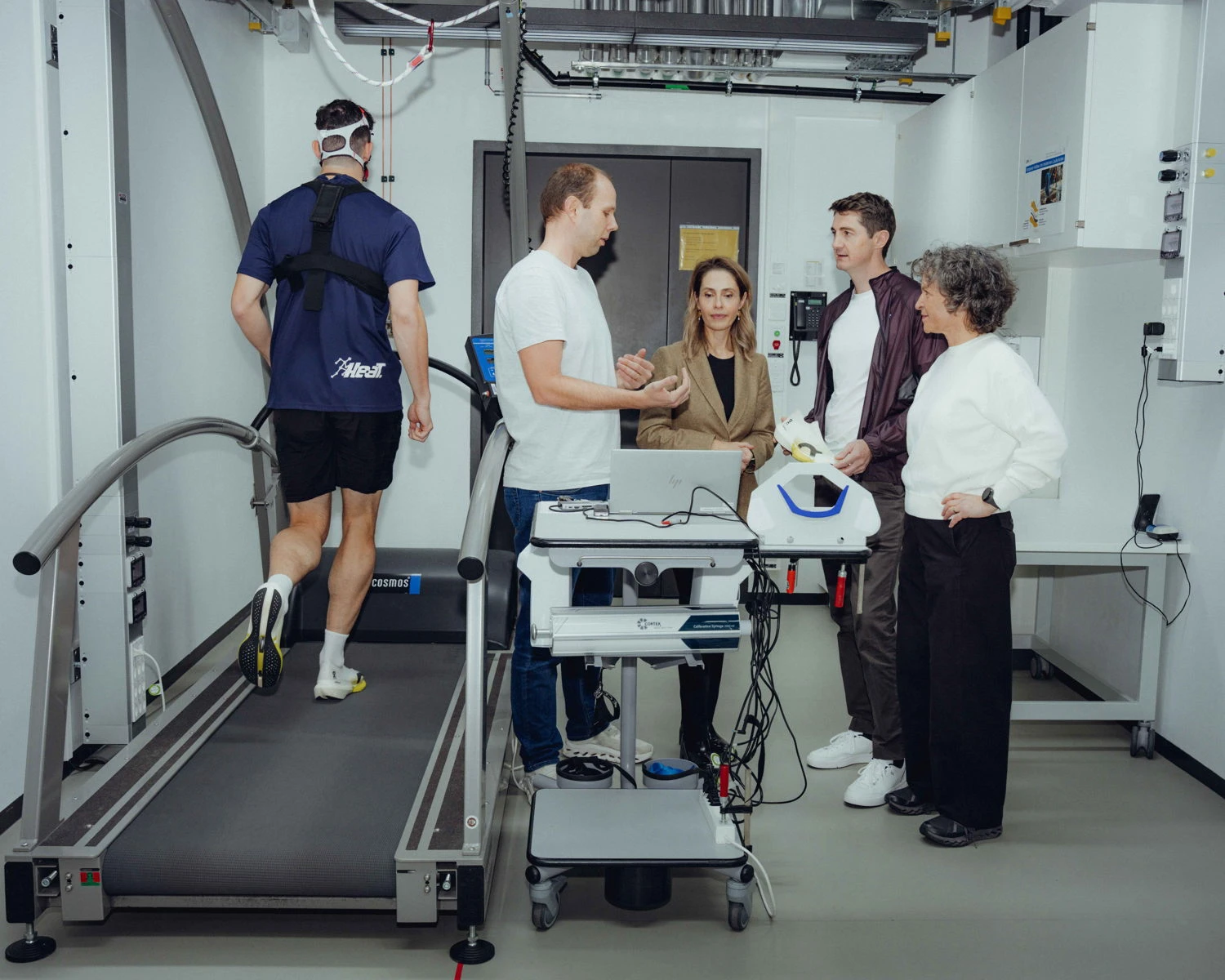
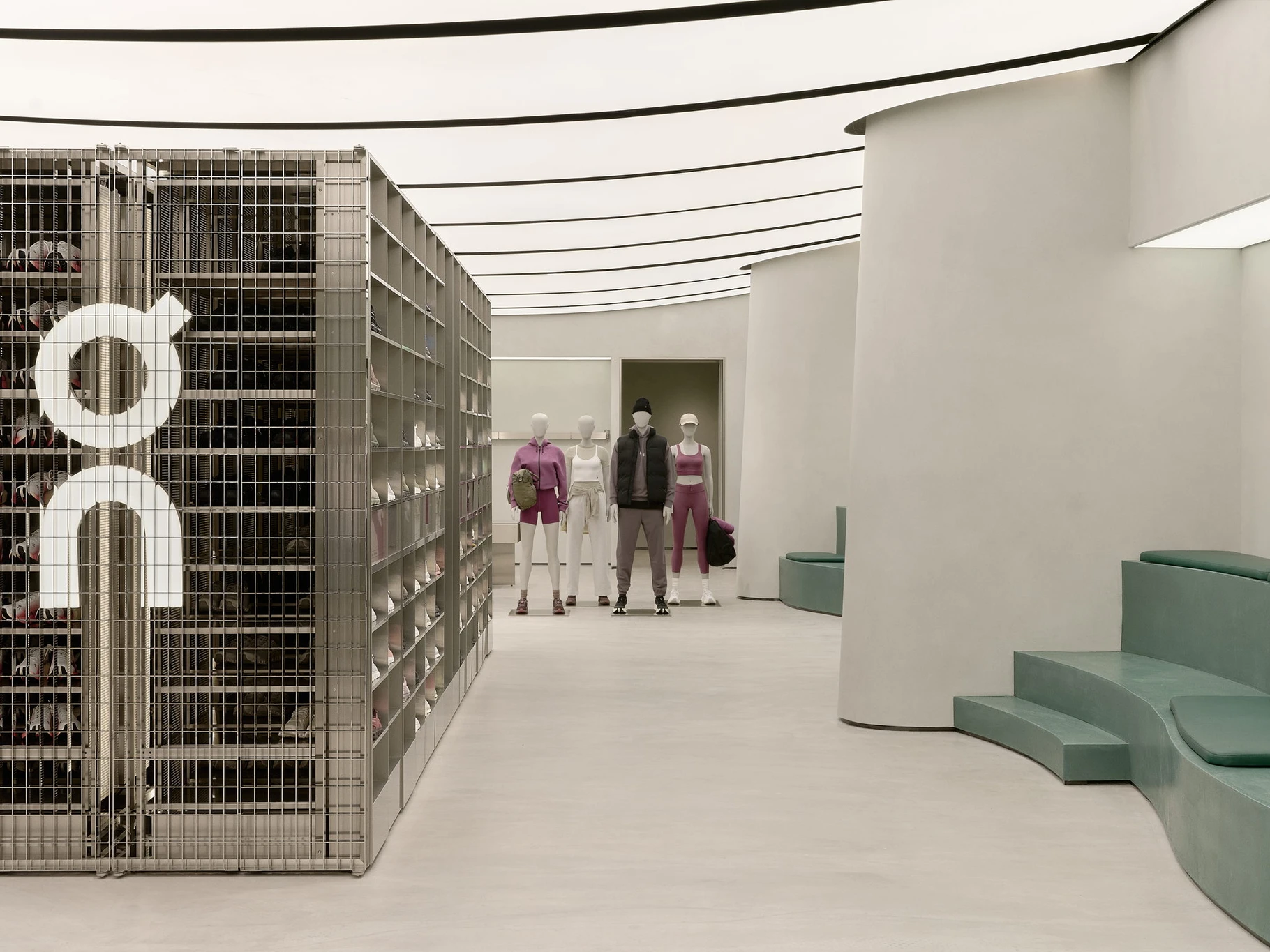
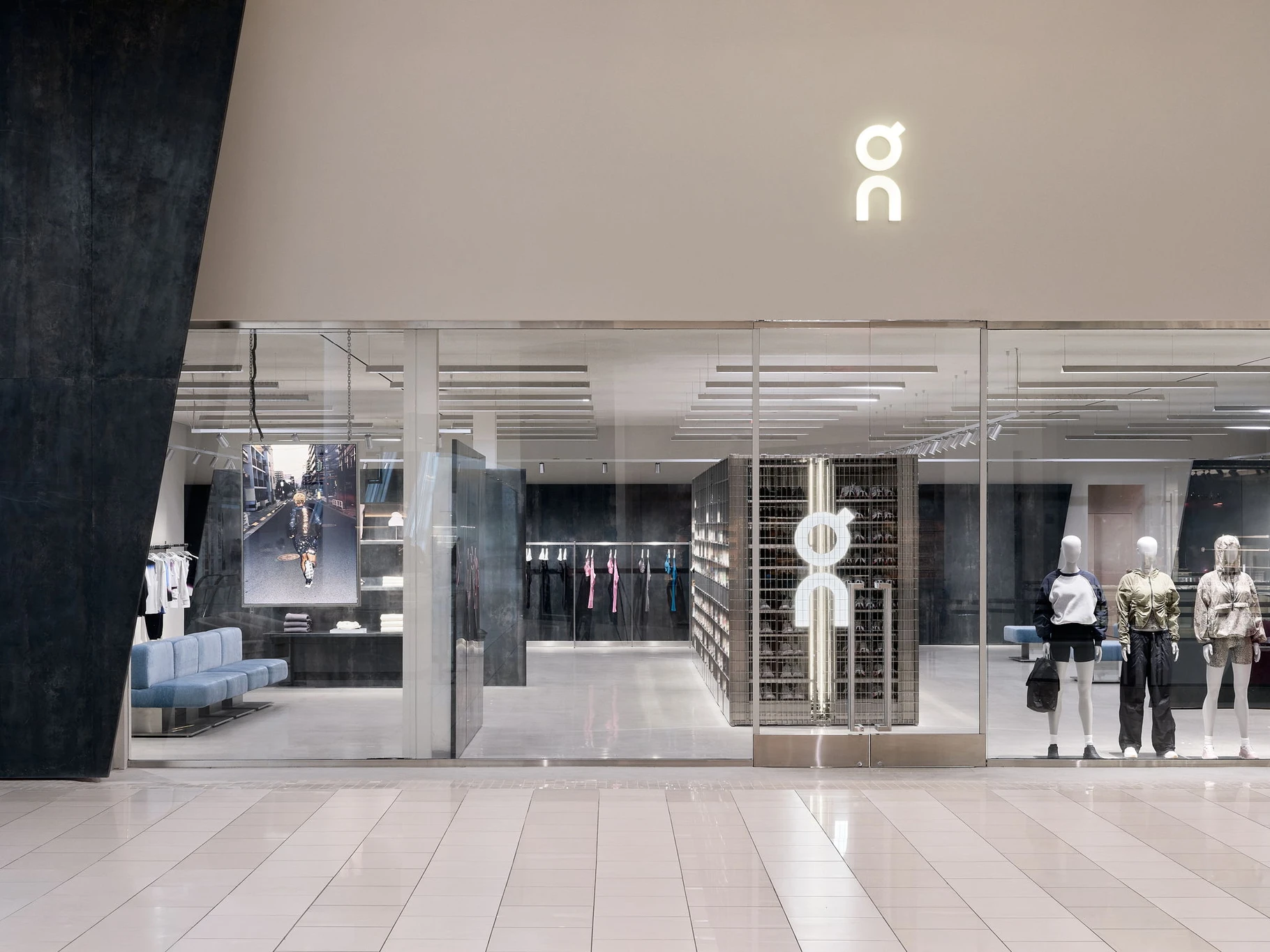
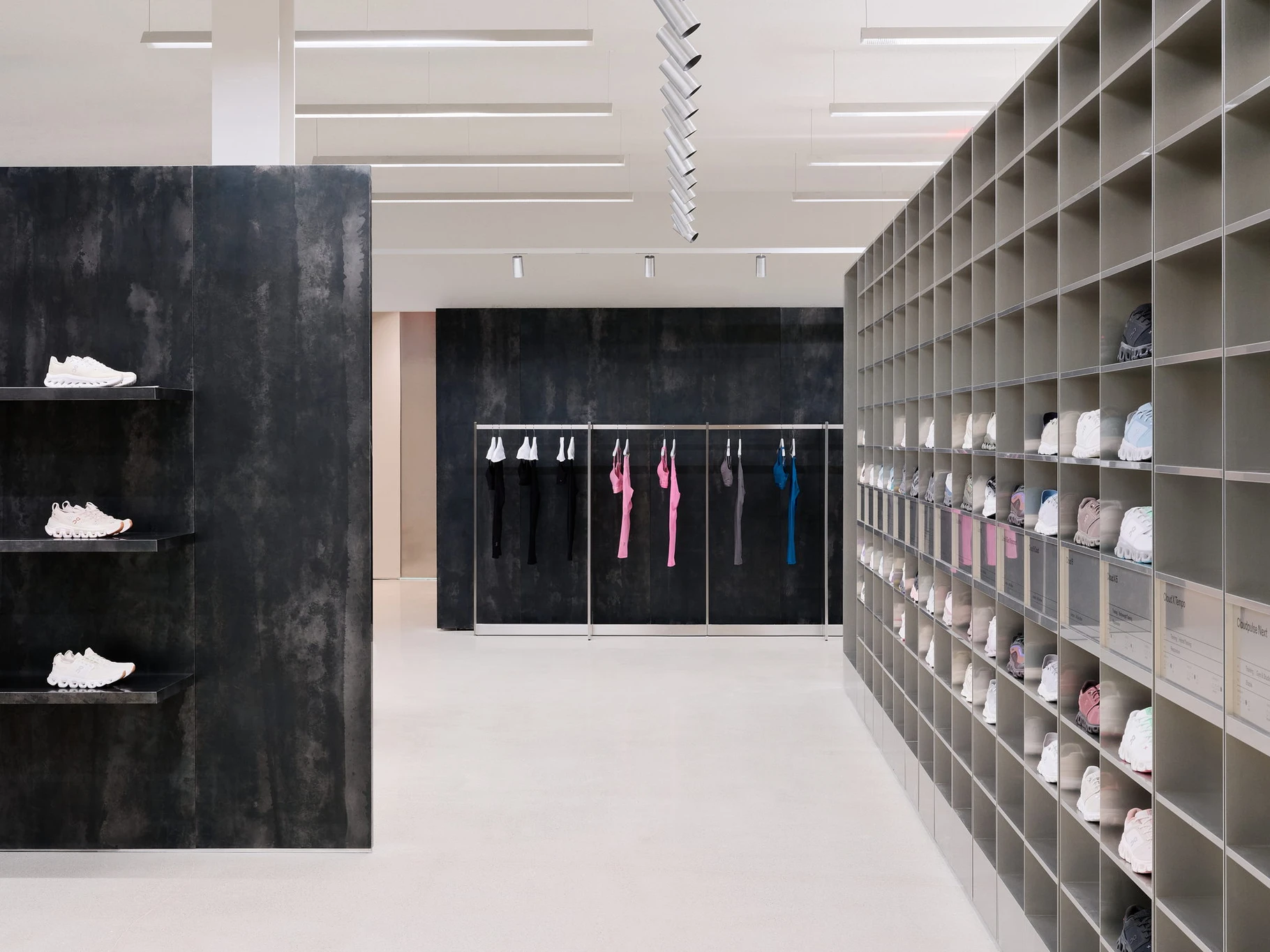
Four announcements in six days. One of them is a university research partnership pitched in years. The other three are retail square footage, measured in store counts and quarters. On's own press language treats all four as part of one continuous narrative, innovation and expansion moving together, but the operational record shows two different clocks. A university partnership produces papers, prototypes, patents, on a timeline measured in semesters and PhD cycles. A retail rollout produces revenue, measured in quarters and announced on the same cadence as earnings calls.
On's Q3 2026 earnings, covered elsewhere this autumn, emphasized margin and growth language on a quarterly clock. The ETH Zurich deal, by contrast, is explicitly described as multi-year, with no product deliverable attached to this announcement at all. No shoe, no material, no date. The company's own release names no output. Compare that to On's typical product cadence: a new store roughly every few days this quarter, a new silhouette or colorway drop on a near-weekly rhythm through its press newsroom.
Count the releases again. A university partnership with no shoe, no material, and no date sits alongside a mall opening, a four-city store announcement, and a sustainability data deal, all inside the same newsroom in the same week. The company's own vocabulary treats a semester-scale lab relationship and a quarter-scale leasing decision as the same kind of news. They are not. One produces a press release today and a possible prototype years from now. The other produces a storefront that opens on a fixed date and starts selling shoes immediately.
The sustainability data partnership with Fashion for Good and Carbonfact sits closer to the retail clock than the research clock, since data partnerships typically report on existing supply chains rather than future prototypes, yet it ran through the same forward-looking language as the ETH Zurich deal. That repetition is the tell. On's newsroom does not distinguish a deliverable timeline from a research timeline in its phrasing, even though its own operational calendar, store openings measured in days and research measured in years, draws the line clearly enough for anyone counting releases instead of adjectives.
The gap is not hidden. It is published, in the company's own newsroom, four releases apart, each using the same forward-looking vocabulary: "groundbreaking," "future of movement," "redefine." One of those releases describes a laboratory relationship with no shipping date. Three describe square footage opening this quarter. On's retail clock runs in days. Its research clock, by its own description, runs in years. The company's press output does not separate the two. Readers should.