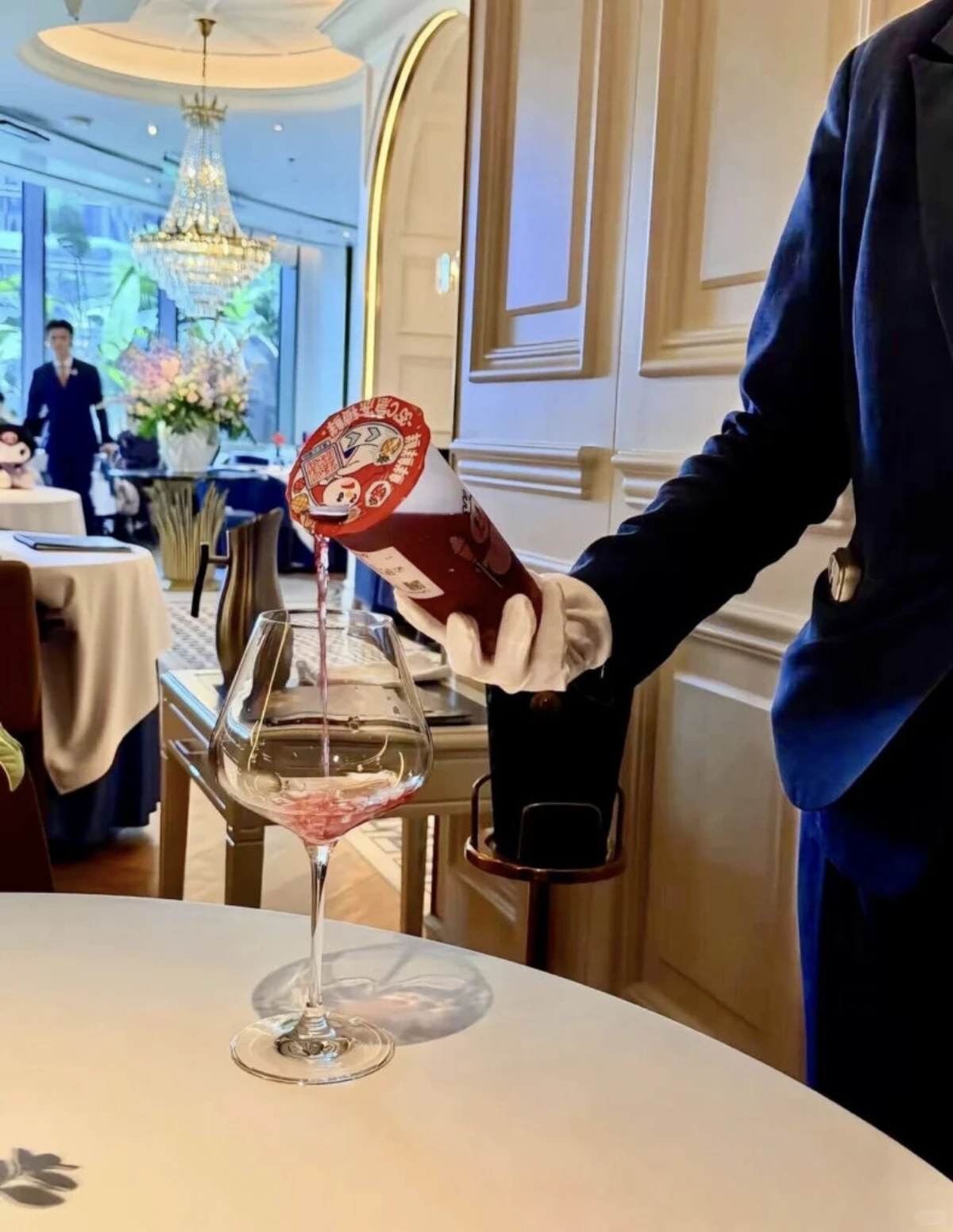
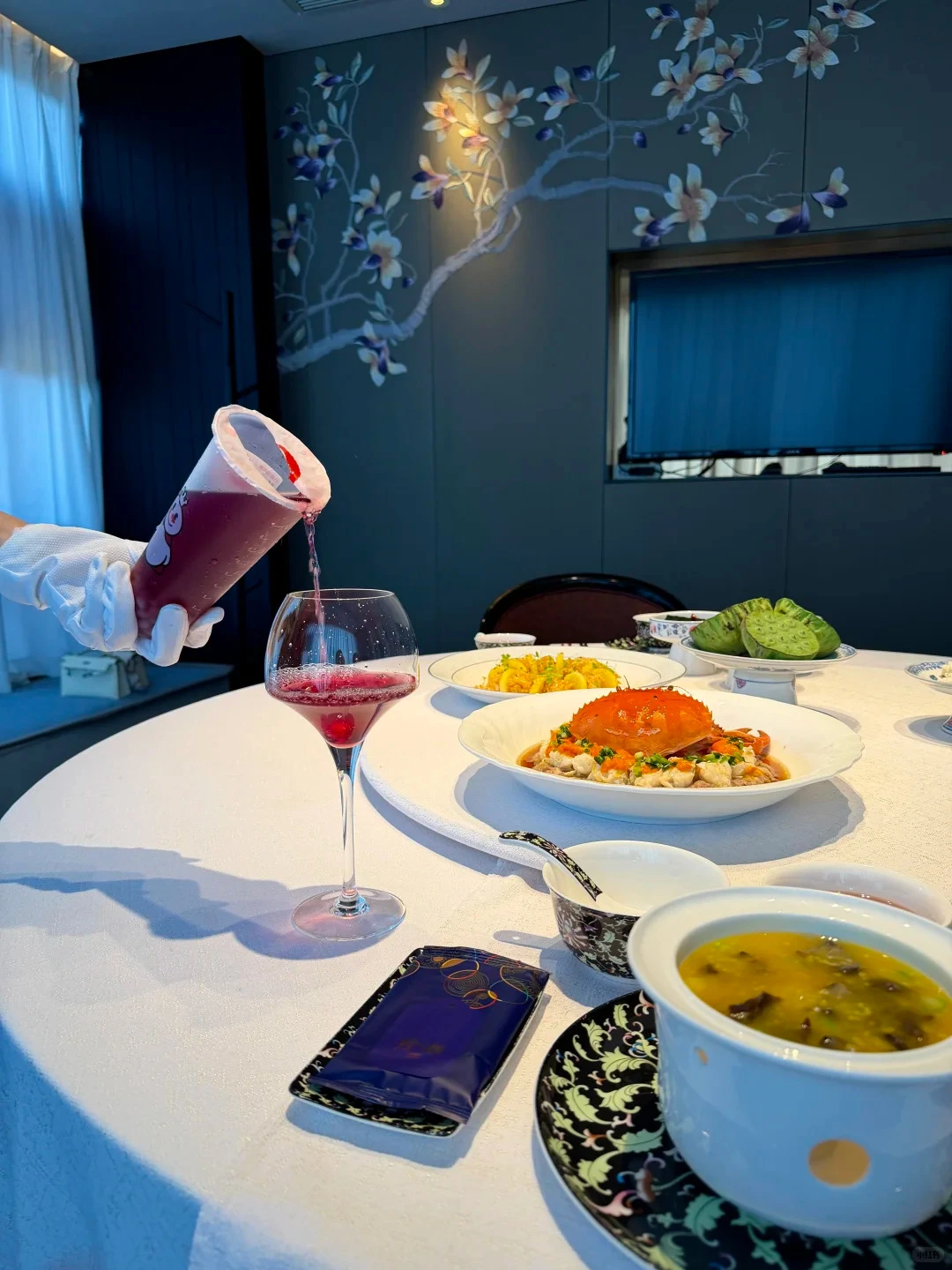
The mechanism is simple: Mixue's RMB9 drink got mocked online for its cheapness, and instead of absorbing the joke, the brand restaged the product in a wine glass against a linen tablecloth and glossy still-life lighting, borrowing the visual grammar of a product line that costs ten times more.
You have seen this move before, in the reverse direction: luxury houses borrowing streetwear codes to signal accessibility. Mixue is running the inverse experiment, borrowing luxury codes to signal aspiration without moving its price. The brand did not raise the price of the drink, did not reformulate it, did not open a premium sub-line. It only changed the photography. That is the tell for what this test actually measures: whether presentation alone can shift a mass-market product's position in a shopper's head, independent of the product itself.
Dao Insights frames the origin plainly: the campaign began as a defensive reflex to an online joke about the brand's classlessness, not as a strategic repositioning. That origin matters for how the test should be read. A brand secure in its identity ignores a joke about its cheapness. A brand that stages a photoshoot in response is telling you the joke landed somewhere real. Mixue's operating model, thousands of low-margin locations selling drinks under two dollars, has never needed luxury adjacency to succeed. The staging suggests an anxiety about ceiling, not floor: the brand can dominate volume, but volume alone does not buy cultural respect, and respect is the thing this campaign is actually shopping for.
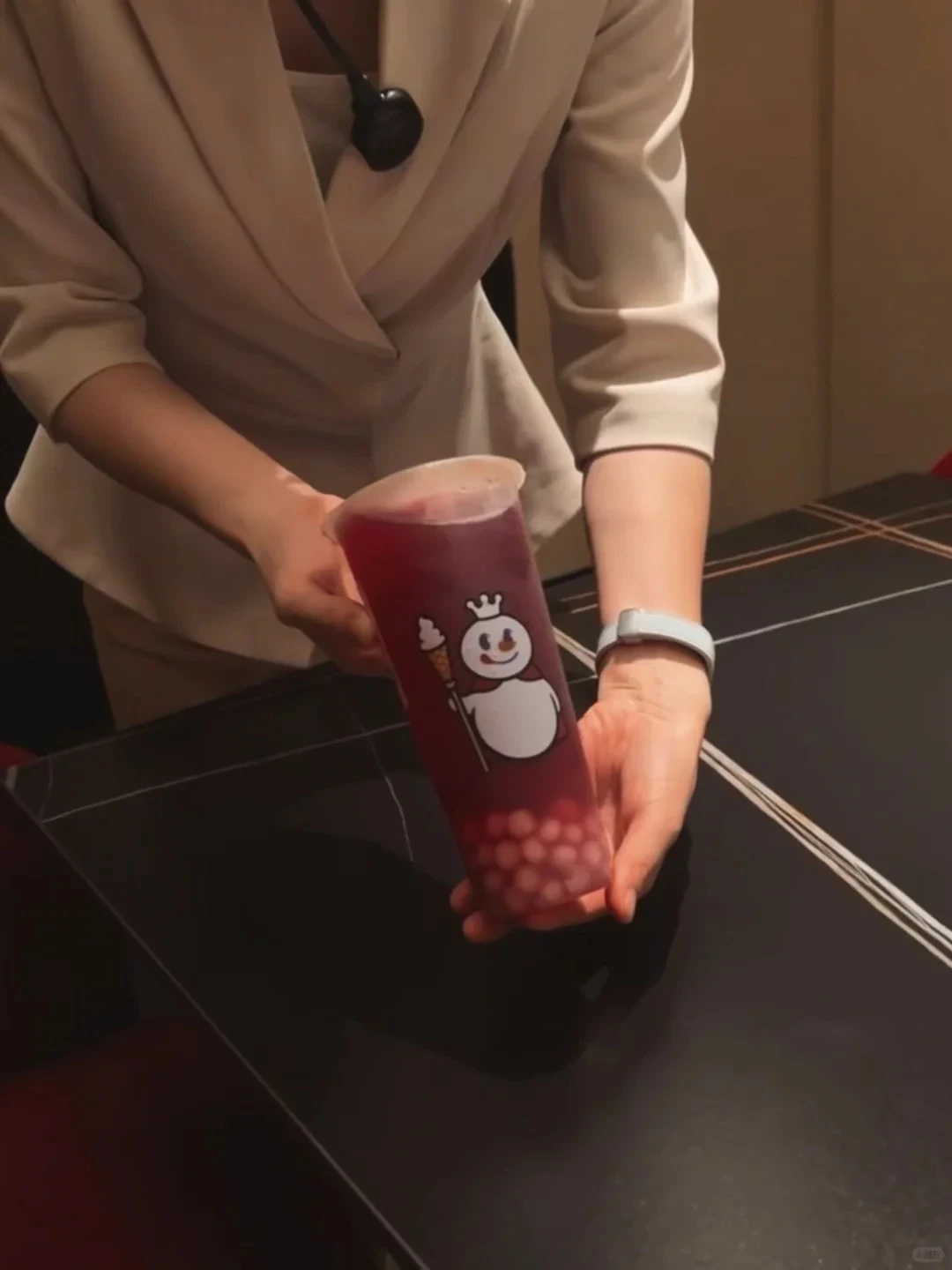
The risk sits in the gap between the image and the transaction. A shopper who sees the wine-glass photo and then buys the actual drink in a paper cup at a mall kiosk experiences a whiplash that undoes the campaign's own premise faster than the campaign built it. Luxury staging works when it primes an experience the product can deliver. Here it primes an experience the format cannot.
The gap between the two images tells its own story. One shows the drink as thousands of outlets actually serve it, a paper cup meant for volume and speed. The other shows the same drink restaged as if it belonged on a linen tablecloth, lit like a product from a different category entirely. The distance between those two objects is the whole campaign, and it is a distance photography cannot close.
That gap also exposes what the brand is actually short on. Mixue's model already proves it can win on volume and price without any borrowed luxury grammar. The defensive photoshoot suggests the brand wants something volume has not given it: the cultural respect that low prices and paper cups tend not to carry, no matter how many locations sell the drink.
The origin of the campaign, a reflex to mockery rather than a planned move, means the wine glass was never asked to survive contact with the actual transaction. A shopper who buys the drink in its ordinary paper cup after seeing the staged version is the moment where the experiment either holds or collapses, and nothing in the photography itself can answer which.
Mixue's actual packaging is the real test, not its marketing stills. A paper cup redesigned toward the tablescape aesthetic within the next quarter would confirm the brand believed its own experiment. A paper cup left untouched confirms the wine glass was a one-week defense against a joke, not a repositioning. The photography already answered the question the price has not been asked to answer.