Seventy-four thousand equivalent album units. That is the number that put Jhené Aiko at number one on the Billboard 200 for the first time in a fifteen-year recording career, on the chart dated September 26. It is a modest total by the standards of a chart-topper: several albums this year have opened bigger and landed at number three or four behind a crowded release week. Aiko's number one happened because almost nothing else came out that week, and because her existing audience showed up in one coordinated motion rather than trickling in over a quarter.
Hypebeast reported the mechanics directly: "the album opens with 74,000 equivalent album units, almost entirely on the strength of streaming." That single word, almost, is the whole story. There is no vinyl variant push here, no bundled merch tee inflating the sales side of the ledger the way a young pop or hip-hop act might engineer a debut week. Aiko's number one is a pure read of who was already listening, at the moment they were asked to listen together.
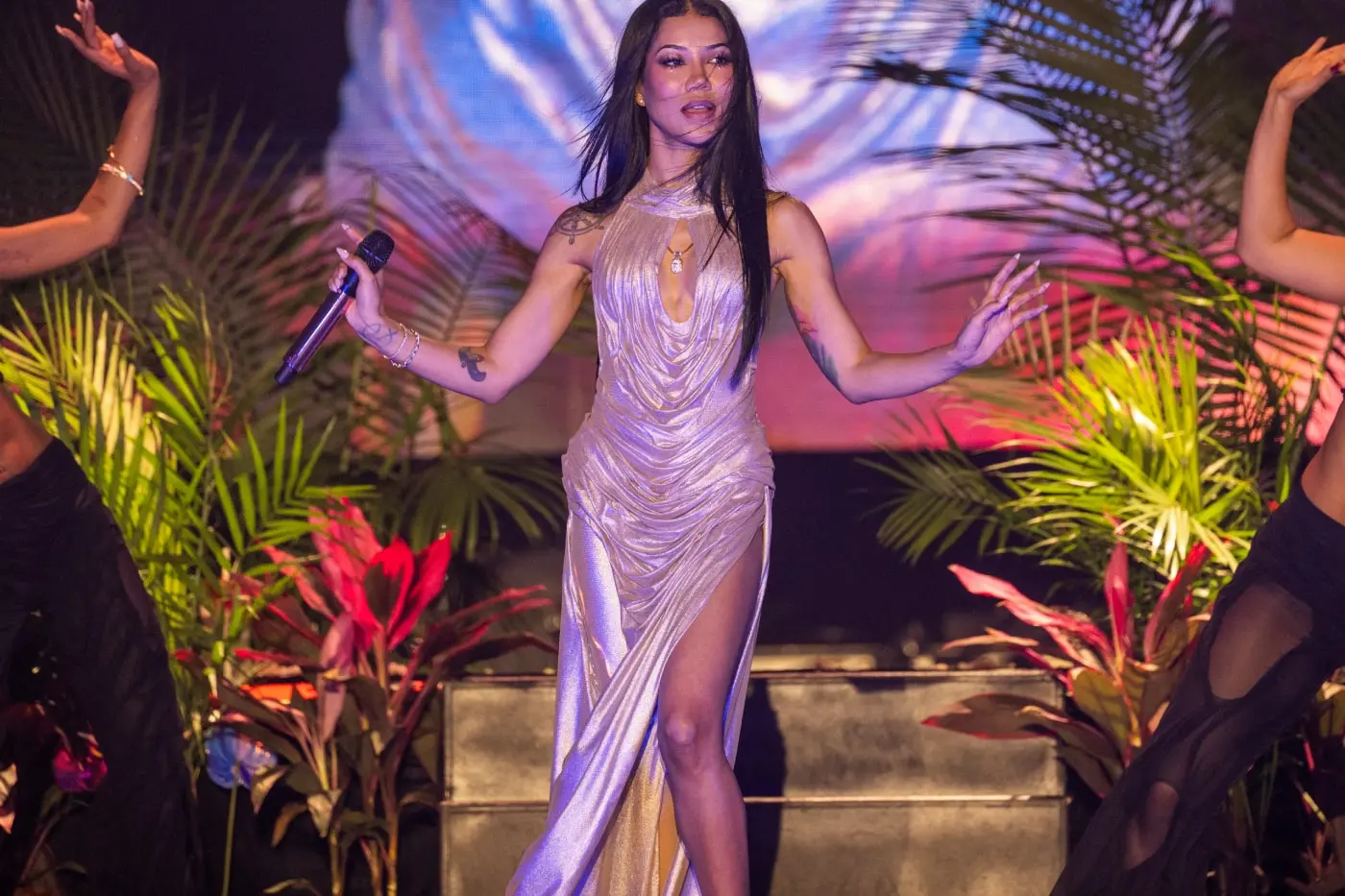
This is the mechanism worth naming: presence built over a decade and a half converts to a number one only when the release calendar clears enough space for existing preference to register as a single chart event. Aiko has had five studio albums, all critically engaged, none of them chart-toppers until this one. The gap was never about audience size. It was about timing a release into a week thin enough that her steady, already-converted base could outrun everyone else's opening-week marketing spend.
The other marker here is genre. Hypebeast's own reporting notes this is the first R&B album by a woman to lead the chart in 2026, deep into the calendar year. You have seen this shoe before in music coverage: a genre gets credited with dominating a year's culture while its actual chart placements lag by months, arriving only when the release slate goes quiet enough to let a loyal audience speak without competition.
Consider what the unit count is actually made of. A debut week built almost entirely on streams is a debut week built on habit rather than event. Fans who buy a vinyl variant or a bundled tee in the first seven days are responding to a marketing push timed to that week specifically. Fans who simply keep streaming an album they were always going to play are responding to nothing but their own prior attachment. Aiko's number one is the second kind, and that distinction is precisely why the total looks modest next to crowded-week debuts that lean on manufactured sales spikes.
That also explains why the fifteen-year wait and the thin week are the same story told twice. An artist who converts an audience slowly, album after album, without the chart-topping sales weeks that come from stunt formats, is an artist whose number one was always going to require an empty calendar rather than a bigger push. The absence of competition did not inflate her total. It simply removed the noise that normally buries a steady, streaming-driven base under someone else's opening-week spend.
The genre framing sharpens that same point. Crediting a genre with dominating the culture while its chart placements lag until the slate clears is not a contradiction, it is a description of how loyal, streaming-based audiences actually surface. They do not compete for attention in a crowded week. They simply wait, and the chart eventually reflects them when nothing else is asking to be counted first.
Watch the next R&B album release from an established woman artist over the following 90 days: if it also opens with a streaming-heavy, sales-light unit count and lands in a similarly uncrowded week, the pattern is structural rather than a one-off Aiko story.