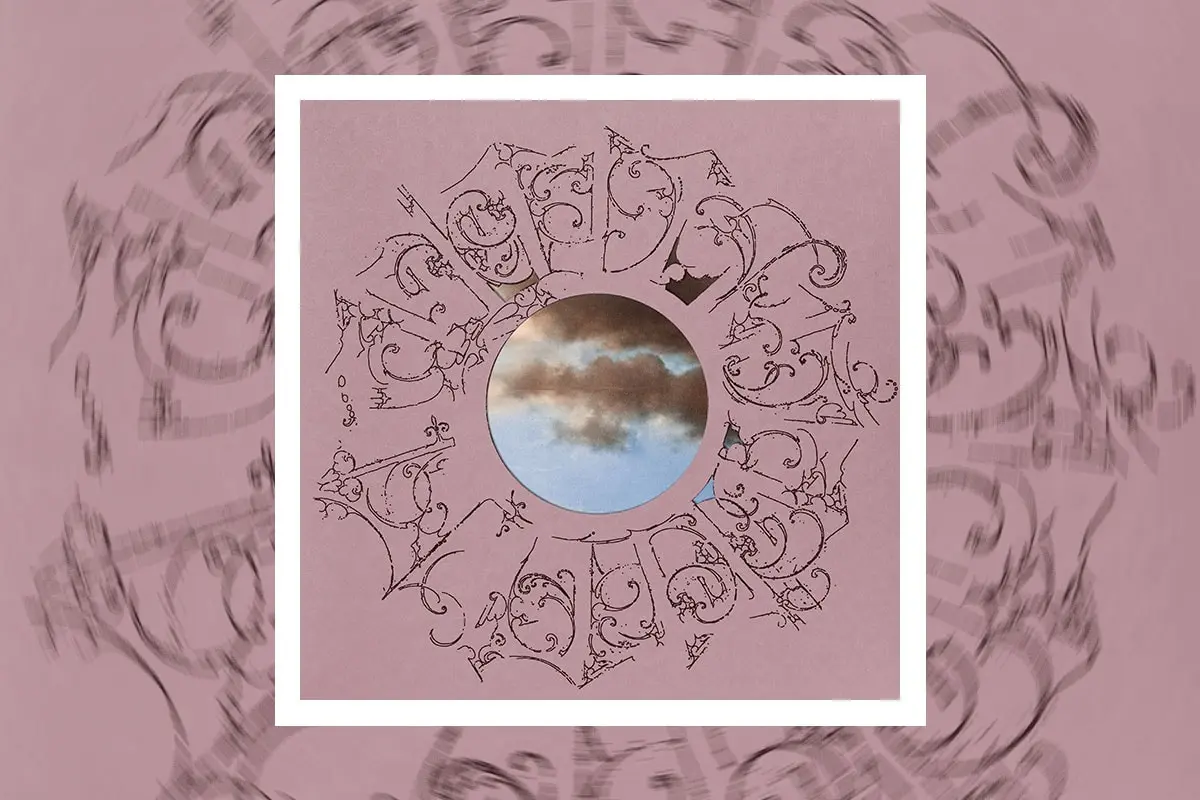
Ten years. That is the gap between The Divine Feminine's original release in September 2016 and the anniversary edition Warner Records dated for October 2, 2026. The estate did not simply repress the record. It added three previously unreleased songs, led by a single called Butterflies, produced by Taylor Graves with bass from Thundercat, a credited collaborator who did not appear on the original tracklist.
The estate's own language calls this a marking of ten years since the album's release. The operational record shows something more specific: new production work, commissioned after the artist's death in 2018, folded into a record he made while alive. Thundercat's involvement did not exist in 2016. It exists now, on a reissue of a record that closed before he was ever part of it.
This is not an isolated posthumous move. Estates operating years past an artist's death now function as active labels: commissioning new instrumentation, dating anniversary windows to maximize press cycles, building interactive archival websites alongside physical product. The Divine Feminine anniversary arrives with exactly that apparatus, an archival website launching alongside the 3LP vinyl formats.
The count matters. Three new songs. Ten years. One producer who never worked with the artist directly. The record being reissued was finished in 2016. The material being added to it was not. Two years passed between Mac Miller's death and any posthumous project reaching the public in a shape resembling official catalog work, and eight more have passed since. The gap between an artist's active output and an estate's active output is now measured in a full decade, and the estate is treating that decade as an asset rather than an absence.
Consider what the producer credit actually represents. Thundercat's bass work exists on a song that could not have existed at the time of the original sessions, attached to a collaborator who never sat in a room with the artist for this project. The estate is not restoring something lost. It is authoring something new and filing it under a date that predates its own authorship. Butterflies is a Taylor Graves production credited to an album closed years before Graves or Thundercat entered the picture.
The archival website matters here too. Pairing a physical vinyl release with an interactive online component is not a preservation gesture, it is a distribution strategy built for a press cycle. An estate that commissions new instrumentation and simultaneously builds out a web presence around an anniversary window is not managing a legacy passively. It is producing content on a schedule, the same way an active label would, except the credited artist supplied none of the calendar decisions.
What the operational record shows, then, is a widening rather than a closing of the space between the artist's finished work and the estate's ongoing output. The original record ended. The estate's version of that record did not, and the distance between those two facts is the actual product being shipped alongside the vinyl.
October 2, 2026 is the date the ten-year gap becomes a retail SKU.