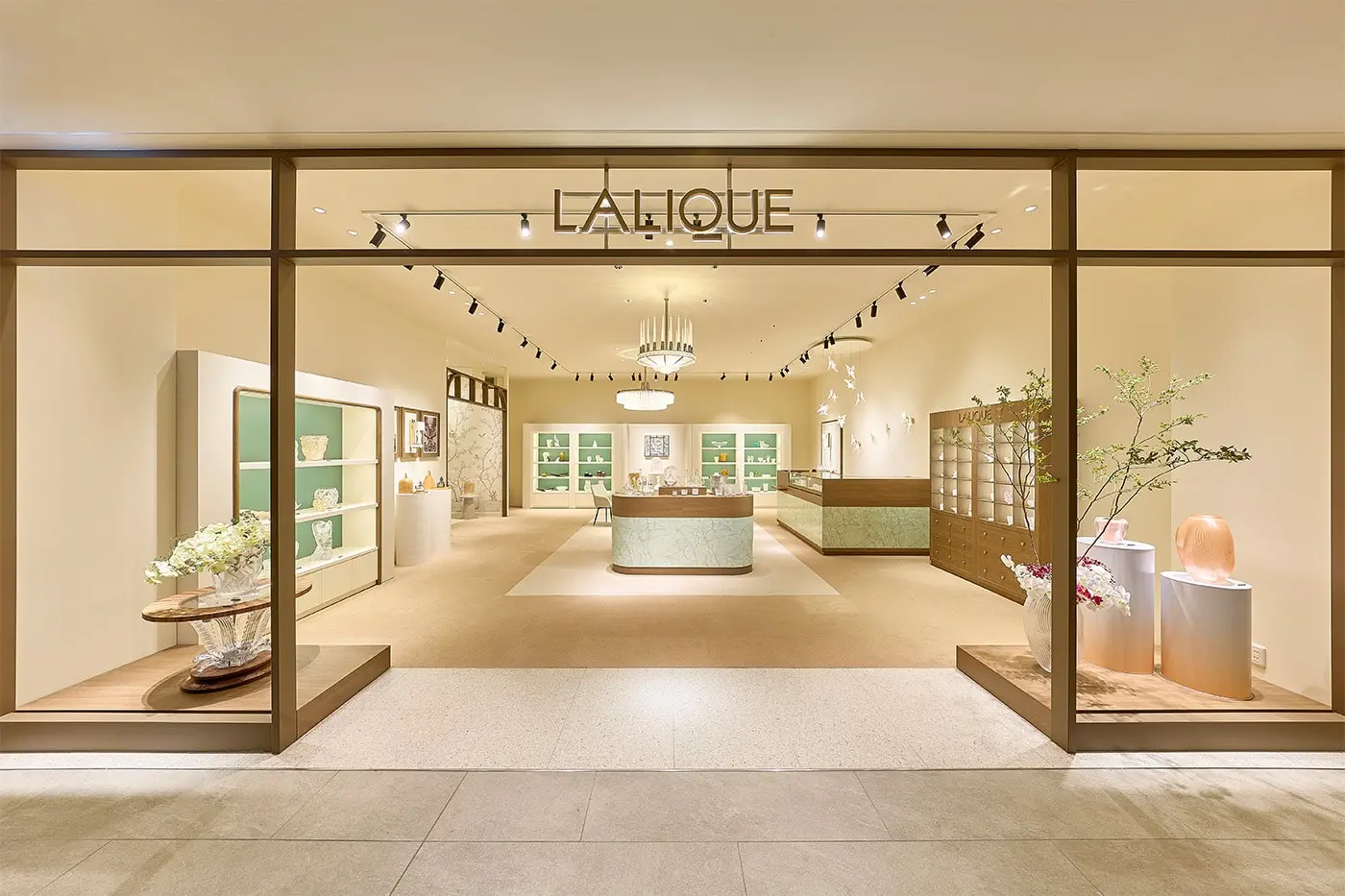
106 square meters. That is the footprint Lalique has committed to at Quartz Shinsaibashi, a mixed-use development in Osaka's central retail corridor. The space opened this week as the brand's first directly operated boutique in Japan's Kansai region, joining Tokyo flagship locations that have operated under direct control since the early 2010s.
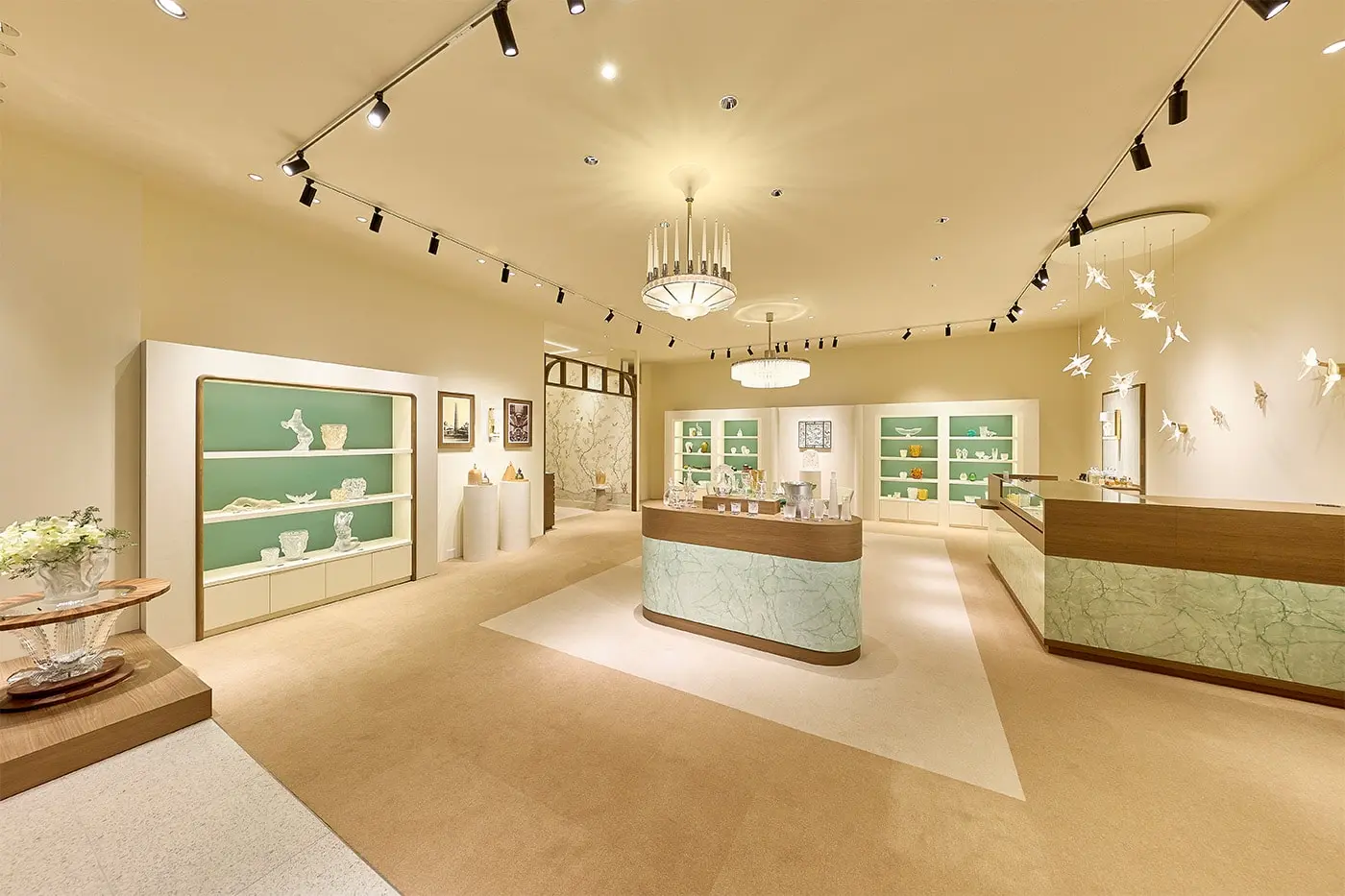
The distinction matters more than it might appear. Lalique's Japan presence has historically run through department store concessions and authorized retailers, arrangements that cede margin and presentation control to third parties. A directly operated store recovers both. The brand sets the price, trains the staff, controls the visual environment, and keeps the full transaction value minus overhead.
Lalique's published materials describe the Osaka space as introducing its "full creative universe" to the Kansai region "for the first time." The claim is technically accurate but structurally revealing. The brand's products have been available in Osaka for decades through wholesale channels. What the region lacked was a controlled environment where Lalique dictates the customer journey from threshold to checkout.
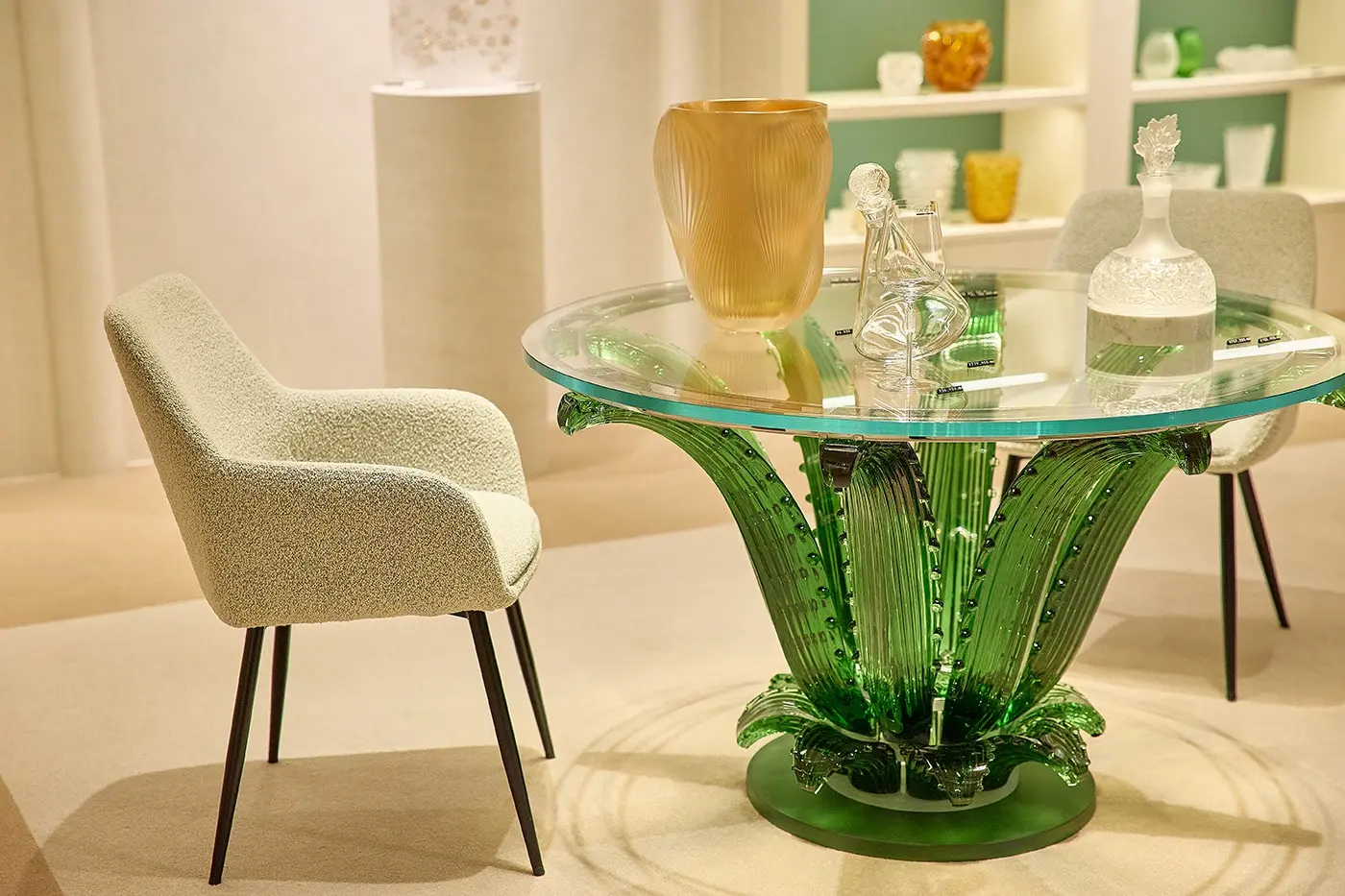
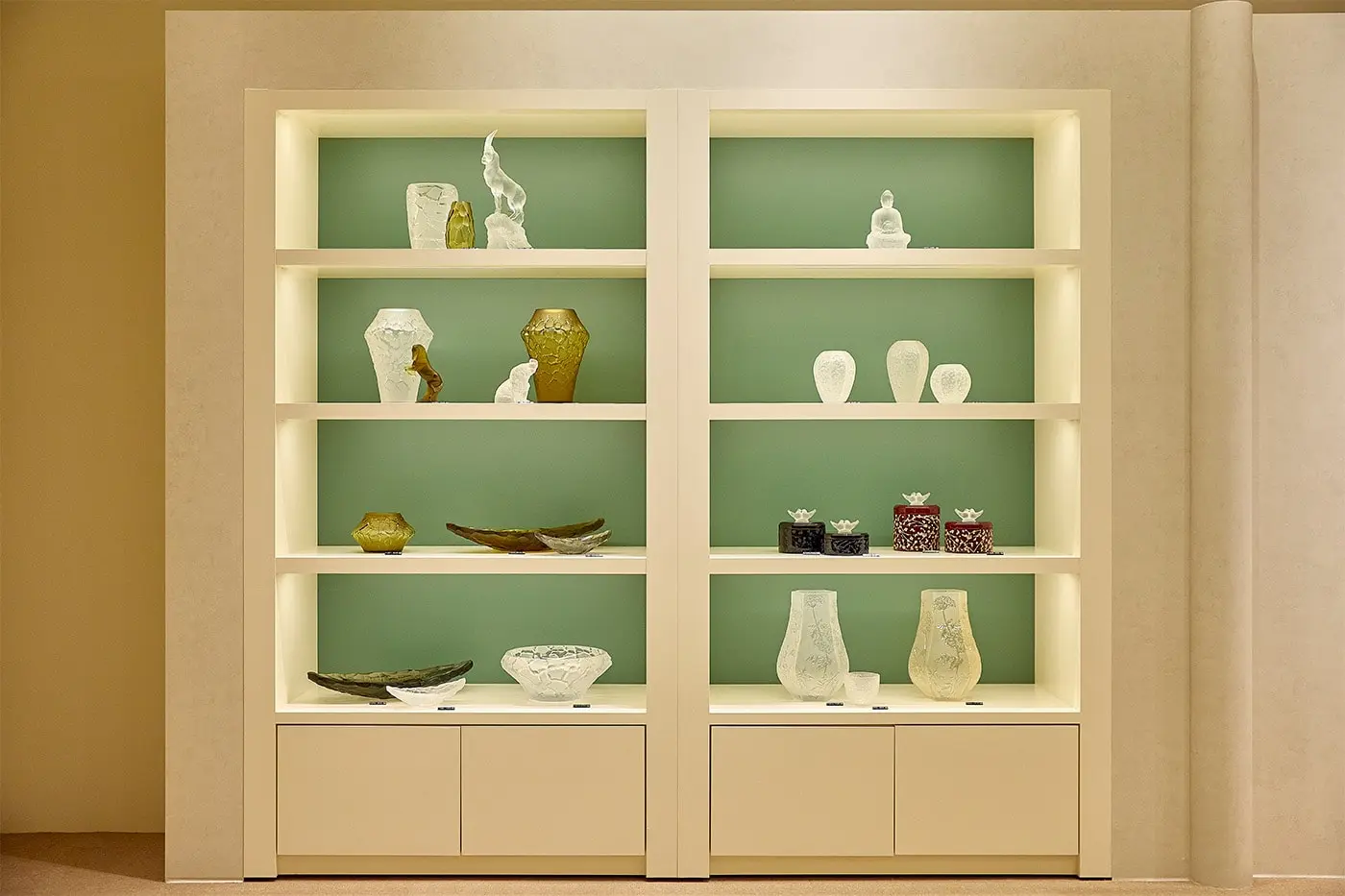
The interior architecture underscores this: integrated crystal panels embedded in the walls, suspended Champs-Élysées chandelier installations, display vases positioned alongside Japan-specific collections developed for the domestic market. These are presentation choices that concession counters cannot accommodate. A department store allocates square footage; it does not cede wall construction.
The timing aligns with a broader pattern among European heritage houses. Hermès, Dior, and Chanel have all expanded directly operated retail in Japan's secondary cities over the past three years, pulling volume away from multi-brand environments. The logic is consistent: as domestic tourism rebounds and regional consumers demonstrate appetite for luxury without traveling to Tokyo, brands that rely on wholesale forfeit both margin and brand equity to retailers who aggregate competing houses under one roof.
Lalique's Osaka move also reflects a quiet reclassification of what the brand considers core territory. The company's 2024 annual report listed Japan as its third-largest market by revenue, behind France and the United States. Kansai, home to roughly 20 million residents across Osaka, Kyoto, and Kobe, represents the second-largest concentration of Japanese luxury consumers. Operating there through wholesale alone left margin on the table.
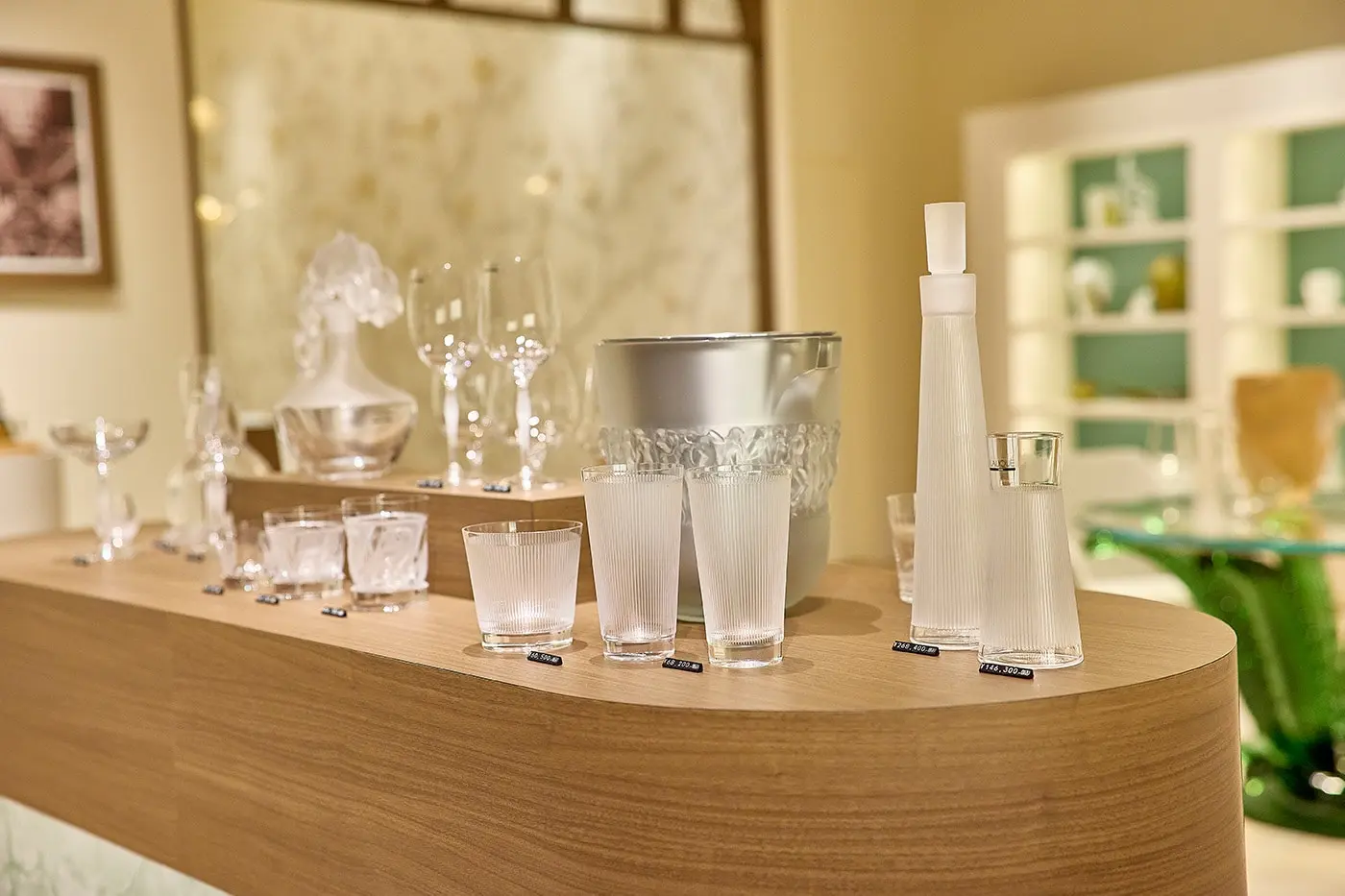
The 106-square-meter figure is modest by flagship standards but appropriate for the category. Crystal and decorative objects require less floor space than fashion or furniture. The constraint is not display area but ticket price: Lalique's core products move in the hundreds to low thousands of euros, a bracket where customer conversion depends on environment and service rather than volume traffic.
What Quartz Shinsaibashi signals is not a design statement but an infrastructure decision. Lalique now controls its second-largest national market through owned retail in both Tokyo and Osaka. The wholesale relationships remain, but the balance of power has shifted. 106 square meters is a small room. It is also a boundary marker.