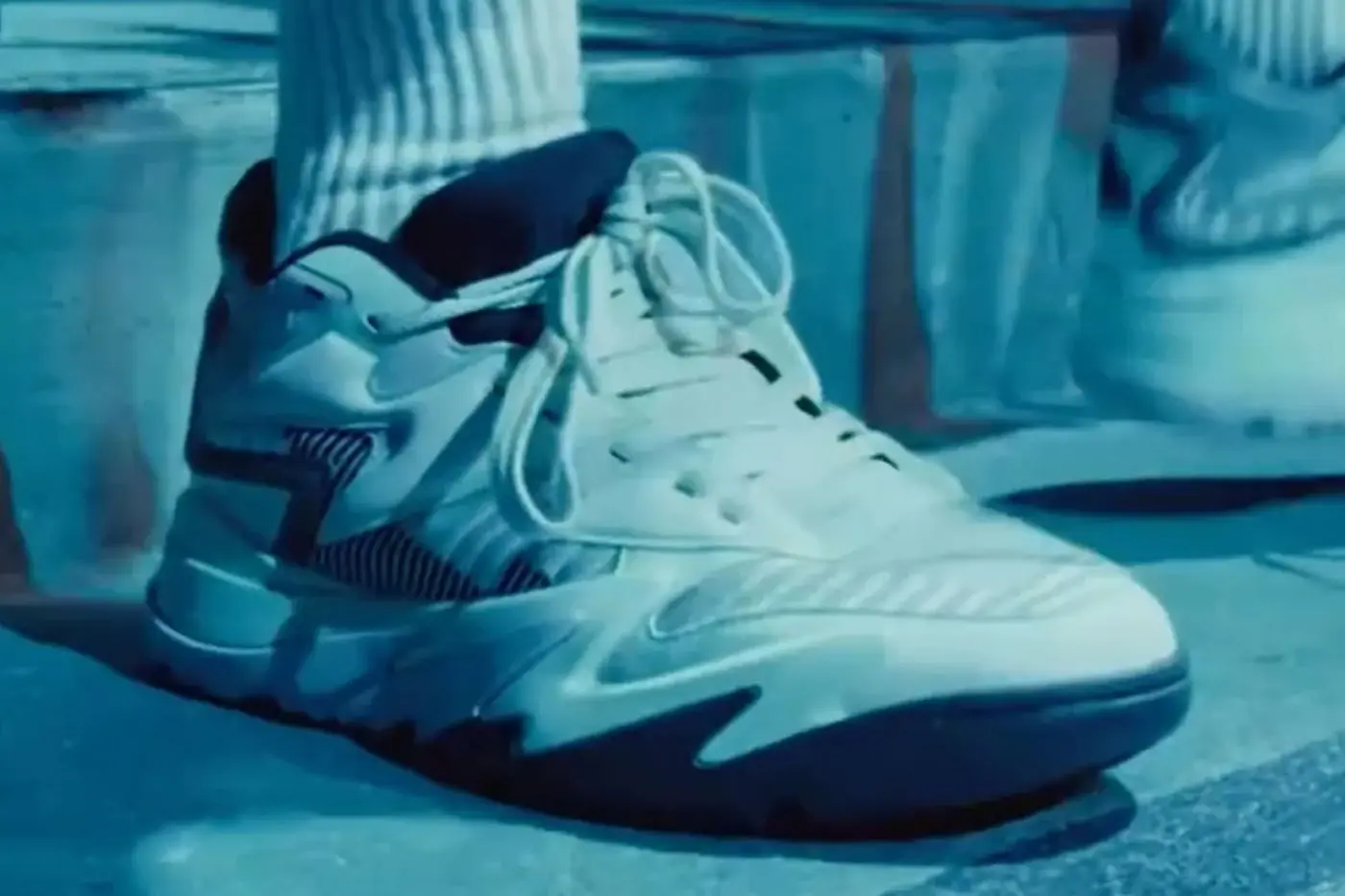
J. Cole's sneaker career started the way every rapper's does now: inside someone else's supply chain. PUMA built and distributed his prior signature line, which meant PUMA's factories, PUMA's retail calendar, and PUMA's global release machine did the work of turning J. Cole's name into a shoe on a foot. The Dreamer Indie 5000 breaks that arrangement. It launches September 23 in Fayetteville, North Carolina, his hometown, made in Italy, under his own Dreamer label, with no brand co-sign in the name.
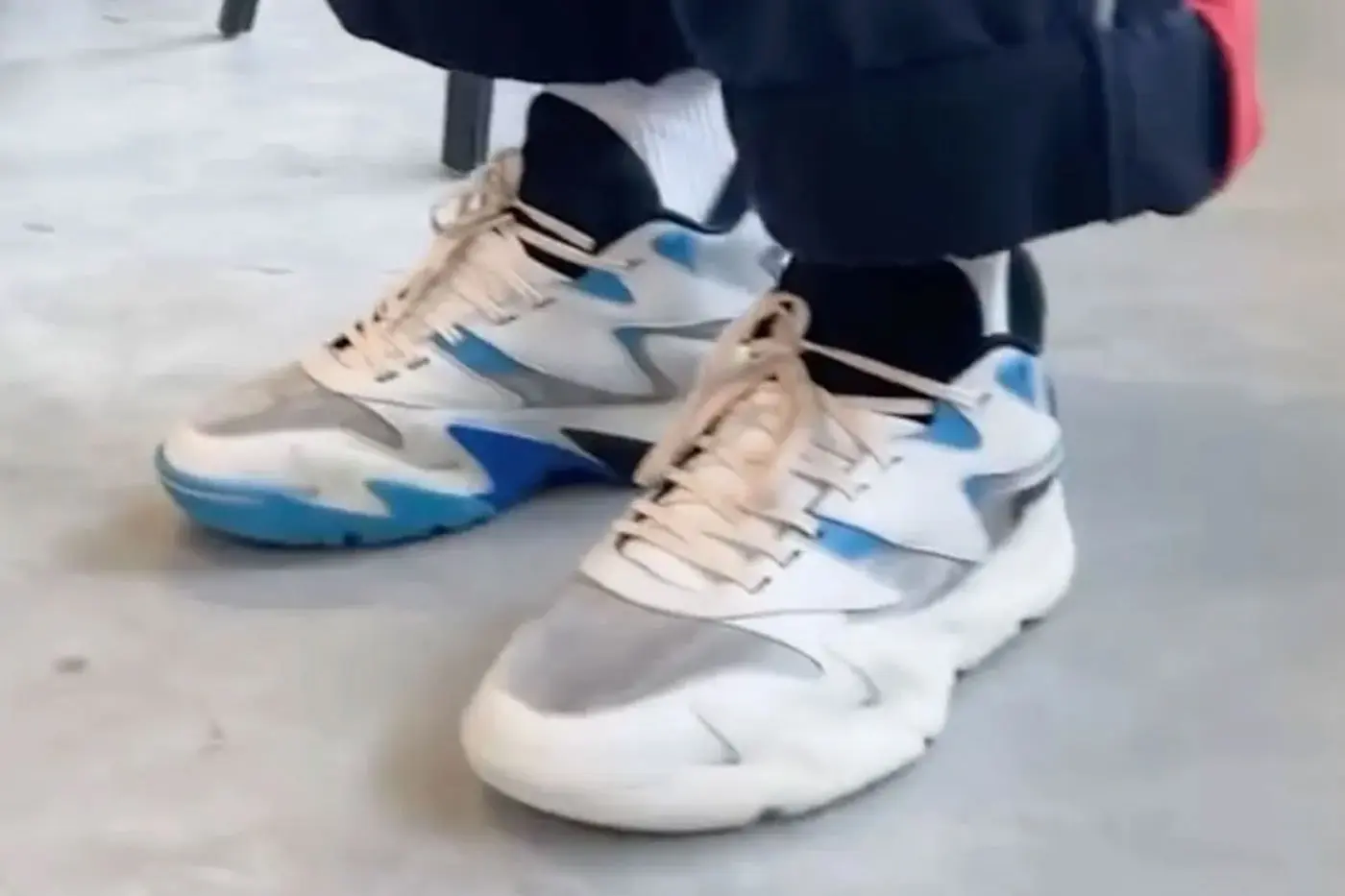
The mechanism worth naming here is simple: a retro basketball silhouette converts from artist merchandise into artist product only when the artist controls where it lands. A PUMA collaboration puts J. Cole's name on shelves in forty countries the same week. An independent Fayetteville launch puts one pair of shoes on one sidewalk, with the scarcity doing the marketing that a global drop calendar used to do automatically.
You have seen this shoe before, structurally: a low-top basketball silhouette with the proportions of a late-1990s runner, the kind of shape that reads instantly as nostalgia bait regardless of who releases it. What differs is the distribution logic underneath. PUMA-era J. Cole product moved through a preference pipeline built by someone else, tested and scaled by a company with decades of footwear retail data. Dreamer has none of that. It has Fayetteville, one date, and an artist betting that the audience that already prefers him will follow the product wherever he puts it, without a global machine doing the converting.
The Italy detail matters more than it first appears. PUMA-era production ran through the brand's own manufacturing network, the same factories turning out shoes for its entire roster. Dreamer sourcing its own overseas manufacturing means the label absorbed a cost and logistics burden that a co-sign arrangement would have handled by default. That is not a small operational choice. It is a signal that the Fayetteville launch was built to stand alone rather than to lean on borrowed infrastructure at any stage, from the factory floor to the sidewalk where the shoe actually lands.
It also reframes what the silhouette itself is doing. A retro basketball shape with late-nineties runner proportions is designed to trigger recognition on sight, and that recognition normally gets amplified by a release calendar spanning dozens of countries in the same week. Strip that calendar away and the nostalgia cue has to work on its own, in one city, on one day, with no simultaneous drops reinforcing it elsewhere. The shoe is asking the same visual language to do its job without the scale that language usually depends on.
That is why the resale window functions as the real test rather than the launch itself. A single-city release with no global counterpart removes every external variable that PUMA's machine used to supply, leaving only the artist's name and the audience's own behavior. Whatever happens to those resale prices through the holiday quarter is not noise around the story. It is the story's actual mechanism, playing out in public, with nothing else left to credit or blame.
That bet is testable. If Dreamer Indie 5000 resale prices hold or climb over the next ninety days without a wider release, it confirms that J. Cole's audience preference travels independent of brand infrastructure. If the shoe settles at retail or below within that window, it confirms the opposite: that the PUMA years were doing more of the preference-conversion work than the artist's name alone. Watch the secondary market through the holiday quarter for the answer.