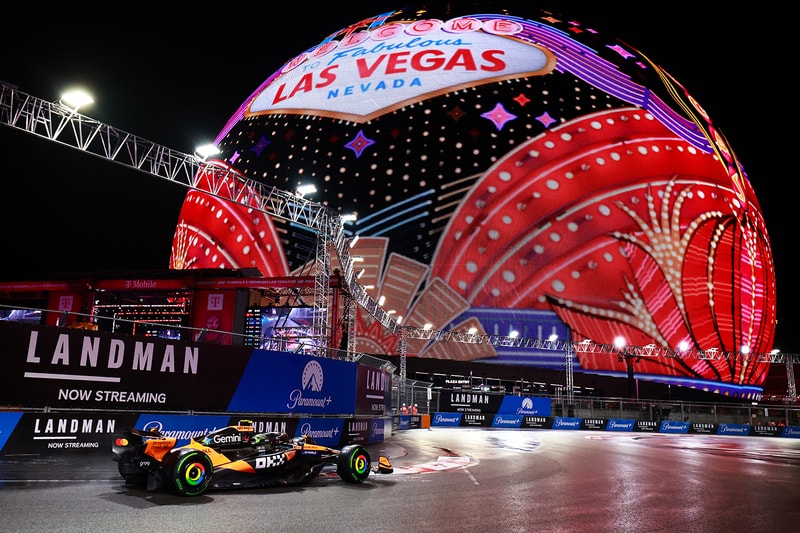
Formula 1 has committed to Las Vegas through 2037. The ten-year contract extension, announced this week, guarantees the street race a position on the world championship calendar for at least another decade. The stated rationale is economic: F1 leadership and Clark County officials cite a cumulative $3.2 billion in economic impact since the inaugural 2023 event. The number arrives without methodology, without breakdown between direct and indirect impact, and without comparison to the public infrastructure costs the county absorbed to make the race possible.
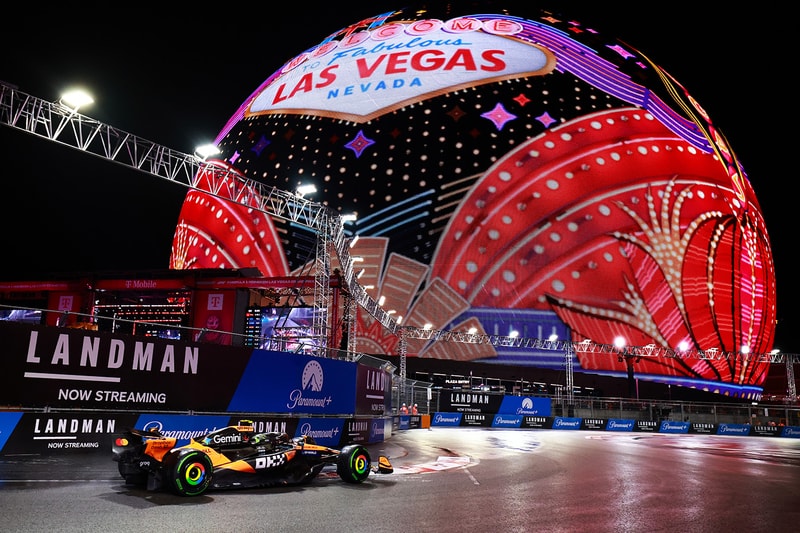
The Las Vegas Grand Prix is three years old. It has produced three races, three sell-out crowds, and one stretch of Strip closures that local businesses contested through 2024. F1's commitment to the circuit is not unusual in structure. The sport has locked long-term deals with Bahrain, Abu Dhabi, and Saudi Arabia, markets where government-backed investment underwrites the race regardless of ticket revenue. Las Vegas operates differently. It is a privately promoted event in a county that must justify road closures and police overtime to residents who do not benefit from hospitality-sector overflow.
The contradiction is one of timeline. A ten-year commitment assumes the Strip retains its position as a global entertainment destination through 2037. Las Vegas has survived multiple reinventions: the mob era, the family-friendly pivot of the 1990s, the club-residency boom of the 2010s. Each cycle reshaped the city's cultural meaning. The current iteration leans heavily on sports franchises and live entertainment, categories that require continuous capital investment to remain competitive. The Raiders arrived in 2020. The Golden Knights in 2017. The A's are scheduled for 2028. Each franchise bet on Las Vegas before the market had proven it could sustain professional sports at scale.
F1's extension joins that bet at a longer horizon than any of the sports franchises have tested. The Raiders' lease at Allegiant Stadium runs through 2044, but the team's financial performance in Las Vegas remains opaque. The Golden Knights have reached the Cup Finals twice, but hockey's salary cap insulates franchises from the local-market fluctuations that affect other leagues. F1 operates without those buffers. The Las Vegas Grand Prix's financial model depends on premium hospitality sales to a global clientele that may or may not continue to treat the Strip as a destination worth the journey.
What the extension does not address is the circuit's position within F1's broader calendar. The sport has expanded aggressively under Liberty Media, adding races in Miami, Qatar, and Las Vegas while retaining legacy European circuits that generate thinner commercial returns. The calendar now features twenty-four races, a number that has drawn criticism from drivers and teams for its physical toll. Committing to Las Vegas through 2037 reduces F1's flexibility to add or subtract races in response to market shifts. It also signals that the sport values commercial upside over calendar coherence, a priority that may or may not align with the competitive product fans tune in for.
The contract is signed. The races will happen. Whether the city and the sport look the same in 2037 is a question neither party can answer today.