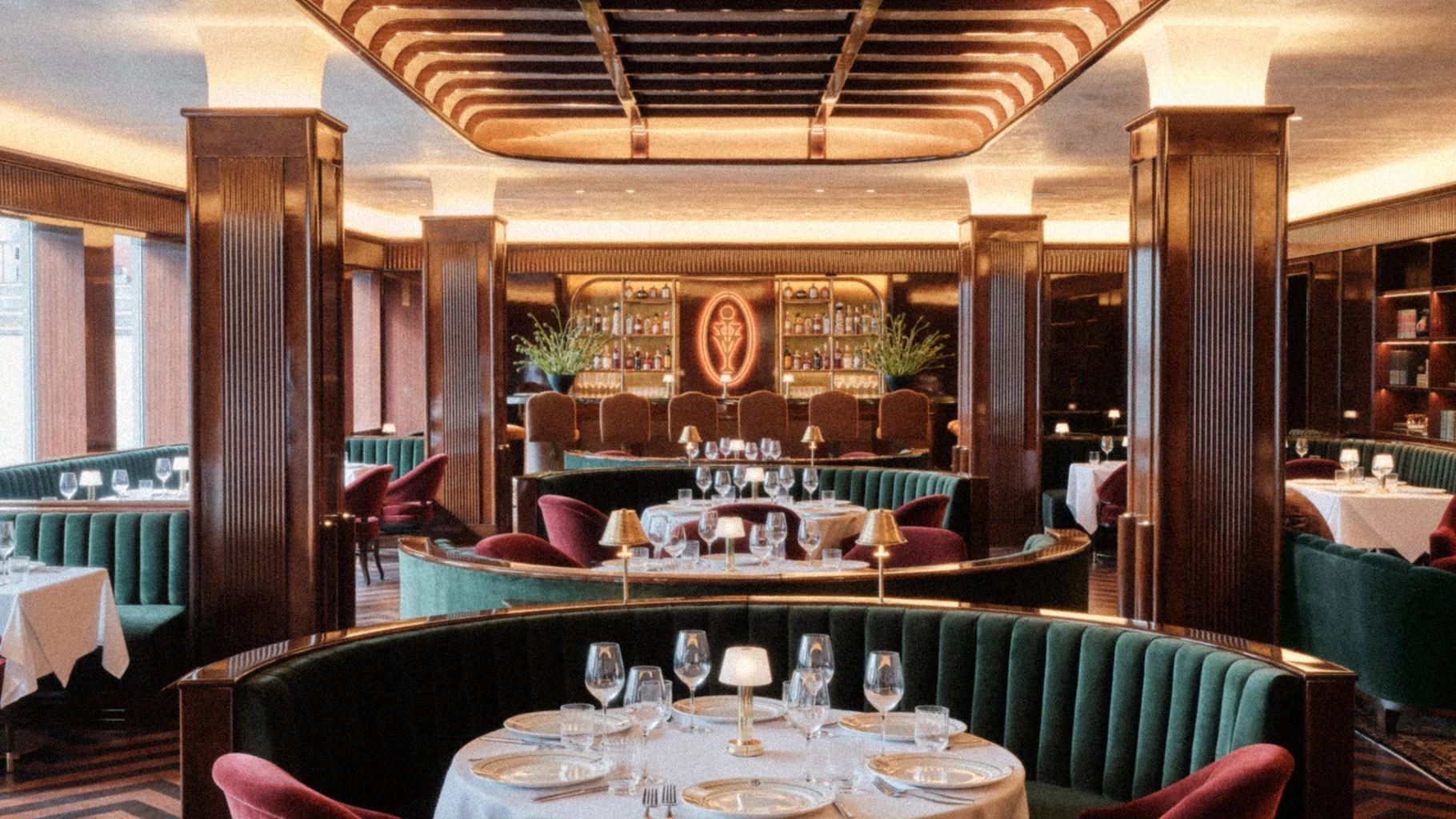
Erewhon is not opening a grocery in New York. The brand has taken floor space inside Kith Ivy, Ronnie Fieg's members-only padel and wellness club on Leroy Street in the West Village, and set up a tonic bar serving the house smoothies and juices. The venue is the point. The groceries are the accessory.

The argument matters because Erewhon has spent the last few years trying to retire the smoothie-celebrity caricature that put the brand on the map. The Hailey Bieber Strawberry Glaze, launched in 2022, was the high point of a cycle the brand no longer wants to be the main character in. Kith Ivy is the first entrance the company has staged where the smoothie is not even the opening act.
The choice of venue is specific. Padel is one of the fastest-growing racket sports in affluent American cities, and it is growing specifically among the demographic Erewhon sells wellness to. A members padel club in the West Village is, commercially speaking, a collection of high-frequency high-value visits from the exact customer Erewhon has been trying to acquire outside of Los Angeles. The groceries are the afterthought, the membership is the thing.


New Yorkers will judge this on one thing: whether the club is a good club. The groceries are secondary. If the membership becomes the thing to want, the brand has completed its transition out of retail and into what it always wanted to be, which is hospitality with a pantry attached.
Why this is a bigger move than it looks
Erewhon has been, for the last several years, a retail business with a revenue mix dominated by in-store food and beverage, not groceries. The groceries are the loss leader. The tonic bar is the profit center. Moving into a private membership club is the logical next step: a higher-margin, higher-frequency version of what the tonic bar is already doing.
If this works, it is not really a New York expansion. It is a category change. Erewhon becomes a hospitality brand with a grocery heritage, the way Soho House became a hospitality brand with a members-club heritage. The grocery stores remain profitable. But the company's valuable asset becomes the membership list, not the shelves.
If it does not work, the company quietly pivots back to a standard grocery opening within eighteen months. We will know which by 2027.