
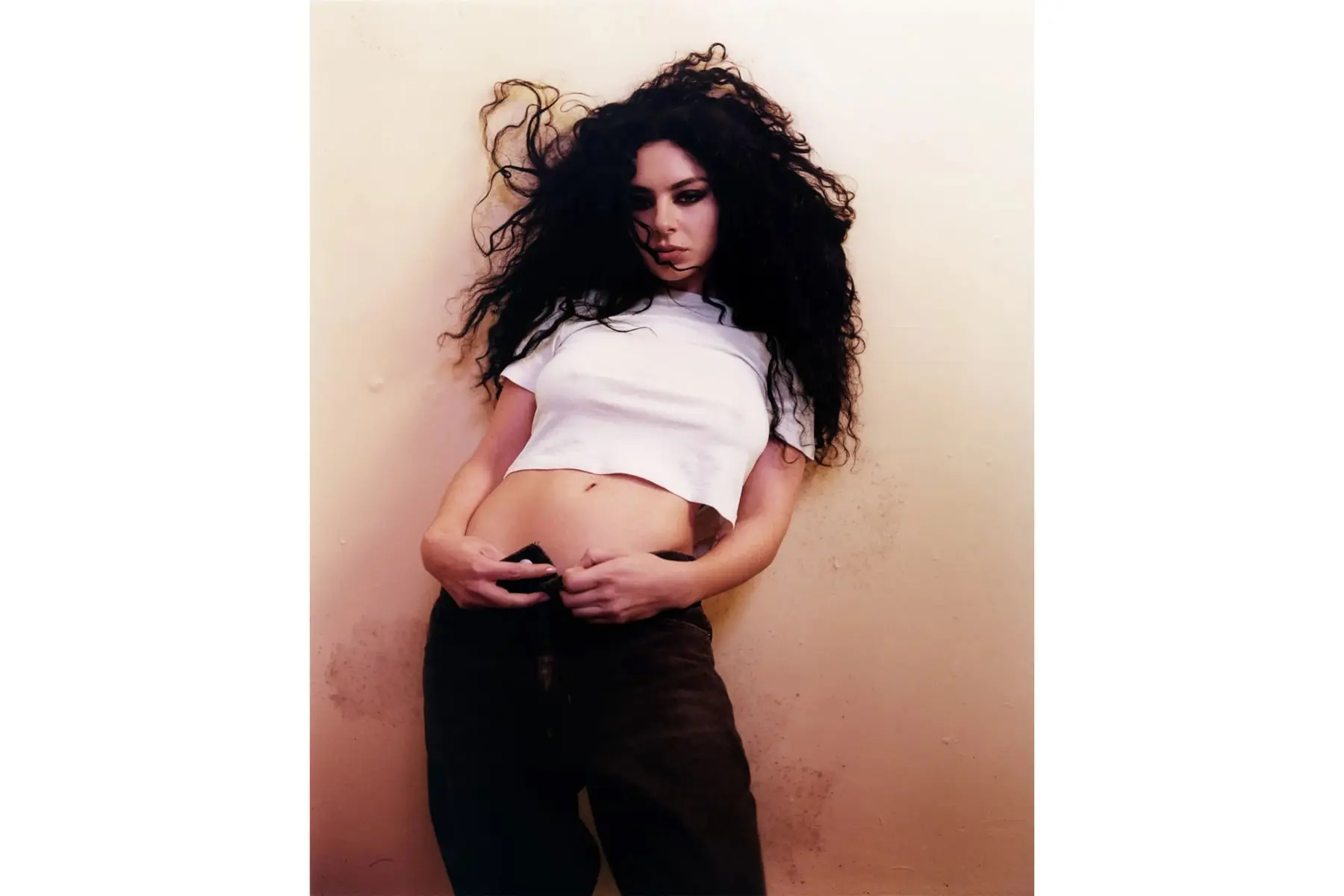
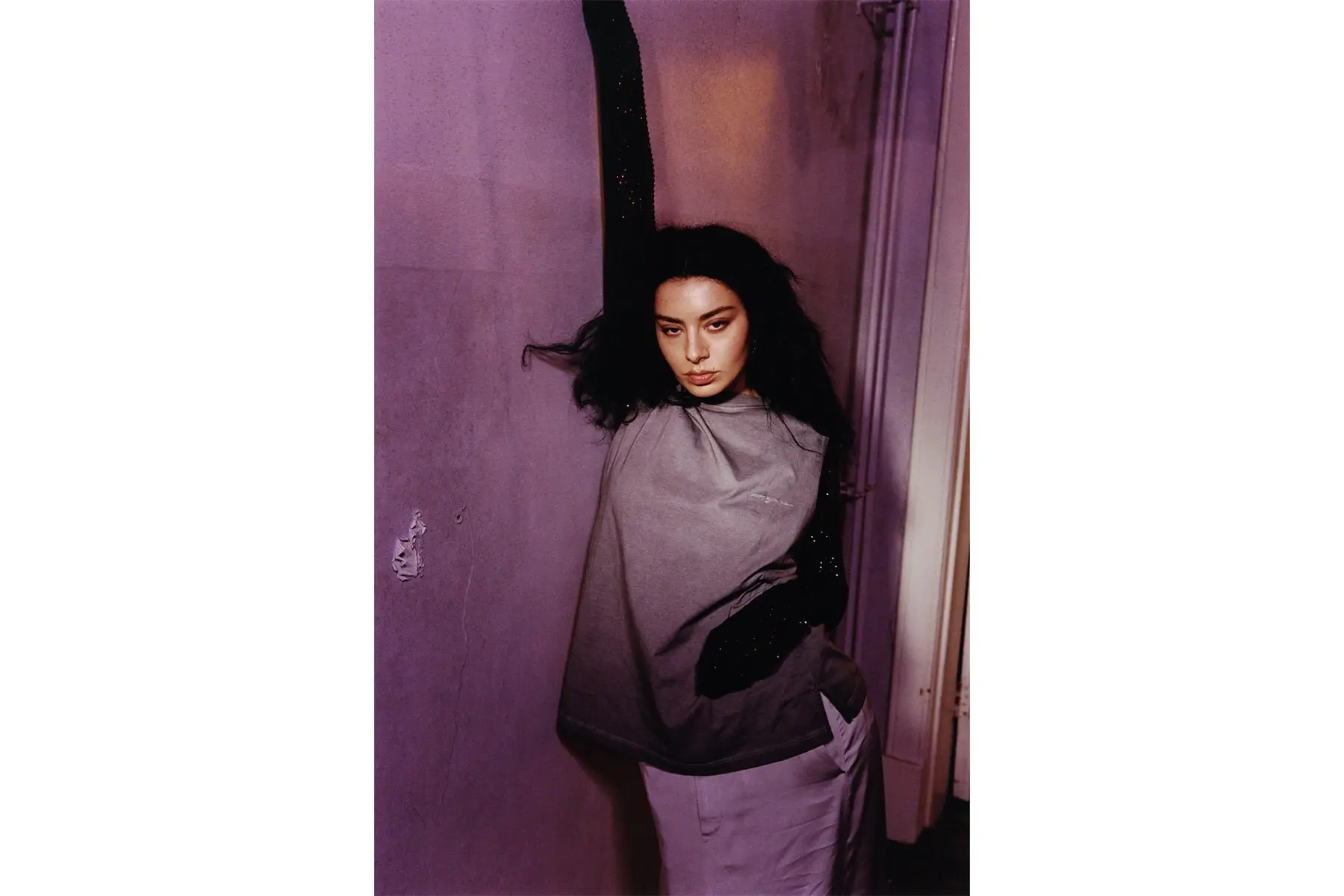
The portrait shows Charli XCX leaning against a wall, dressed down, the lime-green maximalism of the Brat visual identity nowhere in sight. Harley Weir shot it in 2024, during the album's promotional cycle. Two years later, it hangs in the History Makers Now gallery at the National Portrait Gallery in London, alongside figures the institution describes as defining contemporary British culture.

The acquisition marks an unusually short interval between cultural moment and institutional permanence. Pop portraiture typically enters national collections decades after an artist's commercial peak, once the critical establishment has had time to reconsider ephemeral fame as historical significance. The Brat cycle is still active: Charli XCX continues to tour the material, the album's visual language remains current in fashion and design, and the lime-green branding has not yet completed its pass through parody into nostalgia.
The National Portrait Gallery framed the acquisition around Charli XCX as "one of the defining artists of our time." That phrasing does the work of skipping the waiting period. It positions a working pop artist inside the same sentence structure the institution uses for historical subjects, without the retrospective distance that typically justifies such language.
Weir's photograph itself resists the album's dominant visual codes. The Brat campaign leaned on flat color fields, sans-serif type, and a deliberately low-resolution aesthetic that read as anti-gloss. The portrait the gallery acquired is none of those things: it is intimate, textured, and closer to editorial fashion photography than to the graphic design vernacular that defined the album's public presence. The institution chose the quieter image.
The placement in History Makers Now rather than a dedicated photography wing signals intent. The gallery is not acquiring a Harley Weir photograph; it is acquiring a Charli XCX portrait. The artist is the subject, not the image-maker. That distinction matters for how the work will be read over time, and for what kind of attention it draws to the collection.
Pop artists entering portraiture collections while still commercially active is not unprecedented, but the pace here compresses the usual timeline. The National Portrait Gallery is betting that the Brat era will hold its meaning, that the cultural moment will not deflate before the portrait has time to accrue institutional weight. The lime-green album cover is already a shorthand; the portrait now attached to it is something else, a stillness inside a campaign designed for velocity.
The gallery's bet is legible: Charli XCX's 2024 cycle was not a passing trend but a hinge point, and the institution wants to own the image that marked it.