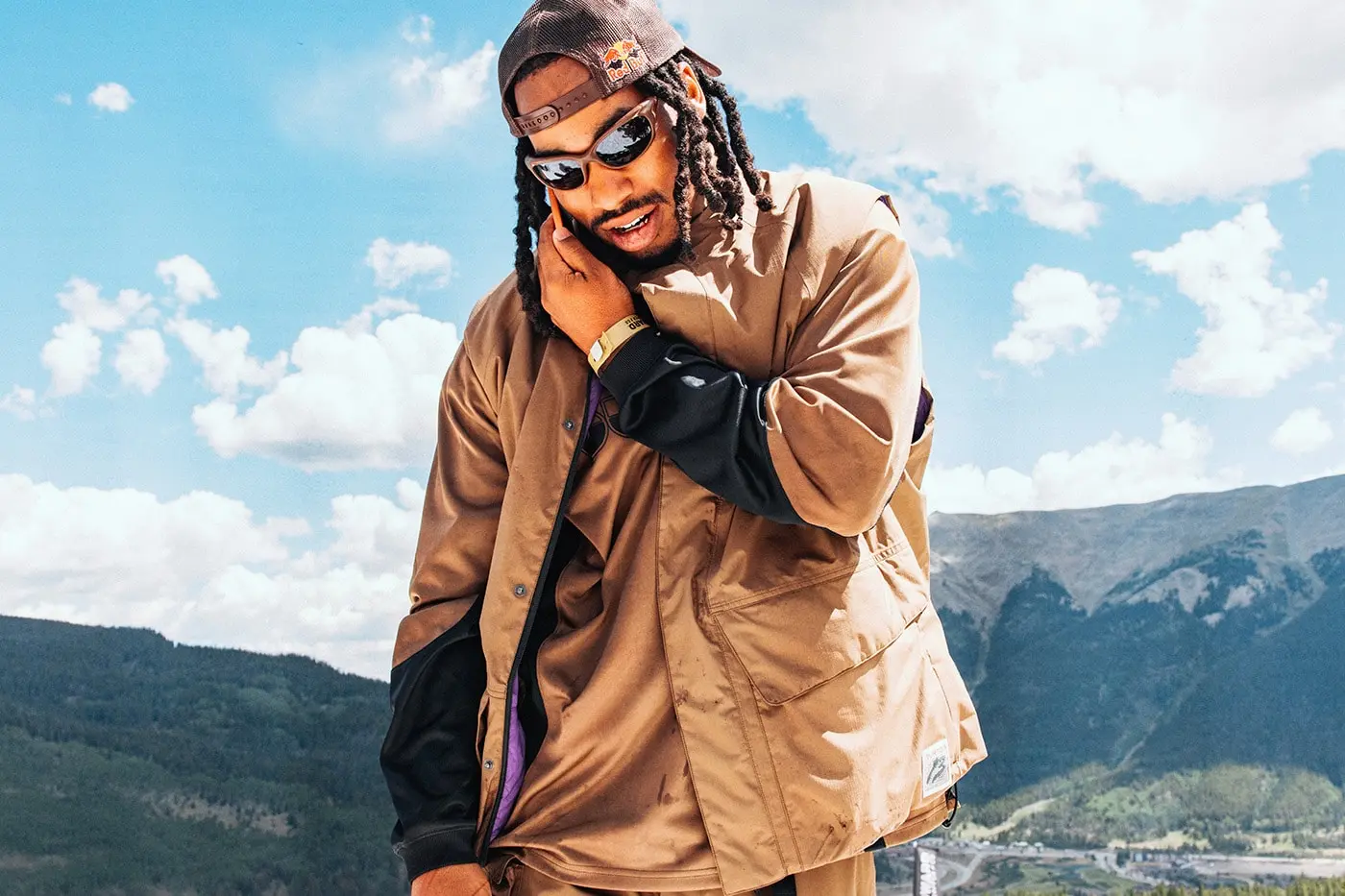
The hoodies come oversized on purpose, the shells reversible, the bucket hats built to look thrown on rather than styled: this is the wardrobe of a specific rider, not a mood board assembled by a design team guessing at what snowboard culture wants to wear. Burton has spent years watching Zeb Powell show up to contests and video parts in clothes that were, technically, just his own clothes, layered in a way that other riders and then other teenagers started copying without any brand ever selling the look. Zeb's Closet is Burton finally selling the look.
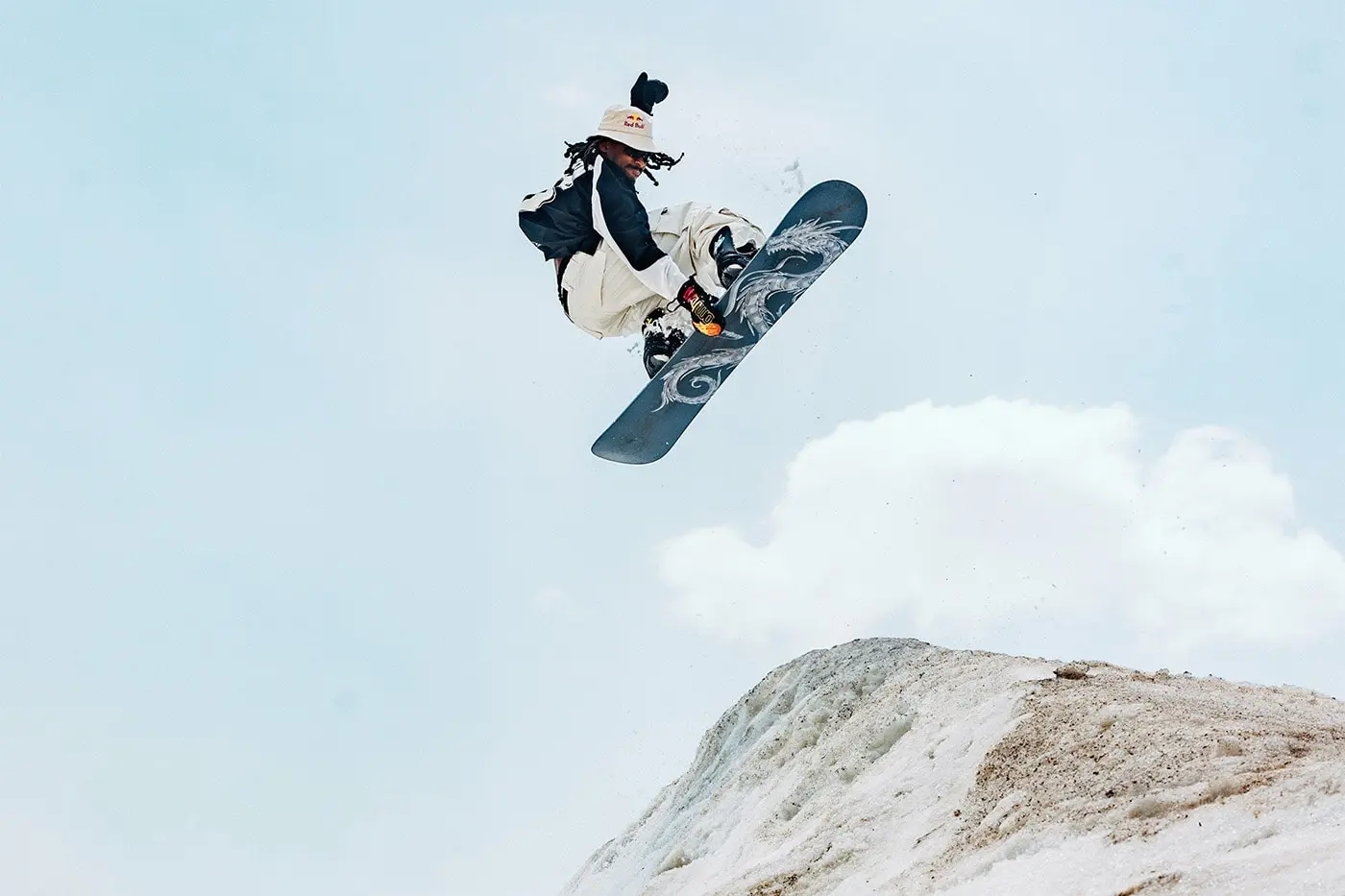
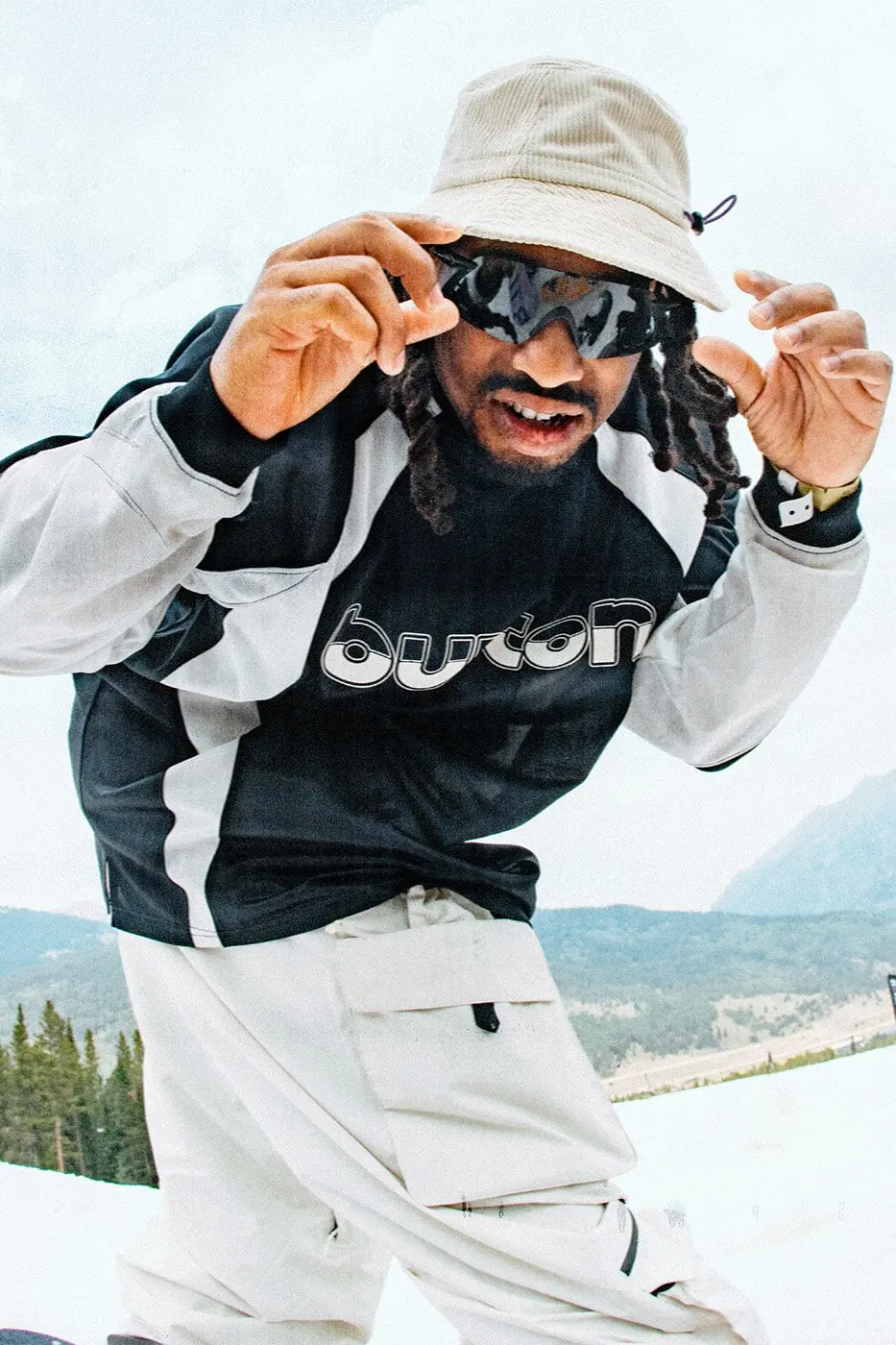
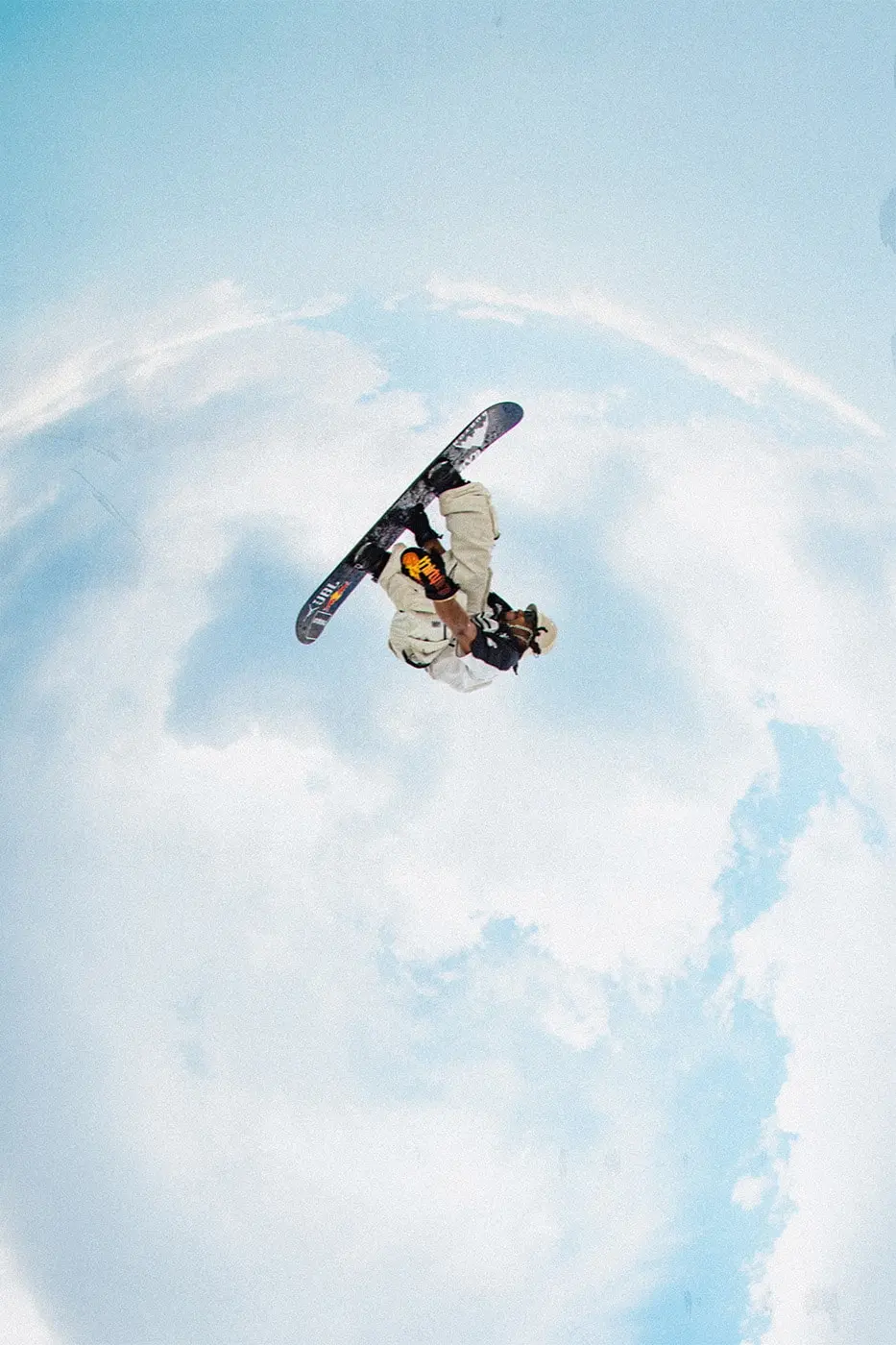
This is apparel merchandising built around a person rather than a season, which is a different discipline than the outerwear drops Burton usually runs. A seasonal line gets designed around fabric innovation or a color story; a wardrobe line gets designed around how one guy actually dresses when the cameras are not necessarily rolling. The heavyweight hoodies, the rugby shirts, the reversible insulated vest meant for stacking layers: none of this reads as runway snowboard fashion, it reads as what is already in Zeb Powell's actual closet, scaled to a production run.
Burton is also sending a traveling installation, Zeb's Mobile Closet, to New York before it tours snowboarding destinations worldwide, which is a distribution choice that matters as much as the garments themselves. A pop-up that moves city to city and resort to resort is not selling to a single retail footprint, it is following the same geography Zeb Powell's own riding already covers, festival stop by festival stop, the way a touring musician's merch table follows the band rather than sitting in one city waiting for fans to arrive.
The distinction Burton is drawing matters because it inverts the usual order of operations for a signature line. Normally the brand designs a garment, hands it to an athlete, and lets the athlete's visibility sell it back to the public. Here the garment already existed in public view, worn contest after contest and video part after video part, before Burton did anything but watch. The heavyweight hoodies and reversible shells were not concepted for Zeb Powell; they were copied from him, which is a much harder thing to manufacture backward.
That backward manufacturing is exactly what the traveling closet is meant to authenticate. A pop-up that follows the same festival and resort circuit Zeb Powell already rides is not a marketing overlay bolted onto the clothes, it is a continuation of the same pattern that made the wardrobe recognizable in the first place: showing up where the riding happens, city by city, rather than waiting behind a single storefront for the audience to arrive. The installation is not announcing a product so much as retracing the route by which the look became familiar without ever being sold.
Seen that way, the reversible vest and the bucket hats built to look thrown on are less a design language than a documentation project. Burton is not guessing at what snowboard culture wants to wear, and it is not smoothing Zeb Powell's layering into something more marketable either. It is packaging the wardrobe at the fidelity teenagers were already copying it, which is the only version of this collaboration that could plausibly claim the clothes were real before they were retail.
What Burton has built here is not a collaboration in the traditional sense of two logos sharing a garment. It is personal style, converted directly into a globally distributed product category, with the traveling closet functioning as proof that the clothes were real before they were retail.