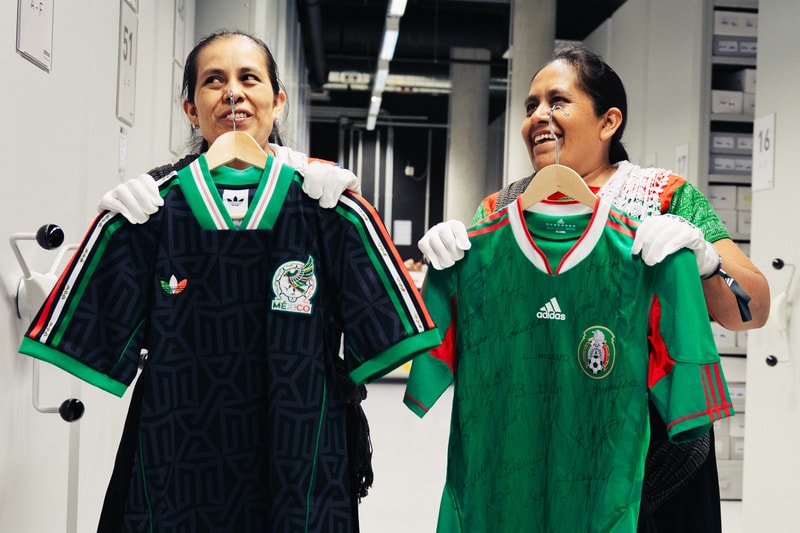
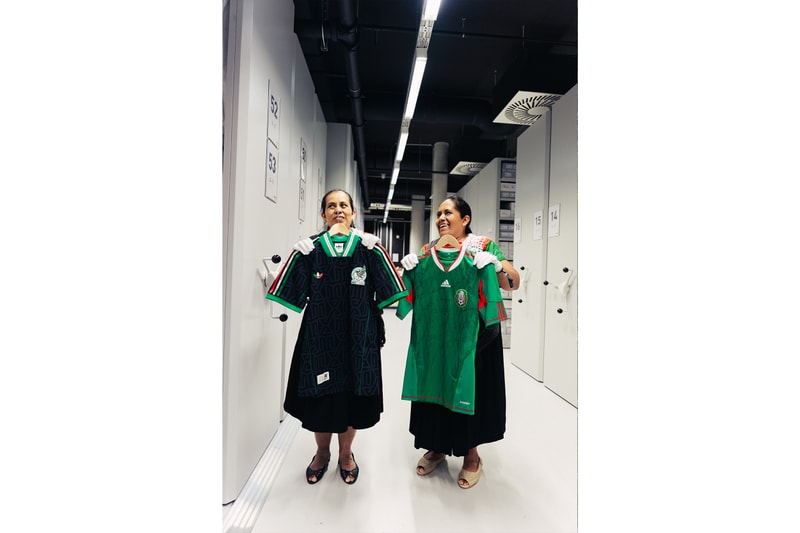
Adidas has released a seven-piece capsule for Mexico's El Tri World Cup campaign, produced in collaboration with Someone Somewhere, a Mexico City-based social impact label. The collection features hand-embroidered detailing on Originals silhouettes, with each piece carrying work from over 150 women artisans in Naupan, a municipality in Puebla state. The announcement names the village, names the partnership, and names the craft tradition. It does not name individual artisans.
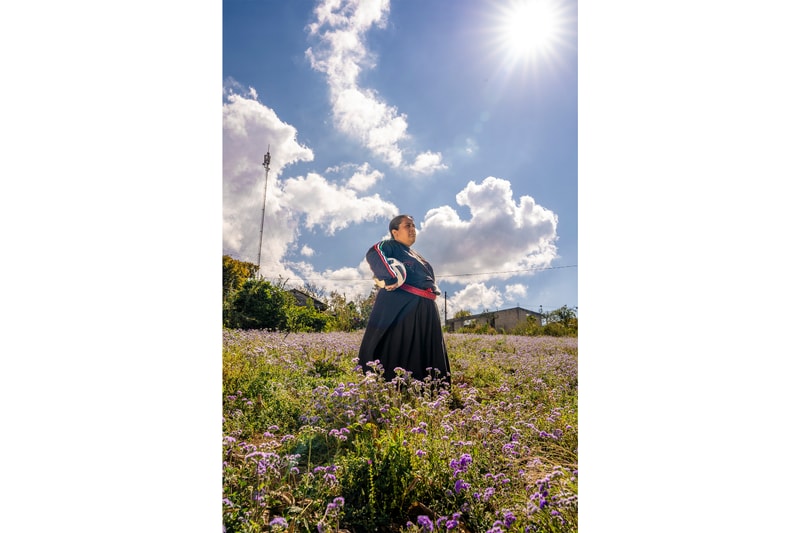
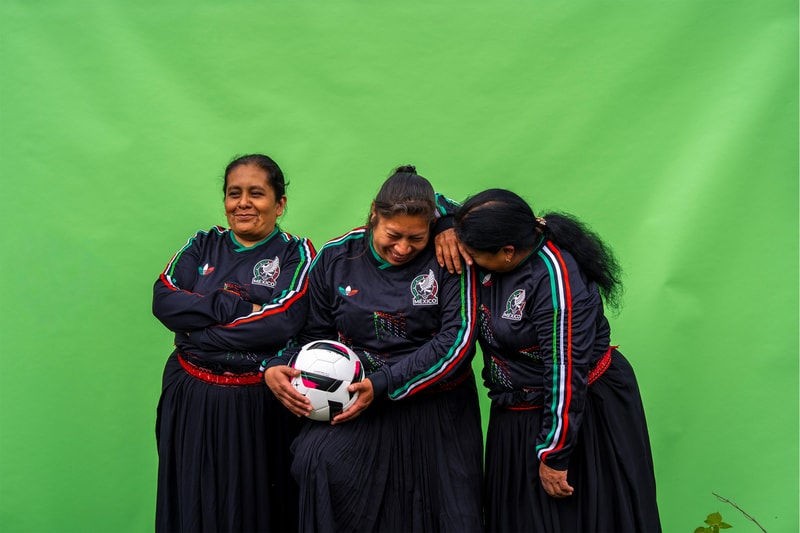
This is standard. Sportswear's supply chain transparency has expanded dramatically over the past decade, but the transparency stops at a certain altitude. Factories get named. Villages get named. Cooperatives get named. Individual makers rarely do. The Someone Somewhere model is built precisely around that gap: the label's own product pages list artisan names and photographs alongside the goods they produced. The adidas collaboration, filtered through a global sportswear press release, flattens that specificity back into a collective noun.
The operational question is whether the naming infrastructure Someone Somewhere built for its own direct-to-consumer channel can survive the scale of a World Cup campaign. A seven-piece capsule is small by adidas standards. A 150-person artisan network is large by social enterprise standards. The ratio, roughly 21 artisans per SKU, suggests that each piece carries work from multiple hands. Whether those hands appear on the product page, the hangtag, or nowhere at all will determine whether the collaboration actually extends Someone Somewhere's credit model or simply borrows its vocabulary.
The precedent is mixed. Patagonia's Footprint Chronicles, launched in 2007, set the benchmark for factory-level transparency but never reached the individual worker. Eileen Fisher's Renew program tracks garments through resale but not through initial production. The closest parallel to what Someone Somewhere attempts is the Jaipur Rugs model, where each handmade rug ships with a card naming and photographing the weaver. That model works because the product is singular: one rug, one maker. Apparel, especially apparel produced at capsule scale, complicates the math.
Adidas has not disclosed whether the Someone Somewhere capsule will carry individual artisan credits at retail. The press materials emphasize the village and the craft tradition. The question is whether the product does the same, or whether the supply chain visibility compresses back into a logo and a story.
The World Cup creates a specific pressure. National team merchandise is the highest-volume apparel moment in the sport. A capsule positioned as handmade and locally sourced will be photographed, unboxed, and reviewed by thousands of buyers who have never encountered Someone Somewhere's direct model. If those buyers see a hangtag with a name and a face, the credit model scales. If they see a hangtag with a village name and a partnership logo, the credit model remains a press release.
Someone Somewhere's own site will presumably carry the full artisan data. The question is whether adidas.com does the same. The answer will arrive when the capsule ships.