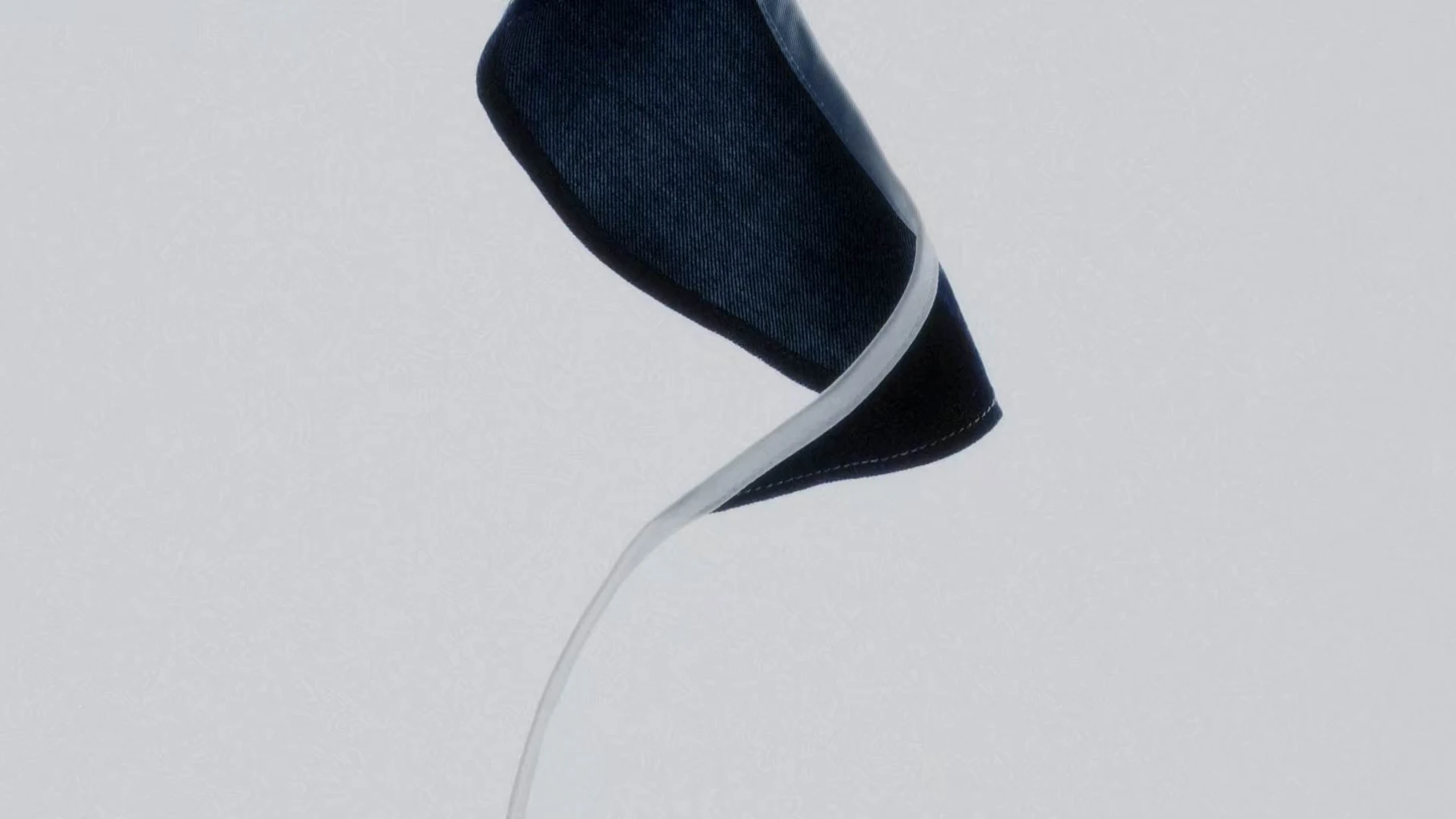
Twelve pieces. That is the size of the capsule Acne Studios released on October 14, reworking Hussein Chalayan's early 2000s designs into current retail. A reworked Camero handbag. Patchworked denim. Asymmetrical silhouettes pulled from a specific run of collections: the ones that made Chalayan's name inside art schools and museum catalogs, not sales floors.
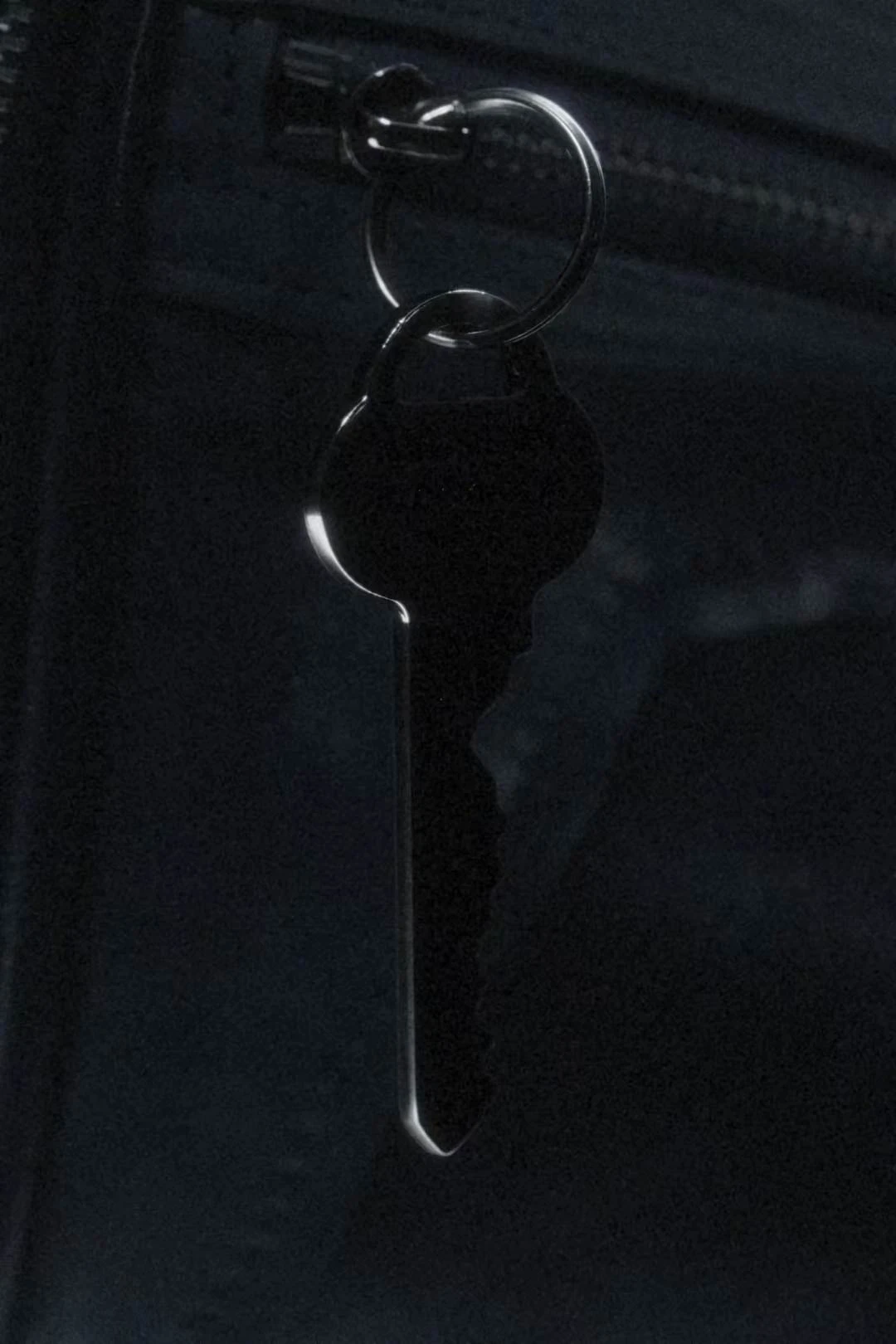
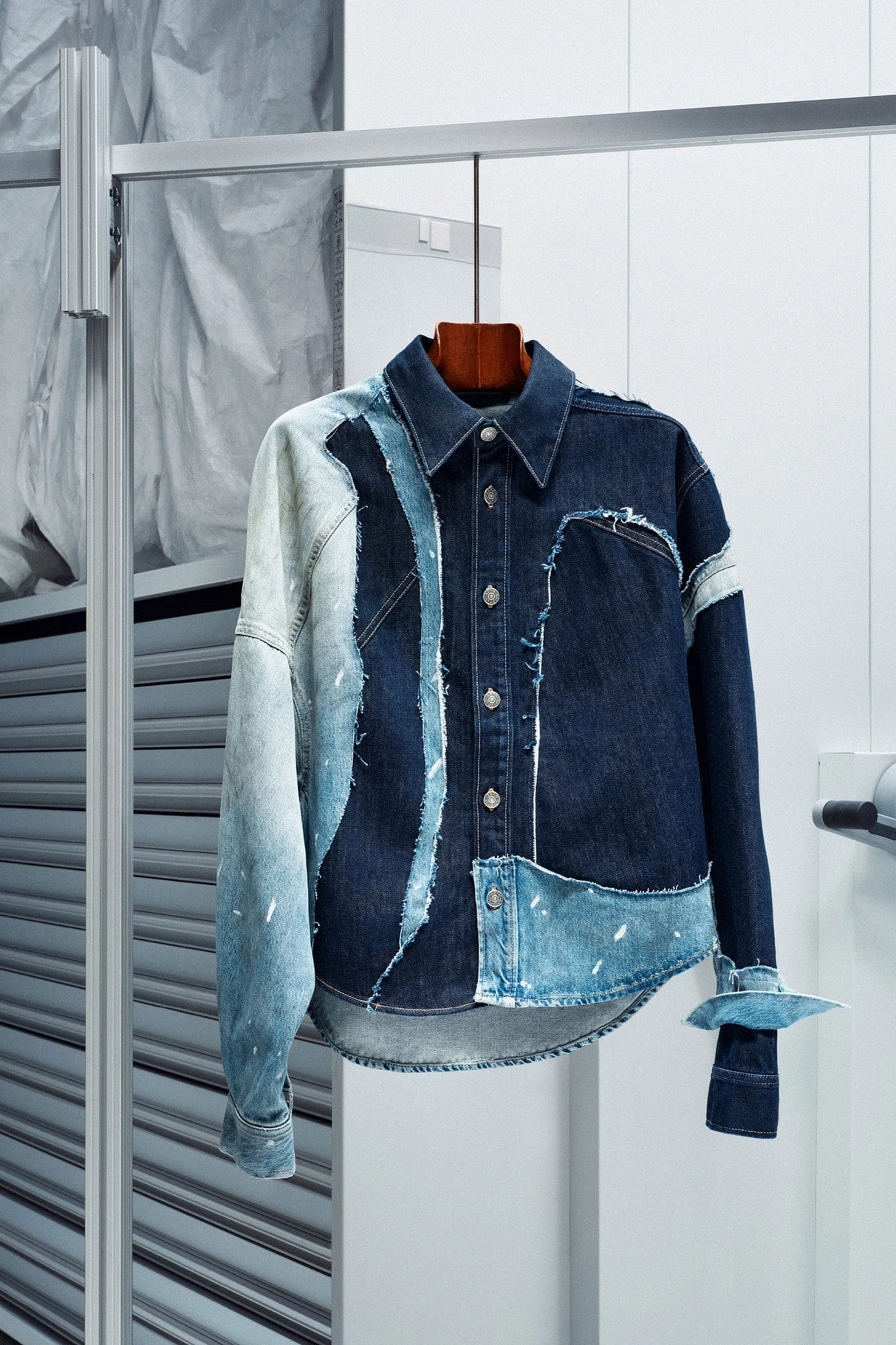
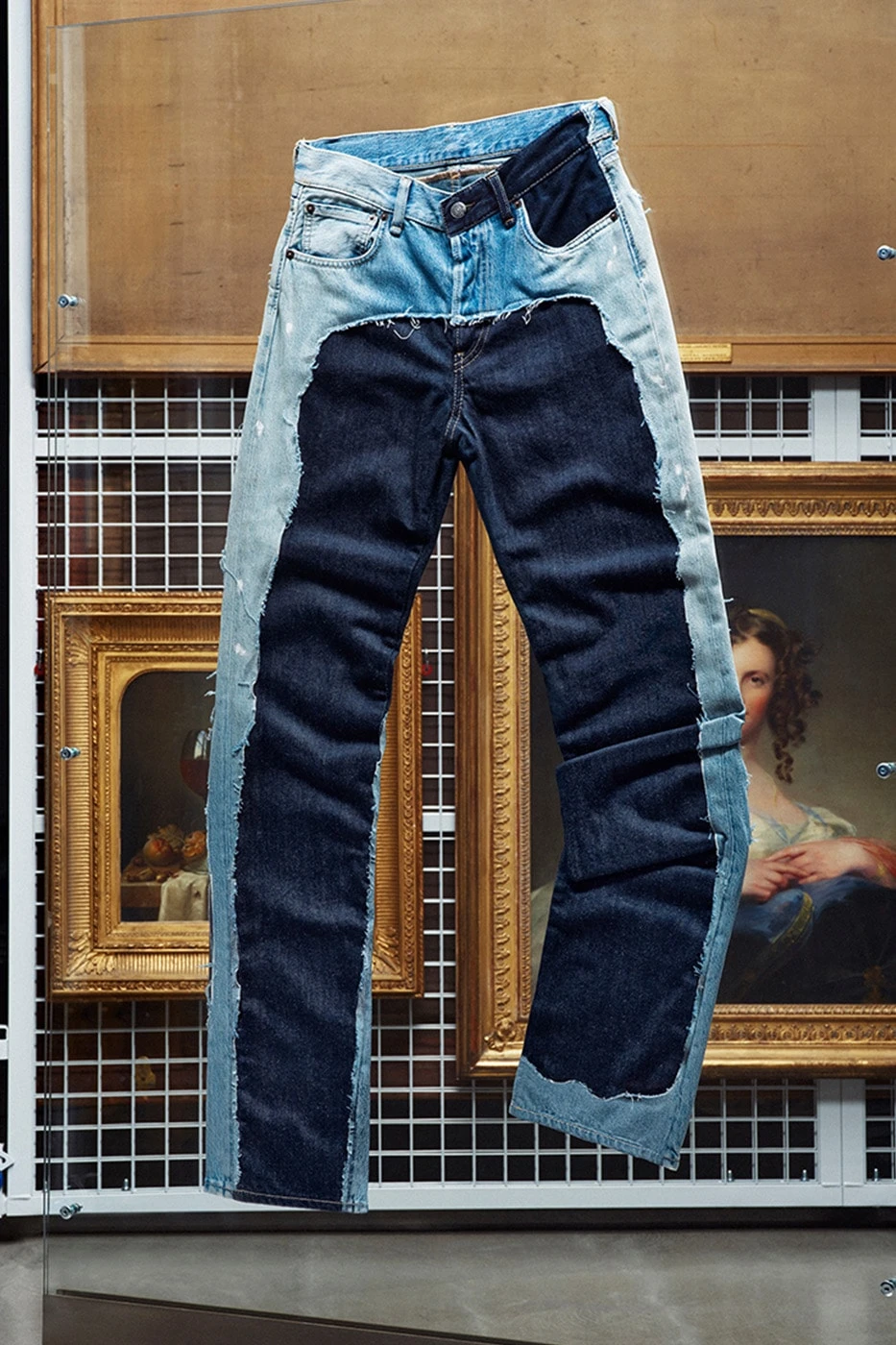
Chalayan's early work was built to resist exactly this kind of conversion. His 2000 and 2007 collections turned furniture into dresses, used remote-controlled hemlines, staged garments as structural experiments rather than seasonal product. The V&A has held his work in its permanent collection since 2001. He won the British Fashion Council's Designer of the Year award twice in that stretch, in 1999 and 2000, for work that was explicitly conceptual, not commercial.
Acne Studios' own language on the drop frames the capsule as a celebration of Chalayan's legacy. The accompanying V&A campaign and limited-edition book reinforce that framing: heritage, archive, tribute.
The operational record shows the opposite movement from the one being celebrated. Chalayan's early 2000s pieces were not designed for retail distribution. Many existed as single runway samples, built for theatrical presentation rather than production runs. A garment that turned into a coffee table was not meant to sell twelve times over at a price point a department store could stock.
Acne Studios is a commercial house with over 60 stores across Europe, Asia and North America. Its retail model depends on repeatable product at scale. Converting Chalayan's one-off experiments into a 12-piece capsule, with a reworked handbag as a hero item, moves work built against commercial logic into the center of commercial logic. The V&A book and campaign do not change that operational fact: they document a legacy built on scarcity and conceptual resistance while the capsule itself monetizes that same resistance as a seasonal product line.
Fashion houses have run this pattern before: Margiela's early runway experiments reissued as retail product decades later, Rei Kawakubo's conceptual Comme des Garçons lines sold alongside commercial diffusion labels. The gap between a designer's non-commercial intent and a brand's commercial execution is not new. What the Acne Studios release confirms is a specific count: twelve pieces, one capsule, one museum tie-in, built from a body of work whose defining feature, on the designer's own record, was its refusal to be exactly that.
The capsule ships October 14, 2026, alongside the V&A campaign and book.