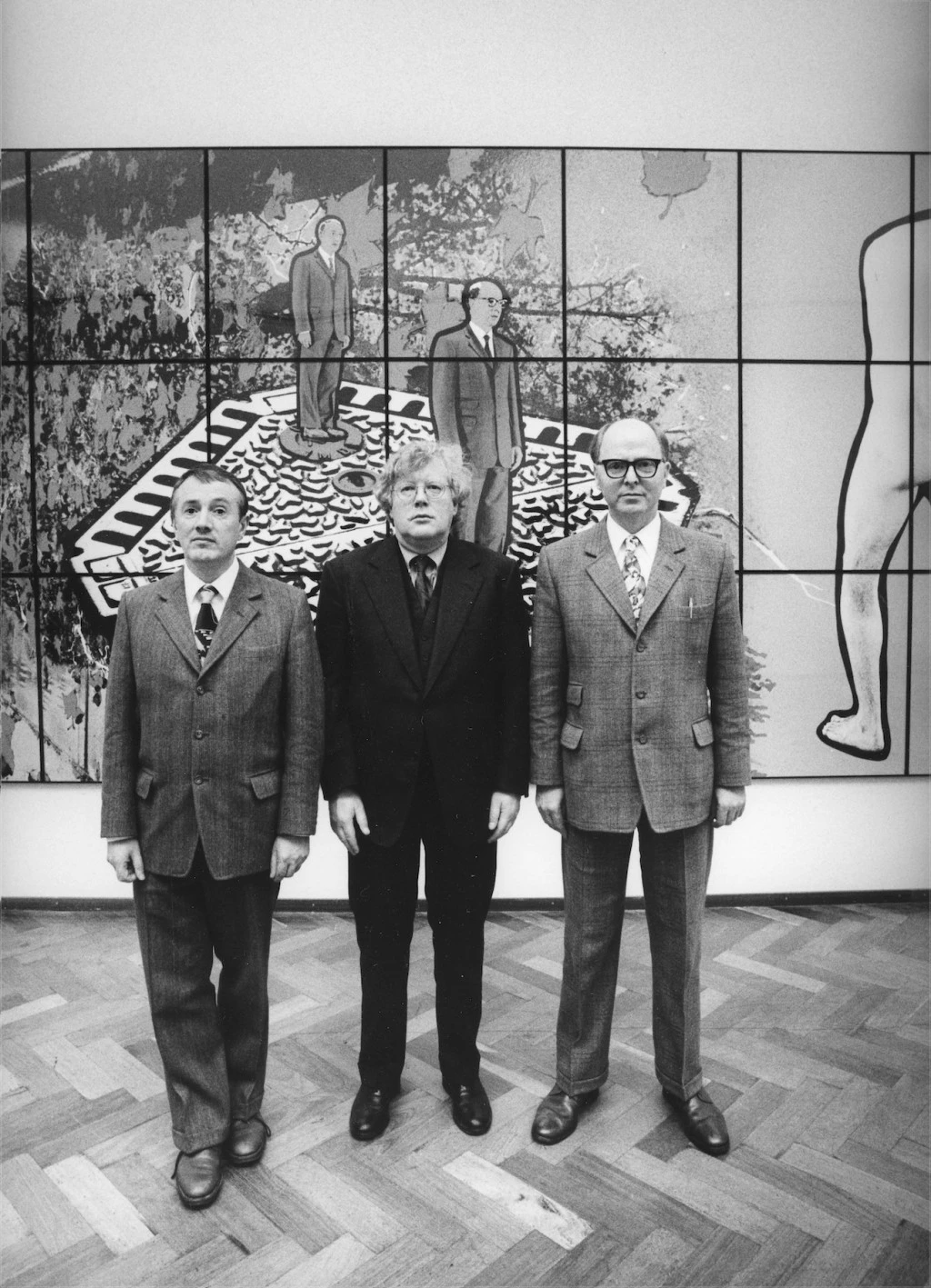
Rudi Fuchs died on Sunday 25 October 2026. The Stedelijk Museum Amsterdam posted its obituary three days later, on Wednesday 28 October, describing him as "one of the most influential museum directors of the last fifty years." The museum's own account traces his path cleanly: a name made at the Van Abbemuseum in Eindhoven, an appointment as artistic director of Documenta 7 in Kassel in 1982, then the Stedelijk directorship from 1993 to 2003. What the obituary does not do is draw a line from that decade to the museum's 2026 calendar, the one running in the building while the obituary itself was being written.
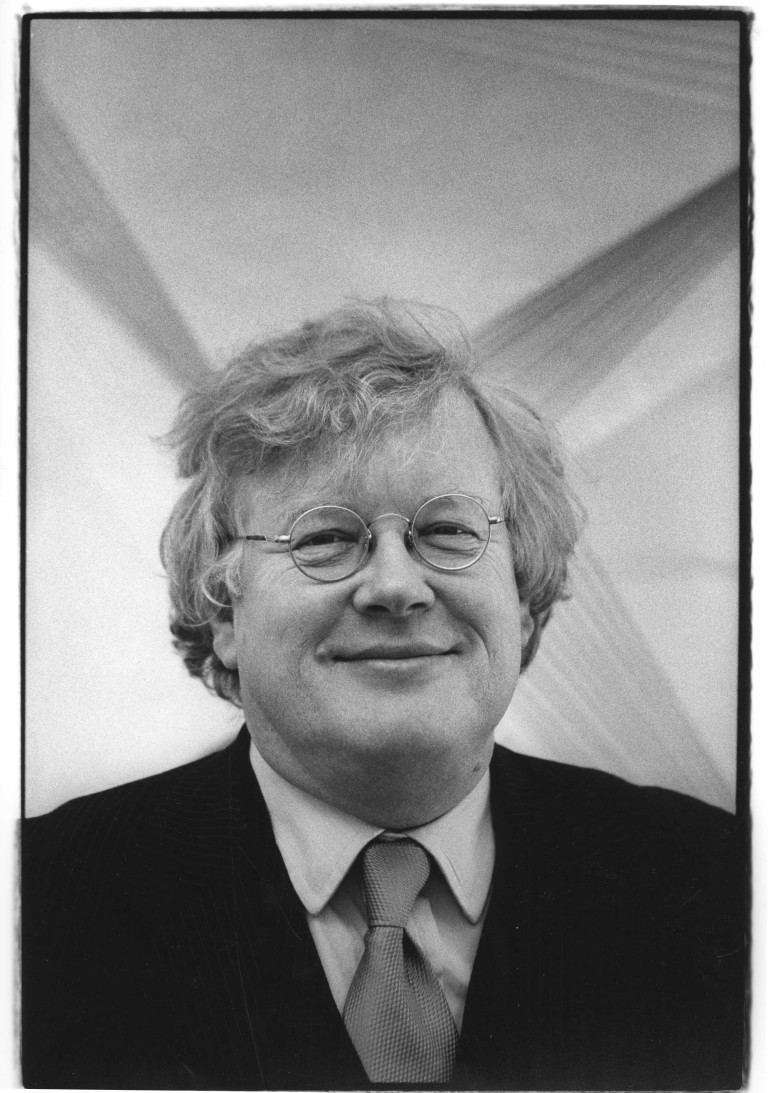
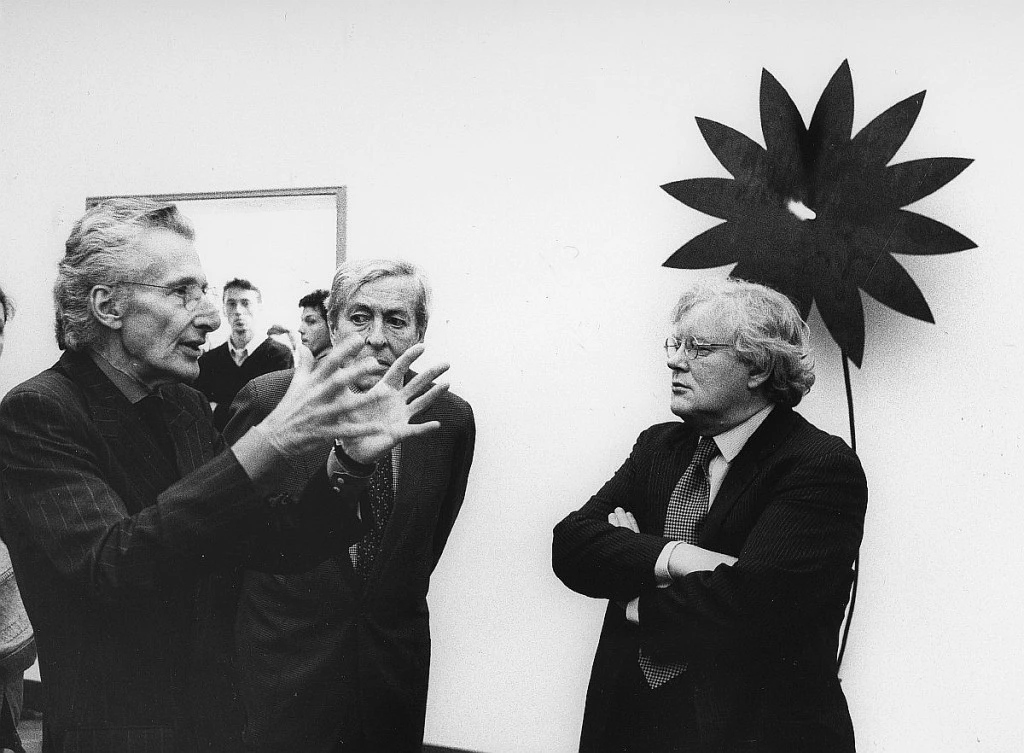

Fuchs's decade at the Stedelijk (1993 to 2003) is the one where the museum committed to the kind of single-artist survey it is still running in 2026: the Adam Pendleton painting survey and the Kusama facade tribute both sit in a curatorial lineage Fuchs argued for publicly, that a museum of modern art earns its authority by backing an artist's full body of work rather than assembling period rooms. The 2025 Kexin Hao commission and the 2024 Camiel Fortgens collaboration extend that same premise into collaboration and merchandise, areas Fuchs never worked in but whose logic, that the museum's voice travels through a living artist's current practice rather than a fixed canon, traces to his tenure.
The gap the obituary leaves open is a dating problem, not a factual one. It lists 1993 to 2003 as a decade of appointments and shows, the way an institution always recites its own history, as a sequence of job titles. It does not say that the museum's current format for treating an artist's death or departure as programming (the Kusama facade installed within weeks of her death, the Schippers final-work show timed to his passing) has a direct ancestor in how Fuchs ran exhibitions as events rather than retrospectives. A museum that moves this fast on a living or recently deceased artist's work is running a format Fuchs helped establish three decades before the 2026 programme made it visible again.
The Stedelijk's board faces its own dated decision: name a Fuchs retrospective, a reading room, or a published history for the 1993-2003 decade, the way it has already built season-length programming around Kusama and Pendleton. No such plan appears in Wednesday's obituary. The museum that spent 2026 proving it can move a full exhibition calendar around a single artist's death owes the director who taught it how the same treatment. Name the date.