Pluk de Nacht's own farewell post to Utrecht, published 17 August 2026, calls the ten nights just wrapped there "waanzinnig" and lists what happened on the grass: tropical weather, a solar eclipse viewing, games of Twister between films. It is the language of a diary entry. What it is not is the language of an operation that just struck an entire outdoor cinema, hauled it across the country, and is rebuilding it for another city inside the same summer.
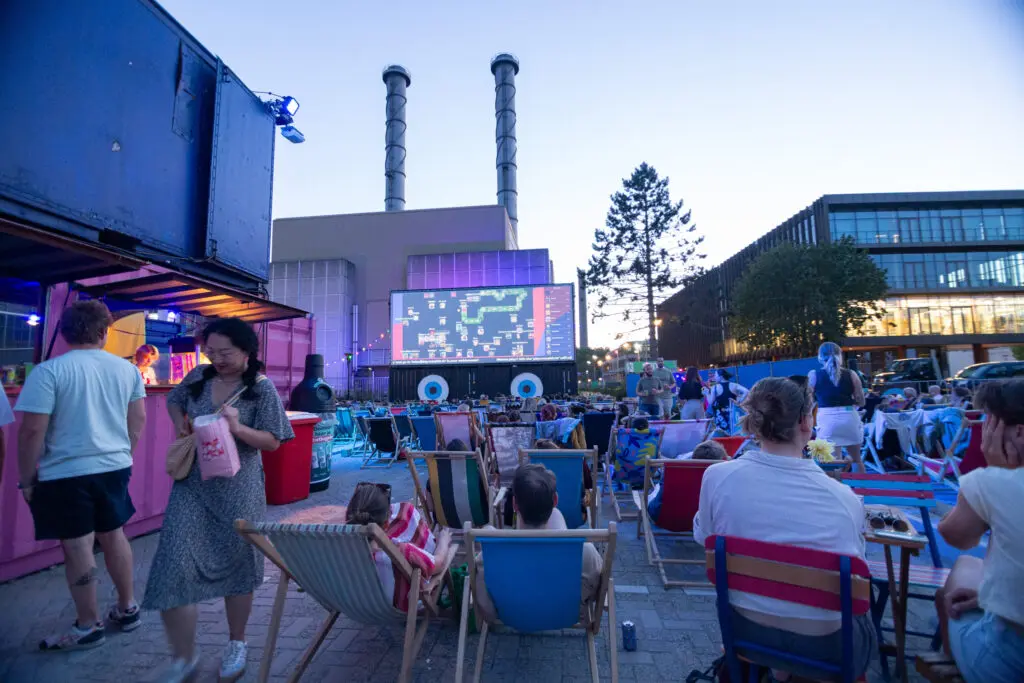
Pluk de Nacht has run this exact pattern since 2008, when it started as a single Amsterdam pop-up cinema on a patch of unused city land. Eighteen years on, the model has scaled into a rolling circuit: a city gets roughly ten nights, then the entire outdoor infrastructure, screen, sound rig, deck chairs, projection booth, comes down and goes up somewhere else. Utrecht's Neude just had its turn. Amsterdam is next on the 2026 calendar, and the institution's own copy frames the transition as an emotional goodbye rather than what it structurally is: a supply chain for a temporary cinema, executed on a schedule tight enough that the trucks are likely loaded before the last Utrecht post even goes live.
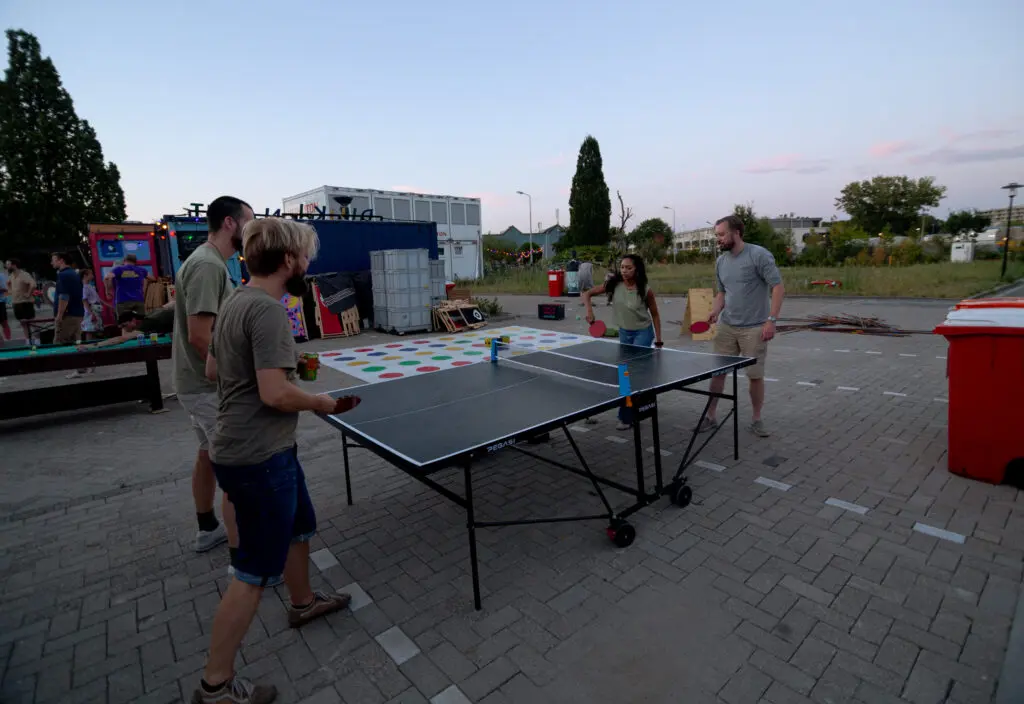
This is the gap worth naming. A festival that describes itself in the vocabulary of memory (nostalgic photo sets, thank-you notes to the host city) is running on a production timeline that most touring theatre companies would recognise and most local audiences never see. The press treats each city stop as its own standalone event: a listing, a review, a photo of people on the grass. None of that coverage tends to add up the stops into what they actually are, a single mobile institution running the same format on a compressed, repeatable build-strike-rebuild cycle across multiple Dutch cities in one season. The lead time is the whole story: by the time Amsterdam's opening night gets covered as news, the infrastructure decision that made it possible was locked in weeks earlier, in Utrecht, unannounced.
Amsterdam's Pluk de Nacht stop opens within weeks of the Utrecht close, on a plot the organisation has not yet named publicly. When it does, expect the coverage to treat it as a fresh event rather than the next link in a chain that started on the Neude and will end somewhere else before the year is out.