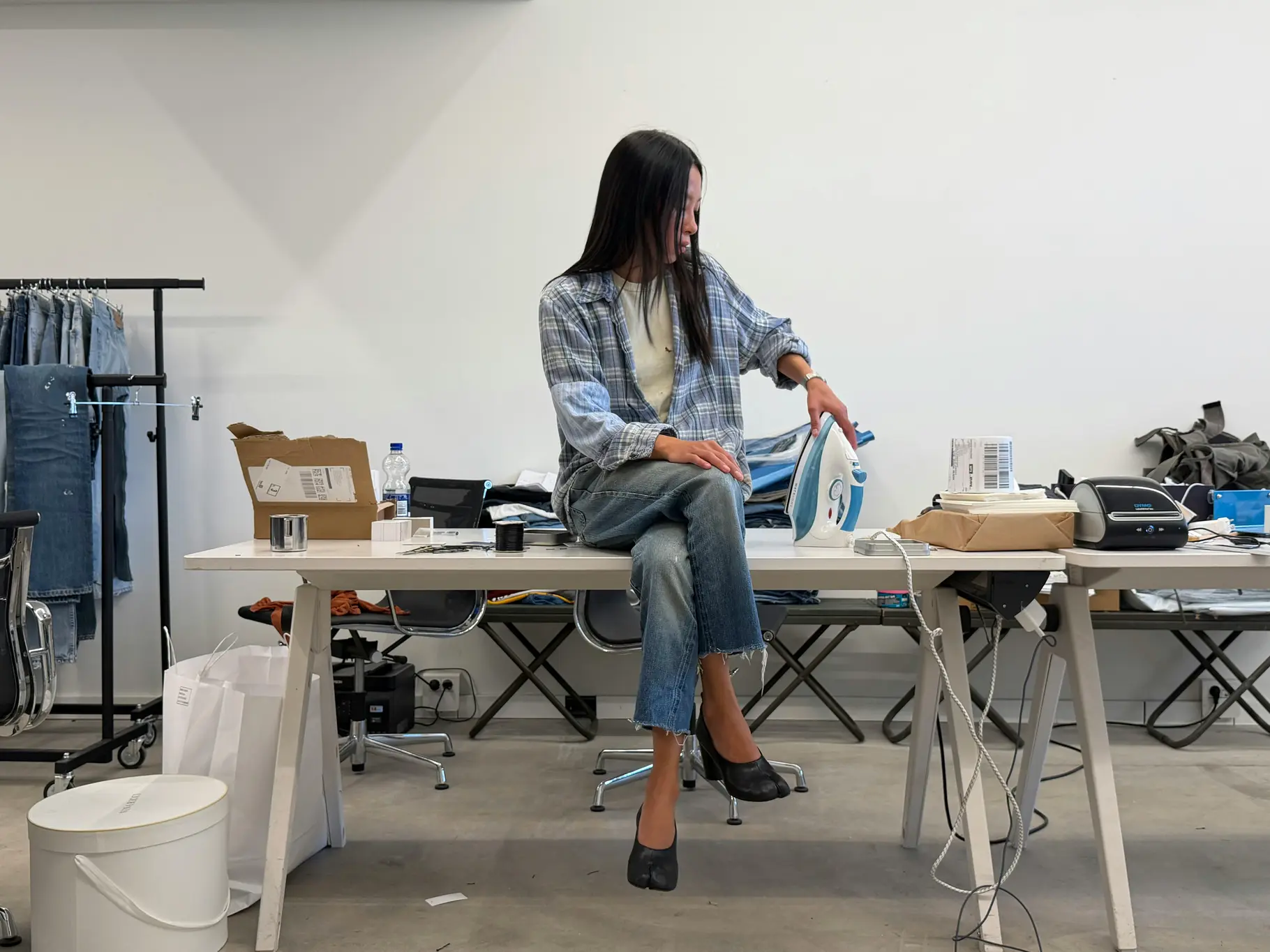
Nhogirl has 100,000 followers on Instagram as of this week. It has zero storefronts. Amy Pham Thi runs the Amsterdam vintage operation strictly by appointment, a booking model more associated with tailors and estate sales than with a brand posting daily to six figures of followers.
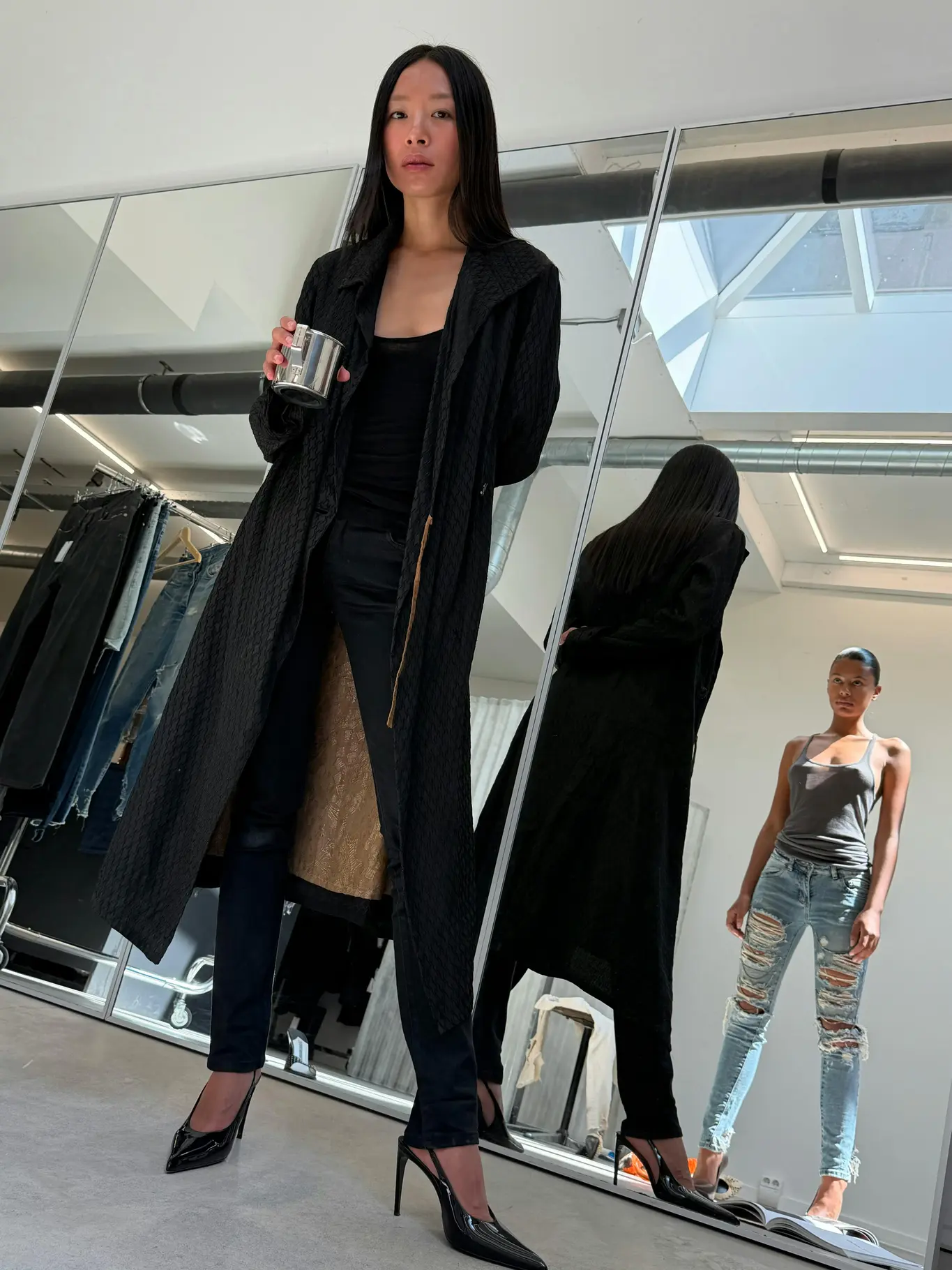

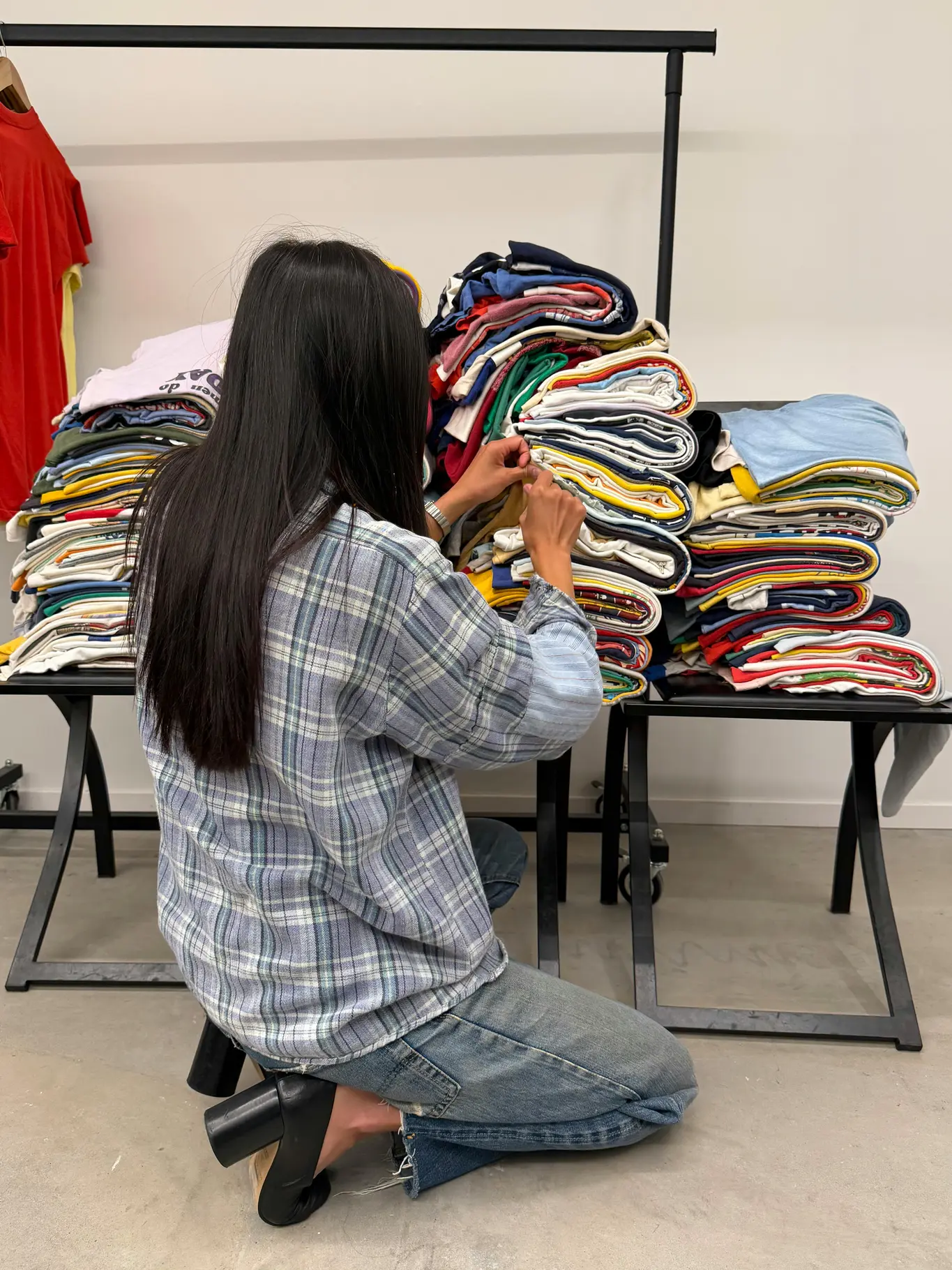
The number matters because of what it is not attached to. A shop with 100,000 followers and no public hours is not a small operation hiding from demand. It is a small operation that has decided demand does not get to set the terms of access. Most Amsterdam vintage retail runs the other way: Waterlooplein stalls, Noordermarkt racks, IJburg pop-ups, all built around volume and walk-in traffic. Nhogirl inverted the ratio, and the follower count grew anyway.
That is the gap this desk tracks as preference: the audience is named everywhere (100k followers, tagged posts, resale chatter) but the actual transaction is chosen rarely, gated behind a booking calendar most of that audience will never fill. Presence at scale, access at a trickle. The two numbers do not need to reconcile for the model to work. If anything, the appointment wall is what keeps the Instagram number meaningful: a showroom anyone could walk into would not generate the same anticipation in a feed.
Amsterdam vintage has flirted with this before at smaller scale. Individual resellers on Depop and Vinted have run DM-only sales for specific grails. What Pham Thi has done differently is build an entire showroom, not a single listing, around the same restriction, and sustain it long enough to cross six figures of followers without ever loosening the door.
The appointment wall also explains why the Instagram number keeps climbing instead of plateauing. A feed built on named demand and gated access rewards the follower who does not get in as much as the one who does. Every tagged post and every piece of resale chatter adds to the audience without adding a single walk-in customer, because there is no door to walk into. The showroom's value is measured in who wants in, not who is let in.
That inversion is also why the Waterlooplein and Noordermarkt comparison holds up under scrutiny. Those markets convert attention into footfall by design. Nhogirl converts attention into a waiting list, and the waiting list itself becomes part of the pitch. The brand does not need the stalls' volume because the scarcity is doing the work volume would otherwise do.
The test for the model is not the follower count. It measures whatever happens to the appointment calendar through the autumn buying season, when Amsterdam vintage demand typically spikes with the return of students and the start of fashion week traffic. A shop this deliberate about scarcity does not expand the calendar to meet a follower spike. Pham Thi has built the business by holding the line, and the autumn season is where that discipline gets tested against real pressure. The calendar stays tight, and the scarcity stays the point.