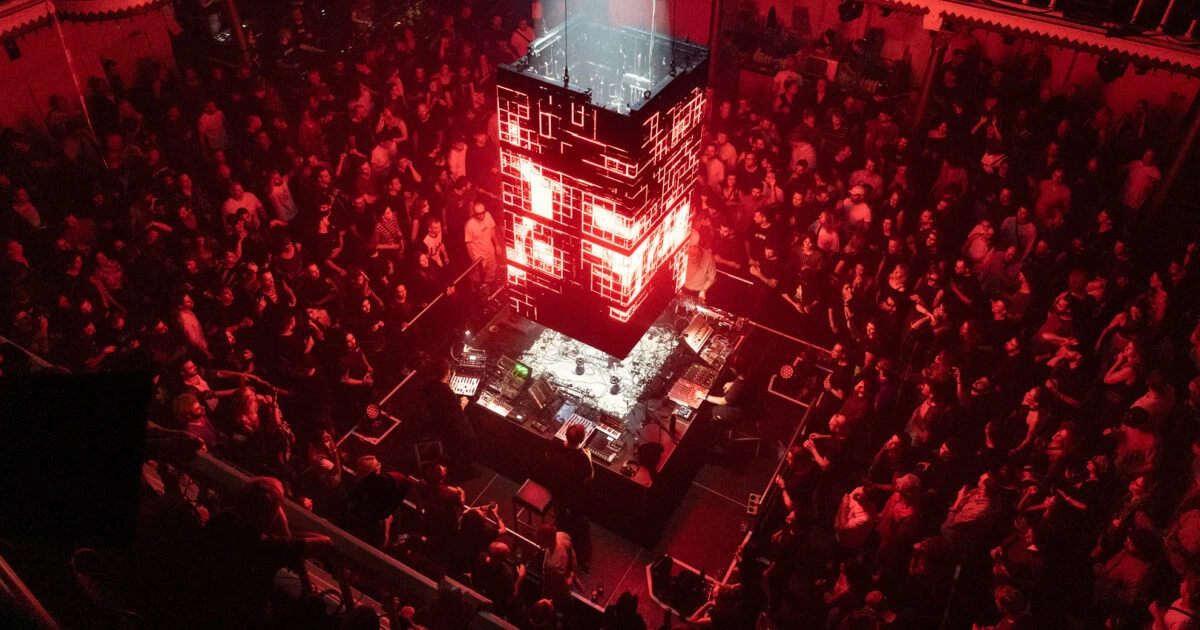
Amsterdam Dance Event runs 21 to 25 October this year, its thirtieth edition, and the festival's own programme notes treat that number as the headline: three decades of the city's biggest annual claim on global dance music. What the programme does not say, and what GVB's own service planning quietly confirms, is that this year's closing night falls on the one weekend the Dutch calendar hands the city an extra hour of darkness for free.
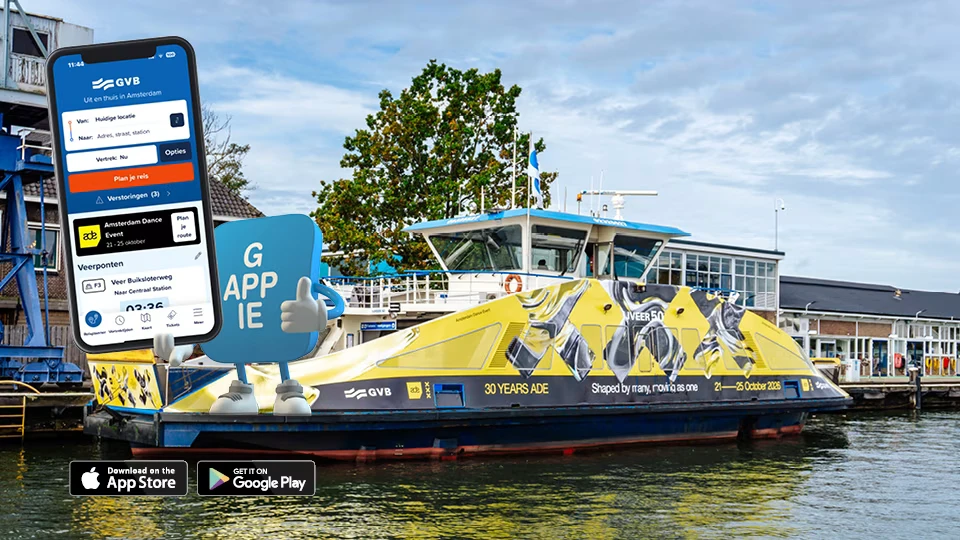
In the night of Saturday 24 to Sunday 25 October, winter time starts. GVB has responded by running night buses an hour longer, to 03:00 new time, rather than the usual 02:00. Metro lines 52 and 54 extend service to 02:00 on both Friday and Saturday. NS is stopping every night train at Bijlmer ArenA across the same Saturday-to-Sunday window. None of this is incidental scheduling. It is a transit authority building a service plan around a date that the clock itself moves.
The pairing matters because of what it does to ADE's own closing programme. Gashouder, the Westergasfabriek venue, returns this year during what the festival calls its pre-opening season, before its usual winter dormancy. Speedy J is booked for an eight-hour hardware set at Paradiso on the Sunday, a format built explicitly to use a long night rather than fight it. Amsterdam Rave stages an all-female lineup the same Sunday. Black Coffee opened the festival at Ziggo Dome. Thirty years of ADE's own institutional memory has never before landed its closing weekend on a clock change, because the clock change moves by a fixed formula and ADE's dates move with the autumn calendar. 2026 is the first time in the festival's history that the two have aligned on its closing night.
Every year, the culture press covers ADE's lineup announcements, venue reopenings, and headline sets as discrete stories, each dated to its own press release. None of those stories will think to check the transit authority's own service bulletin against the Dutch government's fixed winter-time date, because that comparison sits outside music journalism's normal sourcing. GVB filed the schedule change as routine operational planning, the kind of bulletin that runs every October regardless of what else is happening in the city. It took a four-day overlap between a thirtieth anniversary and a clock change for that bulletin to become a story about how far ahead the city's infrastructure plans against its own cultural calendar.
ADE's fortieth edition will fall in 2036. The next time its closing Saturday coincides with the clock change is not a matter of festival booking, it is a matter of the EU's fixed daylight-saving formula, and GVB's planning department will know the date before the festival's own programmers do.