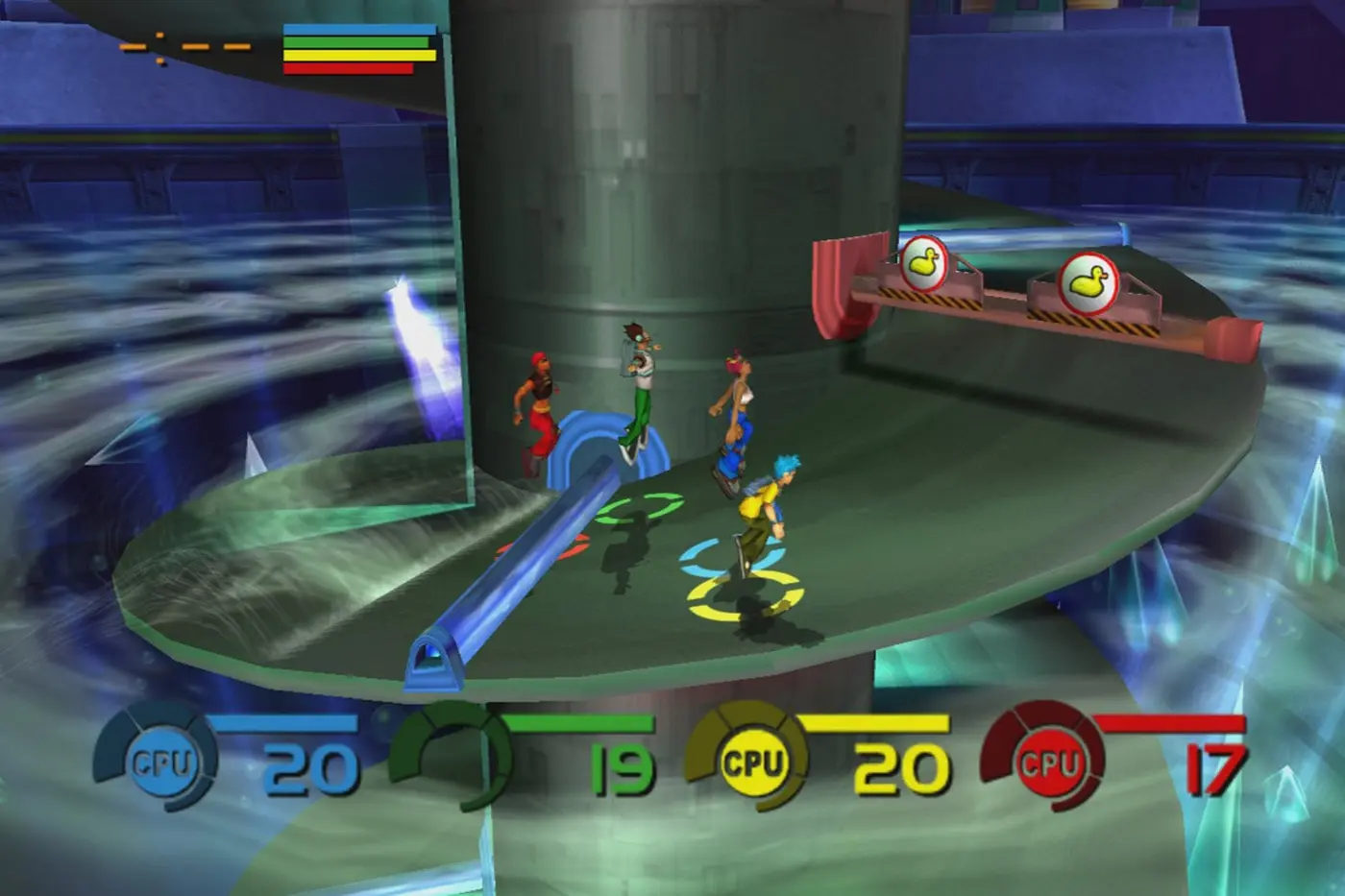
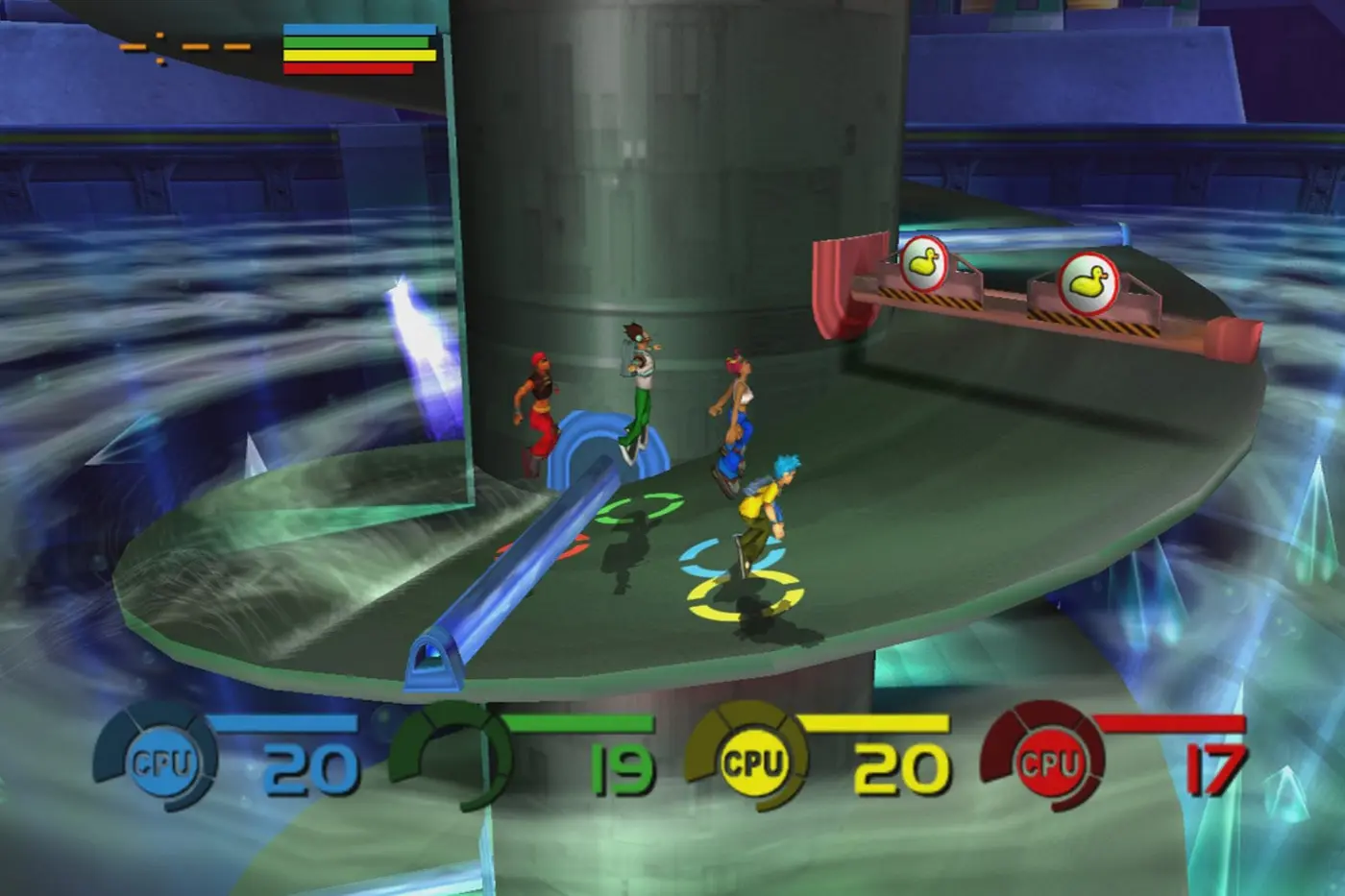
Four titles. Twenty-four years. Microsoft's Xbox Backward Compatibility on PC program launched on 23 July 2026 with BLiNX: The Time Sweeper, Conker: Live and Reloaded, Crimson Skies: High Road to Revenge, and Fuzion Frenzy. The original Xbox ceased production in 2006. The games now run on ROG Xbox Ally handhelds and standard Windows PCs.
Microsoft discontinued the original Xbox in March 2006, six months after launching the Xbox 360. The company introduced Xbox One backward compatibility in 2015, adding original Xbox titles to that program in 2017. PC support for those same titles did not arrive until this week. The gap between console preservation and PC preservation: nine years.
The launch lineup draws from Microsoft's first-party catalog and exclusive deals of the original Xbox era. BLiNX was a 2002 platformer developed by Artoon under Microsoft Game Studios. Conker: Live and Reloaded was a 2005 remake of the Nintendo 64 title, published by Microsoft after acquiring Rare in 2002. Crimson Skies arrived in 2003 as a Microsoft Game Studios production. Fuzion Frenzy launched in 2001 as an Xbox launch title.
The program is labelled "early release." Microsoft has stated that additional titles will follow. The company has not published a timeline or a target count. The original Xbox library exceeds 900 titles. The Xbox One backward compatibility program, after eight years of updates, supports 632 Xbox 360 titles and 63 original Xbox titles. The ratio of available to total: seven percent of the original library.
Handheld support is specific. The ROG Xbox Ally and Ally X are named explicitly. Steam Deck, the dominant PC handheld by unit sales, is not listed. Microsoft's handheld partnership with ASUS, announced in 2024, produced the Ally line as a Windows-based competitor to Valve's Linux device. The backward compatibility program extends that hardware strategy.
The arithmetic of preservation undercuts the rhetoric. Microsoft's console backward compatibility effort, spanning nearly a decade, recovered fewer than one in ten original Xbox games. The PC program launches with four. If the company maintains its console-era pace, the full original library would require more than a century of updates. The "early release" label offers no counter to that math.
Hardware exclusivity further narrows the claim. The named devices run Windows and carry either the Xbox brand or an ASUS partnership badge. The dominant PC handheld by unit sales sits outside the program. Preservation, in this framing, means preservation for Microsoft platforms. The competitive positioning against Sony's streaming model and Nintendo's closed ecosystem is clear. The public-interest case for archival access is less so.
Sony's PlayStation Now service offered PS3 streaming to PC beginning in 2018. Nintendo has never offered official emulation of its legacy libraries on non-Nintendo hardware. Microsoft's move positions Xbox as the first major console manufacturer to provide native original-generation game support on open PC platforms. The institutional claim is preservation. The operational reality is four games, two decades late, on hardware that carries the Xbox brand.