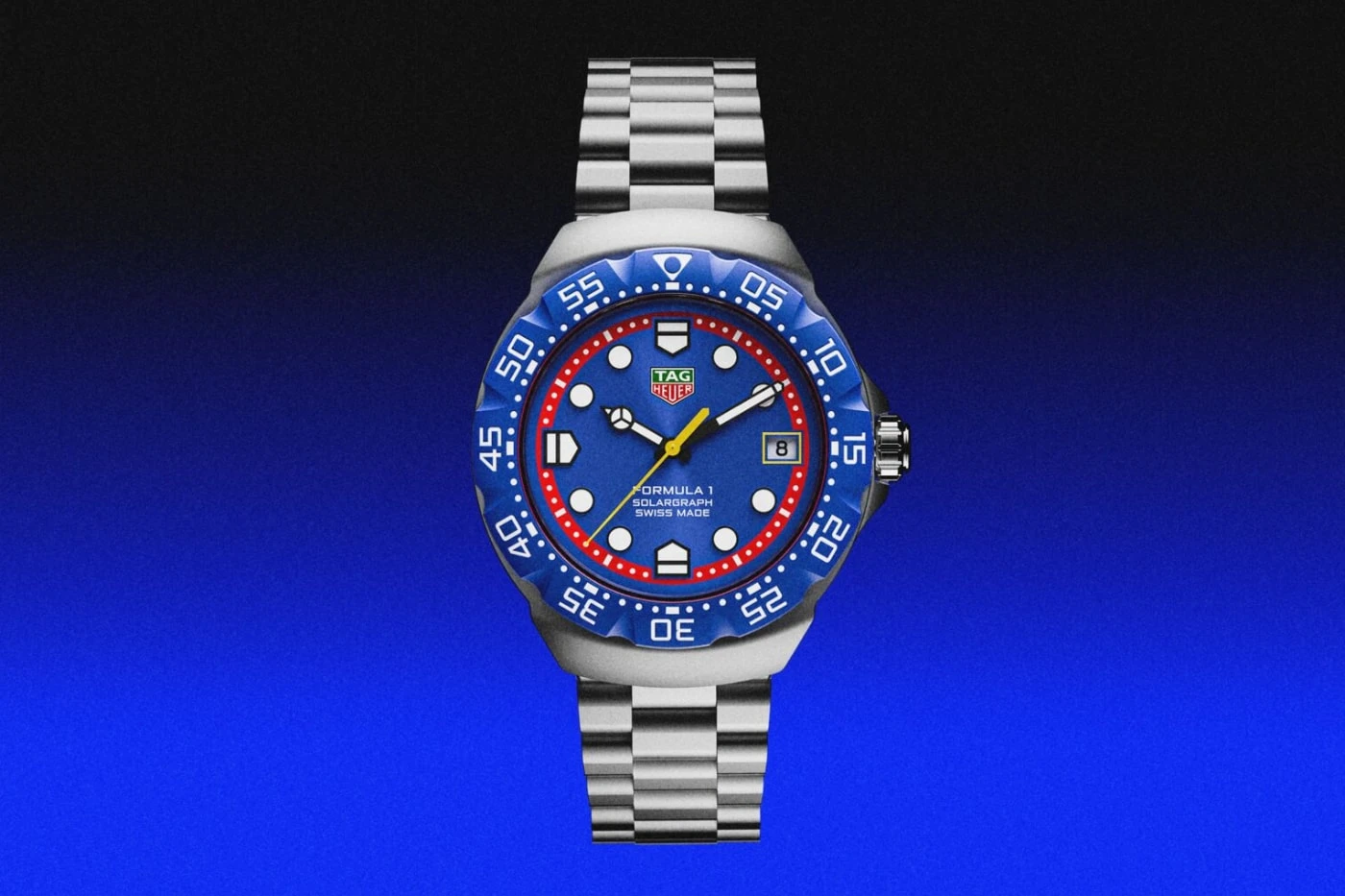
Ten years. That is the length of TAG Heuer's partnership with Oracle Red Bull Racing, dated to 2016 and marked this week with a new Formula 1 Solargraph in the team's blue, red and yellow. The watch costs $2,250. The case measures 38mm. The movement inside is called the TH50-00, and it runs on light, not a mainspring.
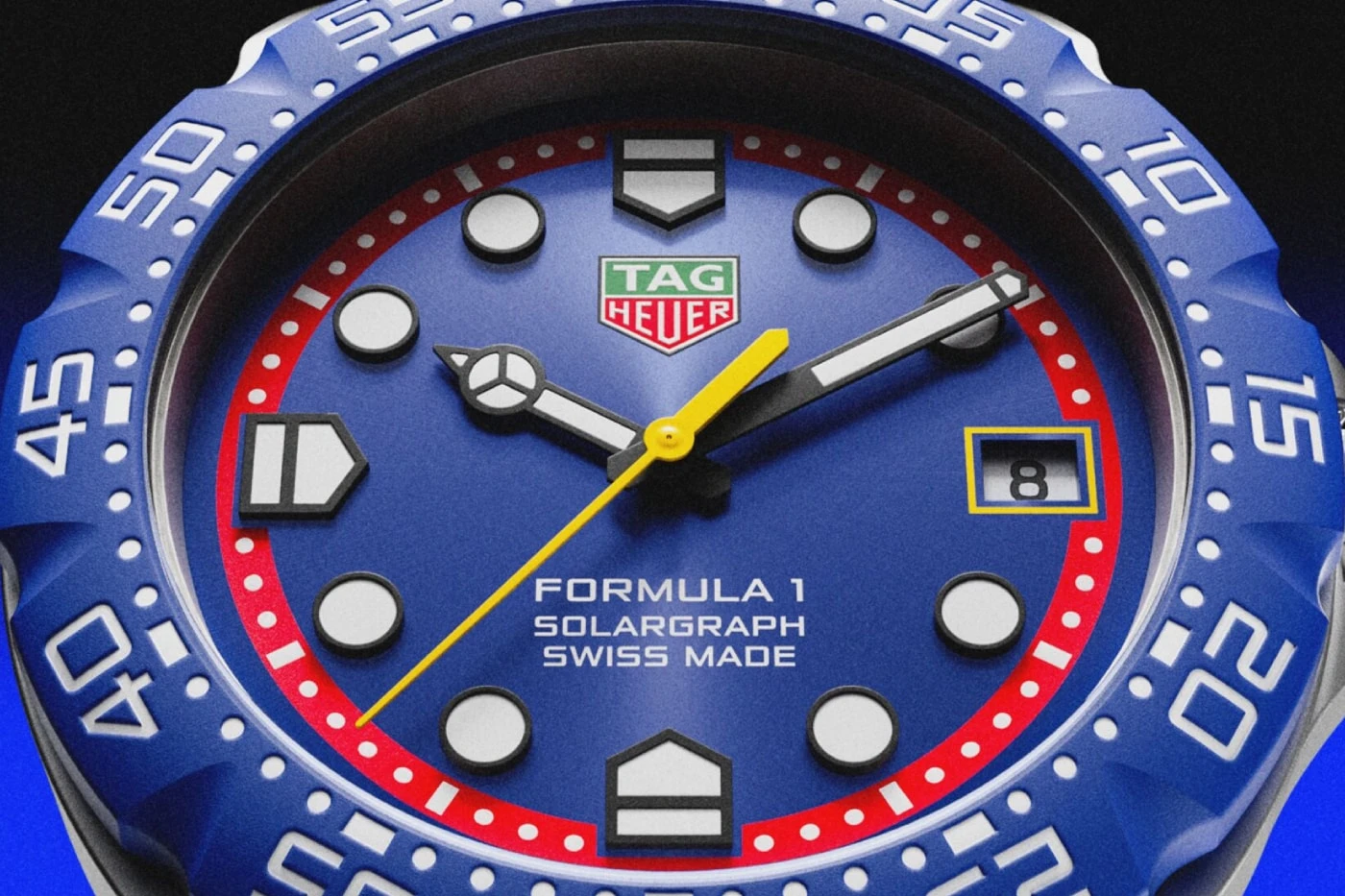
TAG Heuer's own account of the watch leads with the partnership math: ten years, one team, a succession of co-branded timepieces tracking Red Bull Racing's run through the sport. The company frames the new piece as a continuation of that decade.
The operational detail that the brand's own framing does not dwell on is the movement choice. A solar-powered quartz engine that runs ten months per charge is not the component a watchmaker reaches for when the goal is demonstrating mechanical mastery to a motorsport audience. Chronograph complications, tourbillons, column-wheel mechanisms: these are the traditional vocabulary for a brand tying its name to a Formula 1 team, built on the idea that a watch's internal engineering mirrors a car's. TAG Heuer has made that argument before, across nine years of prior Red Bull Racing editions built on mechanical movements.
This year's anniversary piece breaks that pattern. The TH50-00 is a maintenance-free quartz movement. It does not need winding, does not need servicing on the schedule a mechanical chronograph does, and asks nothing of the owner beyond occasional sunlight. The watch that marks ten years of a motorsport partnership is, mechanically, the least motorsport-coded watch in the line.
Three prior Oracle Red Bull Racing editions from TAG Heuer, going back to 2018, used automatic or chronograph movements as the headline specification. The pivot to solar in year ten is not a downgrade in price or presentation. The $2,250 price point sits in line with the brand's mid-tier Formula 1 Solargraph collection, not a discount line. It is a pivot in what the watch is asking the wearer to value: not the visible mechanical performance that motorsport collaborations have sold for a decade, but low-maintenance durability.
That is the same shift wristwatch brands have made across their core catalogs over the past five years, as solar and quartz movements absorbed more of the volume once reserved for entry mechanical watches. TAG Heuer has now run that same shift through its highest-visibility motorsport tie-in. The ten-year Red Bull Racing watch is a solar quartz. The anniversary piece resets the baseline for what a performance-branded watch is expected to contain.