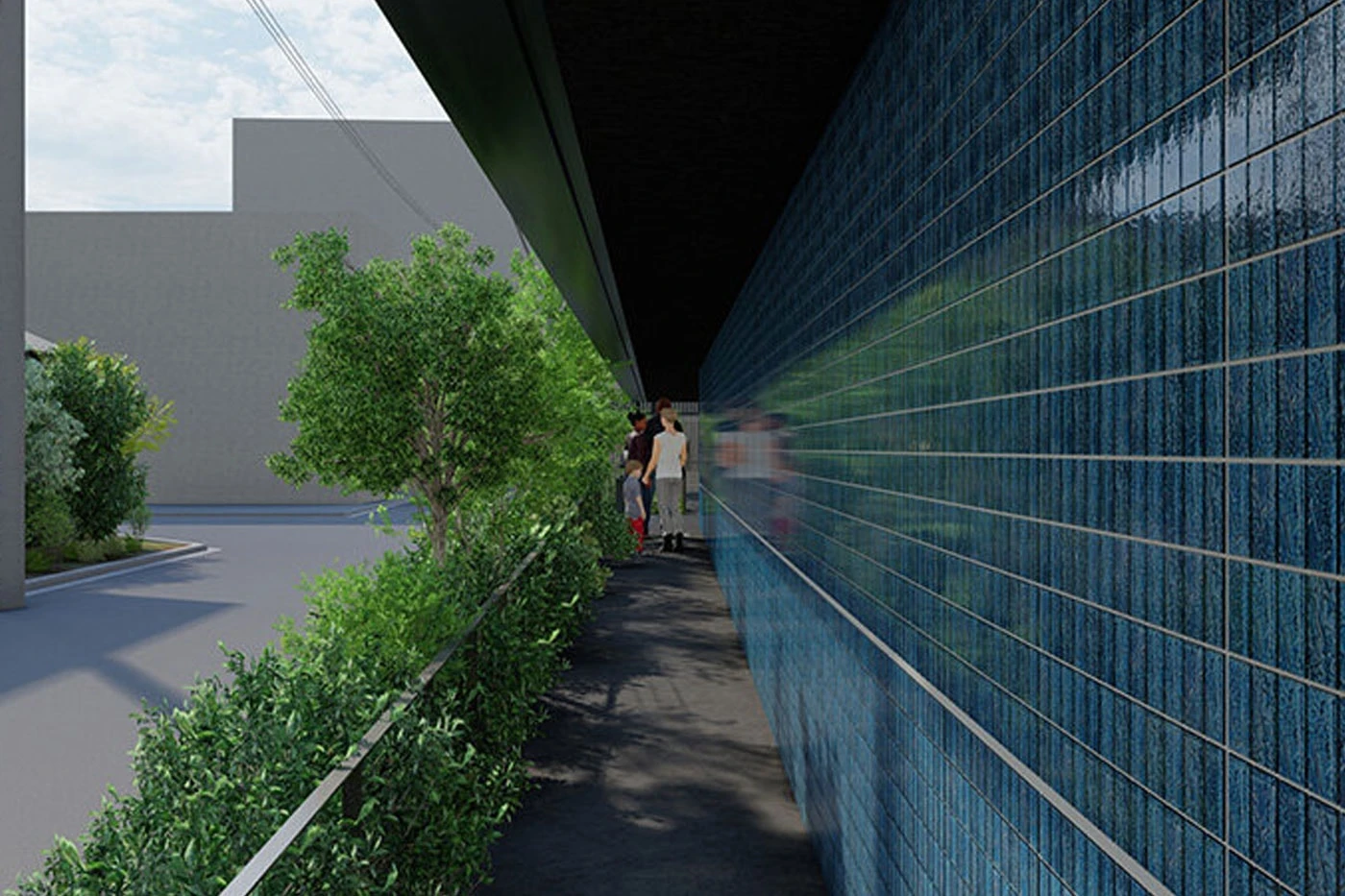
The building is indigo, a color choice specific enough to read as site research rather than branding, and it sits directly across the street from teamLab Biovortex, the Kyoto venue that has spent several years teaching Japanese audiences what an experiential art ticket is worth. Superblue announced on 7 November 2026 that this is where its first venue outside the United States will open, in early 2027, inaugurated with a long-term solo show by James Turrell.
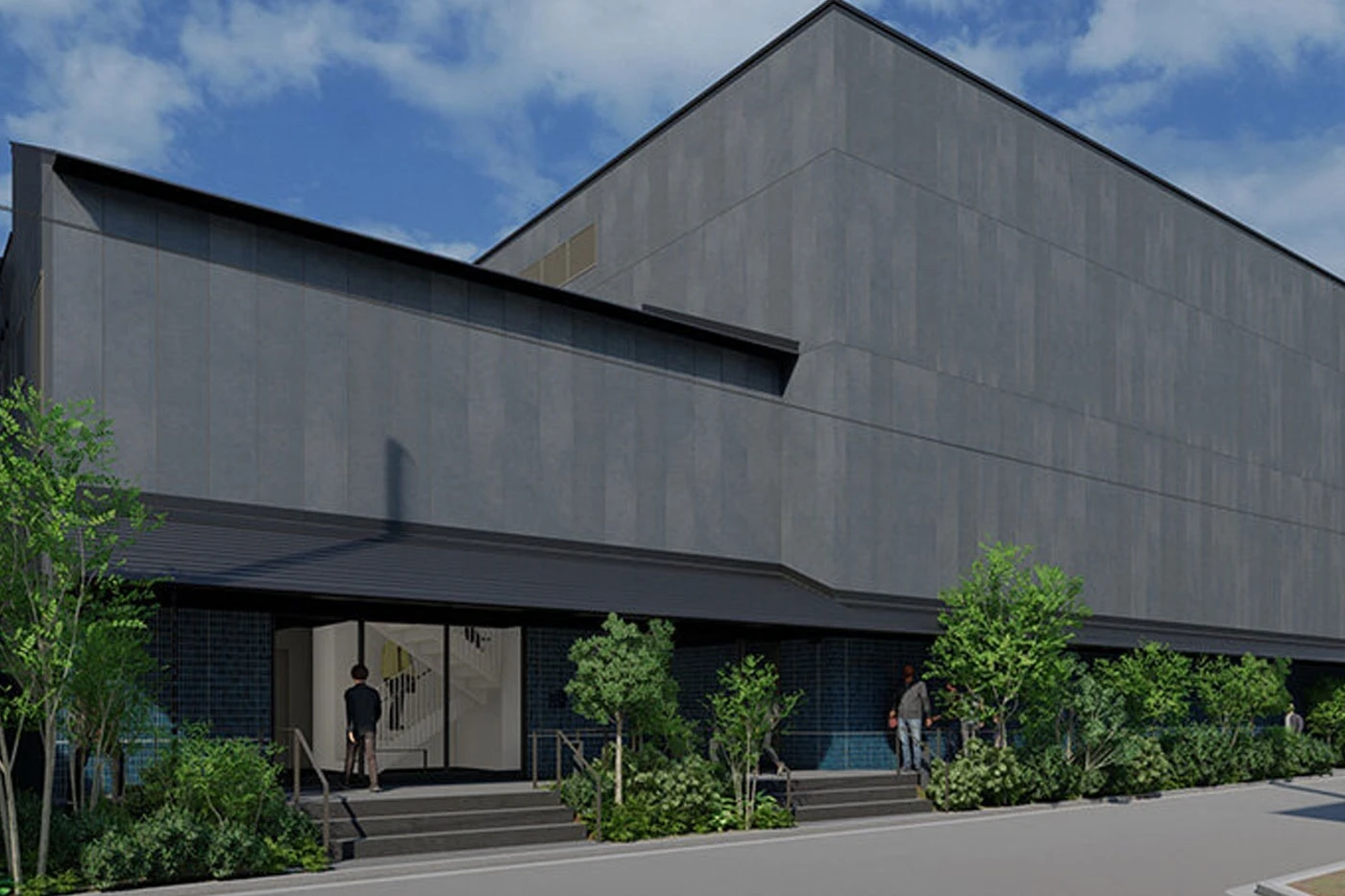
This is experiential art retail now, the category teamLab effectively built out of digital projection and ticketed admission, and Superblue's prior venues in Miami and Boston have run the same model: light and space installations, timed entry, gift shop at the exit. Turrell belongs to an older generation of that same lineage, a Light and Space pioneer whose work with perception and illumination predates the immersive-art boom by decades, which makes him a founding-father booking rather than a trend booking.
Putting a Turrell retrospective across the street from teamLab is a positioning statement dressed as a real estate decision. teamLab's Kyoto venue draws on anime-adjacent digital spectacle, built for a phone camera and a short visit. A long-term Turrell installation asks for slower, more contemplative attention, the kind of viewing experience a visitor associates with a museum rather than an attraction. Superblue is proposing that the neighborhood can support both registers of immersive art at once, and betting that proximity to teamLab's foot traffic outweighs the risk of direct comparison.
The choice of a long-term installation over a rotating exhibition schedule is itself an argument about pacing. teamLab Biovortex is built for throughput, a venue designed to move visitors through quickly and often. A permanent Turrell show does the opposite, rewarding the visitor who returns rather than the one who checks a box, which means Superblue is not competing for the same single-visit tourist dollar so much as trying to build a different kind of repeat relationship in the same foot-traffic zone.
That also reframes what the indigo building is doing before anyone sees the art inside it. A color specific enough to read as site research signals that Superblue treated the building itself as part of the curatorial statement, not just a container for one. Announcing the address and the architecture weeks ahead of the program list lets Kyoto absorb the fact of the neighbor first, so that by December the curatorial reveal lands on an audience already primed to compare the two venues rather than discover them separately.
Full programming details arrive in December, which leaves a gap of several weeks between the real estate reveal and the curatorial one, a sequencing choice that lets the address do the talking before the art does. Superblue is opening this venue as a neighbor, not a newcomer, and Kyoto now has two experiential art companies on the same block making the same argument about what a ticket buys.