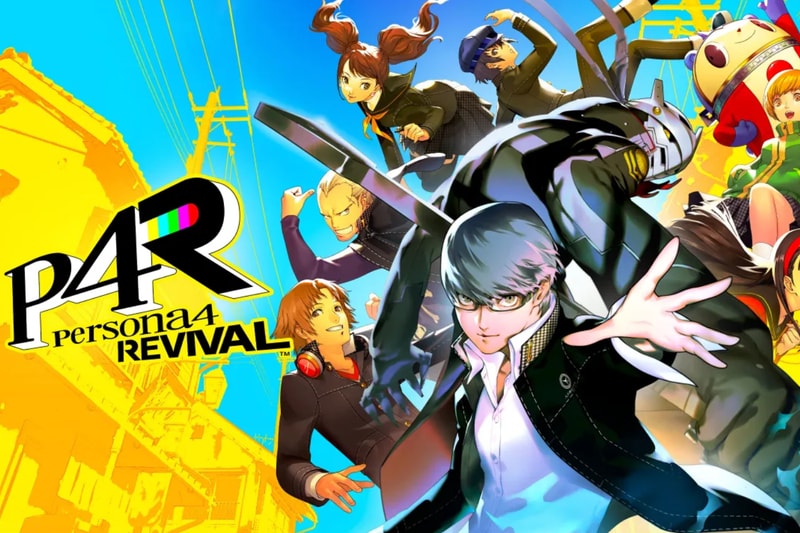
At Summer Game Fest on Sunday, Atlus locked in February 18, 2027 as the release date for Persona 4 Revival, a ground-up remake of the 2008 PlayStation 2 role-playing game. The announcement came with platform commitments: PlayStation 5, Xbox Series X|S, PC via Steam, and day-one availability on Xbox Game Pass.
The structural detail worth noting is the cadence. Persona 5 Royal, the expanded re-release that effectively remade the 2016 original, arrived in Japan in October 2019 and in the West in March 2020. Persona 3 Reload, the full remake of the 2006 entry, shipped in February 2024. Now Persona 4 Revival lands in February 2027. That is a three-year gap between each major remake project, running backward through the catalog in reverse chronological order.
This is not a nostalgia play dressed as preservation. It is an asset rotation strategy. Atlus parent company Sega has been explicit in investor materials about treating catalog IP as recurring revenue infrastructure. The Persona franchise, which had sold 22.8 million units cumulatively through 2024, is being rebuilt title by title, each release refreshing the install base and resetting the merchandise cycle.
The operational texture of Revival tracks the Reload template closely. Modernized visuals. Updated combat mechanics. A completely new English voice cast, the third such cast for Persona 4 across its various releases since 2008. The Golden edition content, originally exclusive to PlayStation Vita in 2012, returns as part of the base package.
What makes this worth watching is not the remake itself but the gap it creates in the conversation. Persona 6, first teased in 2024, has no release window. The studio is working backward through a twenty-year catalog while the next numbered entry remains undefined. For a franchise whose cultural presence depends on forward momentum, the signal is unusual: Atlus is treating its back catalog as more immediately valuable than its future one.
The Game Pass inclusion is a distribution note that compounds the pattern. Microsoft's subscription model prioritizes install base expansion over per-unit margin. Atlus is not protecting Revival as a premium-priced scarcity product. It is seeding it as widely as possible on launch day, treating reach as the metric that matters.
By February 2027, the Persona catalog will have three modern remakes released within seven years, all priced and distributed as new AAA products. The original games remain available on legacy platforms and through emulation. The remakes do not replace them so much as run parallel, a second version of the same history built for a different revenue model. The studio is not archiving its past. It is compounding it.