Three stores. One country. Under three years. Palace Skateboards opens Palace Jamsil on August 22, its third offline location in South Korea, sited inside Lotte World Mall, the country's largest shopping mall. A London skate brand founded in 2009 now operates more retail square footage in Seoul than it does in most European capitals outside its home market.
The count matters more than the location. Palace has built its global footprint deliberately thin: a handful of stores in London, New York, Los Angeles, Tokyo. Three doors in one country, opened in rapid succession, is a different growth rate than the brand has shown anywhere else. The first Korean store landed the groundwork. The second confirmed demand. The third, inside a mall built for foot traffic rather than skate culture, signals a shift from cult retail to volume retail.
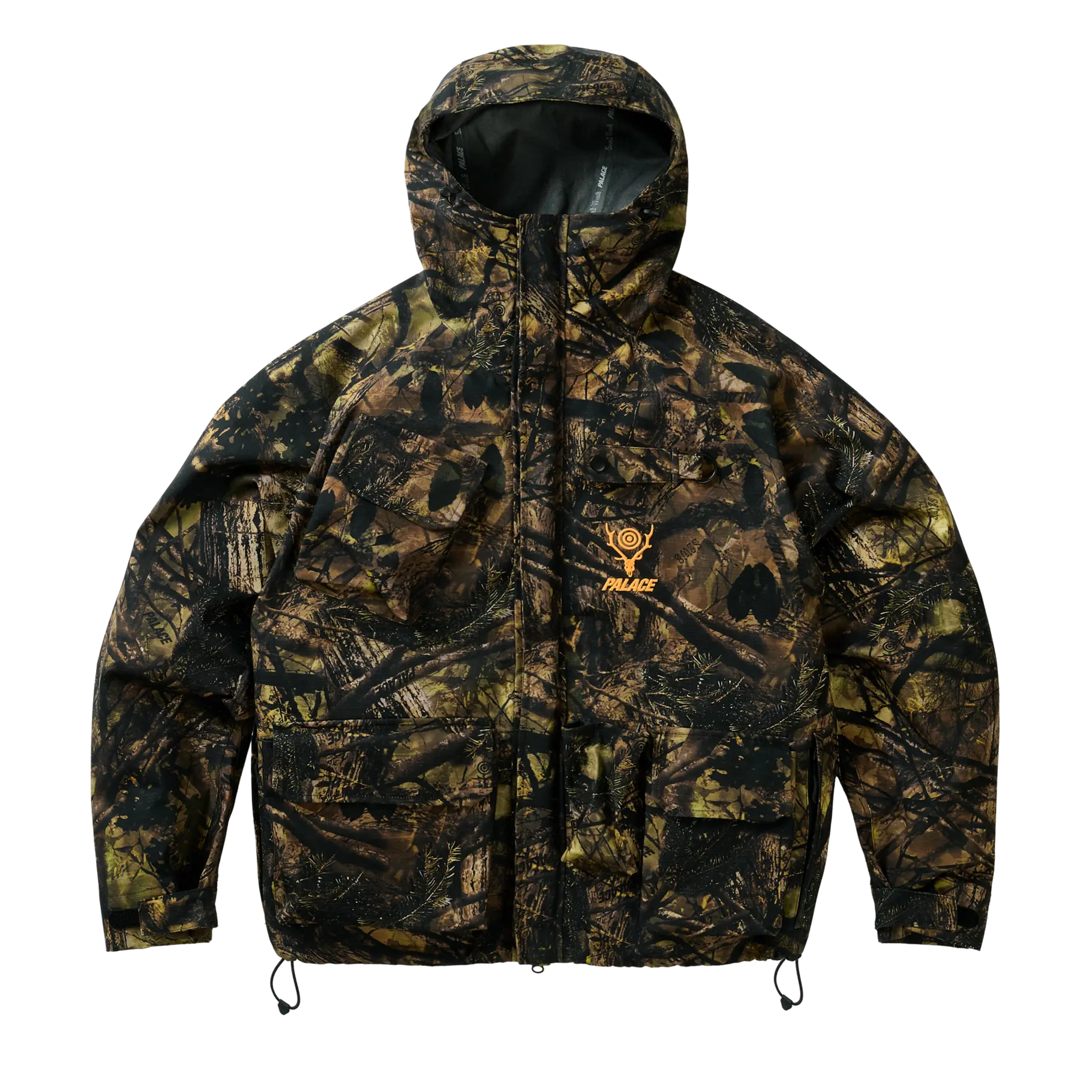
The opening comes bundled with an exclusive capsule collection, sold only at the Jamsil location. That detail is standard Palace playbook: scarcity engineered at the level of a single store rather than a single product. What is not standard is the venue. Lotte World Mall is a retail complex built for scale and family traffic, its architecture drawing, per the brand's own description, from a UNESCO World Heritage site. Palace has historically opened where skate culture already lives. This store opens where retail volume already lives.
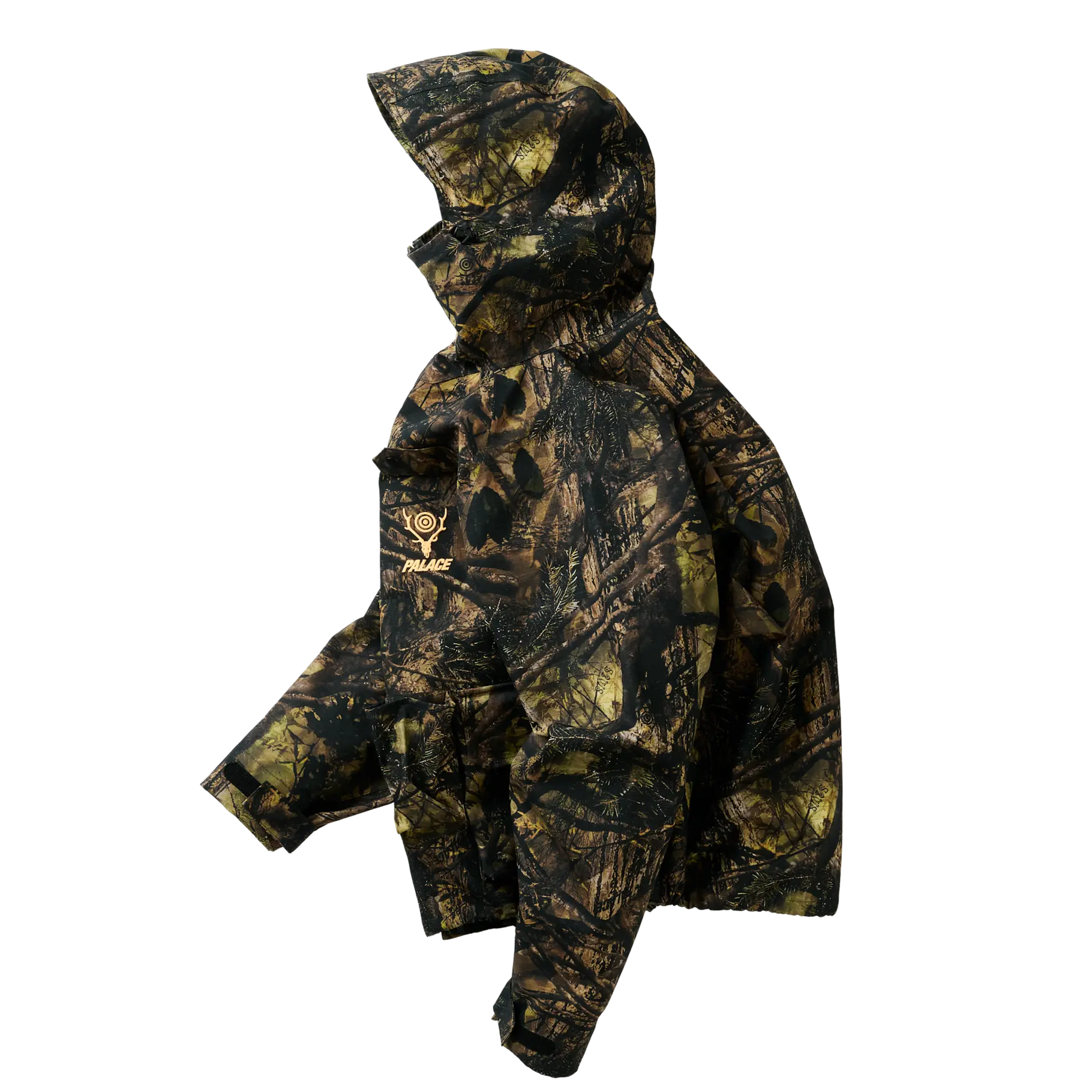
Consider the sequence itself. A brand that spent years keeping its store count deliberately thin in London, New York, Los Angeles, and Tokyo chose South Korea as the one market where it would abandon that restraint. The first store there did the groundwork. The second confirmed the appetite. Neither of those openings happened inside a mall built for family foot traffic. The third does. That progression, from standalone skate-culture placement to anchor position inside the country's largest shopping complex, is the clearest signal in the piece.
The exclusive capsule tied to the opening reinforces the same pattern rather than complicating it. Scarcity engineered at the level of a single store is a tool Palace has used before to manufacture urgency around a product drop. Deploying that same tool to manufacture urgency around a mall opening, inside a complex whose architecture borrows from a UNESCO World Heritage site rather than from any skate lineage, shows the brand applying its old subcultural mechanics to a new, decidedly non-subcultural venue.
The operational record shows a brand converting skate credibility into mall retail at scale. Stores in one market, each larger and more central than the last, is not organic expansion. It is a controlled experiment in how far a subculture brand can stretch before the subculture part becomes decorative. Palace Jamsil opens with the answer already visible in the choice of venue: the mall, not the culture, is now the growth engine.