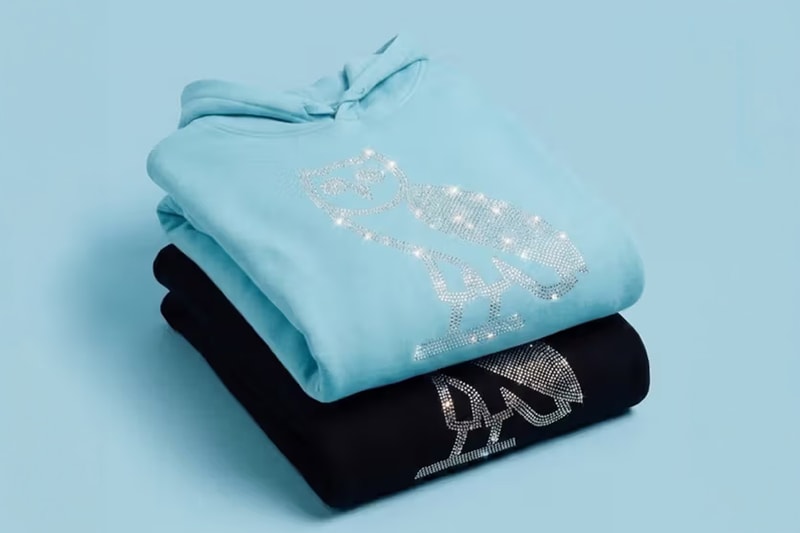
Within hours of Drake releasing three albums simultaneously, clearing his remaining contractual obligations to Universal Music Group, October's Very Own dropped a line of crystal-embellished hoodies priced at the brand's established premium tier. The timing was not coincidental. The merch was waiting.
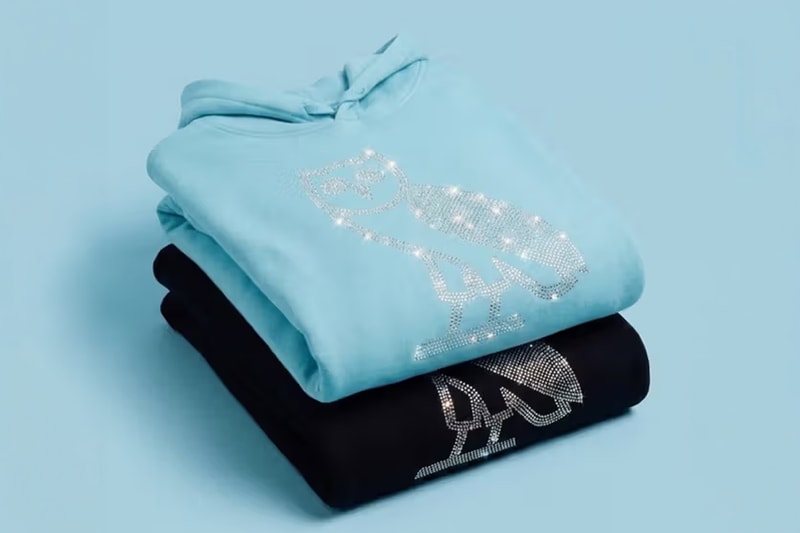
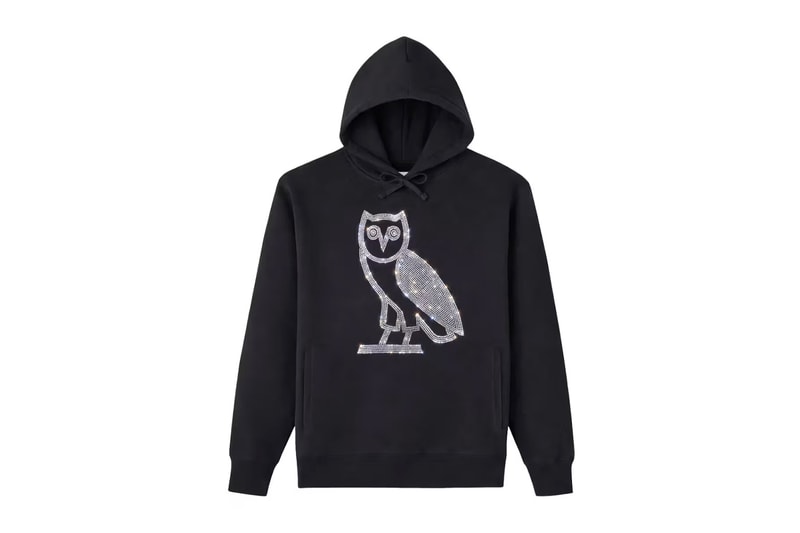
The operational sequence matters. Drake did not release music and then scramble to produce commemorative apparel. OVO had product photographed, inventory allocated, and e-commerce pages staged before the albums hit streaming platforms. The label exit and the merch launch were coordinated as a single event, not as cause and effect.
This is the infrastructure Drake has been building for over a decade. OVO began as a blog and a crew tag. It became a record label in 2012. It became a retail footprint, starting with Toronto in 2014 and expanding to Los Angeles, New York, London, and beyond. The brand now operates flagship stores, a Nike sublabel partnership, and direct-to-consumer e-commerce with global fulfillment.
The Iceman hoodies arrive in two colorways, icy blue and black, both featuring the signature owl logo rendered in what OVO's product copy calls crystal-style detailing. The price point sits within OVO's established range for premium fleece, suggesting existing supply chain and margin structure rather than a rushed commemorative run.
Major-label contracts have historically locked artists into release schedules, marketing windows, and revenue splits that favored institutional infrastructure over individual leverage. The standard narrative frames contract exits as liberation, a chance to finally do things the artist's way. But liberation without infrastructure is just unemployment with better press.
Drake's exit arrives differently. He is not leaving a label to figure out distribution, marketing, and retail. He is leaving a label while already operating all three. OVO Sound handles his catalog going forward. OVO stores handle physical retail. OVO's e-commerce handles direct sales. The brand's Nike relationship handles footwear. The pieces were in place before the contract ended.
The crystal owl is doing more than commemorating an album cycle. It is marking a shift in who owns what happens next. The merch is not supporting the music. The music cleared the contractual path for the merch to operate without a label's participation in the upside.
Artists have been attempting vertical integration since Master P's No Limit empire in the 1990s, with varying degrees of success and sustainability. What distinguishes Drake's version is the timeline: thirteen years of infrastructure building before the exit, not a scramble to build after leaving. The hoodies are not the announcement of a new strategy. They are the evidence that the strategy has been operational for years, waiting for the contract to catch up.