The store sits inside Parque Arauco, one of Santiago's largest shopping malls, and it is On's first directly operated retail location in South America. The brand's press materials describe it in the same language used for its recent European openings: premium fit-out, running-community programming, a flagship-adjacent tier below true flagship. The photos show the now-standard On interior, pale wood, gridded shoe walls, a bench for lacing up.
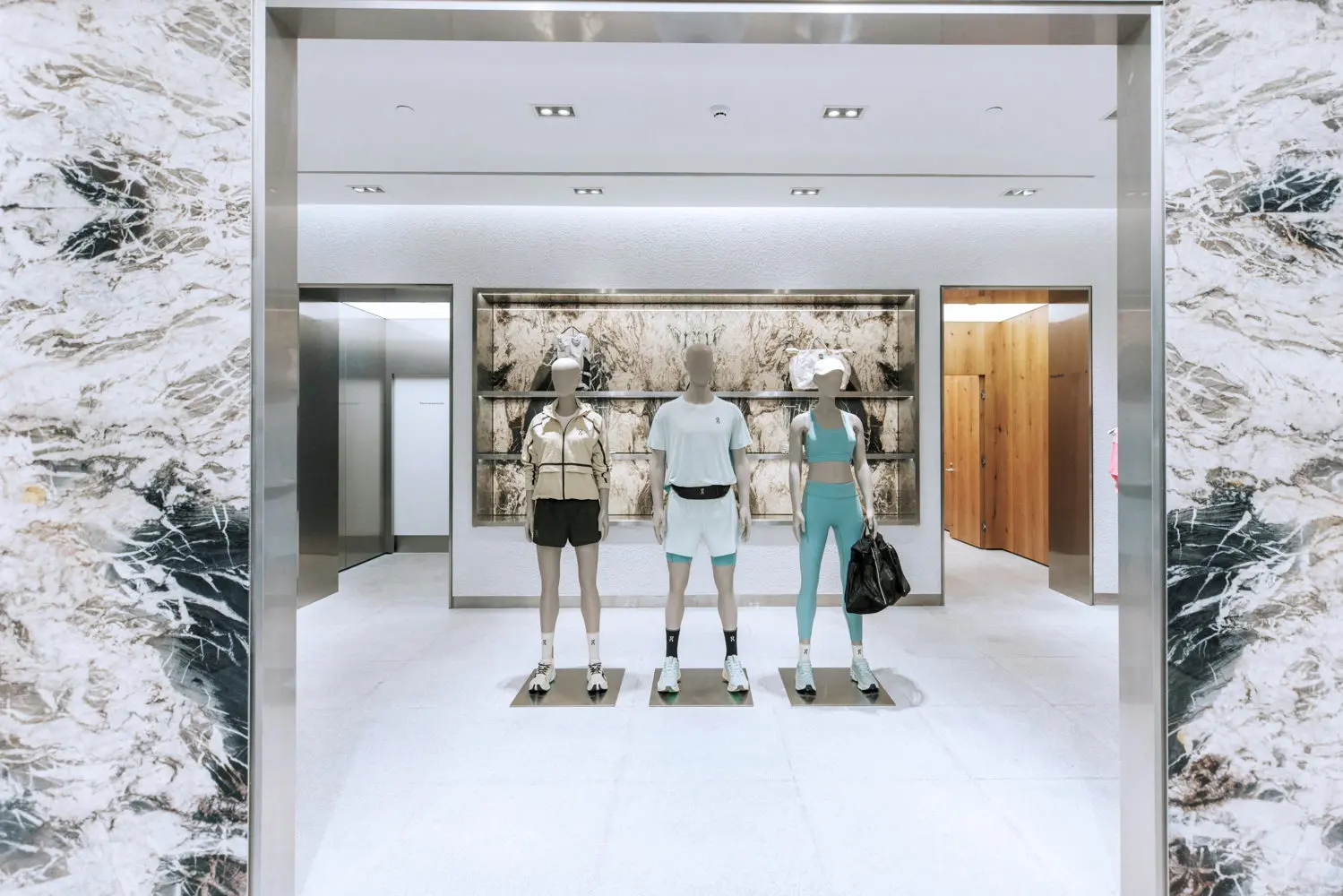
Here is the mechanism worth naming: retail square footage and athlete rosters are not the same distribution channel, and On has been building the first faster than the second in this market. The brand's sponsored athlete list runs heavy on European and North American distance and track talent, the same roster it has been signing at pace all year. South America, by contrast, gets a store before it gets a marquee signing. That is not unusual for an expanding sportswear brand, but it does mean the retail footprint is functioning as advance marketing for a competitive presence that has not yet arrived.
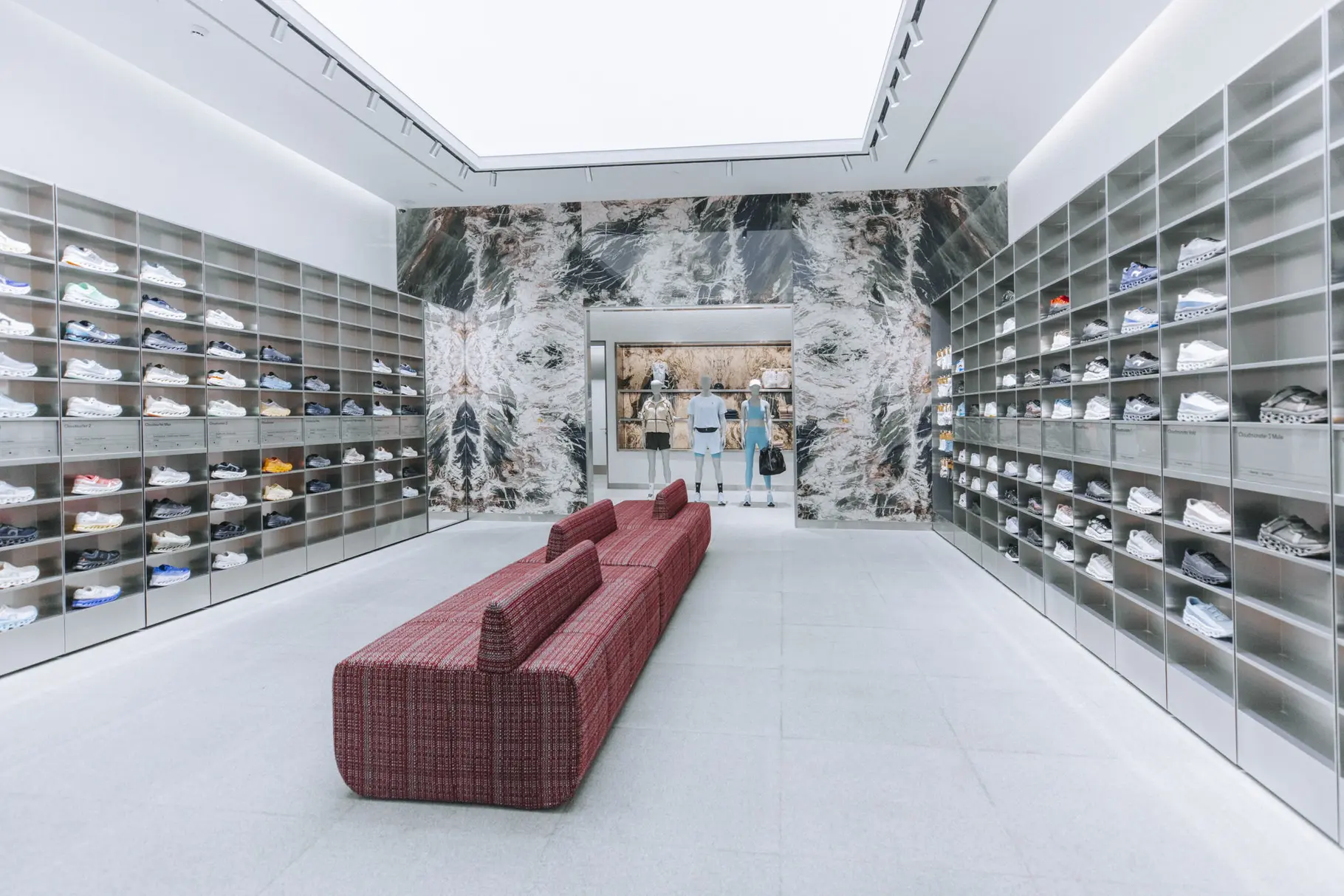
You have seen this shoe before it had a local face to put on the box. On's growth pattern across Europe followed the same order: stores first, in Vienna, Munich, Düsseldorf, Copenhagen, then medal tallies and roster names catch up in the coverage cycle that follows. Chile becomes the first test of whether that formula travels outside a market where On already had deep marathon and trail credibility built from years of European racing visibility.
The order of operations matters more than the square footage itself. Building a store before building a roster inverts the usual sponsorship-led entry that shoe brands rely on when they want a market to feel ownership before it feels obligation. A running-community program without a local marquee athlete is programming aimed at converting foot traffic into habit, not at converting fandom into purchase. That distinction is the whole mechanism worth watching in Santiago.
Vienna, Munich, Düsseldorf, and Copenhagen were not blank slates in the way Chile is. On had marathon and trail credibility in those markets well before the storefronts opened, built through years of European racing visibility that a South American shopper has not been handed. Parque Arauco is therefore a sterner test of the formula than any of the European openings were, because the store is arriving without the credibility that made those openings feel inevitable rather than speculative.
The pale wood, the gridded shoe walls, the bench for lacing up: none of it explains why a shopper picks On over Adidas or Nike once the novelty of a new mall tenant wears off. Brand story and local elite validation are what separate a shopper with a rooting interest from one treating the store as a transaction point. That is why the athlete roster, not the storefront, is the correct place to keep looking.
The question for the brand is not going to be settled by foot traffic. Retail presence converts to trial regardless of local sponsorship. The harder test is preference: a shopper in Santiago choosing On over Adidas or Nike for brand story and local elite validation, the same reason a shopper in Zurich does, rather than treating the store as a transaction point with no rooting interest attached. Watch the athlete roster, not the storefront. Track for an On-sponsored South American athlete announcement within the next 90 days. A signing before December confirms the store was seeding ground already tilled. Ninety days of silence exposes a retail footprint running ahead of the roster, and that gap is the story.