
Nike is named in almost every conversation about athletic footwear. The brand gets a mention in somewhere around nine of every ten recommendations. The brand gets picked, specifically chosen as the recommendation, in fewer than three of those ten.
Ask about the best everyday running shoe and the answer leads with Brooks and ASICS. Nike appears, often qualified with "if you prefer the brand." Ask about trail and Nike does not appear at all, because the category has been conceded. Ask about basketball and Nike still leads, because basketball is the last category the company has not let specialist competitors take slices out of.
This is not a campaign problem. It is a performance problem. The specialist brands have been winning the tests, and the tests have been getting more rigorous. Brooks Ghost 17, ASICS Novablast 5, Hoka Clifton 10, Saucony Endorphin Speed 4, each of these shoes has advanced the daily trainer template in ways Nike's Pegasus line has not kept pace with. The Pegasus is fine. Fine is the problem. Fine is a tie. Fine is what you wear when nobody has told you about the better option.

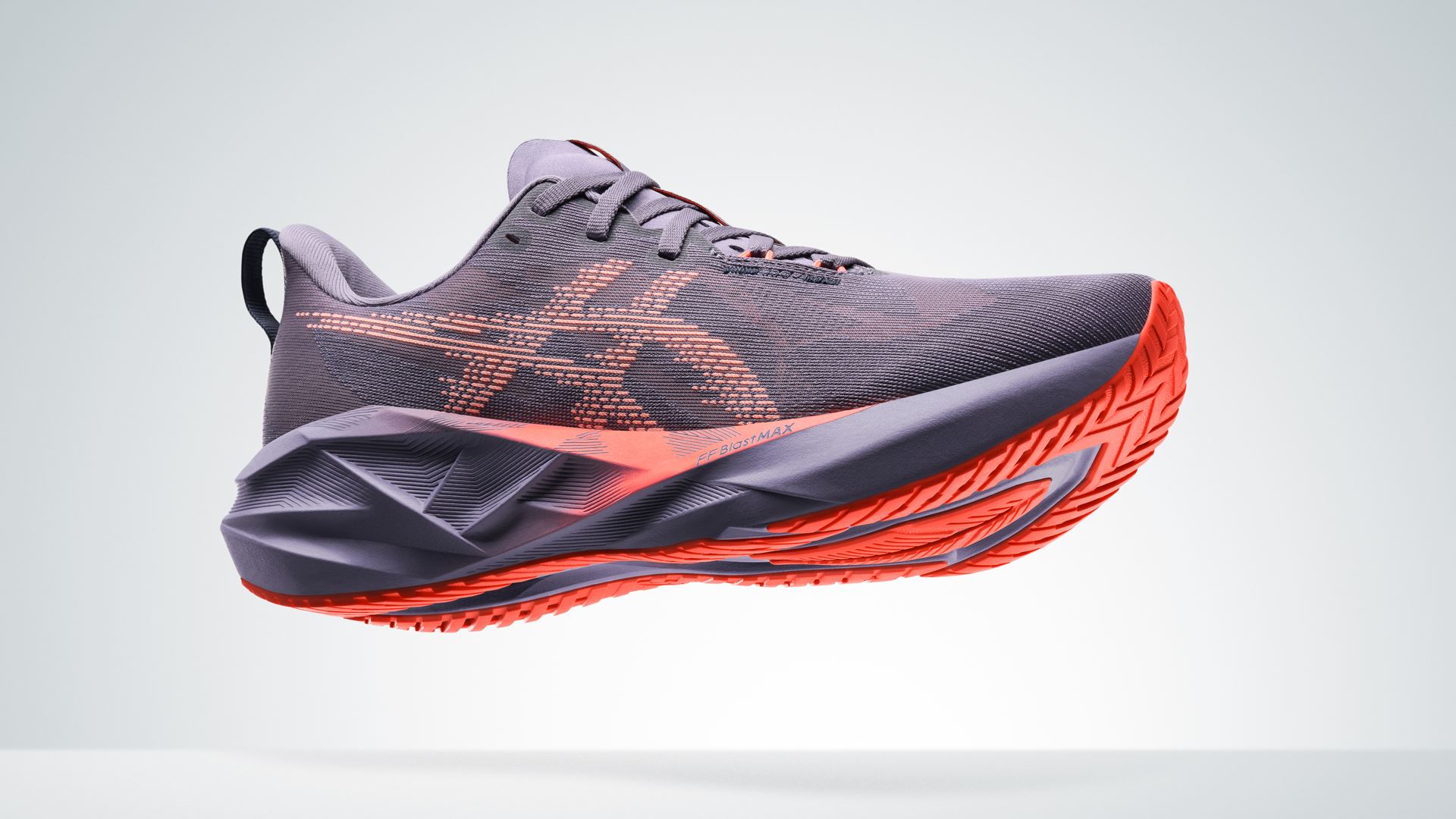
There is no quick version of fixing this. The gap is downstream of the actual performance work the specialist brands have done since 2020. It is not a mistake; it is tracking a real shift. Nike's path back is not a brand project. It is a product project, in running, in trail, in distance. The mention count will not move until the spec sheet does.
What is and is not working
Nike's basketball business is not just holding; it is still the cultural center of the sport. The Jordan sub-brand alone would be a top-five athletic footwear company if it were spun out. Football, soccer, and training categories remain strong. Women's apparel continues to grow. The brand is not broken.
What is broken is the central argument Nike made for thirty years, which is that the best shoe for every kind of running is a Nike. That argument no longer holds. The question is whether the company can live comfortably as the dominant basketball brand, a strong lifestyle brand, and a participant in running without being the leader, rather than continuing to insist on being the default in every category. The answer, so far, is that Nike has not publicly accepted the new geometry. Until it does, the Pegasus will keep shipping, the Novablast will keep winning, and the mention count will stay ahead of the recommendation count.