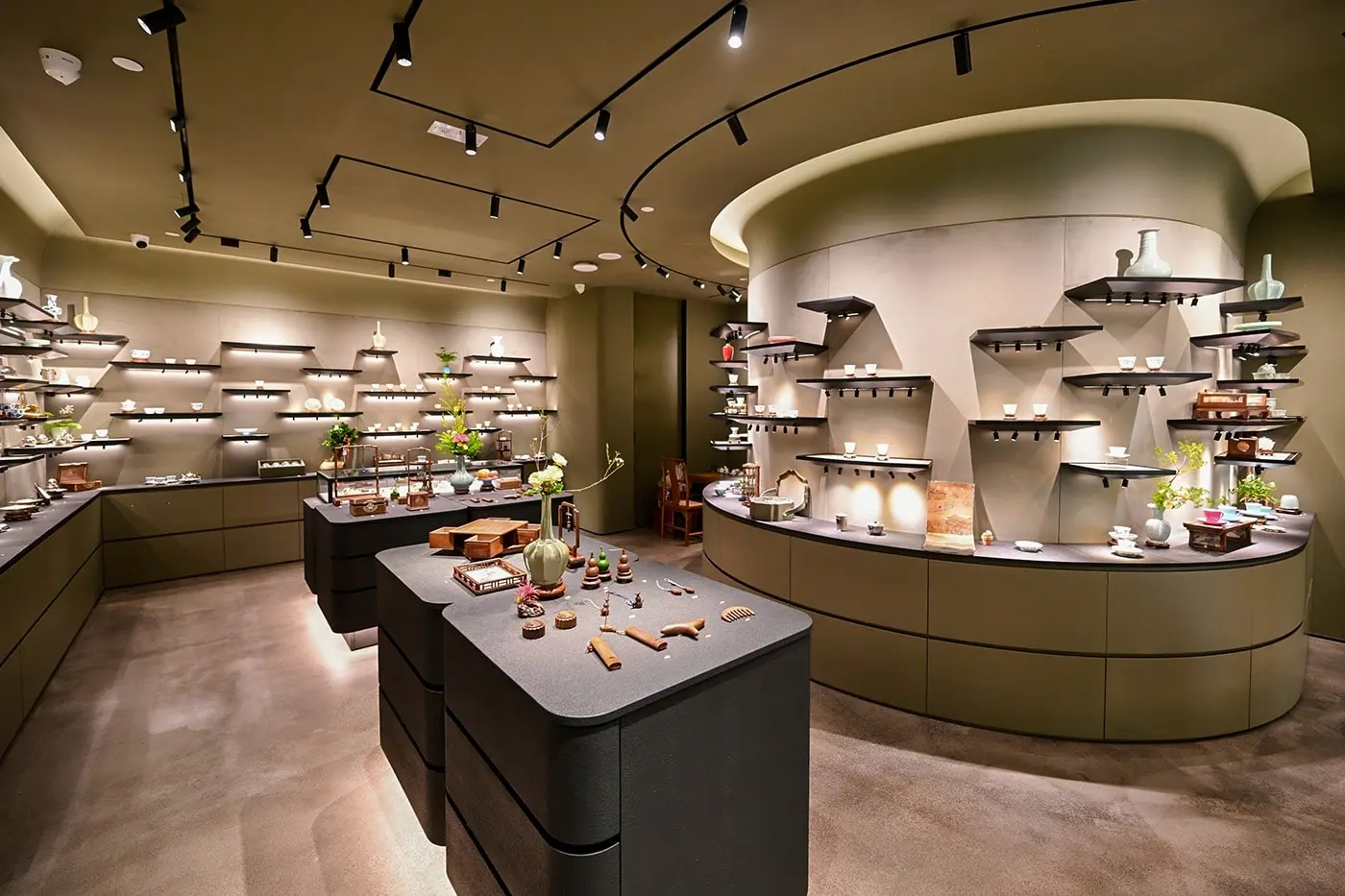
The wooden shelves inside Nan Shufang's new Pacific Place location are not staged for photographs. They hold porcelain bowls, gold and silver wares, and ink stones arranged the way a Chinese scholar might have arranged them centuries ago, objects meant to be picked up, used, and eventually passed to someone else. This is retail built around a domestic ritual rather than a product category, and it just landed in one of Hong Kong's busiest luxury shopping centers.
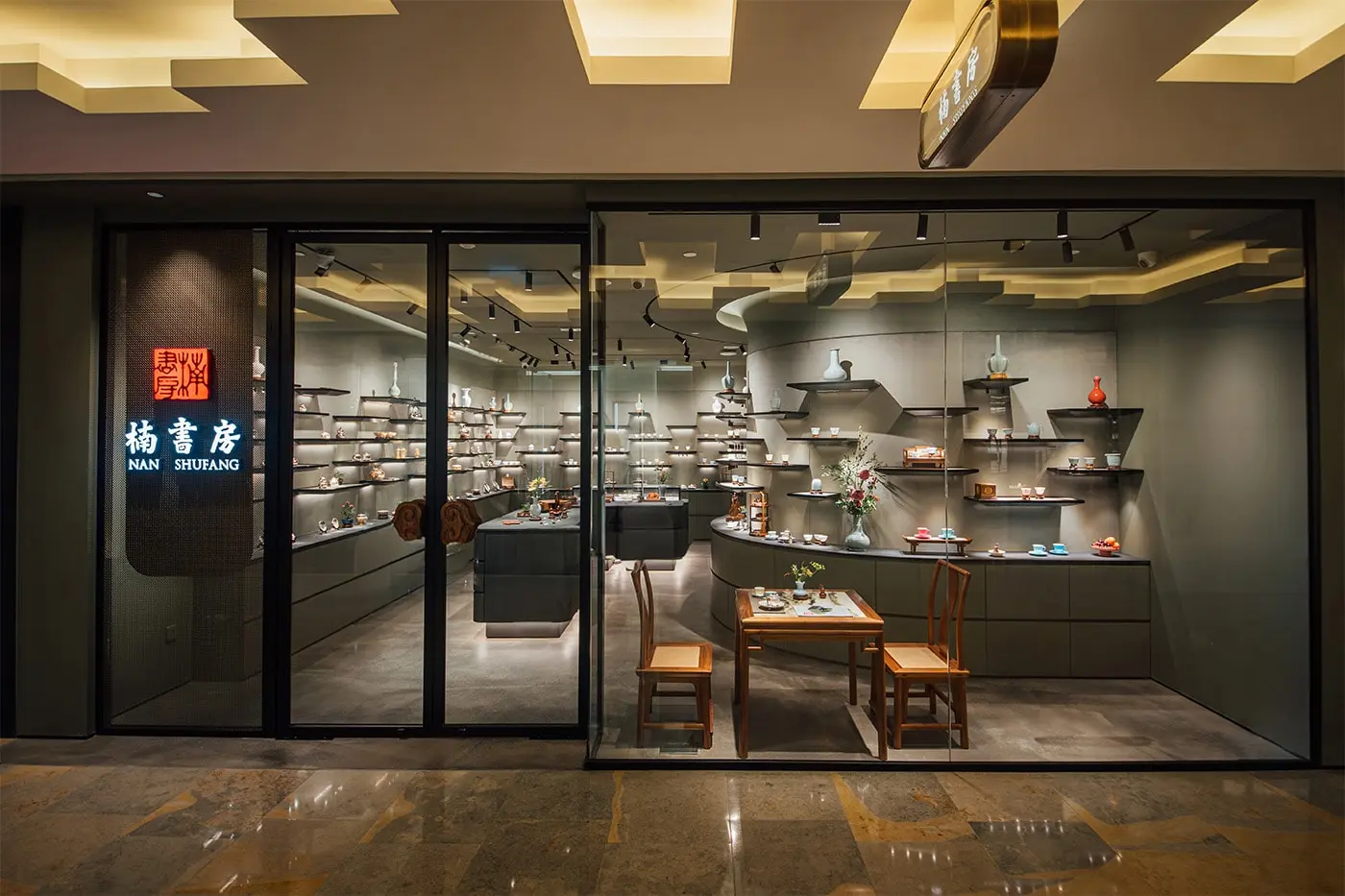
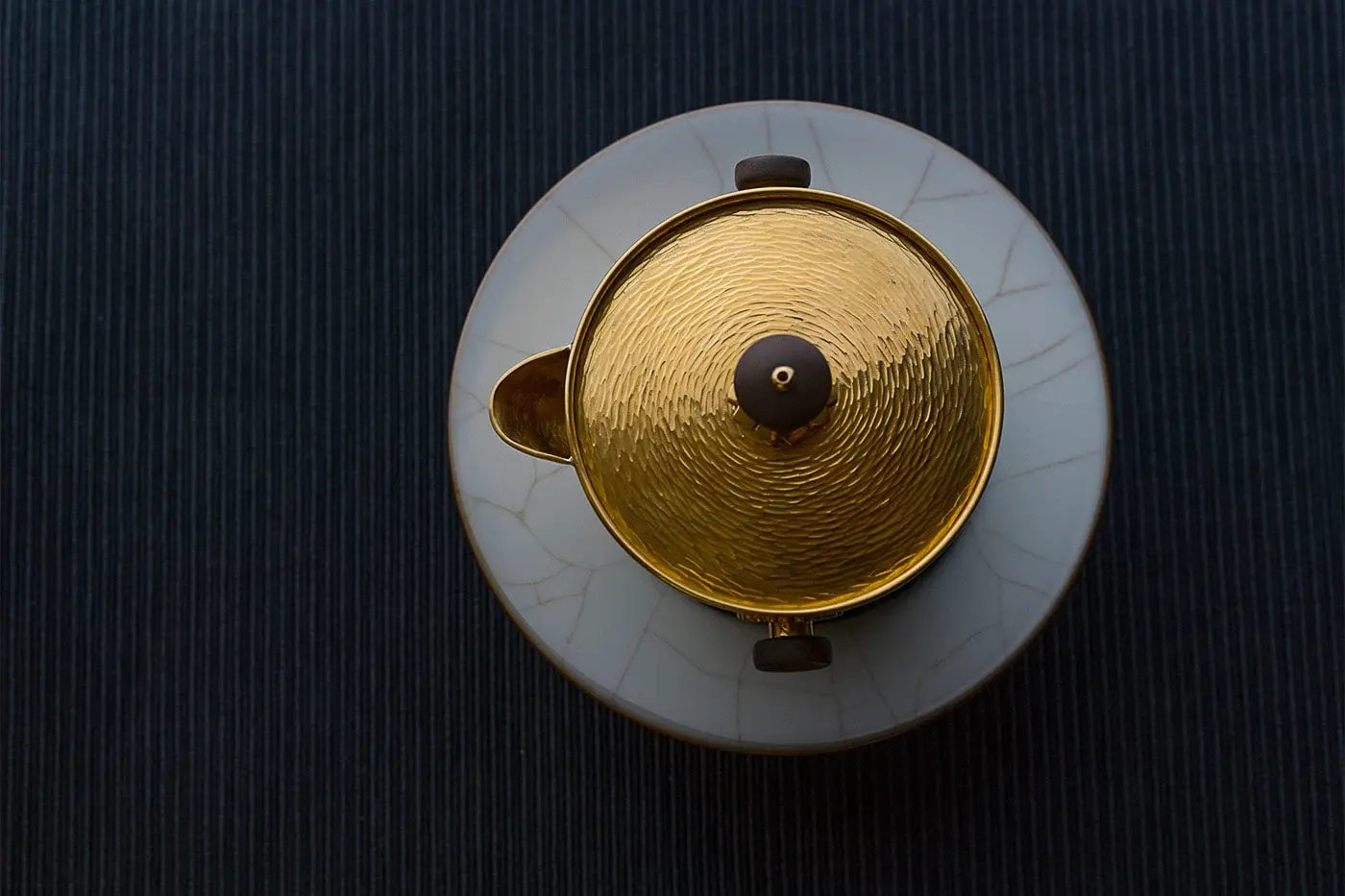
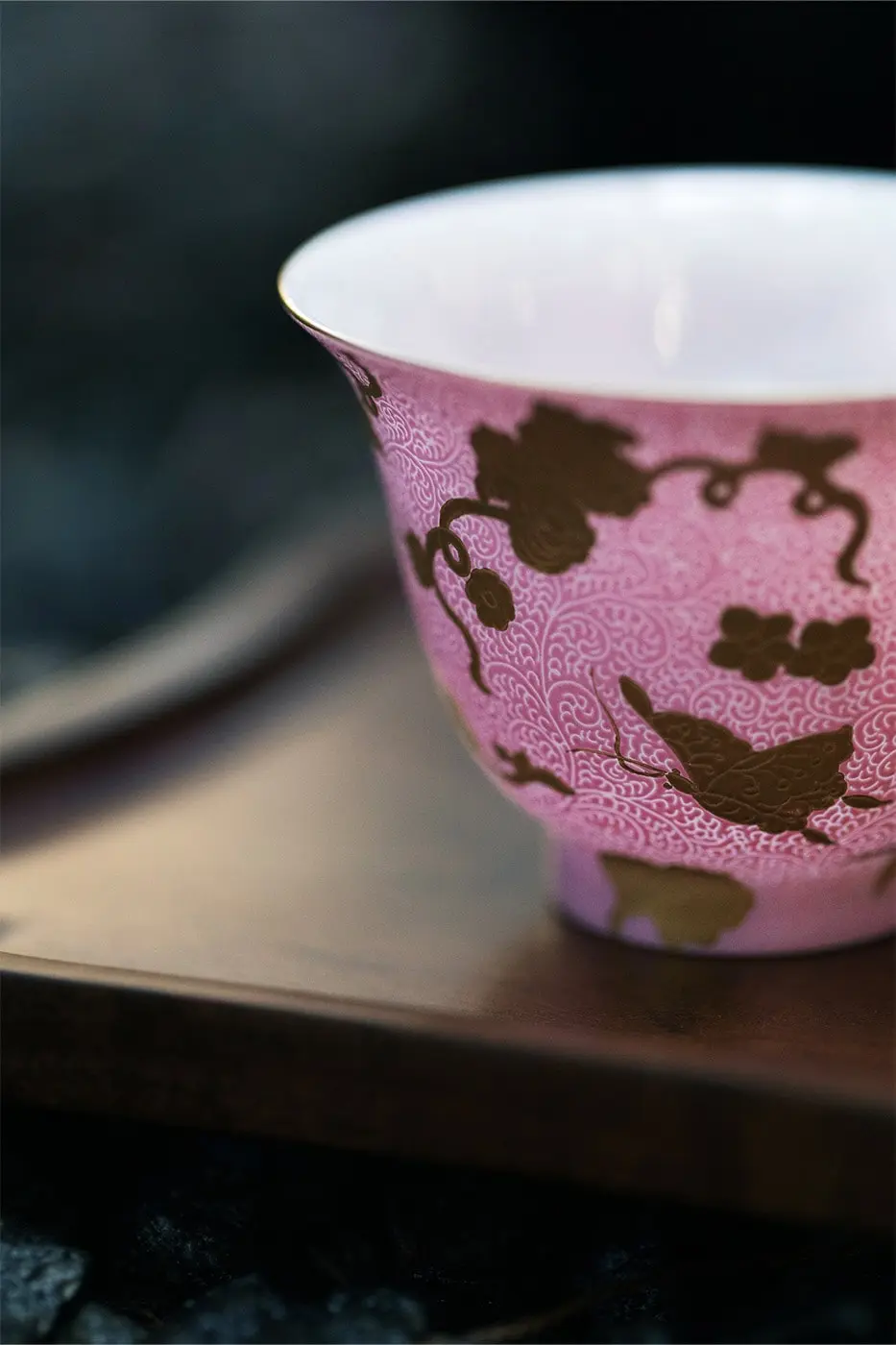
Nan Shufang has built its identity on the mainland around a single idea: that the scholar's study, a quiet room historically reserved for reading, calligraphy, and the handling of fine objects, can be reconstructed as a commercial format without losing its interiority. Every store the brand has opened follows that same architecture, wood tones, low light, objects spaced apart rather than stacked. Pacific Place marks the first time that format has left the Chinese mainland.
What makes the move notable is the venue, not the object category. Pacific Place sits alongside international luxury houses that sell watches, handbags, and eyewear, categories built for fast recognition and repeat purchase cycles. Nan Shufang is selling something slower: porcelain and gold wares framed as heirlooms, objects whose value is partly in the years someone keeps them. Placing that proposition inside a mall built for turnover is a quiet test of whether a specialist, almost devotional retail language can hold its shape once it moves into a mass luxury circuit.
The choice of Pacific Place also says something about who Nan Shufang expects to walk through its doors. This is a mall built for shoppers already fluent in international luxury codes, watches, handbags, eyewear, the fast-recognition categories the body text names directly. Placing a scholar's study in the middle of that circuit is not an attempt to compete on those terms. It is an attempt to introduce a different pace of looking into a building designed for the opposite.
That contrast is where the risk sits. A study built around ink stones and porcelain wares meant for daily use asks for attention that mall traffic does not usually reward. Nan Shufang has not softened the format to meet the venue halfway, the wood tones, low light, and spaced-apart objects described earlier in the piece remain untouched. The wager is that the room itself, not the surrounding retail context, will slow shoppers down long enough to notice what they are looking at.
If that wager holds, Pacific Place becomes less a location and more a proof point, evidence that a heritage format can sit inside a mass luxury circuit without being diluted into something more exportable. If it does not, the study risks becoming another well-appointed room shoppers pass on their way to more familiar categories. Either outcome will say as much about Hong Kong retail as it does about Nan Shufang.
Hong Kong shoppers have spent years watching mainland brands arrive dressed as international ones, softened, generalized, stripped of anything too regionally specific. Nan Shufang is doing the opposite. It is bringing the study intact, ink stones and all, and betting that specificity itself is the draw for a city that has largely consumed Chinese heritage design through export versions rather than the source material. The Pacific Place opening belongs to a category Hong Kong retail has not fully priced yet: heritage commerce sold without translation.