Five weeks. That is the gap between The Metropolitan Museum of Art's announcement of "John Galliano: Horizons," its planned Costume Institute retrospective, and the joint statement on August 31 confirming the show would not happen. The exhibition was unveiled in July 2026. Galliano was convicted of a hate crime in 2011, for anti-Asian and antisemitic remarks made in a Paris bar. Fifteen years sit between the conviction and the announcement. Five weeks sit between the announcement and the reversal.
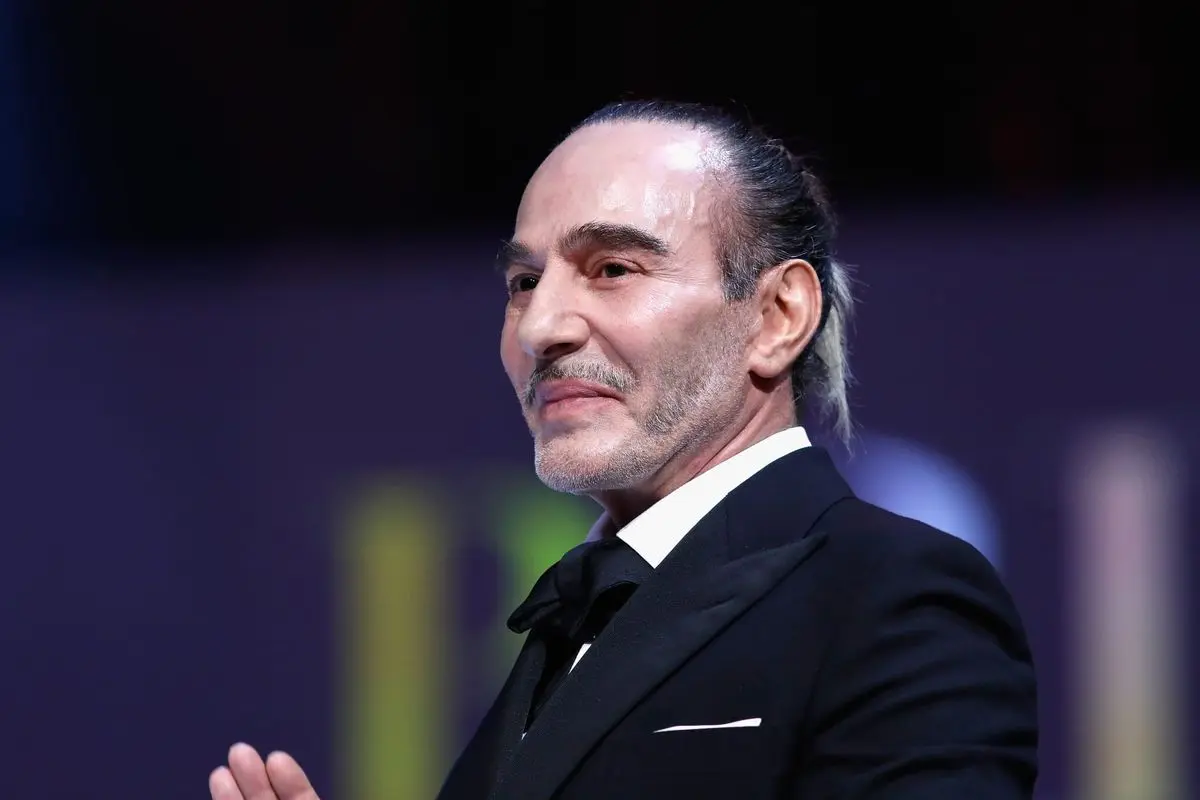
Hyperallergic reported the museum's framing directly: the British designer was convicted of a hate crime in 2011 for anti-Asian and antisemitic remarks. That fact was public, searchable, and unchanged, for the entire fifteen years The Met had to consider it before July's announcement. Nothing about Galliano's record was new information in August. What changed was the volume of the backlash, not the underlying fact set the museum was evaluating when it greenlit the show.
Hypebeast quoted the joint statement's language directly: "Following thoughtful discussions with John Galliano." The statement carries three signatures: Galliano's, Anna Wintour's, and Andrew Bolton's, the Costume Institute's chief curator. A three-name signature block on a cancellation notice is not standard institutional practice for a show that fails commercially or logistically. It is standard practice for a show that fails politically, after the fact, in public.
The Met's own record on curatorial vetting is the operational contradiction here. Costume Institute exhibitions run through a research and approval process that, by the museum's own account, typically spans eighteen months to two years before a public announcement. A subject's biography, including a 2011 criminal conviction covered by outlets from the BBC to the New York Times at the time, is not the kind of fact that surfaces during that process. It is the kind of fact institutions already hold when they choose to proceed. The Met proceeded in July. It reversed in August. Fifteen years of known record did not stop the announcement. Five weeks of public reaction did.
The joint statement's phrasing rewards a second look. "Thoughtful discussions with John Galliano" describes a negotiation, not a discovery. Institutions do not negotiate with a subject over facts they just learned. They negotiate over facts they already held, when the cost of holding them changes. The wording concedes what the timeline already shows: the conviction was never the variable. The public reaction was.
The three signatures matter for the same reason. Wintour and Bolton did not append their names to a scheduling notice or a funding shortfall. They appended them to a reversal of a decision the museum had already vetted through its own process, a process built to catch exactly this kind of biographical fact well before a public unveiling. Signing jointly is an admission that the vetting held no surprises, and that the retreat was authored by pressure arriving after the announcement rather than research conducted before it.
Bolton's Costume Institute has staged politically charged subjects before without retreat, including shows built around colonial history and gender. The difference this time is not the subject's complexity. It is the timeline: a full public announcement, followed by full public retreat, inside a single fiscal quarter. That compression is the record. The date is August 31, 2026.