
The Costume Institute opened its 2026 spring exhibition at the Metropolitan Museum yesterday. The show is called Costume Art. The headline change inside the galleries is one most museum-goers will miss until they look again. The mannequins are based on real bodies. Diverse heights, different proportions, varied stances. They are designed to make the garments read on the wearer, not on the form.
Hypebeast's preview, published 4 May, called the move directly: "the Met's new Costume Art mannequins put real bodies first." The choice is editorial, not technical. The Met's previous exhibitions used neutral, idealised mannequin forms designed to recede behind the clothes. This year's show changes the unit of display from the abstracted body to the specific one. Andrew Bolton, the curator-in-charge, has not framed the decision in press materials, but the mannequins are visible in every photograph from inside the galleries.
The Costume Institute has been the most-watched fashion-museum operation in the world for thirty years. Its mannequins, until now, were a piece of institutional language nobody discussed because nobody noticed. Standardised forms presenting clothes as objects. The shift to real-body forms reframes the same garments. They become the worn things they originally were. The fact that fashion is wearable and bodies are different is reintroduced into the central institution where fashion is preserved.
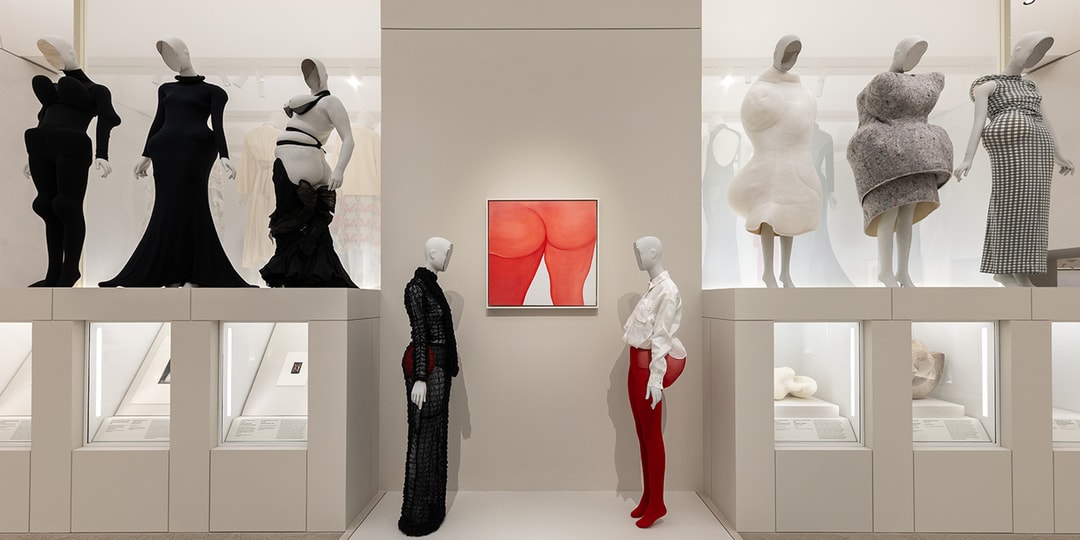
The conversation around the Costume Institute has historically been about which gala dress made the carpet, who was on the host committee, and what the curator named the show. This year the show name is Costume Art. The press cycle is processing it as another curatorial framing. Glossy's coverage led on Chanel domination on the carpet. Dazed's headline package ran "the best dressed stars from the biggest night in fashion." The mannequin choice is the more interesting institutional move, and it is mostly absent from the press cycle so far.

Whether the framing of art succeeds in shifting how museum-goers read the clothes is open. The mannequin choice will be visible in every photograph from inside the show through the summer. Whether subsequent fashion exhibitions adopt the same approach, at the V&A, at FIT, at the Palais Galliera, is the test that will land in autumn programming announcements.