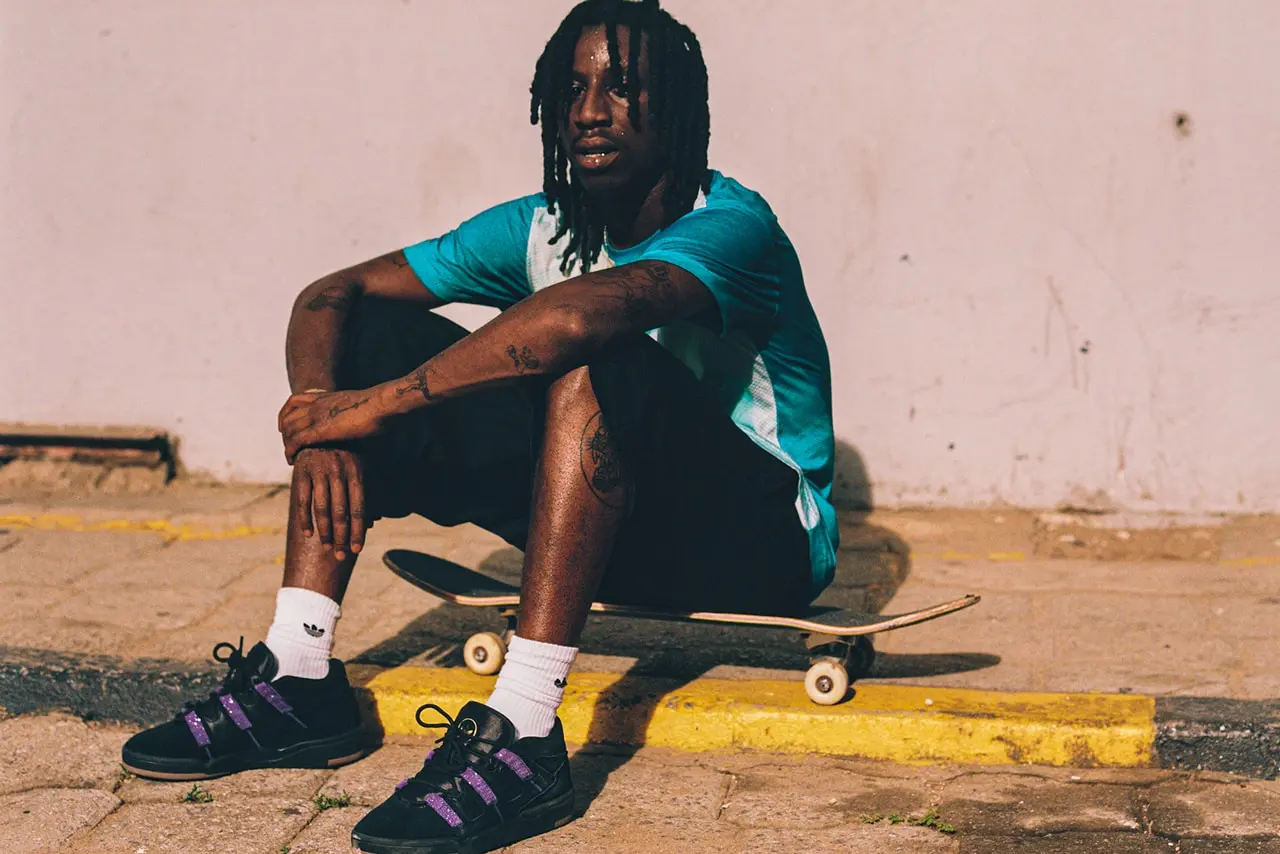
The Kader launched today at $110, and the number is doing more work than the silhouette. Adidas Skateboarding is calling it a signature shoe, the kind of designation usually reserved for a roster's most decorated name, but the shape underneath the branding is a '90s basketball reference dressed in skate-grade suede. This is the mechanism by which a niche discipline borrows the visual vocabulary of a mass one to buy itself legitimacy: skateboarding has spent three decades building its own signature-shoe lineage, and adidas is choosing this moment to reach backward into basketball's archive instead of forward into skate's own.
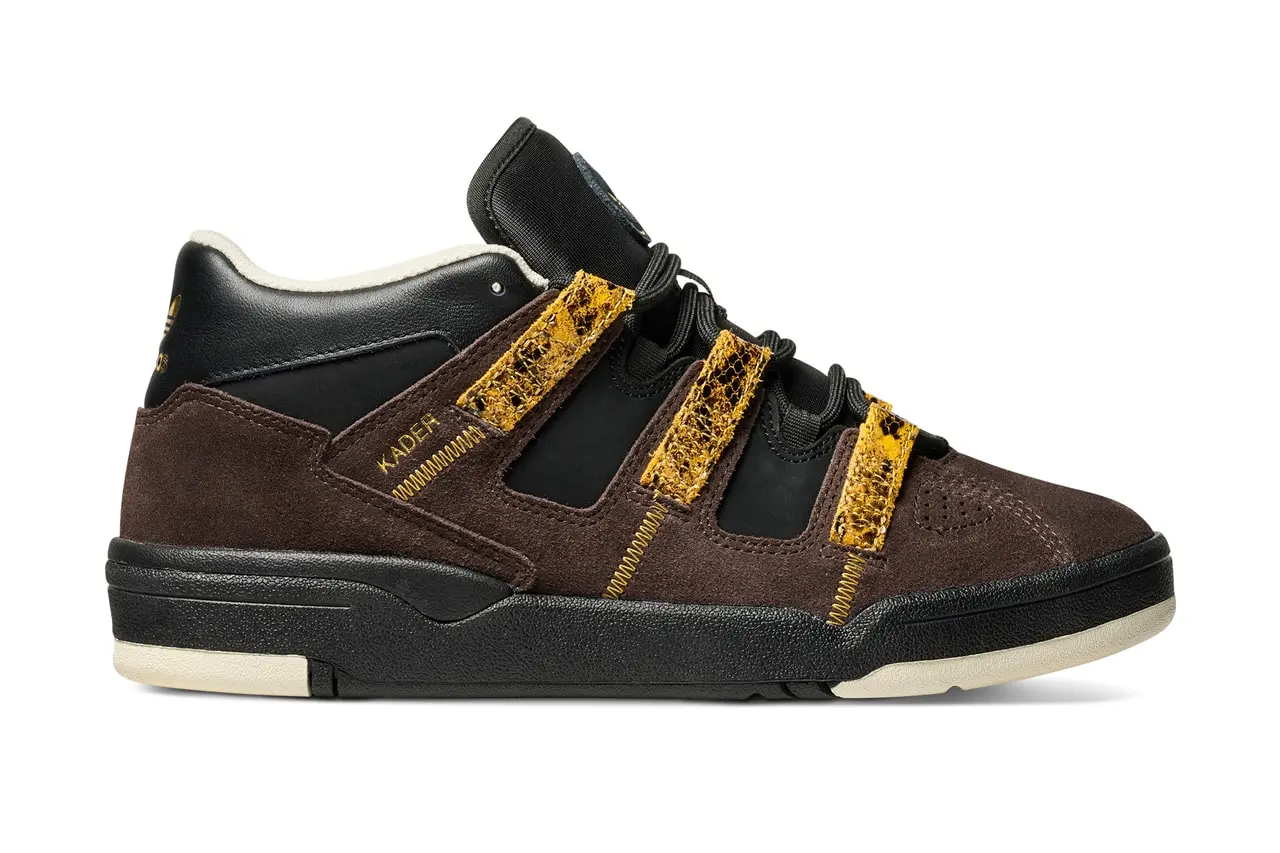
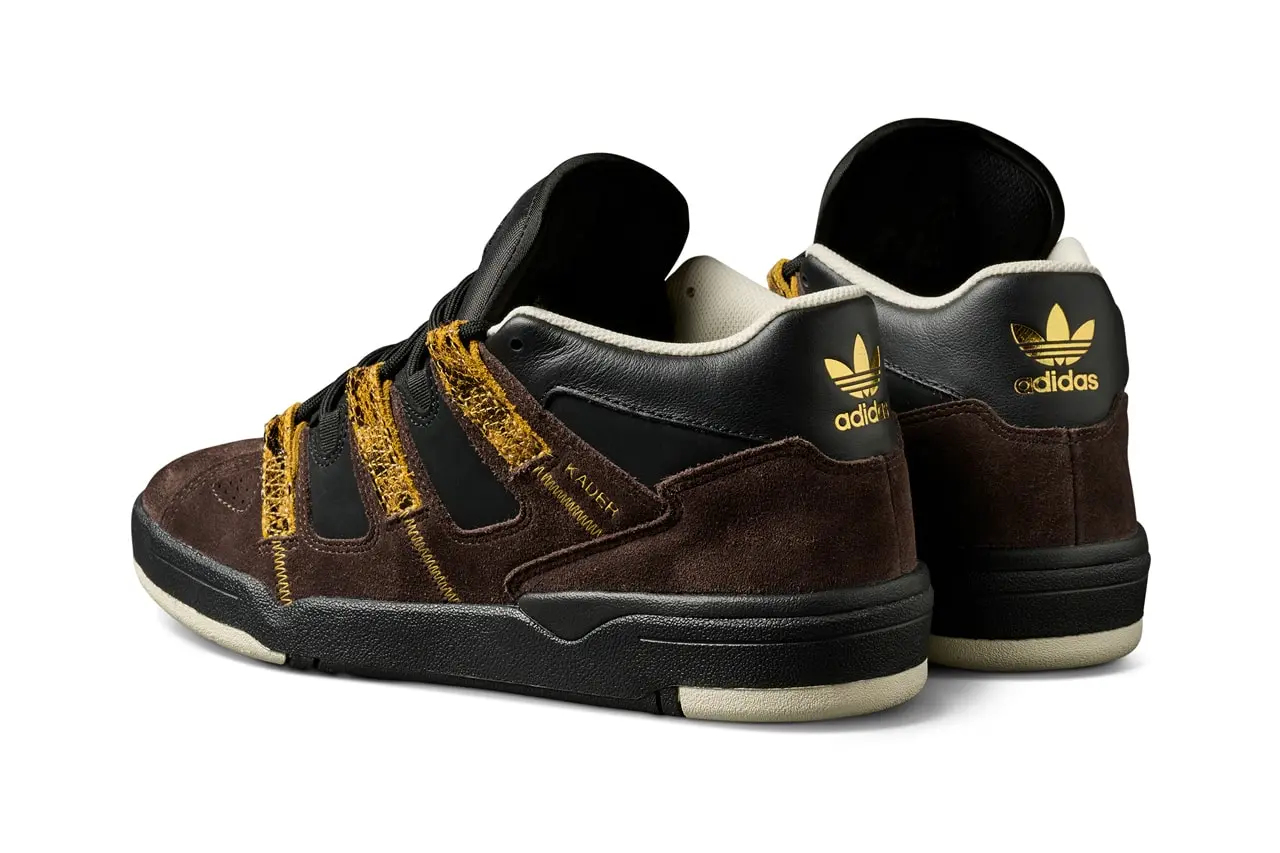
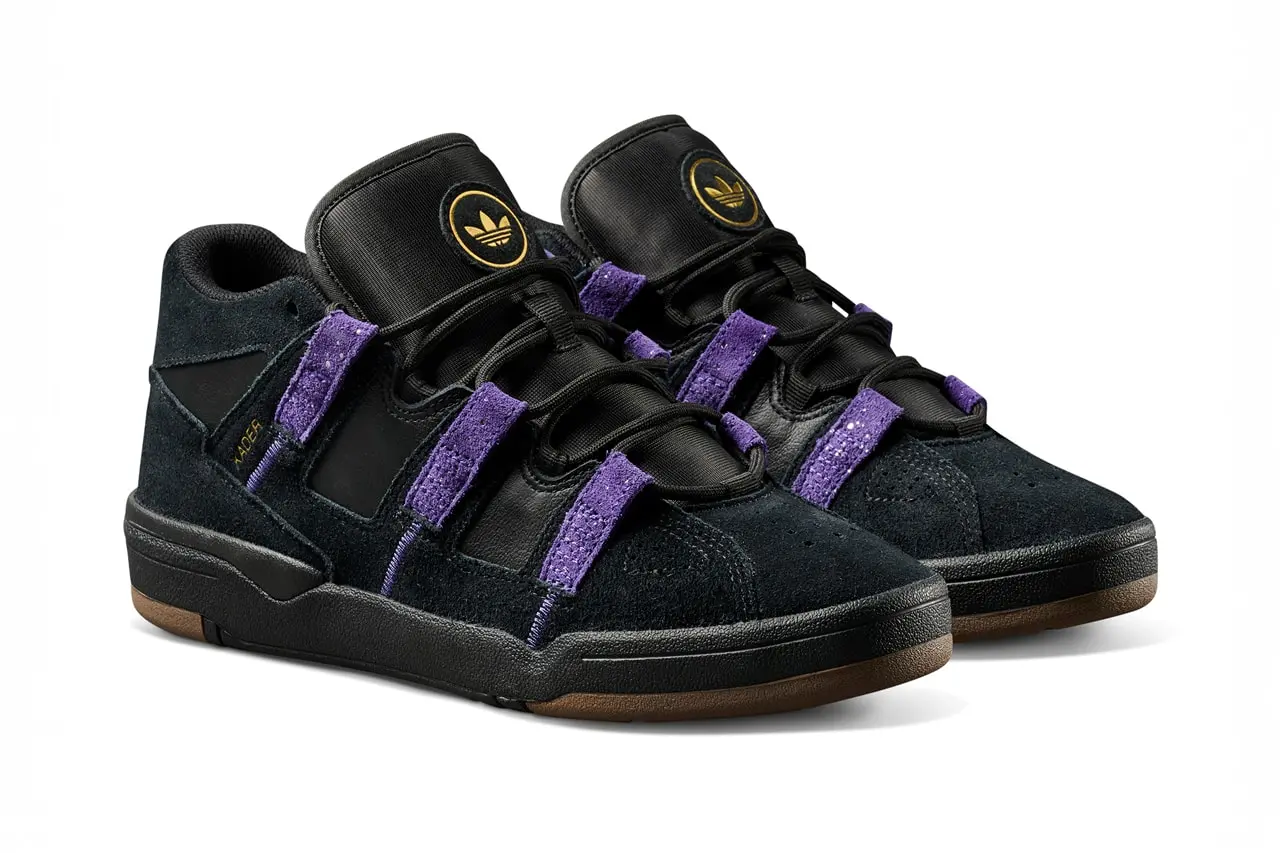
Hypebeast reported the athlete's own framing directly: "I wanted to make something that felt like me and that I'd actually want to wear every day." That is a preference claim, not a presence claim, and it matters because signature shoes in skateboarding rarely convert into daily rotation outside the pro's own circle. You have seen this shoe's ancestors before: a small handful of skate signatures (Dyrdek, Gonz, Reynolds) reached genuine street ubiquity, while most disappear into team-rider Instagram grids within two quarters.
The basketball reference is the interesting choice, not the skate performance spec. Adidas is not asking skaters to adopt a skate shoe; it is asking them to adopt a basketball shoe that happens to grind. That inversion, an outdoor-sport brand pulling from an indoor-sport archive to sell an outdoor-sport product, is the same move Salomon and On have made pulling trail silhouettes into city retail, just run in reverse. The launch kicks off a North American tour leg, which gives the brand a live, trackable audience for whether the shoe gets skated or gets displayed.
Consider what the tour leg actually tests. Sylla skating his own shoe through Los Angeles and New York is not marketing filler, it is the closest thing this launch has to a control group. A signature model that stays in the box while its namesake wears something else on tour would be its own kind of verdict, one that would arrive well before any resale data does.
The Dyrdek, Gonz, and Reynolds comparison cuts both ways. Those names earned street ubiquity because skaters treated the shoes as gear first and signature product second, wearing them until they fell apart rather than photographing them intact. The Kader's basketball-archive silhouette makes that outcome less certain, not more, because the shoe is legible as a style object to an audience that has never set foot on a deck, which is exactly the audience least likely to scuff it on purpose.
That is the tension embedded in borrowing basketball's visual vocabulary to sell a skate product: the reference is built to travel outside skateboarding, which means the shoe can succeed commercially while still failing the test its own name sets up.
Watch the resale and wear-pattern data over the next 90 days: if The Kader shows up scuffed on actual decks by Sylla's own tour stops in Los Angeles and New York, the basketball reference converts into genuine skate credibility. If it shows up pristine on sneaker accounts instead, the shoe will have done everything but what its name promises.