The mugs sit in four tonal pairings, matte on one half and ribbed on the other, the kind of finish that photographs like stone even though the material underneath is the same bone china Wedgwood has thrown in Barlaston since 1759. This is ceramics retail, not fashion merchandise dressed up as ceramics retail, and the distinction matters because of what happened the first time JW Anderson and Wedgwood worked together.
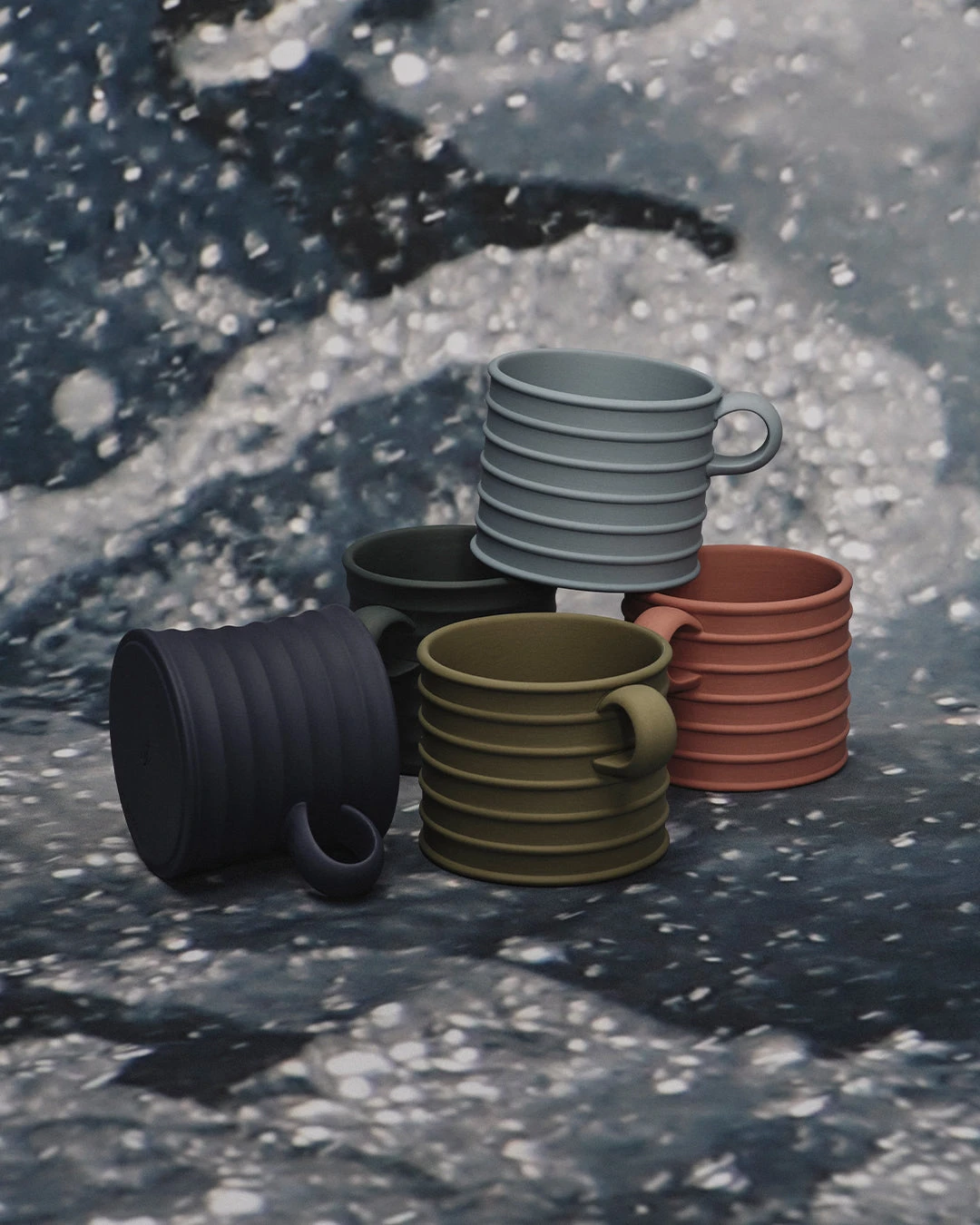
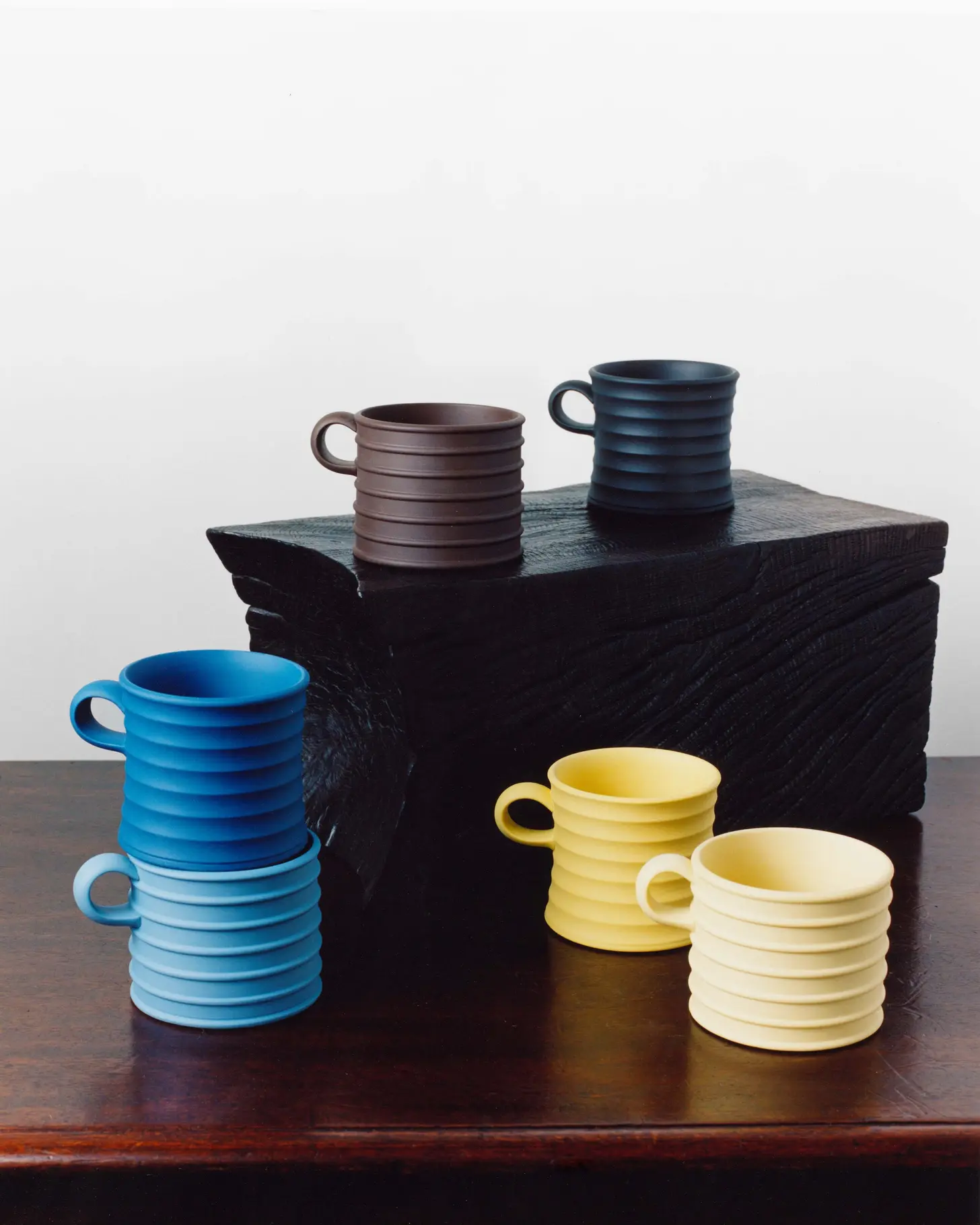
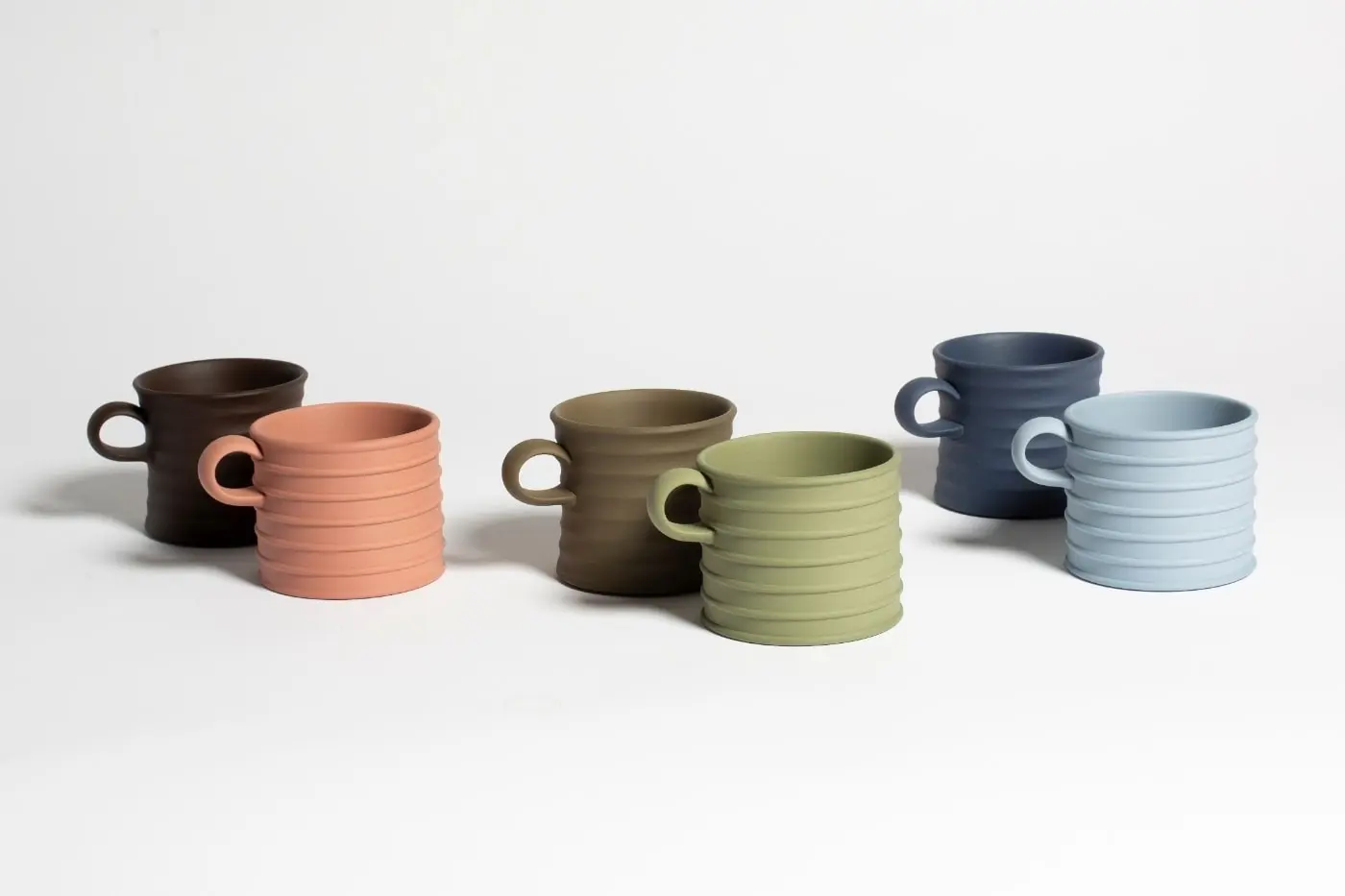
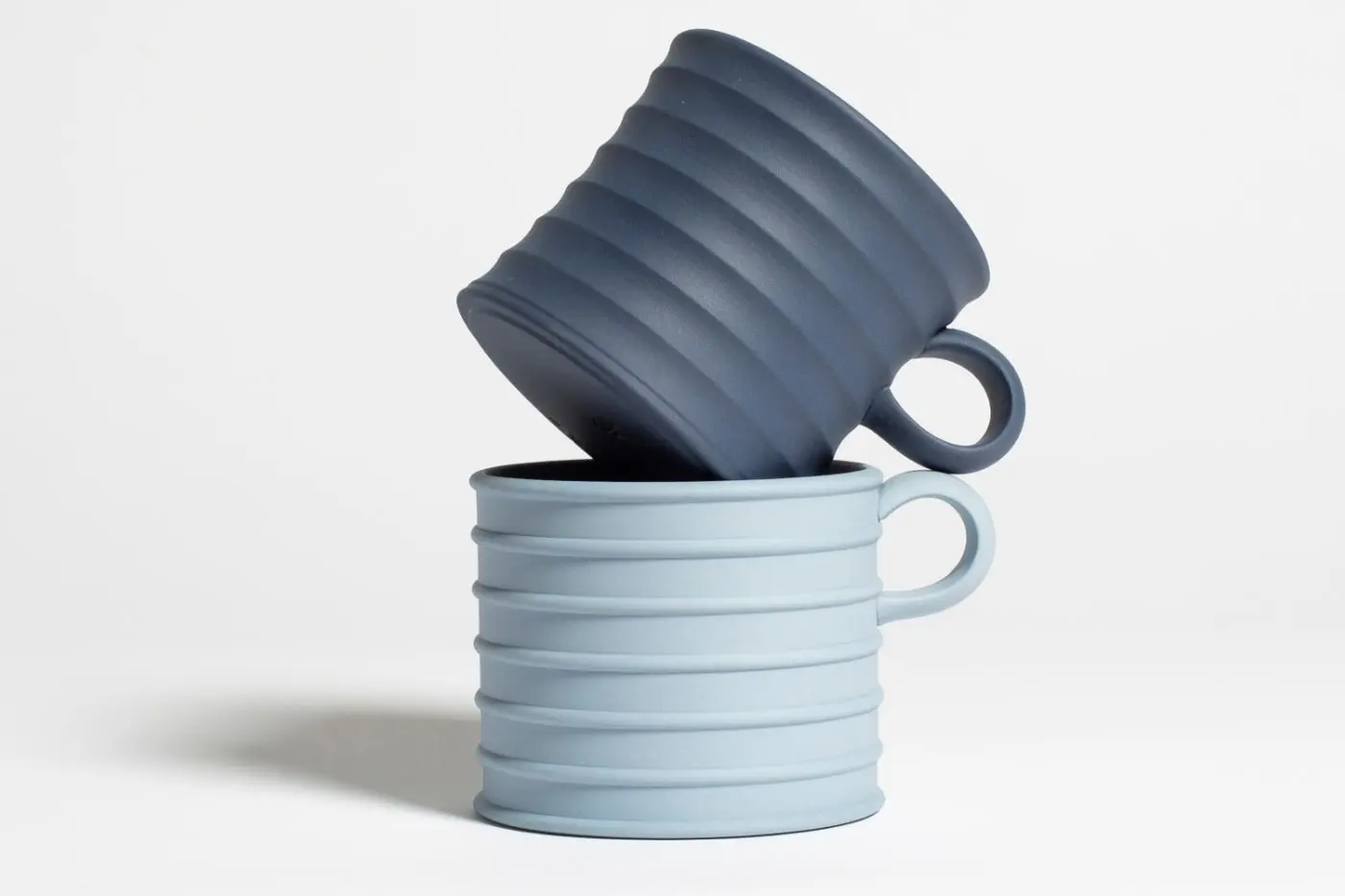
The inaugural collaboration pulled from unproduced Lucie Rie designs sitting in the Wedgwood archive, a one-off unearthing framed as a discovery. Volume II drops the archaeology and replaces it with a stated numbering system. There is no Volume I framing device left to lean on: the collection now takes its own cue from Greek ceramics and British landscape, a theme chosen rather than found. That shift, from archive excavation to original design brief, is the kind of move a design house makes when it has decided a collaboration is now a line, not a moment.
Wedgwood is 267 years old and has done designer collaborations before, most of them treated as prestige one-offs: a single named designer, a single capsule, a press cycle, then silence until the next anniversary. What Volume II confirms is a different cadence, closer to how a streetwear label runs a recurring collaborator than how a heritage tableware house has traditionally licensed its name. The price holds steady at £300 across both volumes, which is itself a tell: a true limited-edition prestige object escalates in price each time scarcity is reasserted. A flat price across two volumes reads like a catalog SKU, not a collector's edition.
Jasperware itself is the specialist form here, a stoneware technique with a fixed visual vocabulary of raised white relief on colored ground that has barely changed since Josiah Wedgwood invented it in 1775. JW Anderson's involvement does not alter the technique. It alters the audience, pulling a 250 year old ceramic process into a rotation that a fashion label's customer base checks the way they'd check a sneaker drop calendar. The Greek ceramics and British landscape references in Volume II are legible to design collectors in a way Lucie Rie's name is not, which suggests the house is deliberately widening the entry point with each successive volume rather than narrowing it for insiders.
A specialist material has picked up a mass-market release rhythm, and the tell is not the design work. It is the number on the box.