The hip-hop documentary has become a loaded format. In the past eighteen months, the form has been the site of estate disputes, posthumous narrative control, and legal contestation over who gets to tell whose story. Diddy's planned Netflix series was shelved indefinitely. Tupac's estate has fought multiple unauthorized projects. The genre that once served as victory-lap retrospective now carries liability.
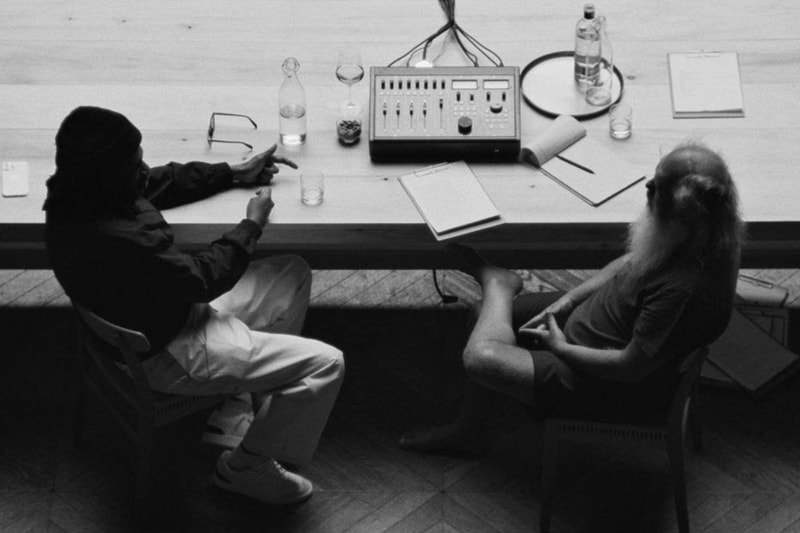
Into that environment, HBO has announced JAY-Z IN 8: an eight-part original documentary series directed by Rick Rubin, debuting this fall on HBO and Max. The framing is notably specific. The series is described as Rubin in conversation with the rapper across music, lyrics, life experience, and creative process. The network calls it candid and intimate. The executive producers are Shawn Carter (under his given name), Daniel Kaluuya, and Rubin himself.
The structural choice is worth noting. This is not a narrator-driven retrospective with archival footage and talking-head testimonials. It is a dialogue format: two figures who share Def Jam history, seated together, working through a catalog. The teaser shows no third-party commentators. No cultural critics. No former collaborators weighing in. The subject controls the frame.
That control is the point. In a period when hip-hop documentary has become a site of contested legacy, JAY-Z IN 8 is designed to foreclose external interpretation. The director is a collaborator. The producer is a collaborator. The network is premium cable, not a streamer under pressure to sensationalize. The format is conversation, not investigation.
The choice of Kaluuya as executive producer is instructive. The actor's production company has been building a slate of projects about Black British and American experience, but his involvement here is not as a subject-matter expert or cultural translator. It is as a structural partner. The credits read less like documentary and more like a controlled-release album rollout: principal creative, trusted collaborator, prestige distributor.
HBO's fall release window places the series after the summer festival circuit and before awards-season programming. The timing is deliberate. This is not counter-programming to a competitor's release. It is a standalone event, positioned to draw its own weather.
The eight-episode count is also notable. Most artist documentaries run two to four hours total. Eight episodes suggests a structure closer to a premium series than a film. That length allows for granular catalog work: the kind of bar-by-bar, production-by-production breakdown that Rubin has made his interview signature on his podcast. The format is not retrospective. It is annotation.
What JAY-Z IN 8 does not do is engage with the broader documentary-as-accountability trend. There is no indication the series will address the legal and business disputes that have surrounded Roc Nation, nor the ongoing questions about the rapper's role in various industry controversies. The framing is creative process, not biography. That distinction is itself a statement.
The series arrives as hip-hop documentary has become a contested site of narrative control. JAY-Z IN 8 is an answer to that contestation: the subject as author, the director as collaborator, the format as insulation. The question is whether the form can hold.